
Review · JAPAN
Echoes of Peace – A Soul-Stirring Koto Concert in Hiroshima
The koto’s bright, rippling strings can sound ancient one moment and surprisingly modern the next. In this small Hiroshima concert near Peace Memorial Park, you hear classical music, pop arrangements, and original work while learning how this Japanese instrument was made and used.
I like the intimate group size, limited to 10 people, and the easy English conversation with the performer. I also like the musical range, from Bach and Pachelbel to John Lennon and contemporary Japanese arrangements. The main consideration is that the live concert lasts about 25 minutes, with the full activity taking roughly 30 minutes, so this is a short cultural stop rather than a full evening concert.
Key points
- A compact koto concert near Peace Memorial Park: Fit this 30-minute activity into a day of sightseeing without giving up half your afternoon.
- Classical music meets modern arrangements: Hear Bach, Ave Maria, Canon in D, Imagine, and pop songs on a traditional Japanese instrument.
- A clear introduction to the koto: Learn about its craftsmanship, cultural role, and spiritual meaning before or during the performance.
- Peace is part of the program: Original music honors atomic bomb victims and expresses hopes for global harmony.
- Small-group English setting: With no more than 10 participants, you have a better chance to ask questions and speak with the performer.
- Optional hands-on workshop: If available for your booking, the post-concert session gives you a chance to try the instrument.
A Short Concert with a Serious Hiroshima Setting
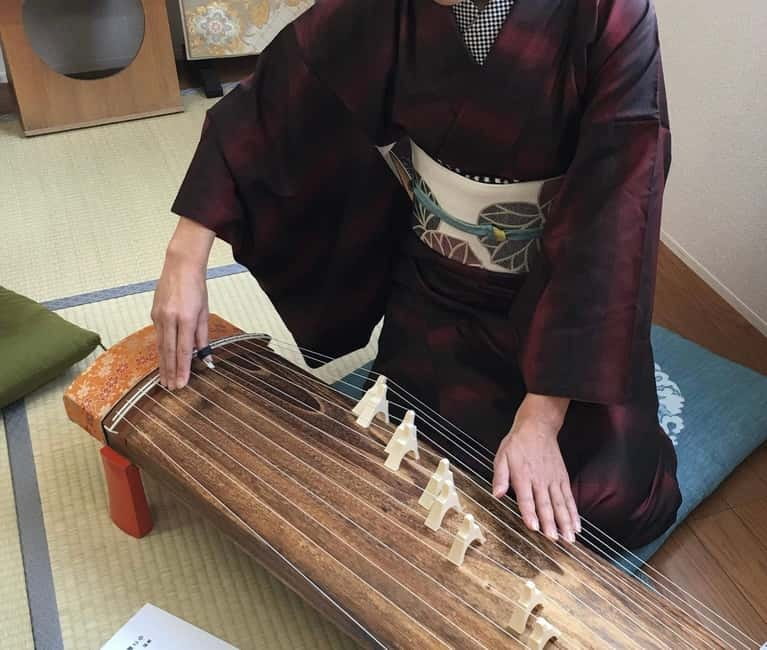
This experience takes place in a quiet space near Hiroshima Peace Memorial Park. That location matters. You are not simply checking a traditional instrument off a list. You are hearing music connected to a city shaped by loss, remembrance, and the work of building peace.
The concert itself is brief. Expect about 25 minutes of live music, with the whole activity lasting around 30 minutes. That makes it easy to pair with the park, the Atomic Bomb Dome, or another central Hiroshima stop. It also means you should set your expectations correctly. This is a focused cultural encounter, not a long recital with several acts.
The tone is calm and reflective. The program includes music written for the koto, familiar Western pieces arranged for its strings, and modern selections that show how far the instrument can reach. The result is less formal than a major concert hall performance and more personal than a large stage show.
A few more concerts around Japan worth a look
- Kyoto: Traditional Concert at Townhouse or Bathhouse
★ 4.9 · 224 reviews - Japanese Traditional Music Show in Tokyo
★ 5.0 · 72 reviews - Traditional Japanese Music show & Experience Tour in Kyoto
★ 5.0 · 57 reviews
Meeting the Koto in a Small English-Speaking Group
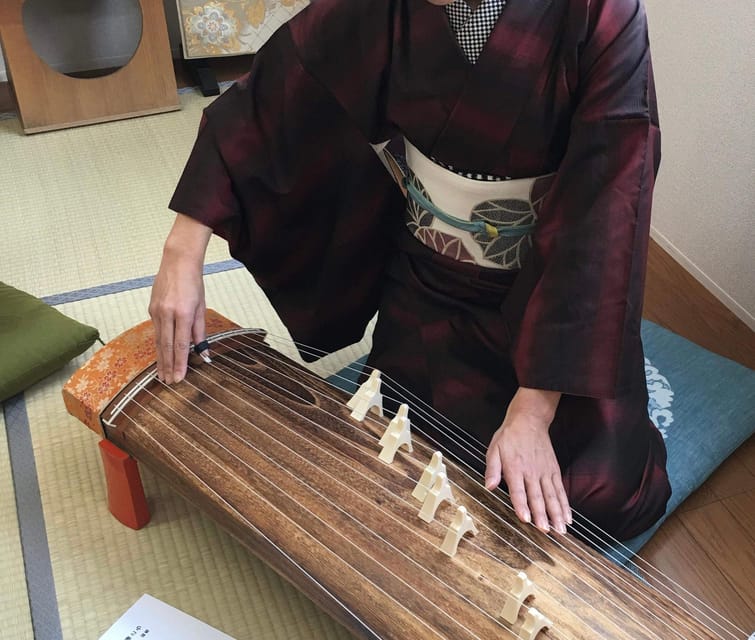
The koto is a long Japanese string instrument played while seated. Its sound can be delicate and ringing, with notes that seem to hang in the air. A short introduction explains its history, construction, and spiritual importance, giving you a useful frame before the music begins.
The performer speaks English and offers free conversation after the concert. That is a useful part of the visit. You can ask about the instrument, the music, or the choices behind the program without needing to rely on a guide or translation app.
The group is capped at 10 people. I prefer that size for an activity like this because the room can remain quiet and the performer can address questions without turning the meeting into a lecture. It also makes the optional workshop more workable if you choose to take part.
The setting is a studio on the second floor. The directions are practical, but you should read them before leaving. From Tatemachi streetcar station, walk straight along the street, using Tully’s coffee shop as a landmark. When you reach the Gokku okonomiyaki restaurant, turn right. Look for the activity sign, go to the second floor, and enter through the door near the elevator.
One visitor found the outside sign hard to spot. I would allow a few extra minutes rather than arriving at the last second. The building entrance may not announce itself clearly from the street.
What You Hear During the 25-Minute Performance
The musical program is designed to show the koto’s range. You may hear classical Japanese material, Western classical arrangements, modern pop adaptations, and original compositions. The contrast is the point. A traditional instrument does not have to remain trapped in one narrow period or style.
The listed works include Bach’s Air on the G String, Ave Maria, and Pachelbel’s Canon in D. These melodies are familiar to many listeners, so you can focus on how the koto changes their shape and color. The instrument gives well-known pieces a lighter, more plucked sound than you would hear from an organ, string orchestra, or piano.
John Lennon’s Imagine adds a direct connection to the peace theme. It is a familiar song about hope and a better world, and its appearance here links global popular culture with Hiroshima’s local message.
The program also includes Echo of Serenity, an original piece dedicated to peace. Songs honoring atomic bomb victims and prayers for global harmony are part of the stated purpose of the concert. One practical note: the balance of peace-focused music may vary. The program also contains several classical and pop arrangements, so you should not book this expecting every minute to be a memorial performance.
That mix may suit you if you want reflection without an entirely solemn presentation. It may be less suitable if you are seeking a formal historical lecture or a concert made only of traditional Japanese repertoire.
Why the Koto Works So Well in Hiroshima
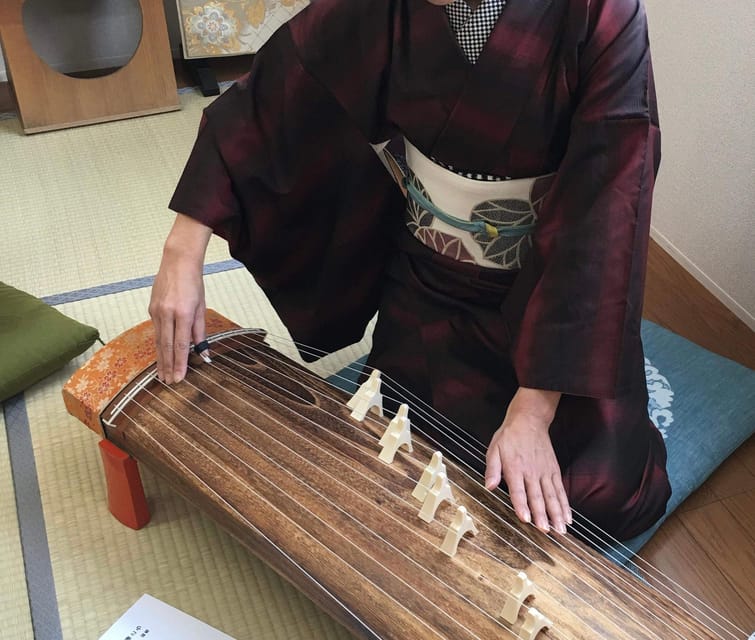
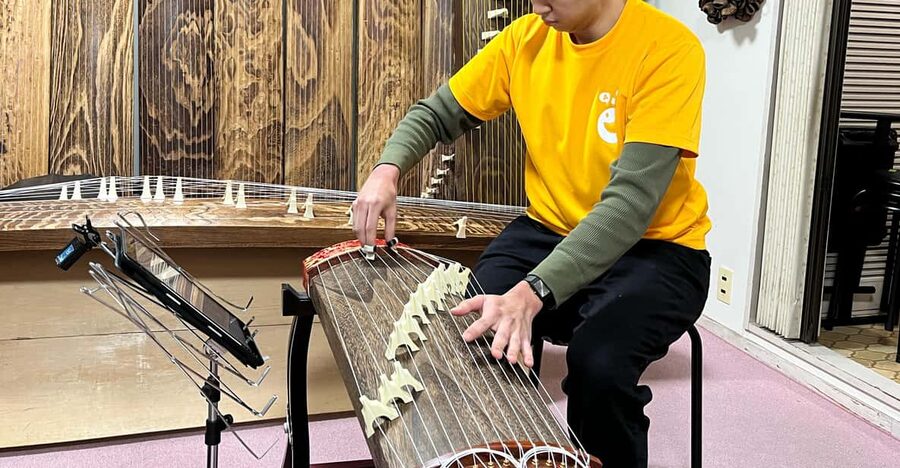
The koto carries a strong sense of place because its sound is closely tied to Japanese musical tradition. In Hiroshima, the instrument also takes on a second role. Its quiet, sustained notes fit a setting devoted to memory and peace without trying to compete with the memorial sites themselves.
I appreciate that the experience does not treat music as background decoration. The introduction explains why the instrument matters, while the peace program gives the concert a clear purpose. You leave with more than a few attractive sounds in your memory. You also have a basic idea of how the koto fits into Japanese culture and why this performer chose particular pieces.
At the same time, keep the scale in mind. A half-hour concert cannot cover all of Japanese music, the full development of the koto, or the many ways the instrument is played. The introduction is a compact orientation, not a museum-style course.
The strongest feature is the combination of place, sound, and time. You can visit the memorial area, pause for a small concert, and then continue your day. That rhythm gives you a quiet break from walking and sightseeing.
Same city, a different sound:
- Experience the Asakusa Kabuki Opera Show!
★ 5.0 · 99 reviews - Concerts Played with Traditional Instruments in Kyoto
★ 5.0 · 50 reviews - Kyoto: Japanese Koto & Shamisen Concert and Koto Class
★ 4.9 · 31 reviews - Traditional Japanese Music show & Experience Tour in Osaka
★ 5.0 · 25 reviews
The Optional Workshop and Conversation
The mini-workshop is optional. If you want to try the koto, ask about it when booking or on arrival, since the supplied details do not specify its exact length or whether it runs at every session.
A hands-on session can add real value. Listening tells you what the instrument sounds like, but trying it gives you a better sense of the technique and control needed to produce those clear notes. Do not expect a full lesson in a few minutes. Think of it as a brief introduction that helps you understand the instrument physically.
The conversation with the performer is included in English. This is especially useful after the music, when you already have specific questions. You might want to ask about the construction of the koto, the difference between traditional and modern pieces, or how the performer adapts Western melodies.
Because the group is small, this part may feel more personal than the concert itself. If you prefer simply to listen, you can treat the conversation as optional in spirit, even though it is included in the activity.
What the $25 Price Gets You
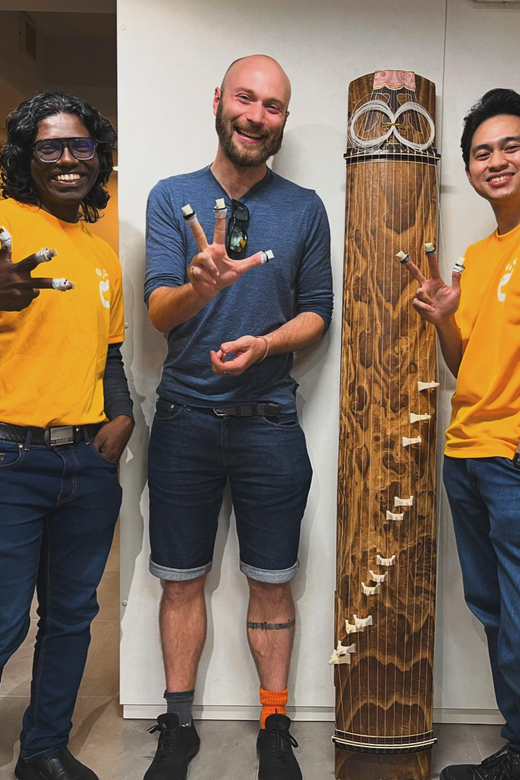
At $25 per person, the value depends on how you judge a short cultural activity. If you want a long concert, food, transport, or a full workshop, this will feel limited. The listed price does not include transportation or food, and you should plan those costs separately.
If you want a compact, central experience with live music and direct contact with a Japanese tradition, the price is reasonable. You receive the performance, the koto introduction, and a chance to speak with the performer in English. The optional workshop may add more value if it is available and included for your booking.
The short duration is both a strength and a weakness. It is easy to fit into a busy Hiroshima schedule, especially before or after the Peace Memorial Park. But the activity will not fill a large part of your day, and you should not expect a large ensemble or a long series of pieces.
I would see the $25 as a good supplement to your Hiroshima plans, not the main event of your day. It works best when you already want to explore the city’s peace message and are looking for a quiet artistic experience to add depth.
Who Will Enjoy This Experience Most
This concert suits you if you like small cultural activities, live music, and local traditions explained in plain English. It is also a good choice if you want something quieter than a food tour or a busy group excursion.
Music lovers may enjoy spotting the differences between the koto and Western instruments. Families with older children could find the workshop interesting, although children under 10 are not allowed. Solo visitors and couples may especially appreciate the calm setting and the chance to speak with the performer.
The activity is less suitable if you need a long program, a large-scale stage production, or a detailed academic lecture. It may also disappoint you if you expect the whole performance to focus on peace music. The program includes that theme, but it also ranges across classical pieces, pop adaptations, and original work.
The concert has earned an overall rating of 4.5 from five bookings. The most consistent positive points are the music, the appeal of the instrument, and the sense that the experience is fun and interesting. One visitor particularly liked the presentation and the chance to be in the performer’s studio. Those details suggest that the personal setting is an important part of the experience, not just a place to sit for a recital.
Timing, Cancellation, and Practical Planning
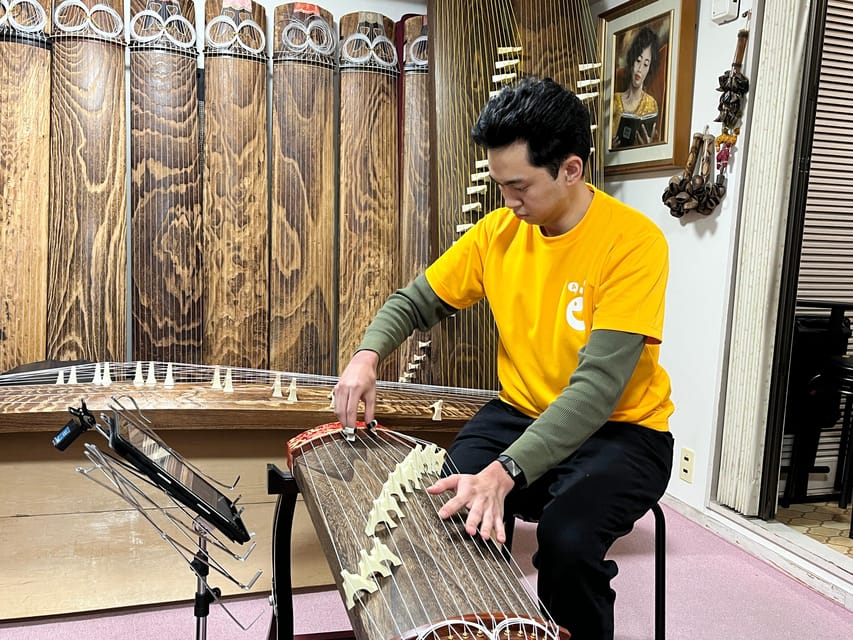
The activity lasts 30 minutes, with the concert portion described as about 25 minutes. Check the available starting times when you book, then build in time to find the entrance near Tatemachi.
You can cancel up to 24 hours in advance for a full refund. You can also reserve now and pay later, which is useful if your Hiroshima schedule is still changing.
No transportation is included. The simplest stated route is the Hiroshima streetcar to Tatemachi, followed by the walk past Tully’s and Gokku. You should use the landmarks carefully because the outside sign may not be easy to see.
Alcohol and drugs are not allowed. Food is not included. The activity is offered in English, and the group size is limited to 10 people.
Should You Book the Koto Concert?
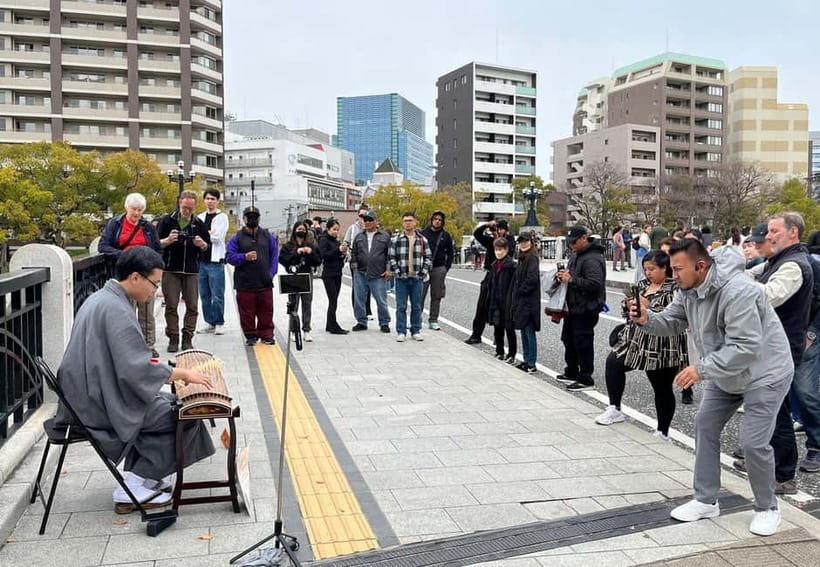
Book it if you want a short, thoughtful activity near Hiroshima Peace Memorial Park, especially if the idea of hearing a traditional Japanese instrument play both Bach and modern songs appeals to you. The small group, English conversation, and optional workshop make the $25 price fair for a compact cultural stop.
Skip it if you want a long concert, a large venue, or a program devoted entirely to traditional Japanese music or peace memorial songs. For most visitors with room in their Hiroshima schedule, though, this is a worthwhile pause: personal, peaceful, and just unusual enough to stay with you after the music ends.
FAQ
How long does the koto experience last?
The full activity lasts 30 minutes. The live concert itself is about 25 minutes.
Where does the concert take place?
It takes place in a serene space near Hiroshima Peace Memorial Park, on the second floor of a building reached from Tatemachi streetcar station.
How do I get to the meeting point?
Get off the streetcar at Tatemachi and walk straight, using Tully’s coffee shop as a landmark. When you reach the Gokku okonomiyaki restaurant, turn right. Follow the sign, go to the second floor, and enter near the elevator.
Is the activity offered in English?
Yes. The instructor and the included conversation with the koto performer are in English.
What music will I hear?
The program includes classical works such as Air on the G String, Ave Maria, and Canon in D, along with Imagine, original compositions, and pop song adaptations.
Can I try playing the koto?
An optional post-concert mini-workshop is available for people who want to try the instrument. Confirm the workshop details for your selected session.
Is the activity suitable for young children?
Children under 10 are not permitted. The activity is intended for participants aged 10 and older.
Just added around Japan
- Tsugaru shamisen performance over traditional dinner★ 5.0 · 9 reviews
- Japanaese tradtional Tsugaru Shamisen music lesson in Tokyo★ 4.5 · 3 reviews
- Easy for everyone! Now you can play handmade mini shamisen and show off to everyone! Musical instruments, sweets and live music★ 5.0 · 3 reviews
- Traditional Japanese Music show & Experience Tour in Osaka★ 5.0 · 25 reviews
- Traditional Concert in Public bath near Kyoto Station★ 5.0 · 5 reviews
- Kyoto: Matcha & Traditional Japanese Music Immersive Experience★ 5.0 · 9 reviews
- Private Japanese music concert★ 5.0 · 4 reviews
- Tokyo Underground Music Tours★ 5.0 · 9 reviews
Japan Concerts, compared.
Kyoto: Traditional Concert at Townhouse or Bathhouse
Read our review →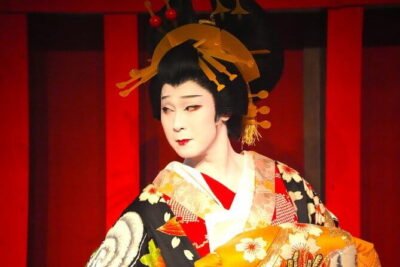
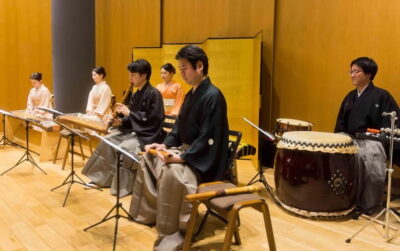
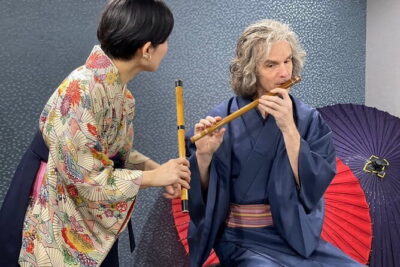
Traditional Japanese Music show & Experience Tour in Kyoto
Read our review →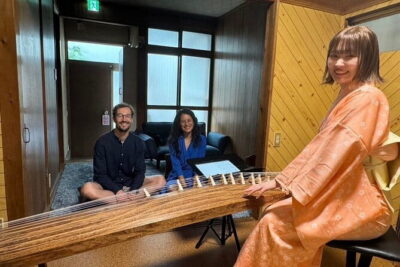
Concerts Played with Traditional Instruments in Kyoto
Read our review →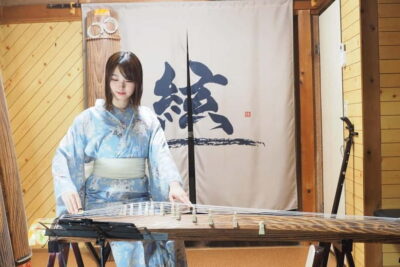
Kyoto: Japanese Koto & Shamisen Concert and Koto Class
Read our review →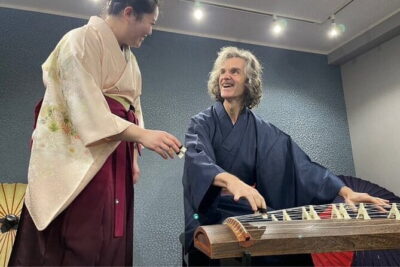
Traditional Japanese Music show & Experience Tour in Osaka
Read our review →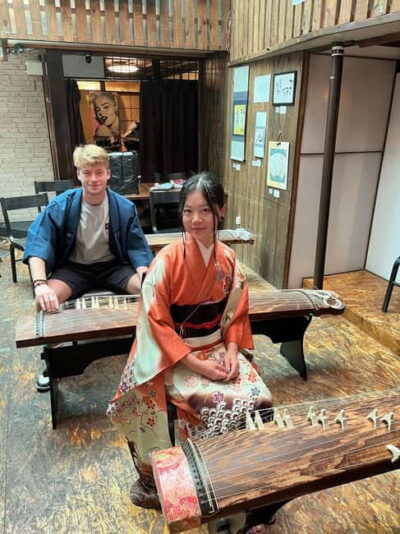
Browse the lists this tour appears in