
Review · KYOTO
Private Japanese music concert
A private koto concert in a renovated Kyoto townhouse gives you something a formal hall cannot: music at arm’s length. You sit in a chair, watch the performer’s hands, and hear the koto and kokyu without a large crowd between you and the instruments. I like the quiet, personal setting, and I like that the session can include explanations, conversation, and a chance to try the instruments.
The main drawback is the short, fixed format. At about one hour, this is a focused introduction rather than a full evening of Japanese music, and the intimate setting may not suit you if you want a large stage, several performers, or a longer program.
Key Points at a Glance
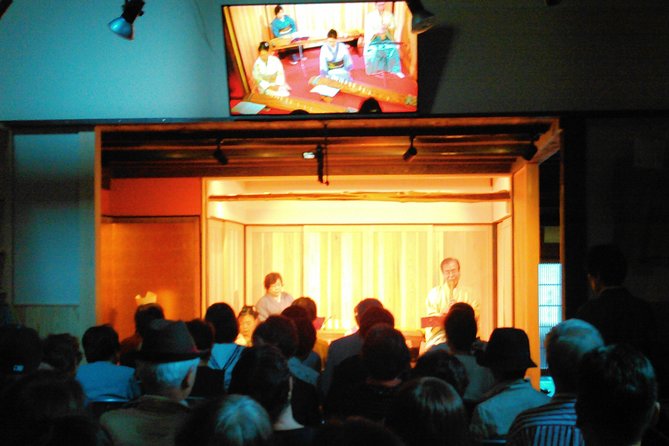
- Private townhouse setting: Your party receives a performance in a renovated Kyomachiya rather than a public concert hall.
- Koto and kokyu up close: Hear the Japanese harp and bowed string instrument at close range.
- Comfortable seating: The performance takes place with you seated in a chair, not on the floor.
- Hands-on finish: Children and adults may be invited to try the instruments after the performance.
- One-hour commitment: The compact length fits neatly into a Kyoto sightseeing day.
- Central Kyoto address: Kiotto is at 9-10 Mibu Hinokicho, Nakagyo Ward, near public transportation.
Why This Kyoto Concert Feels Different
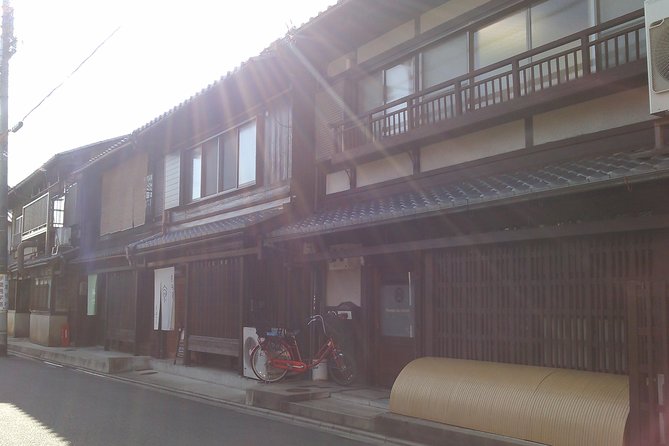
Many cultural performances ask you to sit quietly at a distance and watch from the back of a room. This experience takes the opposite approach. The performer plays for your private party inside Kyomachiya Kiotto, a traditional Kyoto townhouse that has been renovated for modern use.
That setting matters. A townhouse gives the music a domestic, local feel. You are not entering a grand theater built for hundreds of people. You are stepping into a smaller space where the instruments become the focus and the room itself helps explain how Japanese culture has been experienced at home, in teaching spaces, and in intimate gatherings.
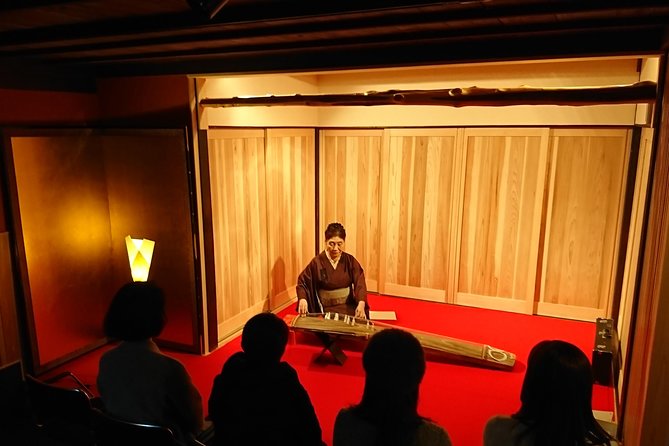
I especially like the scale of the event. The koto has a long body with strings stretched across it, and the kokyu is a bowed instrument. In a large hall, you see the broad outline of a performance. Here, you have a better chance to notice the performer’s hand movements, the shape of the instruments, and the difference between plucked and bowed sounds.
The private format also gives the session room to breathe. The music is not simply one piece after another. Time can be given to explaining the instruments and speaking with the musicians. That makes this a good choice if you want context, not just a short cultural show staged for a passing audience.
A few more concerts around Japan worth a look
- VIP Jazz Dinner Cruise with Private Tour and Open Bar Option
★ 4.5 · 838 reviews - Sydney Half Day Private Tour: See Sydney Opera House and Bondi
★ 5.0 · 123 reviews - Little Havana Tour Private Cuban Podcaster Art, Museums, Music
★ 4.5 · 93 reviews
Entering Kyomachiya Kiotto in Mibu
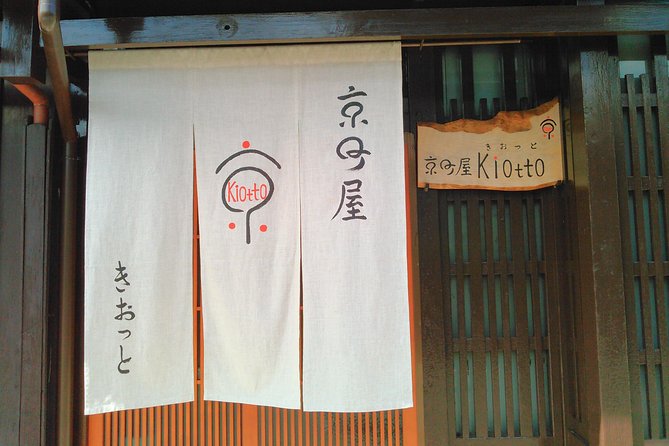
The meeting point is Kyomachiya Kiotto at 9-10 Mibu Hinokicho in Kyoto’s Nakagyo Ward. The property is near public transportation, which makes it practical to reach without arranging a private car. You should still allow time to find the townhouse, since a traditional address and a neighborhood setting can feel less obvious than a major theater entrance.
The location is part of the appeal. You are not being taken to a purpose-built tourist venue with a large lobby and rows of seats. Instead, the performance takes place in a renovated traditional house. That gives the hour a strong sense of place, especially if the rest of your Kyoto schedule has been filled with temples, shopping streets, and major sights.
Inside, you sit in a chair. This small detail is useful. Some Japanese cultural demonstrations use floor seating, which can be uncomfortable if you have stiff knees or simply prefer a standard seat. Here, you can settle in and concentrate on the sound.
The space is described as comfortable, but it is still a townhouse rather than a concert hall. You should expect an intimate room, not a large production with stage lighting, theater acoustics, or elaborate scenery. The reward is closeness. The tradeoff is that the experience depends on the room and the personal connection between you and the performer.
Hearing the Koto and Kokyu
The concert centers on traditional Japanese instruments, especially the koto and kokyu. The koto is often described as a Japanese harp, though its construction and playing style give it a sound of its own. The performer plucks its strings, producing clear notes that can feel delicate, measured, and spacious.
The kokyu adds a different color. It is a bowed Japanese string instrument, so its sound comes from the movement of a bow rather than from plucking. Hearing the two instruments in the same intimate setting gives you a useful contrast: one voice shaped by the fingers, the other shaped by the bow.
The performer connected with Kyomachiya Kiotto works as an assistant teacher there. That detail suggests an experience built around both performance and instruction. You are not simply watching a musician complete a set. You can expect the instruments and their sounds to receive attention as part of the session.
The strongest part of this format is the distance between you and the music. In a concert hall, the koto might become one element in a larger stage picture. In this townhouse, it is the central object in the room. You have a better chance to see how the sound is made and to notice the physical work behind the music.
The program is approximately one hour. That is long enough to give the performance some shape, but short enough to fit before dinner, between sightseeing stops, or during a quieter afternoon in Kyoto. Do not book it expecting an entire afternoon of classical music. Book it as a concentrated introduction with time for listening and interaction.
More Than a Performance
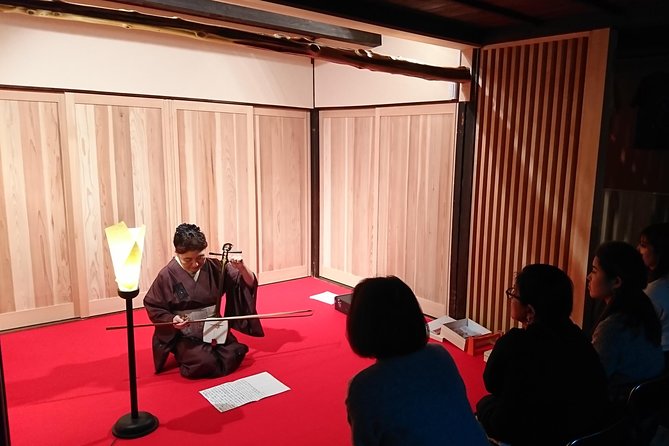
The most praised part of this experience is not just the playing. It is the personal exchange around the music.
The session can include information about the instruments and their background, followed by conversation with the teacher and koto player. That gives you a chance to ask about what you are hearing instead of leaving with only a vague impression that the music was beautiful.
There may also be an opportunity to try the instruments yourself. Children have been encouraged to play, and adults can take part as well. This hands-on moment changes the experience. Even a simple attempt helps you understand that the music is not produced by waving a hand over the strings. The position of the fingers, the pressure, and the timing all matter.
If you are visiting Kyoto with children, this is one of the most useful features. A child who might find a formal concert hard to follow can listen, ask questions, and then participate. The chance to touch the instruments gives the performance a clear ending and turns an abstract cultural lesson into something memorable.
It is worth keeping expectations sensible. Trying a koto or kokyu does not turn the session into a music lesson. The time is limited, and the main purpose remains the live performance. Still, the opportunity adds value, especially for families and anyone curious about how traditional Japanese music works.
The personal conversations can also make the hour feel less scripted. One particularly warm account included time spent talking with the performers and a family connection that made the afternoon feel personal. Another included a poem offered as a gift. You cannot plan those exact exchanges, but the private structure leaves room for them.
Same city, a different sound:
- Kyoto: Traditional Concert at Townhouse or Bathhouse
★ 4.9 · 224 reviews - Experience the Asakusa Kabuki Opera Show!
★ 5.0 · 99 reviews - Japanese Traditional Music Show in Tokyo
★ 5.0 · 72 reviews - Traditional Japanese Music show & Experience Tour in Kyoto
★ 5.0 · 57 reviews
What You Get for $57.23
At $57.23 per person, this is not the cheapest cultural activity in Kyoto. The price makes more sense if you compare it with the format rather than with a general museum admission.
You are paying for a private performance, a traditional setting, a seated experience, access to live Japanese instruments at close range, and the chance for questions or hands-on participation. If several people in your party are interested in music, the group discounts may improve the value.
For one person seeking a long concert, the price may feel high for an hour. For a family, couple, or small group that wants a personal cultural activity, the calculation is different. You are not buying only a seat. You are reserving an experience designed around your party.
The performance also avoids a common problem with short cultural shows: the sense that you have watched something polished but learned very little. Here, the explanations and instrument access give the hour more substance. You can leave knowing what the koto and kokyu sound like, how they are played, and why seeing them up close changes the experience.
The rating is 4.8 from four published ratings, with the most consistent praise directed toward the beautiful playing, friendly musicians, intimate room, instrument explanations, and chance to play. That pattern tells you what this activity does best. Its value lies in attention and access, not scale.
Who Will Enjoy This Most
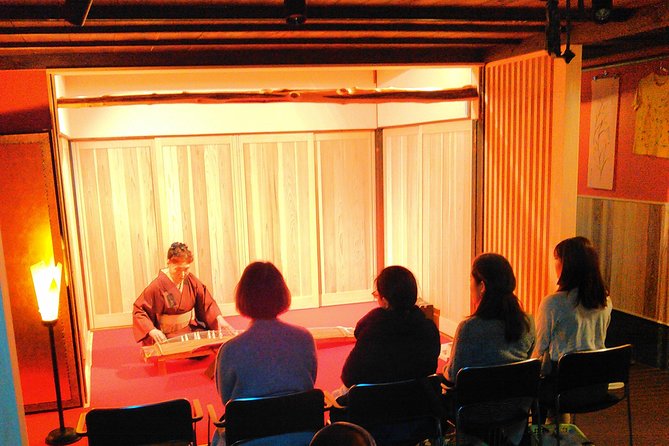
I would recommend this concert to several kinds of visitors.
Music lovers will appreciate hearing two traditional instruments in a small room. The close setting makes it easier to focus on tone, technique, and the difference between plucked and bowed strings.
Families with children have a strong reason to consider it. The music is only part of the session, and the chance to try the instruments can hold a child’s attention. The format also avoids the pressure of a large public concert.
First-time visitors to Japan can use this as a manageable introduction to traditional music. You do not need prior knowledge, and the explanations help put the performance in context.
Repeat visitors to Kyoto may find the townhouse setting more rewarding than another major sightseeing stop. It offers a quieter look at local culture and gives you a reason to visit a neighborhood setting rather than moving from one famous landmark to the next.
This may be less suitable if you want a grand, formal production, a large ensemble, or a long concert. It is also not the right pick if your schedule is so tight that you cannot spare a full hour plus transport time to Mibu.
Timing, Booking, and Practical Details
The experience lasts approximately one hour. Since confirmation is issued within 48 hours of booking and depends on availability, I would not leave this until the last minute if it is important to your schedule. It is booked, on average, nine days ahead, which is a useful hint for planning.
A mobile ticket is available, so you do not need to arrange a paper voucher. Service animals are allowed, and most people can participate. The venue is near public transportation, but the supplied information does not specify a particular station, route, or walking time. Check the map and address before setting out.
The performance is private, but the exact party size is not given. If you are booking for a larger group, ask about the group discount and confirm how many people the room can accommodate.
Cancellation is flexible if you act early. You can receive a full refund by canceling at least 24 hours before the local start time. Cancellations or changes made less than 24 hours before the start are not accepted for a refund.
A practical tip: arrive ready to listen, not rushed from another appointment. The experience is short, and the conversation and instrument demonstration are part of its appeal. If you spend the first part of the hour finding the address or settling in late, you lose a meaningful share of what you paid for.
A Good Cultural Pause in Kyoto
Kyoto can fill your days with temples, gardens, markets, and crowded lanes. This concert offers a change of pace. You sit down, listen carefully, and let a performer show you the sound of instruments that are easy to overlook if you only visit major sights.
I like that the setting and the music support each other. The townhouse gives the performance a sense of intimacy, while the koto and kokyu offer sounds you are unlikely to encounter in an ordinary concert schedule at home. The chance to ask questions and try the instruments gives the hour a personal finish.
The limitations are clear. The program is short, the price is above a basic sightseeing admission, and the experience is not designed as a full-scale concert. Yet those same limits help explain its appeal. This is a small, focused encounter rather than a grand production.
Should You Book the Private Japanese Music Concert?
Book it if you want a personal introduction to Japanese music, prefer a seated indoor activity, and value close contact with performers and instruments. It is especially well suited to families, small groups, and music lovers who want more than a performance viewed from a distance.
Skip it if you are looking for a long concert, a large ensemble, or a lower-cost activity with a broad public schedule. For the right audience, $57.23 buys a thoughtful hour in a Kyoto townhouse, with beautiful music, useful context, and a chance to make the instruments part of your own experience.
FAQ
Where does the private Japanese music concert take place?
It takes place at Kyomachiya Kiotto, located at 9-10 Mibu Hinokicho, Nakagyo Ward, Kyoto City.
How long is the concert?
The experience lasts approximately one hour.
Which instruments are performed?
The performance features the koto, a traditional Japanese string instrument often described as a Japanese harp, and the kokyu, a traditional bowed string instrument.
Is seating provided?
Yes. You can sit in a chair while enjoying the performance inside the renovated Kyomachiya.
Can children or adults try the instruments?
The experience can include an opportunity to try the instruments after the concert. Children have been encouraged to participate, and the activity can suit families.
What is the cancellation policy?
You can cancel at least 24 hours before the local start time for a full refund. Changes or cancellations made less than 24 hours before the start are not accepted for a refund.
Just added around Japan
- Tsugaru shamisen performance over traditional dinner★ 5.0 · 9 reviews
- Japanaese tradtional Tsugaru Shamisen music lesson in Tokyo★ 4.5 · 3 reviews
- Easy for everyone! Now you can play handmade mini shamisen and show off to everyone! Musical instruments, sweets and live music★ 5.0 · 3 reviews
- Traditional Japanese Music show & Experience Tour in Osaka★ 5.0 · 25 reviews
- Traditional Concert in Public bath near Kyoto Station★ 5.0 · 5 reviews
- Kyoto: Matcha & Traditional Japanese Music Immersive Experience★ 5.0 · 9 reviews
- Tokyo Underground Music Tours★ 5.0 · 9 reviews
- Kyoto: Kujo-yu Sento Traditional Japanese Instrument Concert★ 5.0 · 2 reviews
Kyoto Concerts, compared.
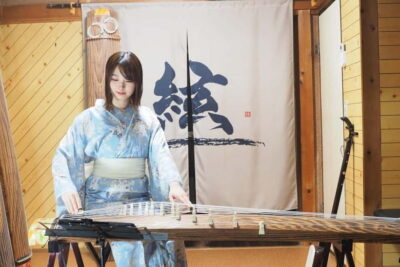
Kyoto: Traditional Concert at Townhouse or Bathhouse
Read our review →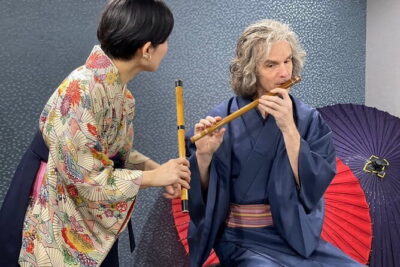
Traditional Japanese Music show & Experience Tour in Kyoto
Read our review →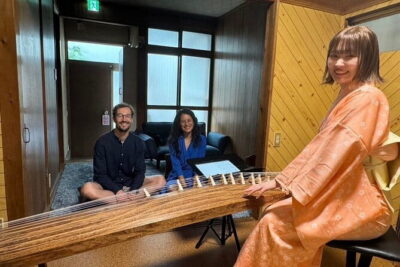
Concerts Played with Traditional Instruments in Kyoto
Read our review →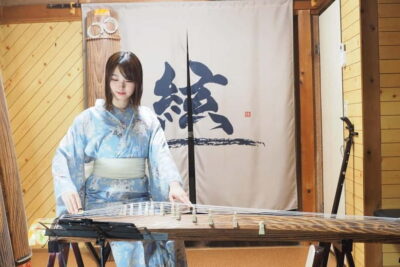
Kyoto: Japanese Koto & Shamisen Concert and Koto Class
Read our review →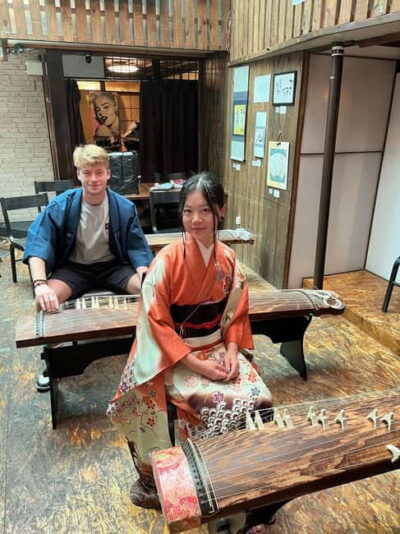
Kyoto: Matcha & Traditional Japanese Music Immersive Experience
Read our review →
Traditional Concert in Public bath near Kyoto Station
Read our review →
Kyoto: Kujo-yu Sento Traditional Japanese Instrument Concert
Read our review →Browse the lists this tour appears in