
Review · KYOTO
Kyoto: Kujo-yu Sento Traditional Japanese Instrument Concert
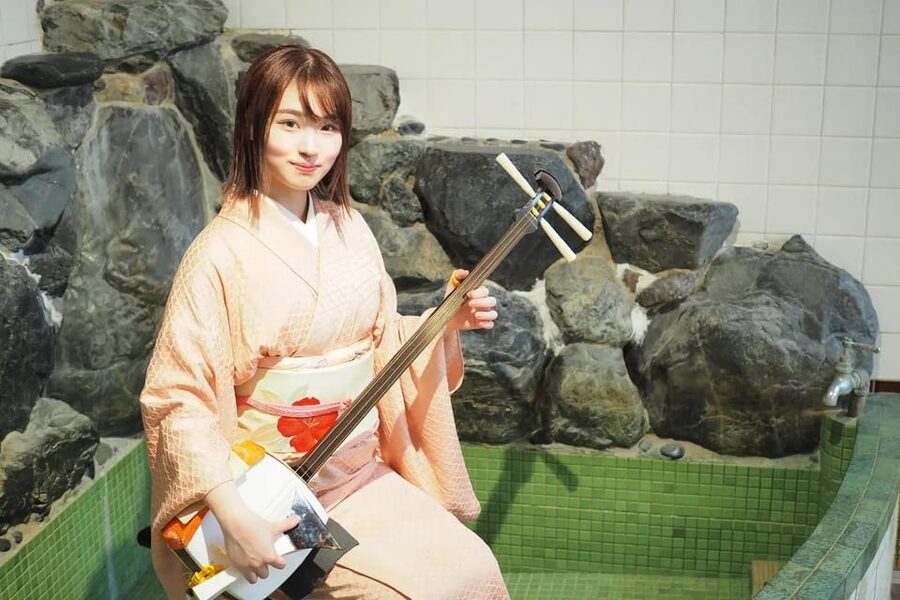
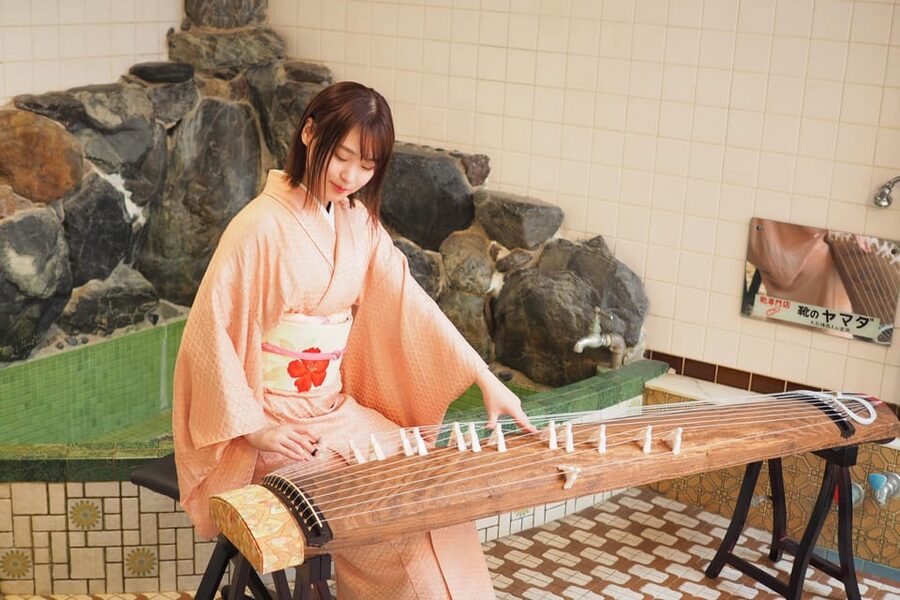
Kujo-yu turns a former neighborhood bathhouse into an intimate concert room, with koto and shamisen music echoing through the old bathing space. The unusual setting is the point: you hear the instruments in a room shaped by tile, wood, and open space rather than in a standard concert hall.
I like the warm, close-up atmosphere and the changing program, which can move from classical Japanese pieces to modern arrangements and original works. The main consideration is access: the venue is not suitable for wheelchair users, and the 50-minute concert is focused on listening rather than a broader bathhouse tour or cultural workshop.
Key points at a glance
- A concert in a renovated sento: Kujo-yu gives traditional music a setting tied to everyday neighborhood life.
- Two distinctive instruments: The koto brings bright, flowing tones, while the shamisen adds a sharper, more rhythmic sound.
- A 50-minute program: The short format fits neatly into an evening near Kyoto Station.
- Music that changes by season and performers: You may hear classical pieces, contemporary arrangements, and original compositions.
- Easy Kyoto connections: Kujo Station is one stop from Kyoto Station, with Fushimi Inari, Toji, Kiyomizu-dera, and Kyoto Tower within practical reach.
- A small but important access limit: The venue is not suitable for wheelchair users.
Why a Kyoto bathhouse makes an unusual concert room
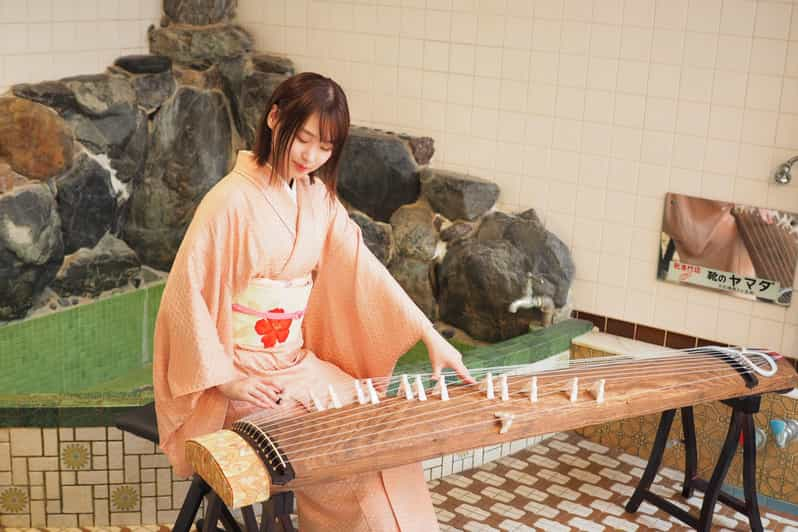
A sento is a public bathhouse, a place built for local daily life rather than formal performance. Kujo-yu has been renovated, but its identity as a bathhouse remains part of the experience. You are not simply attending a concert in a neutral room. You are hearing Japanese instruments in a space with its own past and character.
That setting changes how the music feels. The sound travels through the room and blends with the surrounding surfaces. The acoustics are specifically noted as one of the venue’s strengths, and the old bathhouse gives the performance a more personal quality than a large theater would.
I like this kind of cultural experience because it connects music to place. You hear the koto and shamisen not as museum objects, but as living instruments played in a building that once served the local community. It is a modest, focused way to encounter Kyoto, with none of the scale or formality of a major stage show.
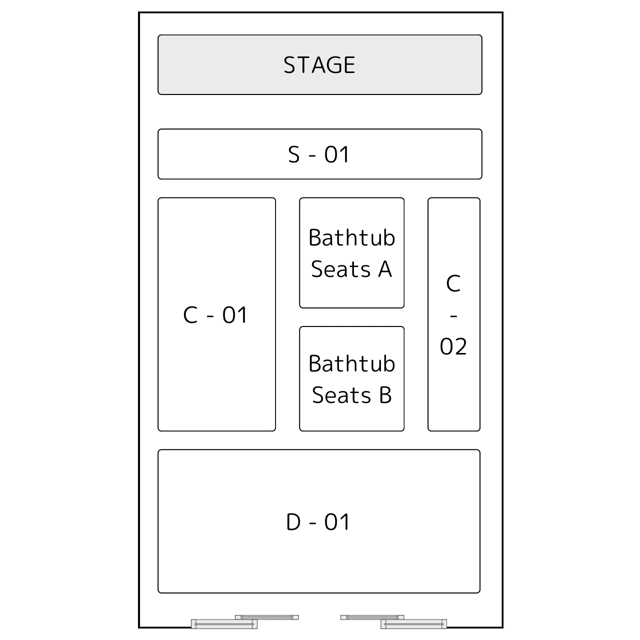
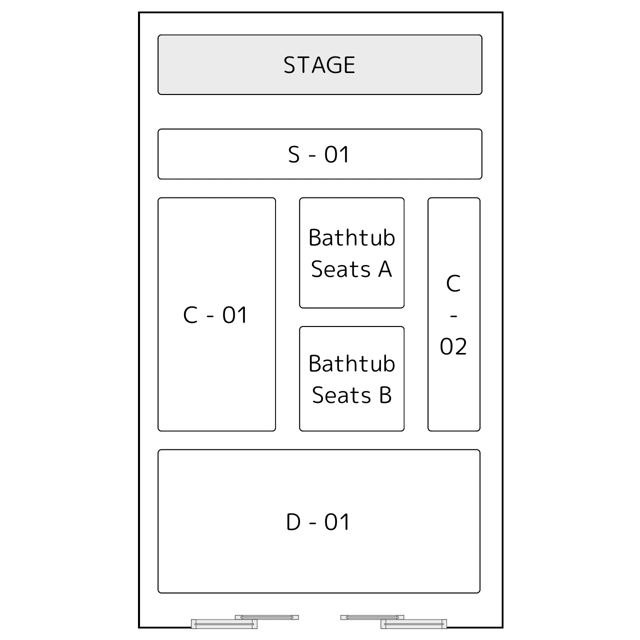
The room also creates a sense of closeness. The two musicians perform near the audience, making the details of the playing easier to appreciate. The atmosphere is warm and intimate, though the same intimacy may not suit you if you prefer a large concert venue with dramatic staging, formal seating, or a longer program.
More Traditional Music and Dance Shows in Japan:
- Kyoto: Traditional Concert at Townhouse or Bathhouse
★ 4.9 · 224 reviews - Japanese Traditional Music Show in Tokyo
★ 5.0 · 72 reviews - Traditional Japanese Music show & Experience Tour in Kyoto
★ 5.0 · 57 reviews
Hearing the koto and shamisen together
The concert centers on a koto player and a shamisen player. These instruments give you two very different musical voices.
The koto is a traditional Japanese string instrument with a clear, delicate sound. Its notes can feel fluid and spacious, especially in a quiet room. The shamisen, also a string instrument, has a more direct and percussive character. Together, the pair can create contrast: one sound seems to stretch across the room, while the other gives the music structure and bite.
You do not need a background in Japanese music to follow the performance. Instead, listen for the difference in tone, rhythm, and attack. The bathhouse acoustics help the individual sounds carry, so you can pay attention to how each instrument answers the other.
The program is not fixed to one narrow style. It can include classical Japanese masterpieces, contemporary arrangements, and original compositions. That variety matters. A concert made up only of older pieces might feel formal or distant to some listeners. Modern arrangements and new works give the performance a closer link to the present.
The program also changes with the season and the musicians. If you return to Kyoto and attend again, you may not hear the same sequence of pieces. That gives the experience a sense of occasion, though it also means you cannot choose the exact music in advance from the information provided.
What the 50-minute concert feels like
The performance lasts about 50 minutes. That is long enough to settle into the sound without taking over your evening.
I see the short length as a real advantage in Kyoto. You can plan the concert around dinner, an evening walk near Kyoto Station, or a visit to another nearby sight. It also works well after a full day of temples, when you may want something calm but still distinctly connected to Japanese culture.
Expect the focus to remain on the music. The attraction is the sound of the koto and shamisen, the room’s acoustics, and the closeness of the performance. This is not presented as a long guided tour of the building, and no meal, drink, or additional activity is included.
The English-speaking host or greeter is useful for basic orientation. The available information does not name the musicians or describe a long spoken introduction, so you should book this for the performance itself rather than for an English lecture about Japanese instruments.
The intimate format can make the concert feel like a special gathering. That is appealing if you enjoy quiet cultural events with a strong sense of place. Families can attend, and the experience also suits solo visitors and couples looking for something beyond Kyoto’s standard sightseeing circuit.
The music changes, so each visit can feel different
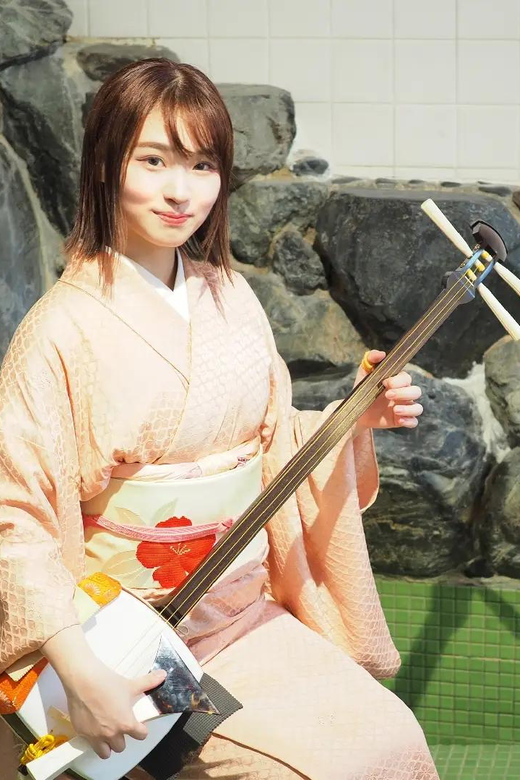
Kujo-yu does not promise one permanent set list. The repertoire changes according to the season and the performers. You might hear an established classical work, followed by a newer arrangement or an original composition.
That range is one of the strongest reasons to choose this concert. You get a clearer picture of how traditional instruments can work in more than one setting. The koto and shamisen are not limited to historical pieces. They can also be used in newer musical ideas.
The changing program does create one small uncertainty. If you are hoping to hear one specific composition, the available details do not identify the exact pieces in advance. Go with an open mind and treat the variety as part of the format.
The two available ratings are both five out of five. One German attendee described the performance as enchanting and singled out the unusual bathhouse acoustics. A Danish attendee also found the old bathhouse interesting and praised the skill of the two musicians and the fascinating music. Those comments point to the two central strengths here: the performers and the room work together.
A few more concerts around Japan worth a look
- Concerts Played with Traditional Instruments in Kyoto
★ 5.0 · 50 reviews - Kyoto: Japanese Koto & Shamisen Concert and Koto Class
★ 4.9 · 31 reviews - Traditional Japanese Music show & Experience Tour in Osaka
★ 5.0 · 25 reviews - Tokyo: Traditional Asakusa Music Show with Dinner
★ 5.0 · 10 reviews
Getting there from Kyoto Station
Kujo-yu is near Kyoto Station, making this easier to fit into a first visit than a concert on the city’s outer edge. Kujo Station is one stop from Kyoto Station, so you can combine the performance with time around Kyoto Tower and the station district.
The stated access time to Kyoto Tower and Kyoto Station is about 15 minutes by train and on foot. That estimate matters if you are planning dinner, shopping, or an evening view near the tower before or after the concert.
Fushimi Inari Taisha is about 2 kilometers away. A taxi takes roughly 10 to 15 minutes and costs just under ¥1,000. This pairing works especially well if you visit Fushimi Inari earlier in the day and then head to the concert. You avoid trying to squeeze the shrine and the performance into the same rushed hour.
Toji Temple is about 15 to 20 minutes from Kujo-yu by bus and on foot. Its five-story pagoda is one of Kyoto’s most recognizable sights, so it makes a natural daytime stop before an evening concert.
Kiyomizu-dera is about 30 minutes away by bus and on foot. That is still manageable, but I would not plan to hurry from the temple to the sento. Kiyomizu-dera involves walking and sightseeing, and the distance gives you less flexibility than the Kyoto Station or Fushimi Inari options.
How the $32 price holds up
At $32 per person, this is not a bargain-basement activity, but the price is reasonable for a dedicated 50-minute live performance in a distinctive historic setting. You are paying for the musicians, the venue, and the small-scale atmosphere rather than for transport, food, or a full-day tour.
The value is strongest if you already plan to be near Kyoto Station. You do not need to spend much extra time reaching the venue, and the concert can fill an evening without committing you to a long show.
The value is less clear if you want lots of explanation or several activities bundled together. Nothing additional is included beyond the traditional instrument concert and performance by the koto and shamisen players.
For me, the setting makes the cost easier to justify. A standard concert room could offer the same instruments, but not the same link between the music and a renovated sento. You are buying a concentrated cultural experience, not a checklist of attractions.
Who will enjoy Kujo-yu most
I would recommend this concert to you if you like music, old buildings, and experiences that feel different from the usual Kyoto schedule. It is particularly suitable for:
- Visitors who want a quiet evening activity near Kyoto Station
- People curious about Japanese instruments but not ready for a long formal concert
- Couples looking for a small cultural event
- Families interested in hearing traditional music in an unusual setting
- Repeat visitors who have already seen Kyoto’s best-known temples
- Solo visitors who enjoy focused performances
It may not be the right choice if you need wheelchair access. It may also disappoint you if you expect a bathing experience, since the venue is used here as a concert space, not as a public bath visit.
The 50-minute length helps families and people with busy itineraries. Still, young children who cannot sit quietly for a performance may find the format difficult. The supplied information does not give an age minimum, so you should check the booking details if age rules matter for your group.
A simple way to fit it into your day
One practical plan is to visit Fushimi Inari first. From there, allow about 10 to 15 minutes by taxi to reach the venue. The taxi cost should be just under ¥1,000 for the roughly 2-kilometer trip.
Another plan is to spend the afternoon around Kyoto Station and Kyoto Tower, then take the train toward Kujo Station. The station is only one stop from Kyoto Station, and the stated travel time to the area is about 15 minutes by train and on foot.
Toji Temple also works well as a daytime stop. Allow 15 to 20 minutes by bus and on foot from Kujo-yu, then build in enough time to see the pagoda without rushing.
Kiyomizu-dera is possible, but it needs more planning. At about 30 minutes by bus and on foot, it is better as part of a broader east Kyoto day rather than a last-minute stop before the music.
Starting times can vary, so check availability for the date you want. The provider offers free cancellation up to 24 hours before the activity for a full refund, and you can reserve now and pay later. Those terms are useful when your Kyoto schedule includes weather-sensitive temples or changing train plans.
Is this concert worth booking?
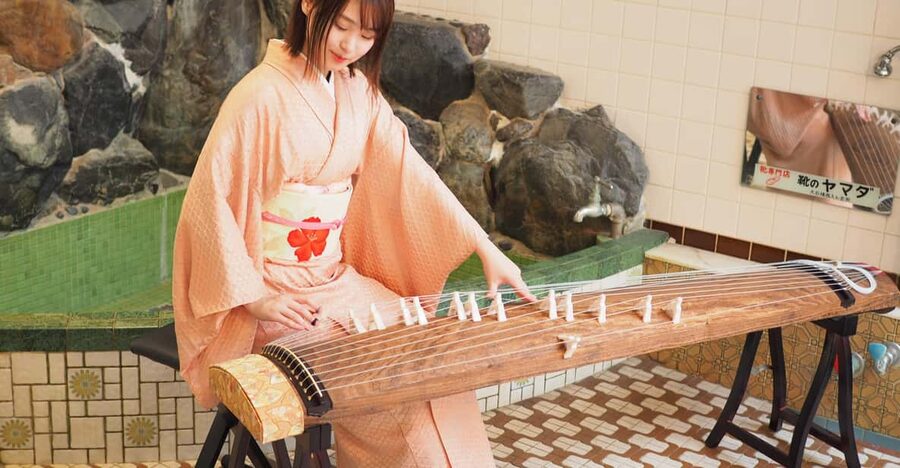
Book Kujo-yu if you want a short, atmospheric encounter with Japanese music and you value an unusual venue as much as the performance. The bathhouse setting, strong acoustics, skilled koto and shamisen playing, and changing program give the concert more character than a routine stage show.
Skip it if you need wheelchair access, want a longer cultural presentation, or expect a bathhouse visit rather than a concert. For most visitors staying near Kyoto Station, $32 is a fair price for 50 minutes of live music in a memorable room. I would place it on an evening when you want Kyoto to slow down a little.
FAQ
Where is the concert held?
The concert is held at Kujo-yu, a renovated sento, or traditional Japanese bathhouse, near Kyoto Station in Kyoto, Honshu, Japan.
How long does the concert last?
The concert lasts 50 minutes.
What instruments will be played?
You will hear the koto and shamisen, performed by two musicians.
What kind of music is included?
The program can include classical Japanese masterpieces, contemporary arrangements, and original compositions.
Does the program stay the same for every concert?
No. The repertoire changes according to the season and the performers, so each concert may offer a different program.
Is an English-speaking host available?
Yes. The activity lists an English-speaking host or greeter, and English is the available language.
How much does the experience cost?
The listed price is $32 per person.
Can wheelchair users attend?
No. The activity is not suitable for wheelchair users.
How close is the venue to nearby Kyoto sights?
Fushimi Inari Taisha is about 10 to 15 minutes away by taxi. Kyoto Station and Kyoto Tower are about 15 minutes away by train and on foot. Toji Temple is about 15 to 20 minutes away by bus and on foot, while Kiyomizu-dera is about 30 minutes away by bus and on foot.
Just added around Japan
- Tsugaru shamisen performance over traditional dinner★ 5.0 · 9 reviews
- Japanaese tradtional Tsugaru Shamisen music lesson in Tokyo★ 4.5 · 3 reviews
- Easy for everyone! Now you can play handmade mini shamisen and show off to everyone! Musical instruments, sweets and live music★ 5.0 · 3 reviews
- Traditional Japanese Music show & Experience Tour in Osaka★ 5.0 · 25 reviews
- Traditional Concert in Public bath near Kyoto Station★ 5.0 · 5 reviews
- Kyoto: Matcha & Traditional Japanese Music Immersive Experience★ 5.0 · 9 reviews
- Private Japanese music concert★ 5.0 · 4 reviews
- Tokyo Underground Music Tours★ 5.0 · 9 reviews
Kyoto Concerts, compared.
Kyoto: Traditional Concert at Townhouse or Bathhouse
Read our review →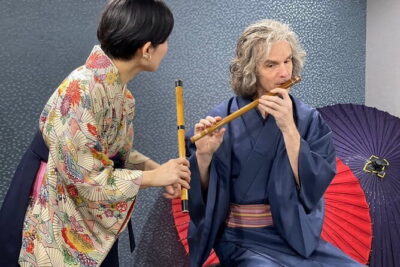
Traditional Japanese Music show & Experience Tour in Kyoto
Read our review →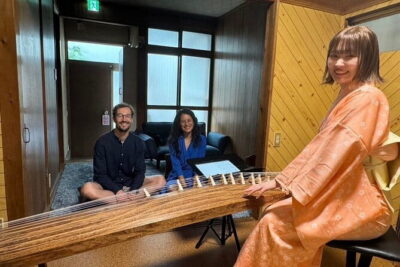
Concerts Played with Traditional Instruments in Kyoto
Read our review →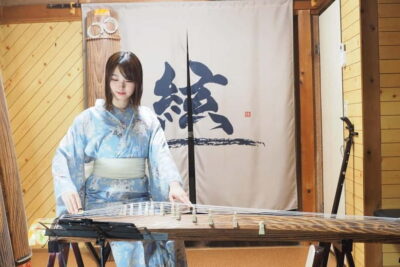
Kyoto: Japanese Koto & Shamisen Concert and Koto Class
Read our review →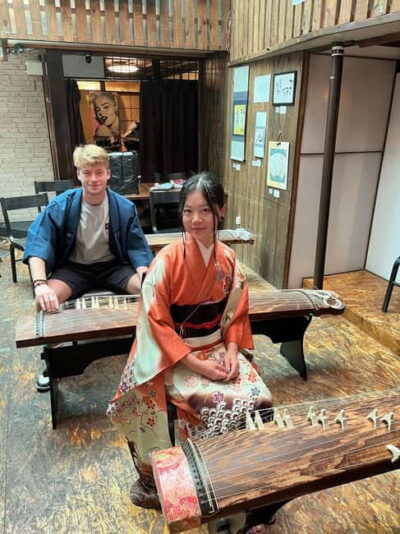
Kyoto: Matcha & Traditional Japanese Music Immersive Experience
Read our review →
Traditional Concert in Public bath near Kyoto Station
Read our review →
Browse the lists this tour appears in