
Review · JAPAN
Japanese Traditional Music Show in Tokyo
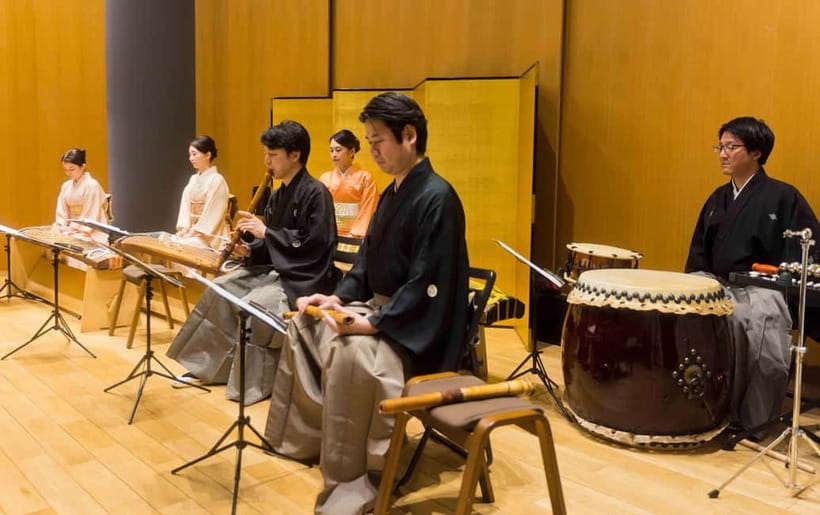
Tokyo has plenty of grand cultural sights, but this one-hour wagakki concert gives you something more direct: musicians in kimono playing koto, shamisen, shakuhachi, and taiko only a short distance away. Between pieces, the host explains how the instruments work and where the music comes from.
I like the small numbered audience, which keeps the performance personal, and I like that the program mixes ancient compositions with newer Japanese music and one unexpected Western pop cover. The main consideration is the short running time. This is an introduction, not a full evening of music, so you should book it for a focused cultural experience rather than a long concert.
Key points
- Four major wagakki in one program: Hear the koto, shamisen, shakuhachi flute, and taiko drums in a single performance.
- English explanations between pieces: The host translates and explains the instruments, music, and cultural background in English and Japanese.
- A close, limited-capacity setting: Reserved seating and a small audience put you near the musicians.
- Old music with a modern turn: The program combines historic Japanese pieces, newer traditional music, and a surprise Western hit.
- Photos are part of the experience: You can take pictures and videos during the show, then pose with the musicians afterward.
- Easy Harajuku access: Hall 60 is one minute from Meiji-Jingumae Station Exit 7 and about five minutes from JR Harajuku Station.
Four Japanese instruments, one compact Tokyo concert
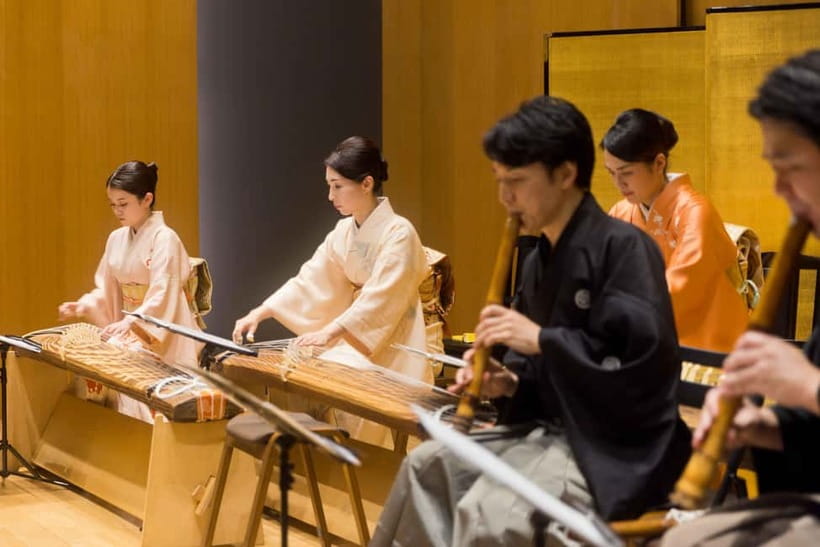
ZAKURO SHOW focuses on wagakki, the broad Japanese term for traditional Japanese instruments. In one sitting, you hear the bright, plucked sound of the koto, the more pointed tone of the shamisen, the breathy shakuhachi flute, and the physical force of taiko drums.
That range gives the hour a useful shape. You are not listening to one instrument for an extended stretch. Instead, the program lets you compare very different sounds and see how they can work together. The performance also shows that traditional music is not frozen in the past. Old pieces sit beside modern arrangements, and a Western pop cover gives you a playful way to hear familiar music through Japanese instruments.
I especially like this format for a first encounter with Japanese music. A formal concert can be beautiful but hard to follow if you do not know the instruments or the traditions behind them. Here, the explanations give you a way into what you are hearing.
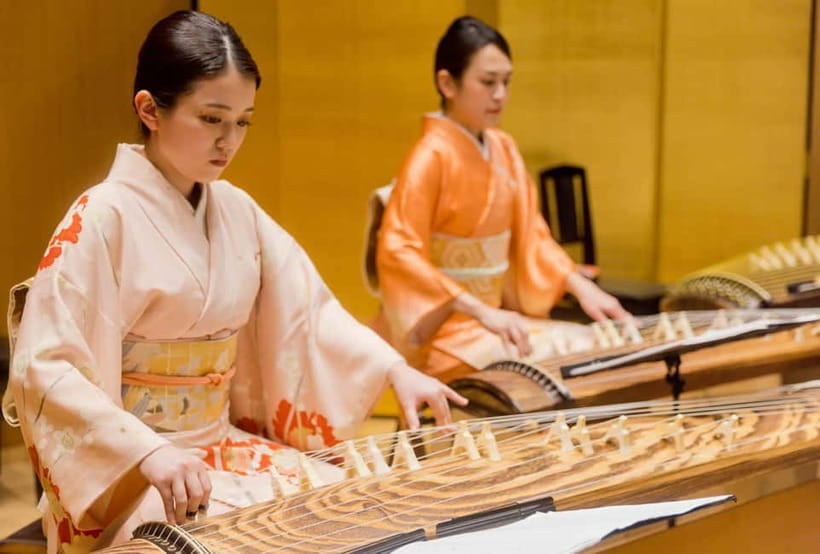
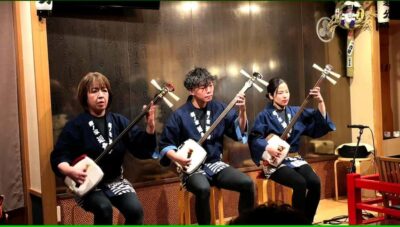
The musicians perform in kimono, and the instruments are placed right in front of the audience. That close view matters. You can watch the hand movements on the koto and shamisen, see how the shakuhachi is played, and feel the difference when the taiko brings a stronger rhythmic pulse to the room.
More Traditional Music and Dance Shows in Japan:
- Kyoto: Traditional Concert at Townhouse or Bathhouse
★ 4.9 · 224 reviews - Traditional Japanese Music show & Experience Tour in Kyoto
★ 5.0 · 57 reviews - Concerts Played with Traditional Instruments in Kyoto
★ 5.0 · 50 reviews
The show begins with context, not a lecture
The host does more than announce each number. The presentation explains the history of the instruments and gives context for the pieces, with information delivered in both Japanese and English. If you do not speak Japanese, you are not left to guess what you are hearing.
The balance is important. The educational part is placed between musical performances, so the event remains a concert rather than turning into a classroom talk. You get enough background to listen with greater awareness, then the musicians demonstrate the point through sound.
The English explanations have been singled out as clear and well timed. That is useful for families and mixed-language groups, especially when some people in your party are interested in music and others simply want a cultural activity that is easy to follow.
You will hear about how the instruments work, how they are made, and the history connected with them. The show also explains the pieces themselves. That extra information helps you notice details that might otherwise pass by, such as the contrast between the delicate koto and the much heavier sound of taiko.
How the instruments shape the hour
The koto, often described as a Japanese harp, is a long zither with strings played by plucking. Its sound can be delicate and clear, but it is not limited to quiet music. Listen for the way its notes can provide both melody and texture.
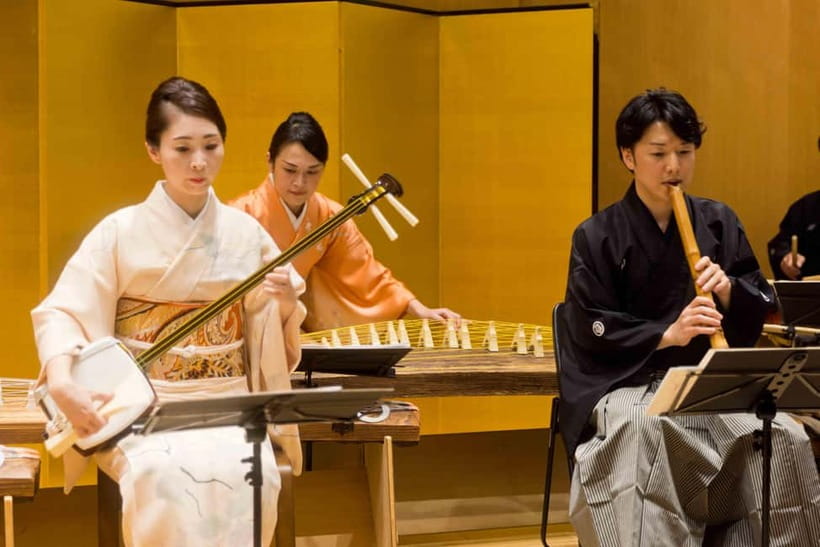
The shamisen is a three-stringed instrument with a distinctive, lively tone. It has a sharper character than the koto, and its sound helps show how different Japanese string instruments can be. The demonstrations are particularly helpful here because you can connect the explanation to the performer’s technique.
The shakuhachi is a bamboo flute. Its breath-driven sound brings a different mood to the program, with a tone that can feel airy and expressive. The contrast between the flute and the string instruments keeps the program moving.
The taiko drums supply the most physical sound of the group. Their strong rhythm gives the concert a change of pace and helps prevent the hour from feeling like one long, similar passage of music. Hearing all four instrument families together is one of the strongest reasons to choose this show.
Ancient pieces, modern music, and one surprise
The program is carefully selected to give you more than a sequence of unrelated songs. It includes ancient Japanese music, modern traditional music, and a Western hit arranged for Japanese instruments.
I would avoid looking up the surprise song before you go. Part of its value is the moment when you recognize a familiar melody in an entirely different sound world. It also provides a useful comparison: you can hear what makes the instruments Japanese even when the underlying song comes from outside Japan.
The older pieces provide the cultural foundation. The modern selections show that wagakki can still be used in new ways. This combination is one reason the show works for both serious music fans and people who simply want a memorable Tokyo activity.
You should not expect a complete survey of Japanese music. An hour cannot cover every regional style, historical period, or instrument. What it can do is give you a well-shaped introduction, with enough variety to help you decide what you might want to hear or learn about next.
A few more concerts around Japan worth a look
- Kyoto: Japanese Koto & Shamisen Concert and Koto Class
★ 4.9 · 31 reviews - Traditional Japanese Music show & Experience Tour in Osaka
★ 5.0 · 25 reviews - Tokyo: Traditional Asakusa Music Show with Dinner
★ 5.0 · 10 reviews - Traditional Concert in Public bath near Kyoto Station
★ 5.0 · 5 reviews
Why the small audience improves the experience
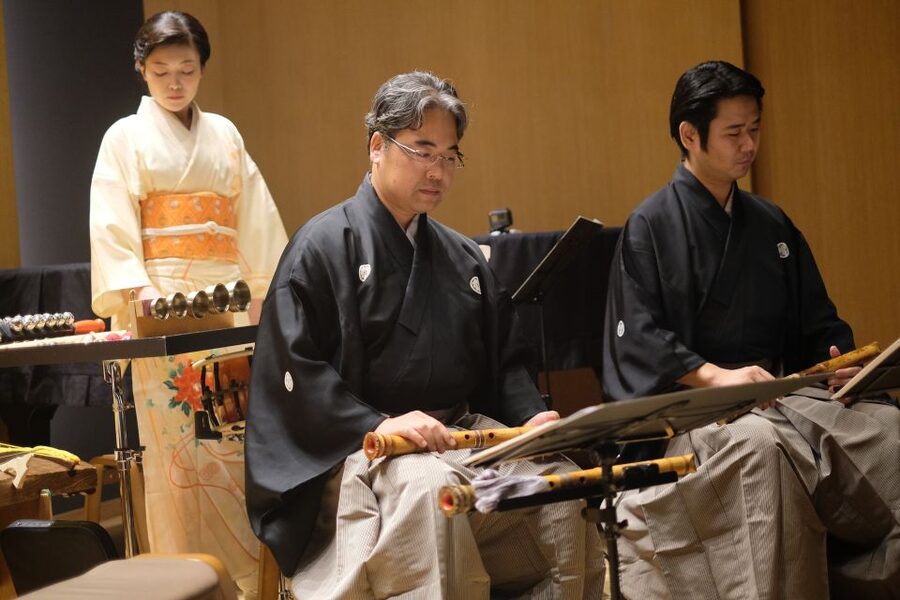
The venue uses reserved seats and a small numbered audience. That arrangement keeps you close to the performers and makes the presentation feel personal without requiring audience participation.
A smaller room also helps with the explanations. You are more likely to see the instruments clearly, and the host can keep the program focused. The setting is not designed as a huge stage spectacle. Its appeal is the direct view of the musicians and the chance to watch their technique at close range.
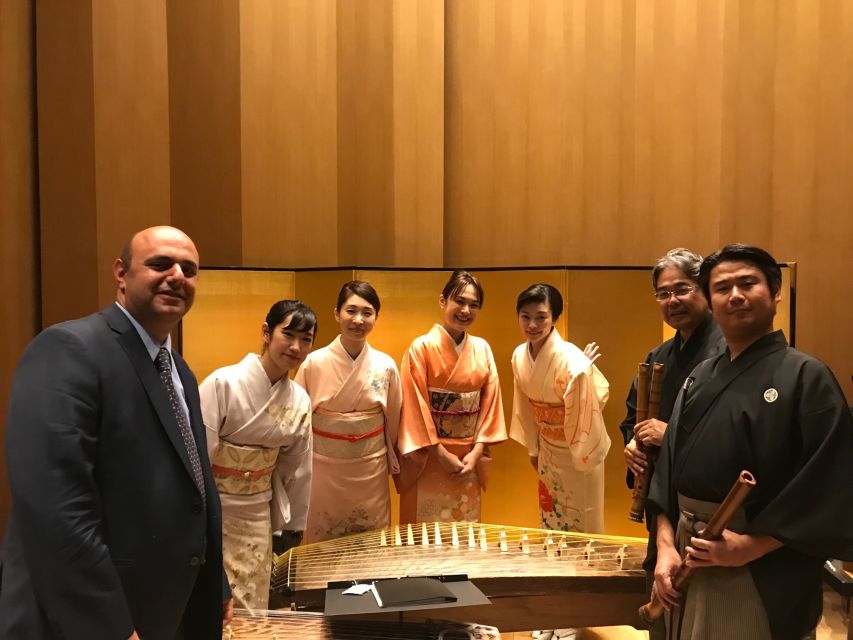
This intimacy is also a practical advantage for photographs. You can take pictures and videos during the performance, subject to normal consideration for the people around you, and you can take photos with the musicians after the concert. The post-show photo opportunity gives the event a friendly finish and is especially useful if you want a keepsake beyond a ticket stub.
If you prefer to keep your phone away during concerts, you can simply watch. If you are visiting with teenagers, the freedom to record parts of the show may help keep them engaged. One family found that their teenagers recorded the entire performance, which says something about how accessible the format can be for younger audiences.
Getting to Hall 60 in Harajuku
The meeting point is Hall 60, close to two well-known Tokyo rail stops. From Meiji-Jingumae Station, Exit 7, it is about a one-minute walk. From JR Harajuku Station, Omotesando Exit, allow about five minutes on foot.
That location makes the show easy to fit around a day in Harajuku or Omotesando. You can plan it as a cultural stop before dinner, after shopping, or as a break from the area’s louder streets. The activity itself lasts one hour, so it does not consume an entire afternoon or evening.
The listing provides starting times based on availability, so check the schedule before you plan the rest of your day. Your ticket includes entry, a reserved seat, and the full one-hour concert program. Food, drinks, merchandise, and transportation are not included.
There is no hotel pickup or drop-off. You make your own way to the hall, which is simple if you are already using Tokyo’s rail system but worth noting if you are trying to coordinate a large group.
Is $38 a fair price?
At $38 per person, this is not the cheapest short activity in Tokyo, but the price is reasonable if you want live music, an English explanation, reserved seating, and a close view of several traditional instruments in one package.
A standard sightseeing stop might introduce you to Japanese culture through architecture, food, or a museum display. This concert gives you a live performance and a guide to what you are seeing and hearing. The value is strongest for visitors who would otherwise struggle to find a traditional music performance that is easy to understand in English.
The hour-long format also has practical value. You are not committing to a half-day tour, and you do not need to arrange transport outside central Tokyo. For a family or couple, the cost can make sense as one planned cultural event during a larger Tokyo trip.
The price may feel less worthwhile if you already have tickets to a longer traditional music performance or if your main interest is only in taiko. This show covers several instruments and styles, so it is best suited to someone who wants variety and explanation rather than a single-specialty concert.
Who will enjoy ZAKURO SHOW most?
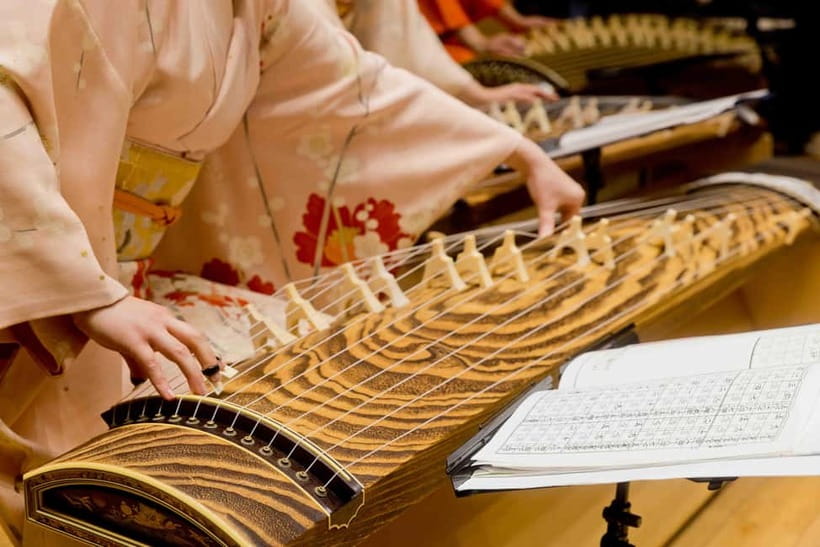
I would recommend this experience to first-time visitors who want a clear introduction to Japanese music without needing prior knowledge. The English and Japanese presentation makes it easy to follow, and the musical variety gives you a good sense of how different wagakki can sound.
It also suits:
- Couples looking for a cultural evening that takes only one hour
- Families with teenagers who appreciate visual demonstrations and the chance to record
- Music lovers curious about instruments they may not encounter at home
- Visitors who want an activity near Harajuku and Omotesando
- People who prefer a small venue to a large stage production
- Japanese residents or repeat visitors who want a concise traditional music program
You may want to choose something else if you need a long, formal concert or a meal-based experience. Food and drinks are not part of the ticket, and the program is designed as a compact introduction.
The show is wheelchair accessible. The host or greeter speaks English and Japanese, and the activity includes skip-the-ticket-line access.
A practical way to plan your visit
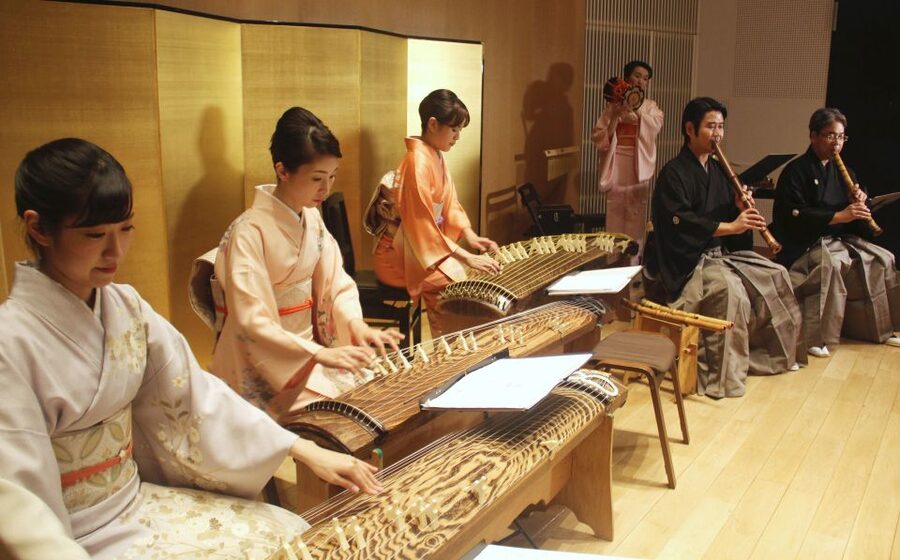
Give yourself enough time to reach Hall 60 from the station, especially if you are coming from another part of Tokyo. The meeting point is close to both stations, but Tokyo station areas can take a moment to navigate.
Keep your ticket time in mind when planning shopping or meals in Harajuku. Since the program lasts one hour, it works well as a fixed appointment in the middle of a flexible day. You can also pair it with nearby sightseeing, but allow yourself a calm arrival rather than running in at the last minute.
If you want photos, have your phone ready before the performance begins, but avoid letting photography distract you from the demonstrations. The chance to photograph the musicians afterward means you do not need to record every moment to preserve the memory.
The show offers free cancellation up to 24 hours before the start time, and you can reserve now and pay later. Those terms are useful when your Tokyo plans are still changing, but check the available start times before committing.
Should you book this traditional music show?
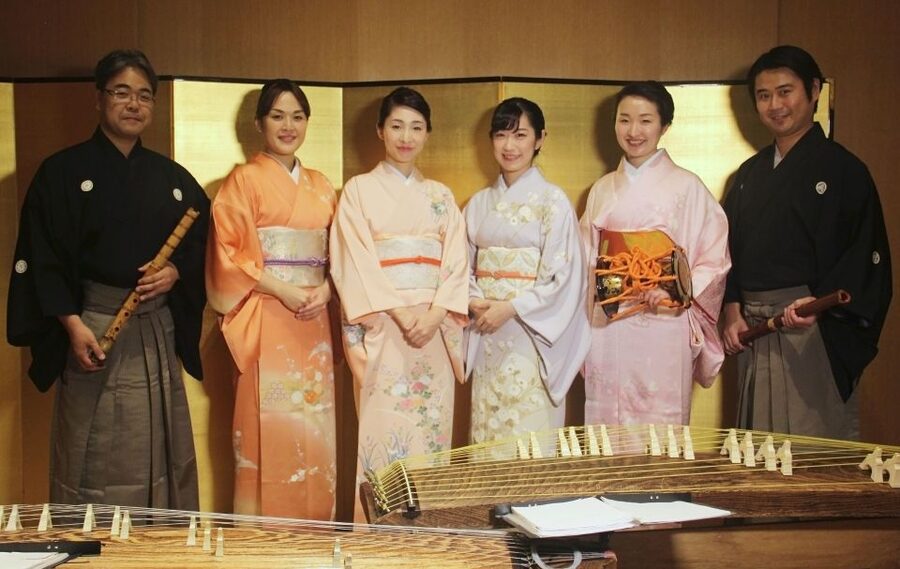
Book it if you want an approachable, well-explained introduction to Japanese instruments and prefer a close, intimate performance to a large production. The mix of koto, shamisen, shakuhachi, and taiko gives you plenty of variety, while the English guidance makes the music easier to understand.
I would especially choose it for a first visit to Tokyo, a family outing, or an evening near Harajuku. The one-hour length, central location, reserved seat, and photo opportunity make it simple to fit into a busy schedule.
Skip it only if you are looking for a long concert, food and drinks, or a performance focused on one instrument alone. For everyone else, $38 buys a focused cultural experience with real musical skill, useful context, and a fun surprise at the end.
FAQ
Where does the Japanese Traditional Music Show take place?
The show takes place at Hall 60 in Tokyo. It is a one-minute walk from Meiji-Jingumae Station Exit 7 and about a five-minute walk from JR Harajuku Station, Omotesando Exit.
How long does the concert last?
The concert program lasts one hour.
Which instruments are played?
The program features the koto, Japanese harp, shamisen, shakuhachi flute, and taiko drums.
Is the show available in English?
Yes. The host or greeter speaks English and Japanese, and the show includes English explanations and translation.
Can I take photos or videos?
Yes. You can take photos and videos during the show, and you can take photos with the musicians afterward.
What does the ticket include?
The ticket includes venue entry, a reserved seat, and the one-hour concert program. Food, drinks, merchandise, and hotel transportation are not included.
Is the activity wheelchair accessible?
Yes, the activity is wheelchair accessible.
Just added around Japan
- Tsugaru shamisen performance over traditional dinner★ 5.0 · 9 reviews
- Japanaese tradtional Tsugaru Shamisen music lesson in Tokyo★ 4.5 · 3 reviews
- Easy for everyone! Now you can play handmade mini shamisen and show off to everyone! Musical instruments, sweets and live music★ 5.0 · 3 reviews
- Traditional Japanese Music show & Experience Tour in Osaka★ 5.0 · 25 reviews
- Traditional Concert in Public bath near Kyoto Station★ 5.0 · 5 reviews
- Kyoto: Matcha & Traditional Japanese Music Immersive Experience★ 5.0 · 9 reviews
- Private Japanese music concert★ 5.0 · 4 reviews
- Tokyo Underground Music Tours★ 5.0 · 9 reviews
Japan Concerts, compared.
Kyoto: Traditional Concert at Townhouse or Bathhouse
Read our review →
Traditional Japanese Music show & Experience Tour in Kyoto
Read our review →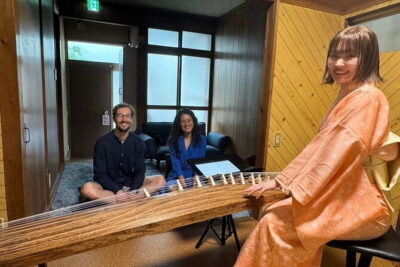
Concerts Played with Traditional Instruments in Kyoto
Read our review →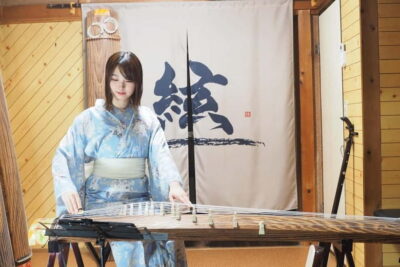
Kyoto: Japanese Koto & Shamisen Concert and Koto Class
Read our review →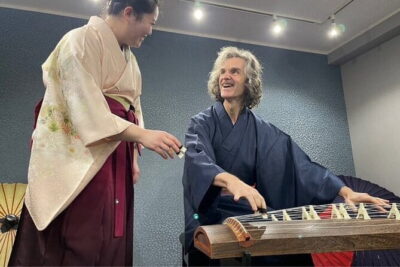
Traditional Japanese Music show & Experience Tour in Osaka
Read our review →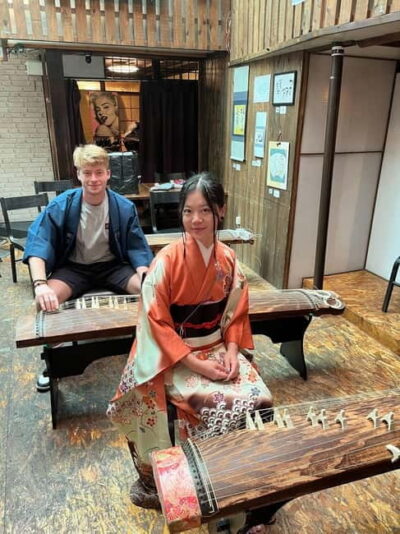
Tokyo: Traditional Asakusa Music Show with Dinner
Read our review →Browse the lists this tour appears in