
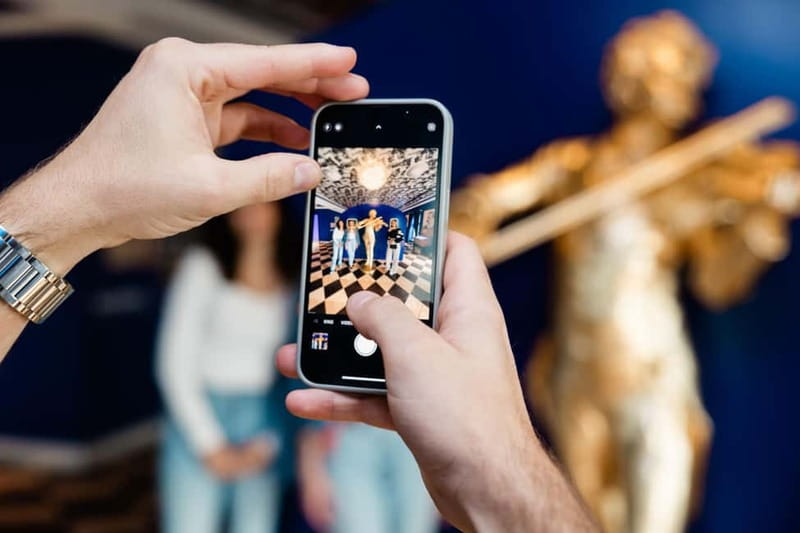
Review · VIENNA
Vienna: Strauss Museum – Music&History in Historic 1837 Hall
Vienna’s House of Strauss puts you inside the city’s waltz story, in the very concert hall where Johann Strauss I, Johann Strauss II, Josef Strauss, and Eduard Strauss once played. The setting is the restored Gartenpalais Zögernitz, and the final audiovisual concert gives the visit a strong finish.
I like two things right away: the museum is large enough to offer more than a few framed portraits, and the audio guide lets you set your own pace. I also like that the exhibits aim to make the Strauss family accessible to first-time classical music visitors, not just experts.
The main consideration is that this is a self-guided museum visit, not a traditional tour with a live guide leading you from room to room. The audio guide is available in English and German, but one part of the exhibition may feel less easy to follow if you do not read German.
Key points at a glance
- A real Strauss performance site: All four Strauss composers once played in the historic concert hall.
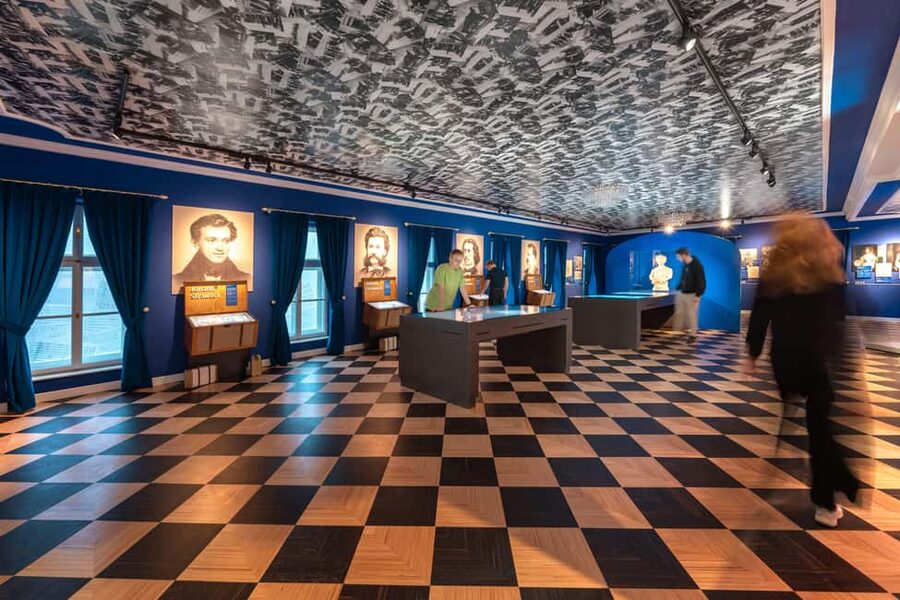
- 2,000 square metres to explore: The museum includes salons, archival material, interactive displays, and a private Strauss collection.
- A self-guided visit: English and German audio guides let you stop, listen, and move on at your own speed.
- A memorable finale: The original concert hall hosts a multimedia show focused on Johann Strauss Jr.
- Good for mixed-age groups: The playful displays and music make the visit approachable for children and adults.
- Useful practical terms: Entry costs $22 per person, lasts for one day, and includes the exhibition, concert hall, multimedia show, and audio guide.
Entering the 1837 Gartenpalais Zögernitz
The first pleasure here is the building itself. The House of Strauss occupies the Gartenpalais Zögernitz, a historic venue dating from 1837 that has been restored for public use. You are not simply looking at objects connected with Vienna’s music scene. You are visiting a place where the Strauss family performed for Viennese high society.
That setting gives the museum a clear advantage over a standard display in a modern gallery. The polished rooms and old concert hall help you picture the social world in which waltzes, polkas, and other dance pieces became fashionable.
The experience is designed as a walk through the building rather than a fixed show with one departure time. You can use the supplied audio guide in English or German, pause when something catches your eye, and spend less time on material that does not interest you.
A host or greeter is available in English and German, but the core of the visit is self-guided. That distinction matters. If you want a personal expert explaining every room, this will not replace a private music-history tour. If you prefer freedom and quiet time with the displays, the format works well.
More Classical Concerts in Austria
- Vienna: Vivaldi’s Four Seasons Concert in Karlskirche
★ 4.7 · 14,951 reviews - Vienna: Classical Concert in the World-Famous Musikverein
★ 4.6 · 6,673 reviews - Vienna: Mozart Concert at the Musikverein – Golden Hall
★ 4.6 · 5,194 reviews
Meeting the four Strauss composers
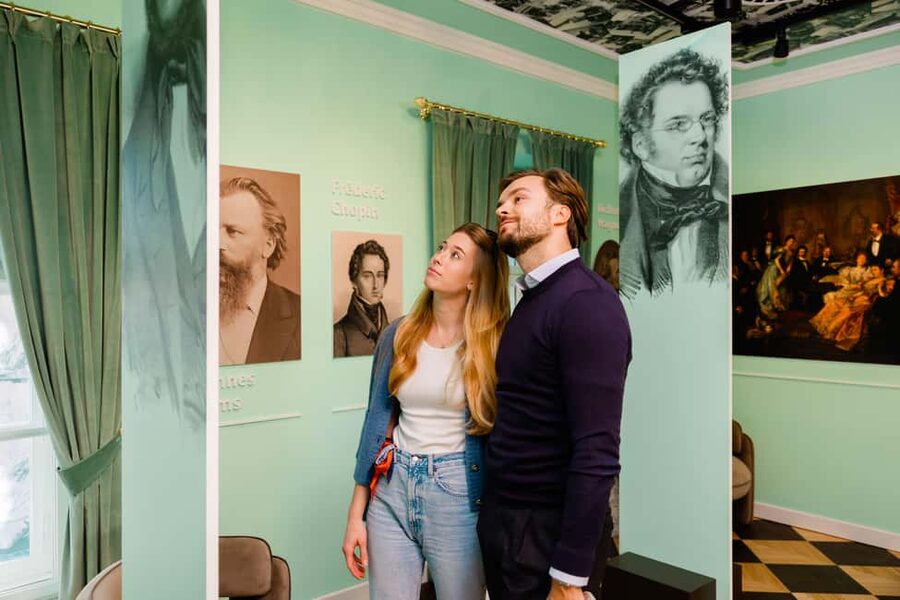
The museum’s central subject is the Strauss dynasty, not just Johann Strauss Jr. The family story includes Johann Strauss I, Johann Strauss II, Josef Strauss, and Eduard Strauss, all of whom performed in the concert hall.
That family focus helps explain why Vienna’s musical identity is more complicated than the familiar image of one famous waltz composer. The name Strauss passed through several generations, with different personalities and careers tied to the city’s entertainment world.
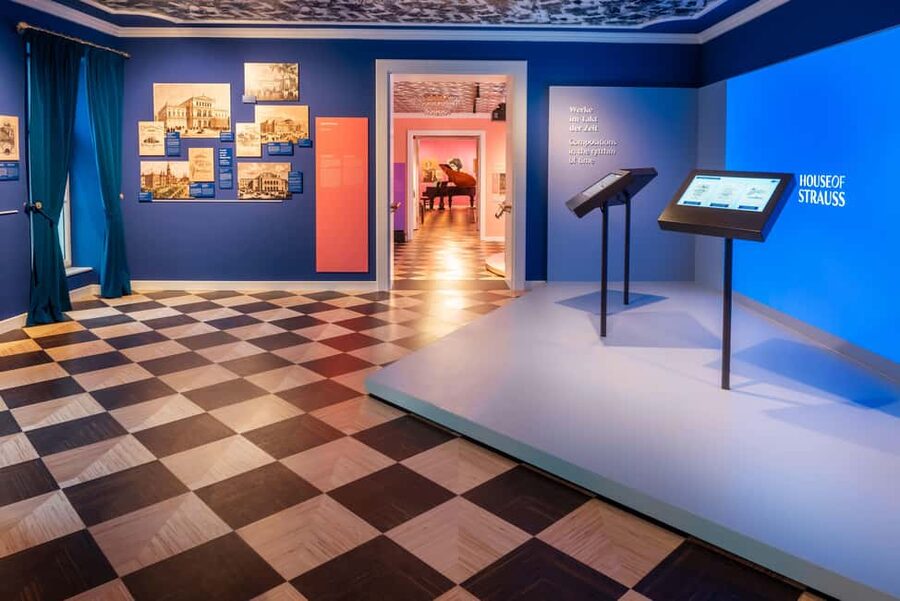
You will find material connected with the family’s lives and work, supported by rare archival pieces and displays from the world’s largest private Strauss collection. The point is not only to admire famous names. It is to see how music, performance, family reputation, and Vienna’s social life fit together.
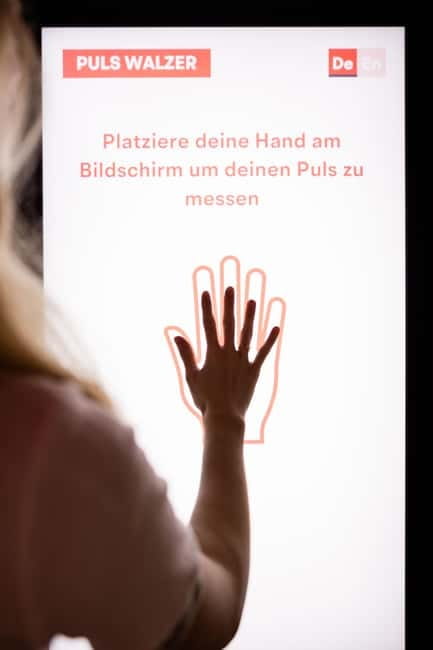
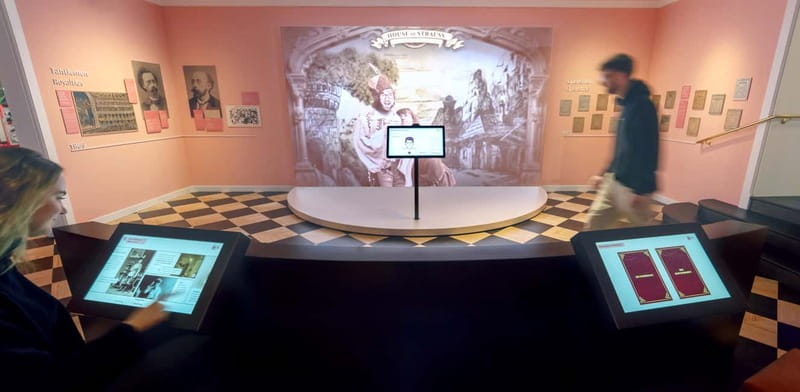
The exhibition has an interactive style, which makes it a practical choice if you are visiting with children or with someone who is not already fond of classical music. One recent French-language comment described the museum as both educational and playful for all ages. That is a fair way to think about it: the experience gives you information, but it does not require you to read a dry wall of text in every room.
Moving through 2,000 square metres of exhibits
The House of Strauss spreads across about 2,000 square metres. That is enough space for a proper museum visit, rather than a quick stop that takes 20 minutes and leaves you wondering if you missed something.
The route includes preserved salons, interactive material, historical displays, and archival documents. Music by Strauss, Joseph Lanner, and Carl Michael Ziehrer accompanies parts of the visit, helping connect the objects to the sounds of nineteenth-century Vienna.
I recommend using the audio guide rather than rushing from room to room. Music history can become a list of dates and names when you view it silently. The audio content gives the material a clearer shape and helps you understand why the Strauss family matters to Vienna.
The museum does not provide a named live guide, so you should expect the audio guide to carry most of the explanation. One useful detail is that the audio guide is offered in English and German. At the same time, some written support may not be available in English throughout the exhibition. If you are most comfortable in English, listen carefully to the app and do not assume every display will have a full English summary.
This is also a place where your interest level will affect the visit. A serious classical music fan could spend time with the family story and archival material. A casual visitor can focus on the music, rooms, and interactive sections without trying to memorize every composer and date.
The Strauss Concert Hall and its historic setting
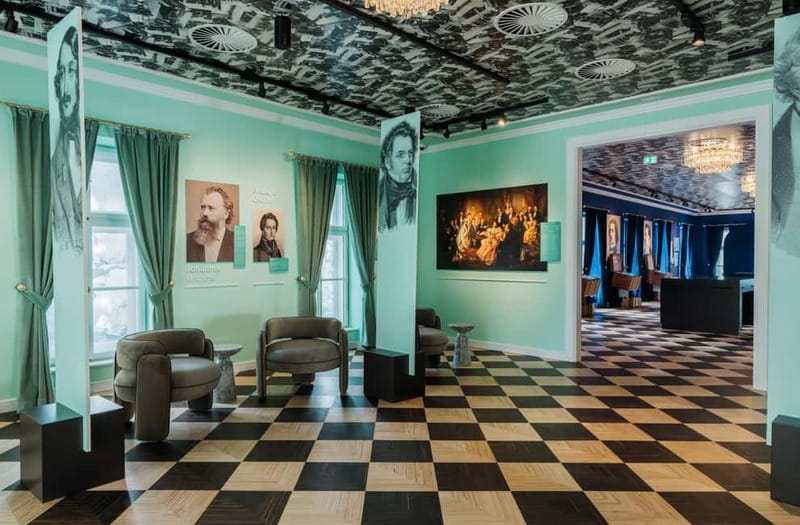
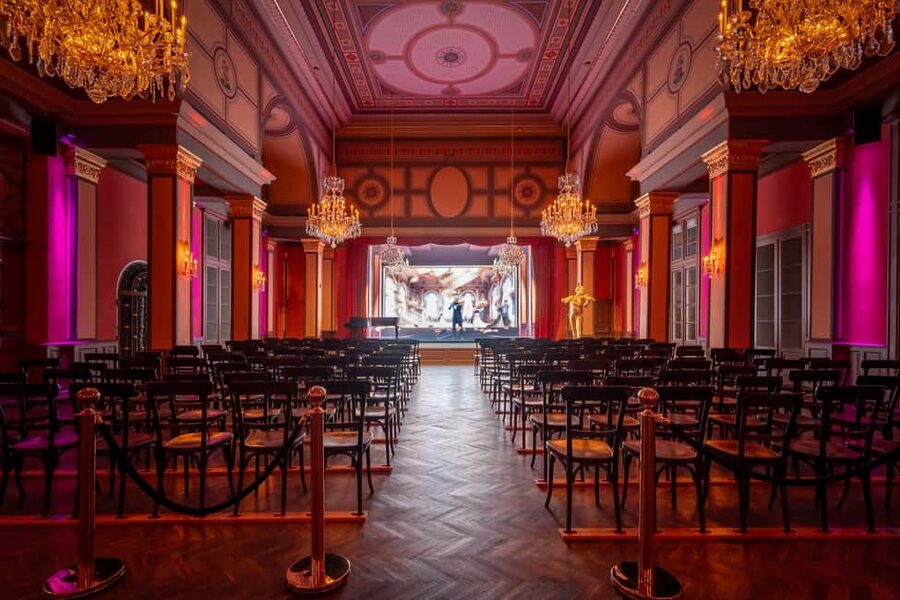
The concert hall is the emotional center of the museum. It is the original space where the four Strauss family members performed, and it gives the visit a physical link to Vienna’s concert tradition.
You may find the hall more meaningful after seeing the exhibition first. The displays provide context, while the room itself gives that context a sense of place. Instead of hearing only that the Strauss family played in Vienna, you are standing in the same historic venue associated with their performances.
The hall also hosts the multimedia finale. This is not a standard live concert with musicians on stage. It is an audiovisual presentation built around Johann Strauss Jr., using music, light, and projection.
That distinction is worth knowing before you book. If you want a full evening of live orchestral music, you should choose a separate concert. If you want a visual and musical conclusion to a museum visit, the presentation adds something special.
The virtual concert is a particular highlight for many people, and it gives the experience a stronger ending than a typical museum exit through a gift shop. The show celebrates the Waltz King in a way that ties together the exhibition, the building, and Vienna’s musical image.
More Classical Concerts in Vienna
- Vienna: Classical Concert in St. Anne’s Church (Annakirche)
★ 4.6 · 3,414 reviews - Vienna: Mozart and Strauss Concert at Schönbrunn
★ 4.5 · 2,967 reviews - Vienna: Classical Concert at Mozart’s First House
2,423 reviews - Vienna Classical Concert at St. Peter’s Church
★ 4.5 · 2,039 reviews
Why the multimedia finale works
Museum technology can sometimes feel like decoration. Here, the multimedia show has a clear job: it brings Johann Strauss Jr. back into the center of the visit after you have learned about the wider family.
The combination of projection, lighting, and Strauss’s music creates a more emotional finish than a final display case would. You can sit back and listen rather than study another panel. For visitors who are not used to classical music museums, this may be the moment when the subject becomes memorable.
The show also helps balance the self-guided format. You spend much of the visit controlling your own pace, reading, listening, and moving through the rooms. The finale gathers everyone into a shared presentation in the original hall.
I would not book this experience solely for the multimedia show, since the exhibition is a substantial part of the visit. But I would consider the finale a major reason the $22 price feels reasonable, especially if you enjoy music, visual presentations, or historic interiors.
Is $22 a fair price?
At $22 per person, admission includes the House of Strauss exhibition, the historic concert hall, the multimedia concert show, and the audio guide. You are paying for a museum visit and a performance-style finale, not just entry to a small collection.
The value depends on how much time you give it. If you hurry through the rooms, skip the audio guide, and treat the show as a quick photo stop, the price may feel high. If you listen to the material, examine the archival pieces, and stay for the final presentation, the ticket offers a fuller half-day-style cultural stop, though the exact visit length is not fixed.
There is no pickup or drop-off, so you are paying for admission only. That keeps the format simple, but you will need to make your own way to the House of Strauss.
The activity is valid for one day and offers free cancellation up to 24 hours before the visit. You can also reserve and pay later, which is useful if your Vienna schedule is still changing. Starting times depend on availability, so check the current time options before committing the visit to a particular day.
Who will enjoy the House of Strauss most?
I would recommend this experience to several kinds of visitors:
- Music lovers who want a place tied directly to the Strauss family.
- History fans who enjoy archival material and preserved interiors.
- Families looking for a museum with sound, images, and interactive displays.
- First-time Vienna visitors who want an introduction to the city’s waltz tradition.
- Independent sightseers who prefer an audio guide over a scheduled group tour.
- Visitors with mobility needs, since the museum is wheelchair accessible.
It is less suited to someone who wants a live orchestra, a named specialist guide, or a short attraction that can be finished in a few minutes. It is also not ideal if you need every piece of written information in English. The audio guide helps, but the written material may not always provide the same level of English support.
The music itself may be familiar even if you do not know much about classical concerts. That makes the House of Strauss a useful choice for a mixed group, since one person can focus on the family history while another simply enjoys the compositions and visual show.
Practical advice for your visit
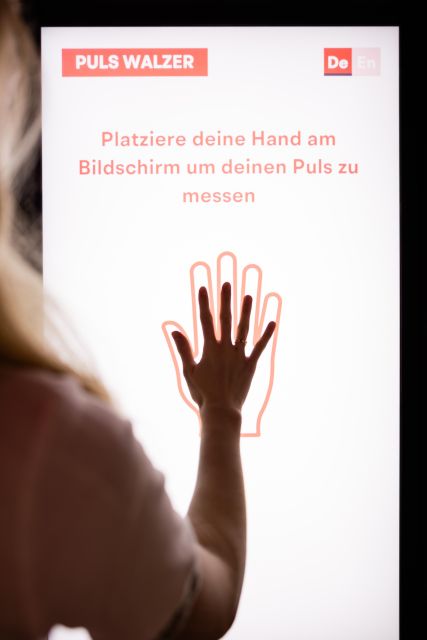
Plan your visit around the multimedia presentation rather than treating it as an optional extra. The finale is part of the experience, and arriving with enough time to explore the exhibition first will make the concert hall presentation more satisfying.
Bring headphones if the audio guide app requires them or if you prefer not to hold your phone close to your ear. The supplied information confirms that the audio guide is included, but it does not specify the exact device or headphone arrangement, so checking at entry is sensible.
Give yourself time in the salons and archival sections. The museum covers a large area, and the displays are meant to be explored rather than glanced at. If you are visiting with children, the interactive elements can keep the subject from feeling too formal.
English and German are the working languages for the host and audio guide. If you speak neither language, this may not be the best museum choice, since no other guide language is listed.
The experience does not include transportation. You should also remember that this is a one-day admission rather than a multi-day pass. Book the date that fits your Vienna plans and check the available start times.
Should you book the House of Strauss?
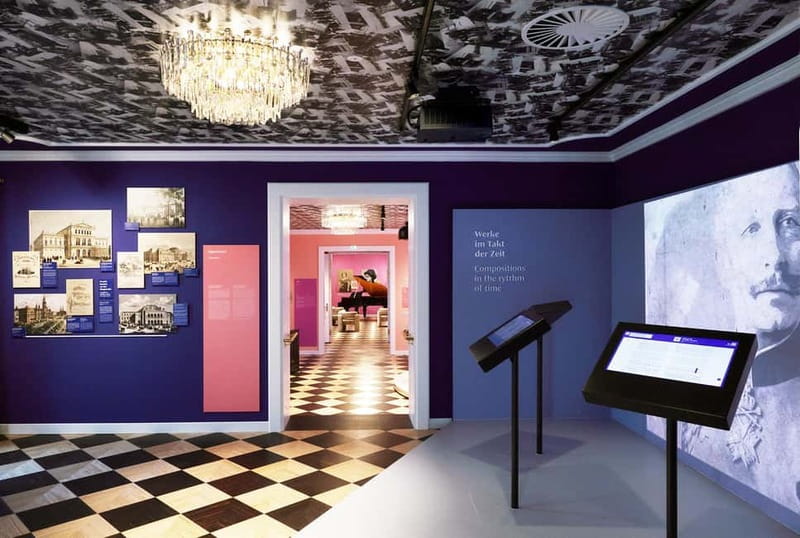
Book it if you want a self-guided cultural visit with a real connection to Vienna’s music scene. The historic 1837 concert hall, four-generation Strauss story, substantial exhibition space, and multimedia finale give the experience more weight than a basic composer museum.
I would especially choose it for a rainy afternoon, a family outing, or a first visit to Vienna when you want context for the city’s waltz tradition. The $22 ticket is sensible if you use the audio guide and stay for the final show.
Skip it if your main goal is a live orchestral concert or a fully guided tour. In that case, the House of Strauss may feel too independent. For everyone else, it offers a clear, entertaining way to meet the Strauss family in the very place where their music once filled the hall.
FAQ
Where is the House of Strauss located?
The House of Strauss is located in Vienna, Austria, inside the restored Gartenpalais Zögernitz.
What does admission include?
Admission includes entry to the House of Strauss Exhibition, the Strauss Concert Hall, the multimedia concert show, and the audio guide.
Is the experience guided by a live tour leader?
The visit is self-guided with an audio guide. A host or greeter is available in English and German, but there is no traditional live guide leading the full visit.
Which languages are available?
The audio guide and host or greeter are available in English and German.
Is the museum wheelchair accessible?
Yes, the House of Strauss is wheelchair accessible.
Can I cancel my booking?
Yes. You can cancel up to 24 hours in advance for a full refund. The activity also allows you to reserve now and pay later.
More Heritage Tours in Vienna
- Vienna Mozart Concert in Historical Costumes at the Musikverein
★ 4.5 · 888 reviews - Vienna Classical Concert – Strauss in Historic 1837 Hall
★ 5.0 · 136 reviews - Vienna State Opera House Mozart Concert in Historical Costumes
★ 4.0 · 120 reviews - Vienna: Classical Concert in the historic 1837 Strauss-Hall
★ 4.5 · 39 reviews
More Museum Visits in Vienna
- Vienna: Classical Concert at Mozarthaus with Museum Entry
★ 4.8 · 371 reviews - Strauss Exhibition incl. LED Concert Show / Coffee + Strauss Cake
★ 5.0 · 30 reviews - Vienna: House of Strauss Museum Entry Ticket
★ 5.0 · 22 reviews - Mozarthaus Vienna Summer Concert with Museum Entry
★ 4.0 · 10 reviews
Just added around Vienna
- Vienna’s Musical Heart: Private Walking Tour with a Local★ 5.0 · 2 reviews
- Vienna: Concert by the Vienna Baroque Orchestra★ 4.6 · 56 reviews
- Vienna Supreme Orchestra at Palais Niederösterreich★ 4.8 · 10 reviews
- Vienna: Sunday Brunch Danube Cruise & Live Music★ 4.2 · 42 reviews
- Vienna Private Walking Tour including State Opera★ 3.2 · 7 reviews
- Vienna: Romantic Classics Piano, Violin, and Cello Concert★ 4.7 · 60 reviews
- Vienna: Private Music Tour★ 5.0 · 8 reviews
- Vienna: Mozart, Beethoven, & Strauss Private Tour★ 5.0 · 4 reviews
Vienna Concerts, compared.
Vienna: Vivaldi’s Four Seasons Concert in Karlskirche
Read our review →
Vienna: Mozart Concert at the Musikverein – Golden Hall
Read our review →
Vienna: Classical Concert in St. Anne’s Church (Annakirche)
Read our review →
Vienna: Mozart and Strauss Concert at Schönbrunn
Read our review →
Vienna: Tickets for Mozarthaus Vienna with Audio Guide
Read our review →
Vienna Classical Concert at St. Peter’s Church
Read our review →Vienna: Classical Concert in St. Anne’s Church (Annakirche)
Read our review →Browse the lists this tour appears in