Review · VIENNA
Vienna: Classical Concert in St. Anne’s Church (Annakirche)
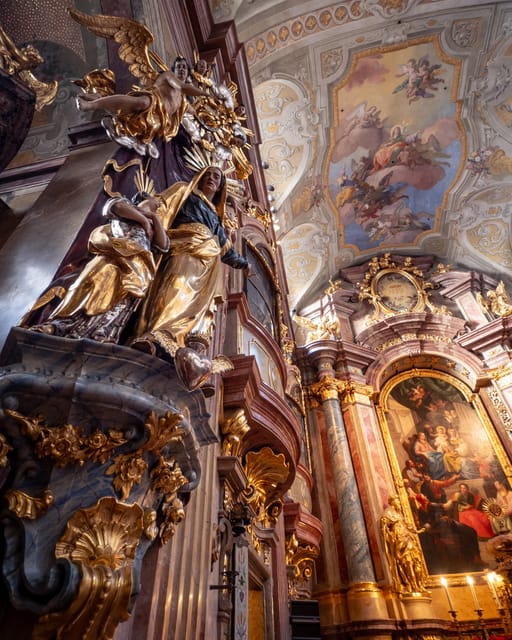
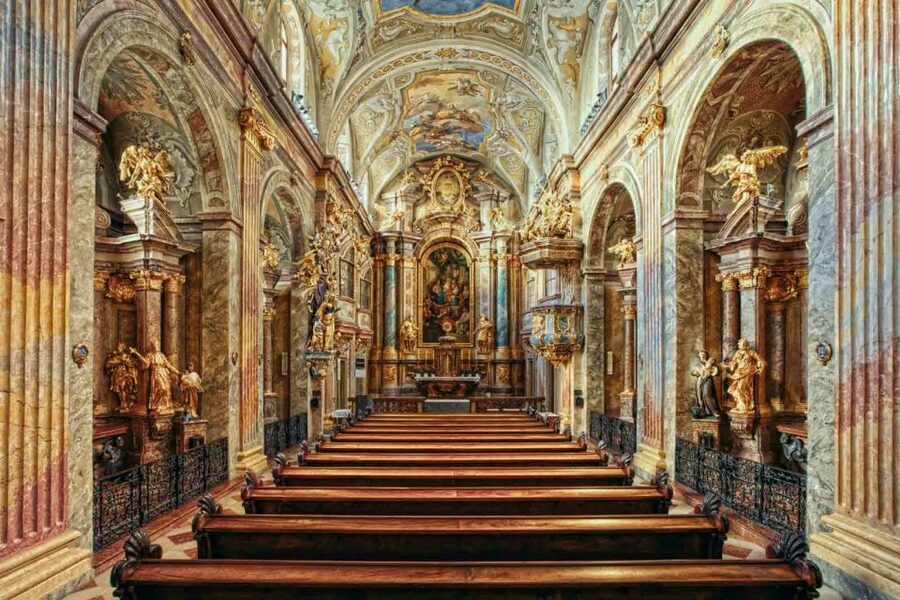
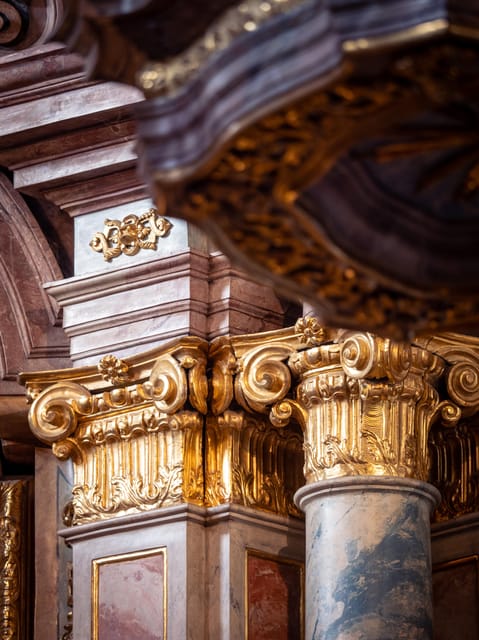
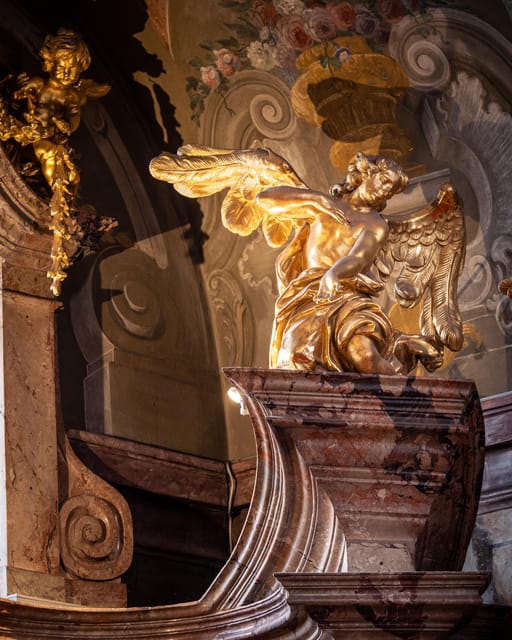
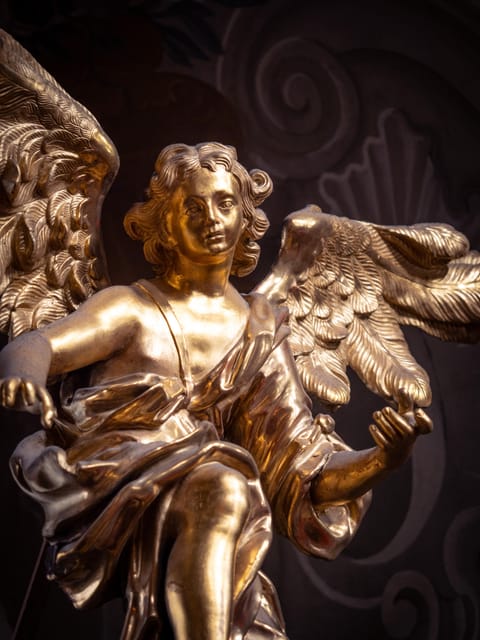
St. Anne’s Church turns a classical concert into a full evening out: you hear a skilled string ensemble while gold ornament, blue marble balconies, and Baroque details rise around you. I like the intimate scale and the use of period instruments, which give Mozart, Haydn, Beethoven, and Schubert a sound suited to Vienna’s musical past.
I also like the price, $38 for 70 minutes, and the easy location three minutes from the Vienna State Opera. The main catch is free seating. Arrive 30 to 40 minutes early if you want a front seat, and note that the church can feel warm in summer.
Key points before you book
- Period instruments bring an older Viennese sound: The ensemble plays music from the Classical Era on instruments modeled on those used in Mozart and Schubert’s time.
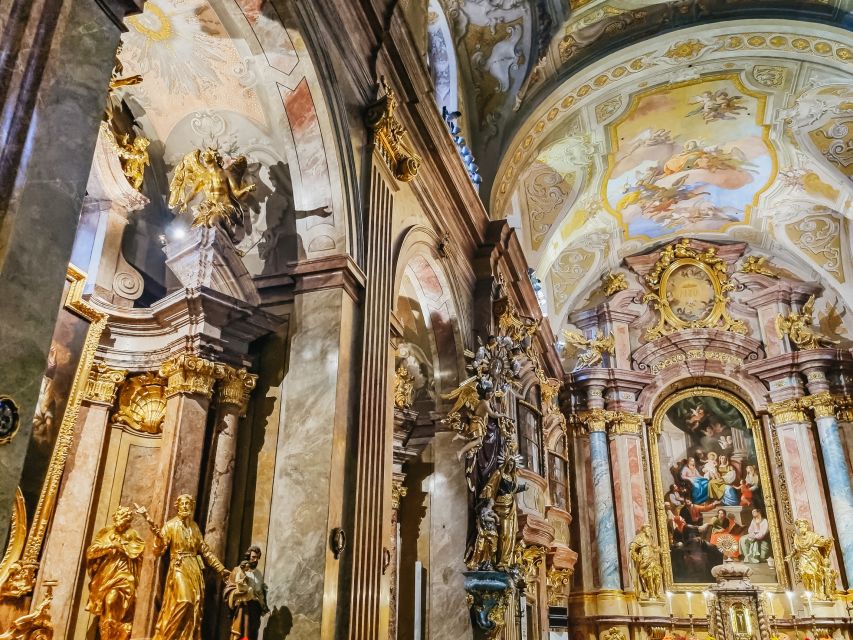
- St. Anne’s is part of the experience: Blue marble balconies, gold decoration, and a small interior create an ornate setting with clear acoustics.
- The concert lasts 70 minutes: It fits neatly after dinner or before a late evening walk through central Vienna.
- Arrive early for the best view: Seating is free and first come, first served. The musicians sit close to the audience, but they are not raised high above it.
- The price is reasonable for central Vienna: At $38, you get the performance, a printed program, and a memorable historic setting.
- Summer comfort needs a little thought: The church is heated in cold months, but it can be warm in summer, so bring water.
Why St. Anne’s Church makes this concert different
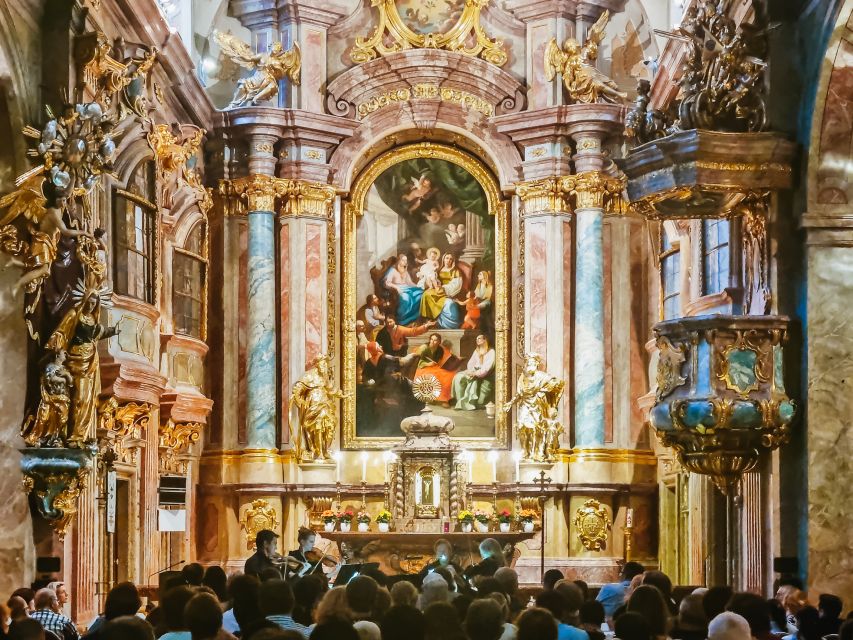
Vienna has no shortage of classical music. The choice can range from grand concert halls to formal opera performances, but this concert offers something smaller and more direct. St. Anne’s Church, or Annakirche, is only a few minutes from the Vienna State Opera, yet the setting feels removed from the traffic and shopping streets outside.
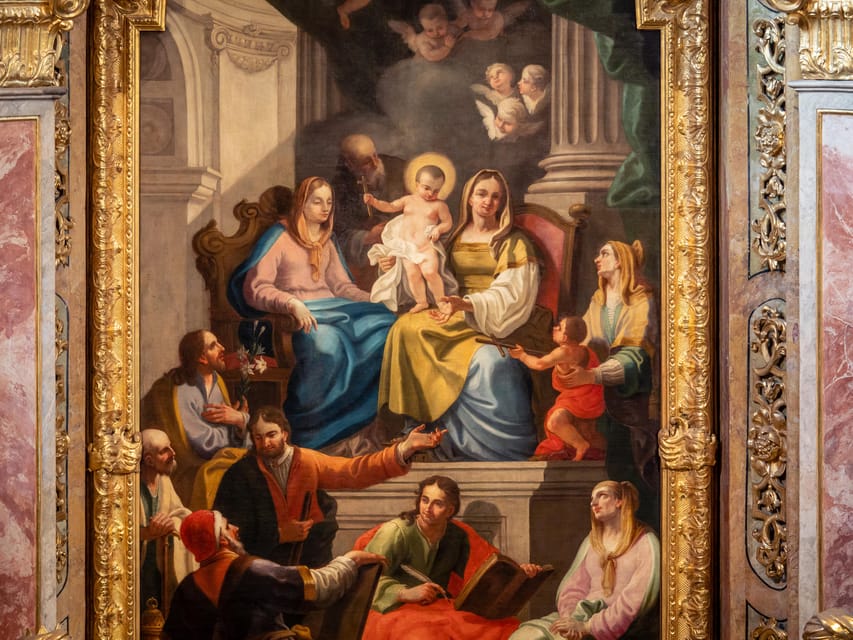
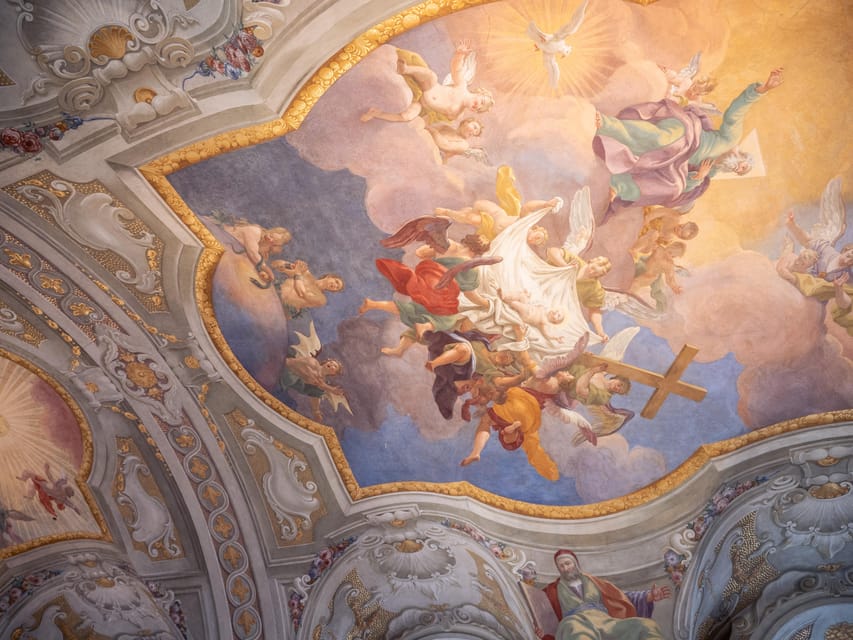
The church is known for its Baroque interior, and you see much of it from your seat. Gold ornament catches the light, blue marble balconies add color, and the compact interior keeps the musicians visually close. You are not watching from the far end of a huge auditorium.
I find that scale important. A string quartet or small string ensemble depends on detail: the turn of a phrase, the contrast between a soft passage and a forceful one, and the way the instruments answer each other. In a small church, those changes are easier to follow.
The acoustics add their own character. The sound carries into the vaulted interior and gives the music a gentle reverberation. It is not the dry, close sound of a modern chamber hall, and that is part of the appeal. Haydn and Mozart can sound especially natural in this kind of setting.
More Church Concerts in Austria
- Vienna Classical Concert at St. Peter’s Church
★ 4.5 · 2,039 reviews - Vienna: Classical Concert in St. Anne’s Church (Annakirche)
★ 4.5 · 1,000 reviews - Vienna: Christmas & New Year’s Concert in St. Peter’s Church
★ 4.6 · 763 reviews
What the 8:00 PM concert includes
The concert begins at 8:00 PM and runs for about 70 minutes. That timing works well for a Vienna evening. You can visit a museum or palace during the day, eat nearby, then walk to Annagasse without committing your entire night to a long performance.
The program centers on complete works by composers associated with the First Viennese School and the wider Viennese Classical tradition. Depending on the evening, you may hear Mozart, Haydn, Beethoven, or Schubert. The selection can include several composers rather than focusing on only one.
That variety helps if you are new to classical music. You get contrasts in mood and style instead of one long block of similar material. Haydn may bring wit and careful structure, Mozart an effortless sense of balance, Beethoven greater force, and Schubert a more inward, lyrical quality.
The program is provided free, which gives you a useful guide to the pieces. You do not need to know the music in advance. I suggest reading the composer and work titles before each piece, then listening for changes in speed, mood, and the way the instruments share the melody.
This is a concert of complete works, not a sequence of short popular excerpts. That is good news if you want an authentic chamber-music experience. It also means the evening is not built around familiar movie themes or a parade of famous melodies. If you expect only the best-known tunes, the program may require a little more attention.
Period instruments and the sound you hear
The musicians use instruments from the period of Mozart and Schubert, or instruments made in that style. One detail noted in the performance information is the use of older-style gut strings rather than the modern materials common in many orchestras.
The difference is not something you need to identify technically. You may notice a lighter, more textured sound, especially in quieter passages. The result is less about volume and more about color and historical character.
Period performance does not mean the music sounds thin or old-fashioned. The musicians still bring energy and precision. The style simply aims to place the works closer to the sound world in which they were written.
I like this choice because the church, the music, and the instruments all point in the same direction. You are not just hearing a famous composer in a random room. The setting and performance style support the same historical idea.
The ensemble is made up of musicians from renowned Viennese orchestras. The number of performers can vary in the descriptions, with the experience commonly presented as a string quartet or small string ensemble. In either case, expect chamber music rather than a full symphony orchestra.
That distinction matters. A chamber concert gives you a closer look at how musicians communicate. You can watch bows move together, see a player prepare for an entrance, and follow the musical conversation among the instruments.
Seating, sightlines, and arriving early
Seating is free and first come, first served. There are no assigned rows, so the best seat depends on when you arrive and how busy the evening is.
For a clear view of the musicians, I would arrive 30 to 40 minutes before the 8:00 PM start. Several people have found that early arrival makes it possible to sit near the front. You might prefer the side seats if they offer a better view of the ensemble or a more comfortable cushion.
The church is relatively small, which helps the sound from almost anywhere. Still, sightlines are not identical from every seat. The musicians are close to the audience, but they are not placed on a high stage. If you sit farther back, you may hear perfectly well while seeing less of their hands and instruments.
That tradeoff is easy to manage. Arrive early if watching the performance matters most. If you care more about seeing the entire church interior, a seat farther back or to the side can give you a broader view of the decoration.
Late arrivals can be distracting, especially during quiet music. I would avoid cutting it close. Getting there early also gives you time to look around before the lights settle into the concert setting.
Recording is not allowed, and that rule is worth respecting. A phone screen or camera flash can break the concentration of a small room much more than it would in a large hall.
More Church Concerts in Vienna
- Vienna: Classical Concerts in the Minorite Church Ticket
★ 4.6 · 658 reviews - Concert at Vienna’s St. Stephen’s Cathedral
★ 4.0 · 432 reviews - Christmas and New Year Concert at St. Peter’s Church in Vienna
★ 4.5 · 155 reviews - Vienna: A Little Night Music – Concert at Capuchin Church
★ 4.8 · 145 reviews
The best way to fit it into a Vienna evening
The church is at Annagasse 3b, in the pedestrian area of central Vienna. It is about a three-minute walk from the Vienna State Opera and roughly five minutes on foot from the Karlsplatz and Stephansplatz underground stations.
That location makes the concert easy to pair with other central sights. You can spend the afternoon around the Hofburg, walk along Kärntner Straße, visit the opera area, or explore the streets near Stephansplatz. Then you can reach Annakirche without arranging a separate trip across the city.
The surrounding streets also work well after the concert. The central area has cafés and restaurants, so you can continue the evening with dessert, a drink, or a late meal. The concert ends around 9:10 PM, assuming it begins on time and lasts the advertised 70 minutes.
I would not treat this as a full substitute for an opera at the Vienna State Opera. An opera gives you singers, staging, costumes, and a much longer production. This is quieter and more focused: four or so musicians, a short program, and a historic church.
That difference is useful when planning. If you have limited time or do not want to spend several hours at a formal performance, Annakirche offers a manageable introduction. If you are already attending the opera, it gives you a very different kind of musical evening rather than repeating the same format.
Is $38 good value?
At $38 per person, this is a solid value for central Vienna. You receive a 70-minute concert, a printed program, and access to a church that is itself one of the evening’s main attractions.
The value improves if you care about the setting and the music equally. You are paying for more than a seat and a short recital. The Baroque interior, the acoustics, and the historical connection of the instruments all shape the experience.
It is also less expensive than many major cultural performances in Vienna. The price does not promise a full opera or a large orchestra, but it does buy a polished chamber concert in a memorable place.
I would be cautious only if you are comparing it with a free church performance or if you want a long program. Several people wished the concert lasted longer, which is understandable once you are settled into the music. Seventy minutes is enough for a satisfying evening, but it passes quickly.
The free program and free seating keep the arrangement simple. You do not need to choose a ticket category or pay extra for a particular section. You simply arrive, find a place, and listen.
Comfort in winter and summer
The church is heated during the colder months, so winter visitors can plan on a warm indoor setting. That is especially welcome after walking through central Vienna at night.
Summer is a different story. The interior can feel warm, and bringing water is sensible. You may want to dress comfortably rather than choosing heavy evening clothing.
The seating is part of the practical picture. Some seats are softer than others, and side seating may be preferable if comfort matters to you. The church setting is beautiful, but it is still a church rather than a purpose-built concert hall with uniform theater seats.
The atmosphere remains calm and intimate. That makes it a good choice at the end of a busy sightseeing day, when you want to sit quietly instead of rushing through another major attraction.
Who will enjoy this most
I would recommend the concert to anyone who wants classical music without needing a detailed musical background. You do not have to recognize every piece to appreciate the sound, the setting, and the physical presence of the musicians.
It also suits couples, solo visitors, and families with older children who can sit quietly for 70 minutes. The short duration is helpful for anyone unsure about committing to a long concert or opera.
Music lovers will appreciate the complete works and period instruments. First-time listeners get a clear introduction to composers central to Vienna’s cultural identity.
The experience may be less suitable if you want a theatrical spectacle, assigned premium seating, or a large ensemble. It is also not the place for casual conversation. In a compact church, a snoring audience member, late arrival, or whispered chat can affect the people nearby.
The small scale is both the strength and the limitation. You get closeness and detail, but not the grandeur of a full concert hall.
A practical verdict on Annakirche
I would book this concert if you want a reasonably priced evening of serious music in a beautiful central setting. The strongest reasons are the intimate church interior, the period instruments, the excellent acoustics, and the chance to hear works by Mozart, Haydn, Beethoven, or Schubert close to where Vienna’s musical tradition developed.
Arrive by 7:20 PM if you want a strong choice of seats. Bring water in summer, expect the church to be heated in winter, and do not count on recording the performance.
I would skip it only if you are looking specifically for opera, a large orchestra, or a long formal production. For almost everyone else, this is a practical and memorable way to add live music to a Vienna itinerary without spending an entire night or a large part of your budget.
FAQ
Where is St. Anne’s Church?
St. Anne’s Church, or Annakirche, is at Annagasse 3b in central Vienna.
How far is the church from the Vienna State Opera?
The church is about a three-minute walk from the Vienna State Opera.
How can I reach the church by underground train?
St. Anne’s Church is about five minutes on foot from both Karlsplatz and Stephansplatz underground stations.
What time does the concert begin?
Concerts begin at 8:00 PM.
How long does the concert last?
The concert lasts approximately 70 minutes.
What music is performed?
The program includes complete works by Mozart, Haydn, Beethoven, or Schubert. The exact selection can vary by concert.
What instruments do the musicians use?
The musicians play period instruments associated with the time of Mozart and Schubert. The performance information also refers to instruments from the 18th century.
Is seating assigned?
No. The ticket provides free seating, so seats are available on a first come, first served basis.
How early should I arrive for a front seat?
Arriving 30 to 40 minutes before the 8:00 PM start gives you a better chance of choosing a front-row seat.
Is the church heated?
Yes. St. Anne’s Church is heated during the cold months. It can feel warm in summer, so bringing water is sensible.
More Classical Concerts in Vienna
- Vienna: Classical Concert at Mozart’s First House
2,423 reviews - Vienna: Mythos Mozart Experience
★ 4.5 · 895 reviews - Vienna Mozart Concert in Historical Costumes at the Musikverein
★ 4.5 · 888 reviews - Vienna: Classical Concert at Eschenbach Palace
★ 4.8 · 787 reviews
More Classical Concerts in Austria
- Vienna: Vivaldi’s Four Seasons Concert in Karlskirche
★ 4.7 · 14,951 reviews - Vienna: Classical Concert in the World-Famous Musikverein
★ 4.6 · 6,673 reviews - Vienna: Mozart Concert at the Musikverein – Golden Hall
★ 4.6 · 5,194 reviews - Vienna: Mozart and Strauss Concert at Schönbrunn
★ 4.5 · 2,967 reviews
Just added around Vienna
- Vienna: Concert by the Vienna Baroque Orchestra★ 4.6 · 56 reviews
- Vienna’s Musical Heart: Private Walking Tour with a Local★ 5.0 · 2 reviews
- Vienna: Strauss Museum – Music&History in Historic 1837 Hall★ 4.7 · 31 reviews
- Vienna Supreme Orchestra at Palais Niederösterreich★ 4.8 · 10 reviews
- Vienna: Sunday Brunch Danube Cruise & Live Music★ 4.2 · 42 reviews
- Vienna Private Walking Tour including State Opera★ 3.2 · 7 reviews
- Vienna: Romantic Classics Piano, Violin, and Cello Concert★ 4.7 · 60 reviews
- Vienna: Mozart, Beethoven, & Strauss Private Tour★ 5.0 · 4 reviews
Vienna Concerts, compared.
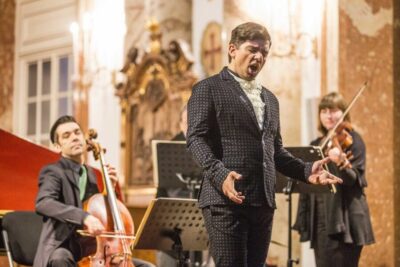
Vienna: Vivaldi’s Four Seasons Concert in Karlskirche
Read our review →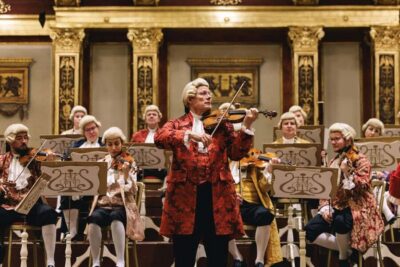
Vienna: Mozart Concert at the Musikverein – Golden Hall
Read our review →
Vienna: Mozart and Strauss Concert at Schönbrunn
Read our review →
Vienna: Tickets for Mozarthaus Vienna with Audio Guide
Read our review →
Vienna Classical Concert at St. Peter’s Church
Read our review →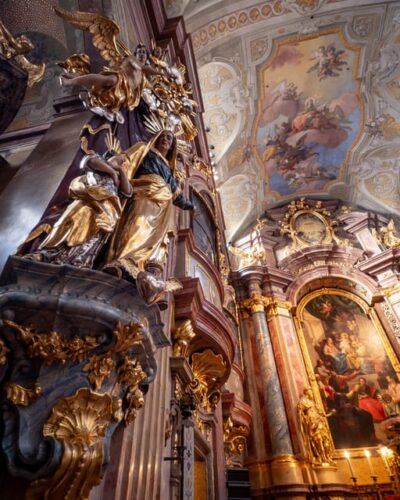
Vienna: Classical Concert in St. Anne’s Church (Annakirche)
Read our review →