
Review · JAPAN
Tsugaru shamisen performance over traditional dinner
The best part of this four-hour Asakusa outing comes after the temple walk: you sit down to a traditional Japanese dinner while award-winning musicians play Tsugaru shamisen and other instruments just in front of you. It is a small-room performance, not a large stage show, so you get a close look at the musicians and a chance to meet them afterward.
I like the way the tour joins Asakusa landmarks with a local music performance, saving you from arranging separate tickets and dinner reservations. I also like the modest group size, capped at eight people, and the care taken with special diets, including a vegetarian meal reported by one participant. The main drawback is the price, $218.91 per person, which is a lot if you mainly want to see Senso-ji.
Key points at a glance
- A 40-minute live Tsugaru-shamisen concert takes place during dinner in a small Asakusa restaurant.
- The group is limited to eight people, making the temple walk and music session more personal.
- The route covers about one mile, with stops at Kaminarimon, Nakamise, Hozomon, and Senso-ji.
- A welcome drink and dinner are included, but further drinks cost extra.
- Guides such as Akiko and Yoko have led the Asakusa portion, adding useful context to the district.
- The experience begins at 5:30 pm and ends at the restaurant, with no hotel pickup or drop-off.
Why this Asakusa evening works
Tokyo gives you endless choices for temples, food, and performances. The trouble is fitting them together without wasting time or ending up in a tourist show that feels detached from the neighborhood.
This experience solves that problem in a tidy way. You meet at the Asakusa Culture Tourist Information Center, see the district’s key sights with a guide, then walk to a small restaurant for dinner and music. It is a clear three-part plan: city views, old Asakusa, and traditional performance.
I especially like the change in pace. The first part gets you outside among famous sights. The second part puts you in a quiet room where the musicians are close enough to watch their hands and instruments. You do not need to make a separate concert booking or find a restaurant afterward.
The format also suits a first visit to Tokyo. You get an introduction to Asakusa without spending a full day on a single temple complex. At the same time, you should know that the temple stops are brief. This is a guided overview, not a long architectural study of Senso-ji.
More Traditional Music and Dance Shows in Japan:
- Kyoto: Traditional Concert at Townhouse or Bathhouse
★ 4.9 · 224 reviews - Japanese Traditional Music Show in Tokyo
★ 5.0 · 72 reviews - Traditional Japanese Music show & Experience Tour in Kyoto
★ 5.0 · 57 reviews
Starting above Asakusa at the observation deck
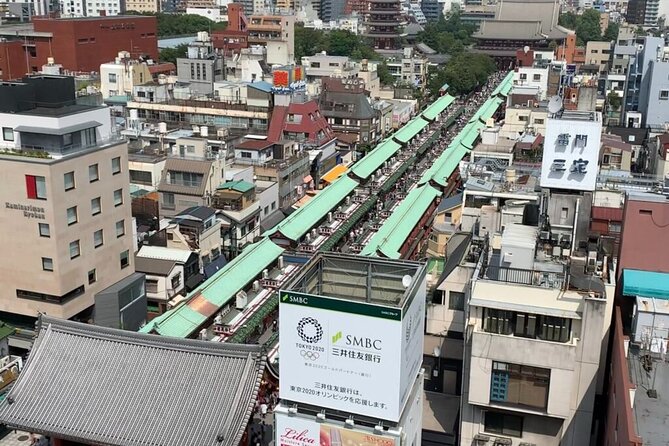
The meeting point is the Asakusa Culture Tourist Information Center at 5:30 pm. The center itself is one of the district’s newer public attractions, and the group goes to its open terrace observation deck on the top floor.
This is a useful first stop because it gives you a quick sense of how Asakusa fits together. You can look over the surrounding streets before walking into them, and the elevated view helps you get your bearings. The stop lasts about 15 minutes, so keep your expectations in check. It is a short orientation, not a long sunset viewing session.
The location is near public transportation, which makes the meeting point practical. Since hotel pickup is not provided, you need to reach the center on your own. Give yourself enough time to find the building and meet the guide before the 5:30 start.
Kaminarimon and the first look at Senso-ji
From the tourist center, the walk moves toward Kaminarimon, or Thunder Gate. Its giant red lantern is one of Asakusa’s most familiar sights, and the gate marks the approach to the Buddhist temple and Shinto shrine area.
The stop here is listed at about five minutes. That is enough for an explanation and a look at the gate, but not much more. If you want detailed photographs, take them promptly and stay with the group.
The value of having a guide here is context. Kaminarimon is more than a good photo backdrop. It signals the transition from modern Tokyo streets into the religious precinct around Senso-ji. A guide can also help explain what you are seeing before the group moves along the busy approach.
Nakamise Street, a shopping lane with a different mood
Nakamise Shopping Street leads from Kaminarimon toward Senso-ji. It is lined with shops and has a friendly commercial feel, rather than the quiet mood you might expect around a major religious site.
The tour allows around five minutes here. That will not give you time to browse every shop, but it lets you see how commerce and worship share the same approach. This is one of the more useful details of the walk, because Asakusa is not simply a temple compound. It is also a working district built around visitors, food, souvenirs, and daily life.
If you want to buy snacks or souvenirs, this short stop may feel rushed. I would treat it as a quick introduction and return another time if shopping is important to you. The tour’s focus is the full evening program, not extended retail time.
A few more concerts around Japan worth a look
- Tokyo: Traditional Asakusa Music Show with Dinner
★ 5.0 · 10 reviews - New Orleans Steamboat Natchez Jazz Cruise with Dinner Option
★ 4.0 · 7,533 reviews - Budapest Danube Cruise and Dinner Options, Live Music and Dance
★ 4.5 · 7,428 reviews - Paris: 3-Course-Dinner Cruise on the Seine with live music
★ 4.7 · 7,248 reviews
Hozomon and Senso-ji in a short temple visit
The next stop is Hozomon, the inner of Senso-ji’s two large entrance gates. Its name means Treasure-House Gate, and its upper level holds many Buddhist treasures. The gate is an important part of the approach to the temple, yet the visit here also lasts about five minutes.
Senso-ji is Tokyo’s oldest temple and one of the city’s major religious sites. A five-minute stop cannot cover its design, customs, and long past in detail, but it does give you the essential setting. You will also see the five-story pagoda beside the temple, which holds Buddha’s ashes given by Sri Lanka as a gesture of goodwill.
This brief temple segment is best for someone who wants a guided introduction before dinner. It is less suitable if you want time to pray, study the grounds, or take photographs at your own pace. The evening program asks you to keep moving, so consider visiting Senso-ji separately if it is one of your main reasons for coming to Asakusa.
A roughly one-mile walk through the old district
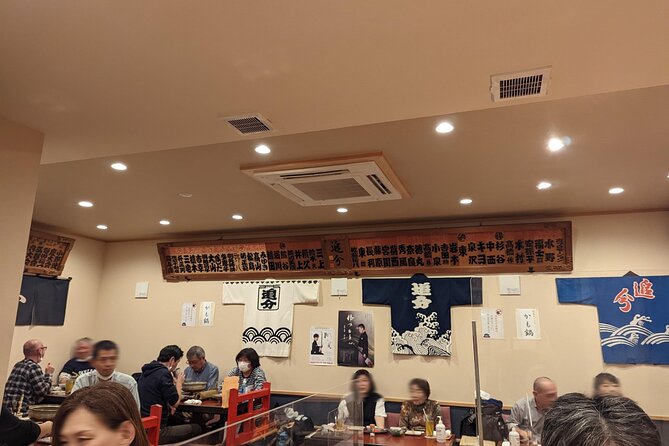
The complete walk from the tourist center to the restaurant is about a mile, give or take. That is not a strenuous distance for most people, but it matters because you are on your feet before sitting down for dinner.
You move through several connected sights rather than taking a bus between them. That makes the route feel more like a neighborhood introduction, and it helps you see how the gates, shopping street, and temple relate to one another.
Wear comfortable shoes. The tour is not designed as a hard walk, but the short stops and moving group mean you should be ready to keep pace. The information provided says most people can participate, though no special accessibility details are given.
The Tsugaru-shamisen concert in a small restaurant
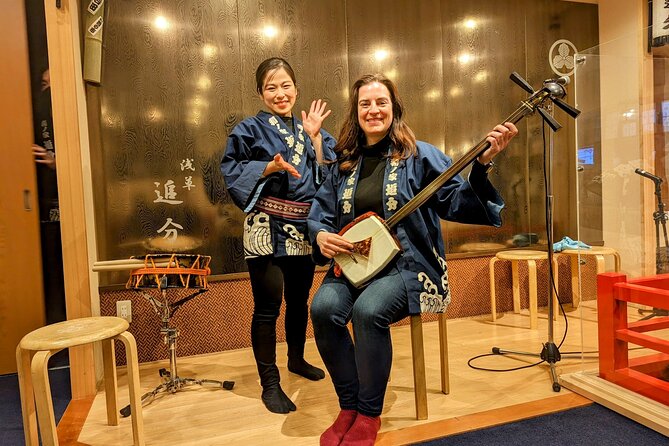
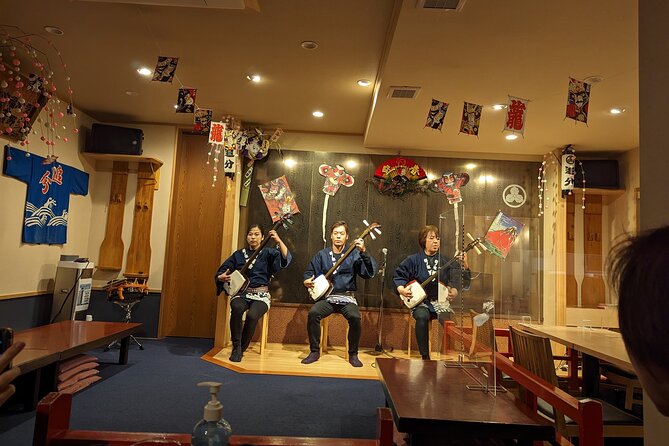
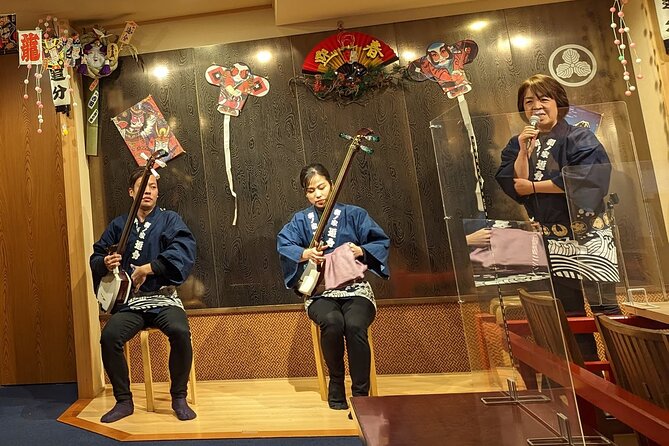
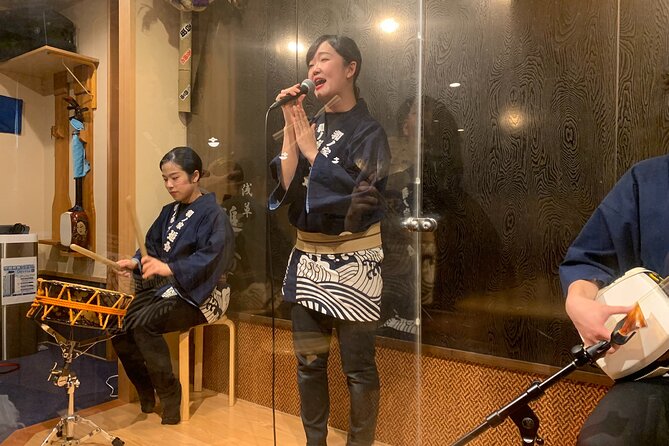
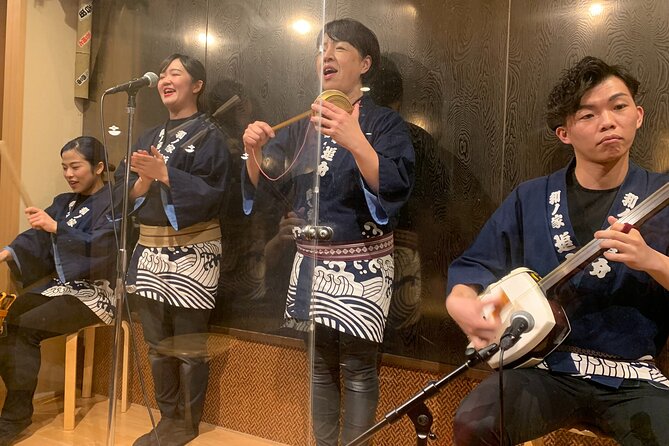
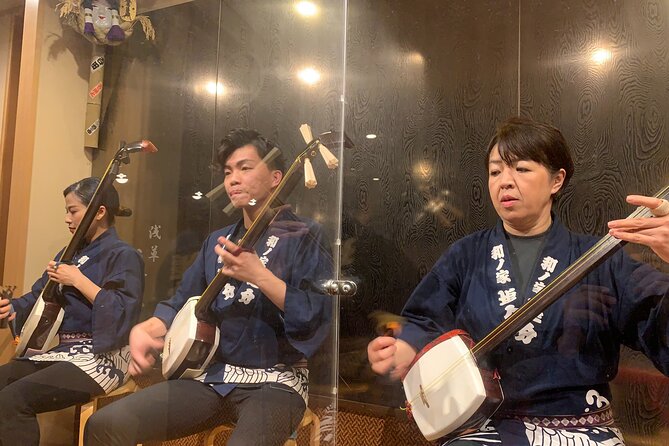
The music is the heart of the experience. At the restaurant, you watch a 40-minute live concert of traditional Japanese instruments, including Tsugaru shamisen.
The shamisen is a three-stringed Japanese instrument with a sharp, percussive sound. Tsugaru shamisen is known for its strong playing style and energetic technique. Here, the setting matters as much as the music. The restaurant has limited seating, and the performers play directly in front of the diners rather than from a distant stage.
That close arrangement gives you a better view of the instruments and the musicians’ technique. It also makes the performance feel connected to the meal and the neighborhood, rather than like a separate theater booking.
The performers are award-winning, according to the experience details. You also have the chance to meet the musicians afterward, which adds a human touch that a standard concert usually lacks. If you want a small cultural event that feels personal, this is the strongest reason to book.
The performance is not presented as a full evening of music. It lasts about 40 minutes within the two-hour restaurant portion, so dinner and conversation remain part of the plan. Anyone expecting a long concert should know that the music is one element of a broader evening.
Dinner, dietary needs, and what the price covers
Dinner includes a traditional Japanese meal and one welcome drink. The meal features a variety of Japanese staples, according to the available details, but the exact menu is not specified and may vary.
The experience also has a useful record of handling dietary needs. A vegetarian participant received enough food and felt well looked after. That does not guarantee every possible allergy or dietary request can be met, so you should provide accurate information when booking and wait for confirmation.
Drinks beyond the included welcome drink are not covered. This is easy to overlook when comparing the price with a dinner reservation, so budget for extras if you want additional beverages.
At $218.91 per person, the tour is expensive for a short Asakusa walk and a meal. The value comes from the combination: a guide, a small group, a 40-minute performance by award-winning musicians, dinner, and the chance to meet the performers. If you would otherwise book a temple tour, a concert, and a restaurant separately, the bundled format may save effort and produce a smoother evening.
If you already know Asakusa well, or if you only want an inexpensive dinner, the cost is harder to justify. This is a special-occasion outing, not a budget introduction to the district.
The guides and the small-group feel
Guides named in the available experience feedback include Akiko and Yoko. Their role is important because the Asakusa portion is short. A good guide can turn five-minute stops into a useful story about what you are seeing, while a poor explanation would leave the first half feeling like a rushed walk between photo points.
The maximum group size is eight people. That is small enough for questions and easier movement through the district than a large coach group. It also fits the restaurant setting, where limited seats make a compact party practical.
The small group does not mean private touring. Other people may join, and the route follows a set timetable. Still, the size should make it easier to hear the guide and interact with the musicians.
Timing, transport, and the end of the evening
The start time is 5:30 pm, and the full experience lasts about four hours. It ends at the restaurant in Asakusa rather than returning you to a hotel or the original meeting point.
That end point can be convenient if you plan to continue in Asakusa or return by public transportation. It also means you should check your route home before dinner, especially if you are staying in another part of Tokyo.
No hotel pickup or drop-off is included. You meet at the Asakusa Culture Tourist Information Center and make your own way there. Confirmation is sent within 48 hours of booking, subject to availability, so do not assume the reservation is final until you receive it.
The experience requires good weather and a minimum number of participants. If poor weather or low numbers cause cancellation, you are offered another date or experience, or a full refund. You can cancel for a full refund up to 24 hours before the start time. Later cancellations and changes are not accepted.
Who should book this Asakusa dinner and concert
I would choose this tour if you want several parts of Japanese culture in one evening and prefer a guide to handle the transitions. It is especially suitable for first-time visitors, couples, small groups, and anyone curious about traditional music but unsure how to find a genuine performance.
It also fits people who value conversation and personal contact. Meeting the musicians after the concert is a meaningful addition, and the small restaurant setting gives the music a direct, close-up quality.
I would look elsewhere if you need a slow temple visit, a long shopping stop, or a low-cost meal. The route is brisk, the temple stops are short, and the price is high compared with visiting Senso-ji independently.
Should you book it?
Book this experience if the Tsugaru-shamisen concert is your main interest and you want dinner, Asakusa history, and transport planning folded into one evening. The strongest features are the eight-person limit, the close performance, the included meal, and the reported care with vegetarian dining.
Skip it if you already have a detailed Asakusa plan or want to control your meal and sightseeing budget. At $218.91, this is best treated as a cultural evening with a meal attached, not simply a walking tour with free entertainment.
FAQ
How long does the experience last?
The experience lasts approximately four hours.
What time does the tour start?
It starts at 5:30 pm.
Where does the tour begin?
It begins at the Asakusa Culture Tourist Information Center in Tokyo’s Taito City.
Where does the experience end?
It ends at the Japanese restaurant at 5-chōme-37-7 Asakusa, where the dinner and live performance take place.
Is dinner included?
Yes. Dinner and one welcome drink are included in the tour price.
Are additional drinks included?
No. Drinks beyond the welcome drink can be ordered separately and are not included.
How long is the live concert?
The concert lasts 40 minutes.
How many people can join the tour?
The maximum group size is eight participants.
Is hotel pickup or drop-off provided?
No. Hotel pickup and drop-off are not included.
Can I cancel for a full refund?
Yes. You can cancel at least 24 hours before the start time for a full refund. Cancellations or changes made less than 24 hours before the start time are not accepted.
More Dinners Out in Japan
- Dubai: Sunset or Dinner Cruise with Live Music & Open Bar
★ 4.7 · 6,030 reviews - Bateaux Mouches Dinner Cruise on the Seine River in Paris
★ 4.5 · 4,847 reviews - New Orleans: Evening Steamboat Jazz Cruise + Optional Dinner
★ 4.3 · 4,548 reviews - Paris: 4-Course Dinner Cruise on Seine River with Live Music
★ 4.5 · 3,827 reviews
Just added around Japan
- Japanaese tradtional Tsugaru Shamisen music lesson in Tokyo★ 4.5 · 3 reviews
- Easy for everyone! Now you can play handmade mini shamisen and show off to everyone! Musical instruments, sweets and live music★ 5.0 · 3 reviews
- Traditional Japanese Music show & Experience Tour in Osaka★ 5.0 · 25 reviews
- Traditional Concert in Public bath near Kyoto Station★ 5.0 · 5 reviews
- Kyoto: Matcha & Traditional Japanese Music Immersive Experience★ 5.0 · 9 reviews
- Private Japanese music concert★ 5.0 · 4 reviews
- Tokyo Underground Music Tours★ 5.0 · 9 reviews
- Kyoto: Kujo-yu Sento Traditional Japanese Instrument Concert★ 5.0 · 2 reviews
Japan Concerts, compared.
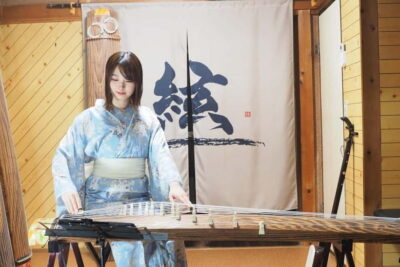
Kyoto: Traditional Concert at Townhouse or Bathhouse
Read our review →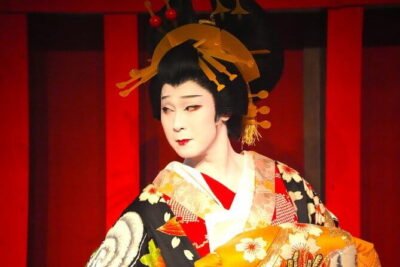
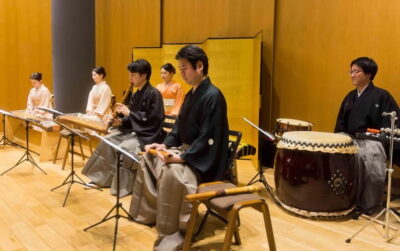
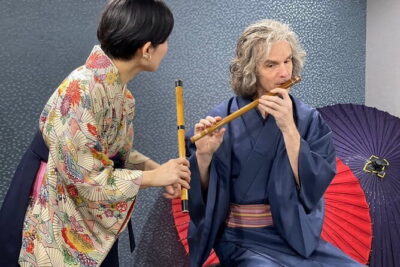
Traditional Japanese Music show & Experience Tour in Kyoto
Read our review →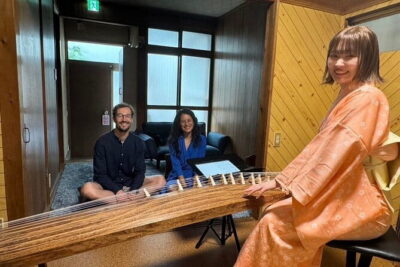
Concerts Played with Traditional Instruments in Kyoto
Read our review →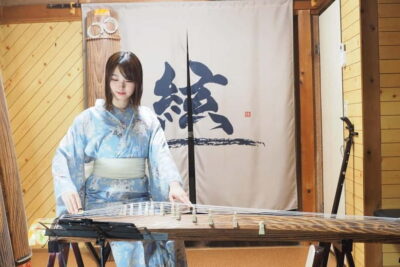
Kyoto: Japanese Koto & Shamisen Concert and Koto Class
Read our review →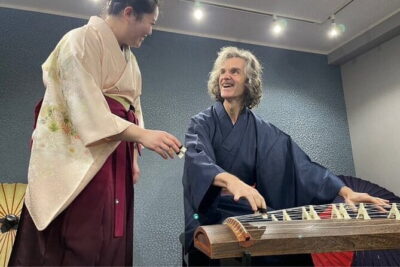
Traditional Japanese Music show & Experience Tour in Osaka
Read our review →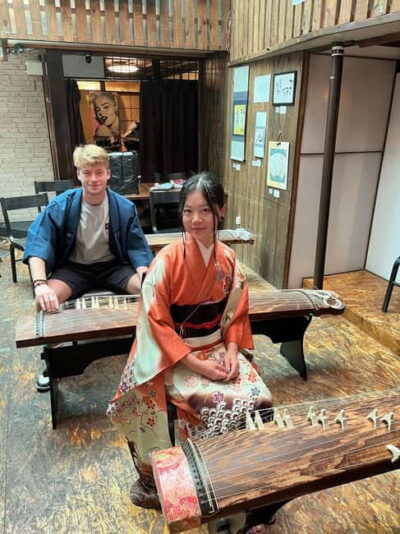
Browse the lists this tour appears in