
Review · JAPAN
Traditional Japanese Music show & Experience Tour in Osaka
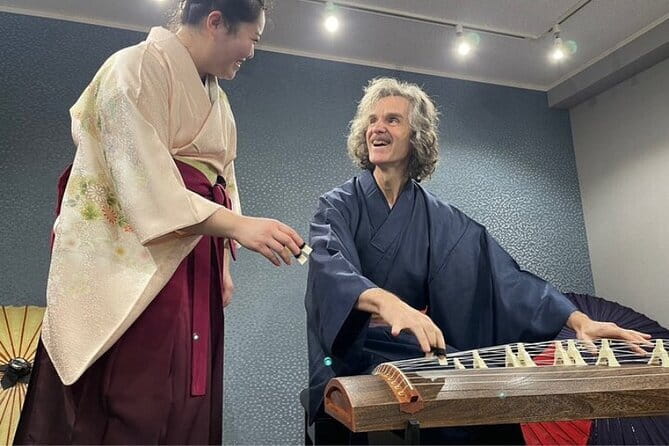
The best part of this Osaka experience is that you do more than sit and listen. Professional musicians perform shamisen, koto, and wadaiko, then invite you to handle and play traditional instruments yourself. It is a compact introduction to hogaku, Japanese traditional music, with plenty of room for questions.
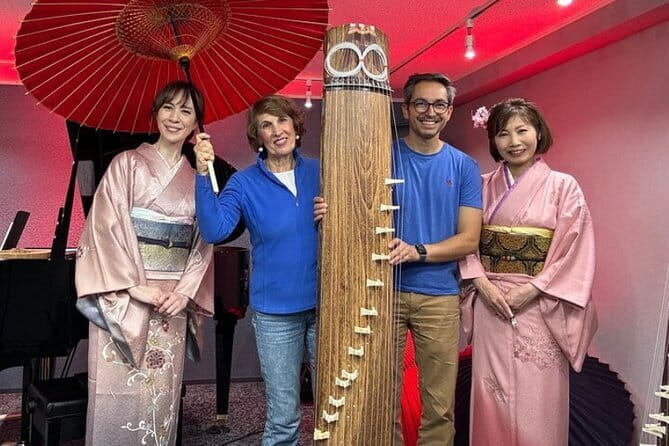
I like the close-up format and the chance to take photos holding the instruments. I also like the small group size, capped at seven people, which should make the playing session more personal than a large stage show.
The main consideration is the short running time. You get about 25 minutes of music and 25 minutes of hands-on practice, so this is a sampler rather than a full concert or serious music lesson. The activity also needs at least two participants to operate.
Key points about this Osaka music experience
- Three-part, one-hour format: Enjoy a 25-minute concert, a 25-minute playing session, and 10 minutes for photos.
- Traditional instruments up close: See and hear the shamisen, koto, wadaiko, and other instruments during a live performance.
- Small maximum group: The activity accepts no more than seven participants.
- Two useful time choices: Sessions are offered Wednesday at 11:00 and Friday at 18:30.
- Questions are welcome: You can ask the professional musicians about the instruments and performance.
- Easy souvenir moment: The final 10 minutes are set aside for photos with the instruments and performers.
A short concert with a hands-on finish
This experience works because it divides the hour into three clear parts. You first listen, then try the instruments, then take photos. That order matters. You hear the instruments in skilled hands before you are asked to make your own first sounds.
The concert lasts about 25 minutes. During this time, you can expect a live presentation of several forms of Japanese traditional music. The exact concert content changes by day, so Wednesday and Friday do not promise precisely the same program.
That variety adds interest, but it also means you should not book this expecting a fixed set list. If one instrument is your main reason for coming, contact Harmony in Japan Tour before booking and ask whether it is likely to feature in your session.
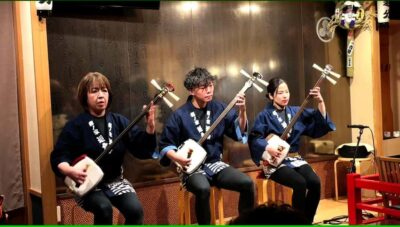
The concert includes instruments such as the shamisen, koto, and wadaiko. The shamisen is a three-stringed Japanese lute, the koto is a long zither often described in simple terms as a Japanese harp, and the wadaiko is a Japanese drum. Hearing these instruments together gives you a better sense of their different sounds than seeing them in a display or reading about them.
I especially like the fact that the performance is live and close up. The published information does not promise a long stage production, elaborate effects, or a historical lecture. Instead, the value comes from seeing the musicians play and having a direct chance to ask questions.
More Traditional Music and Dance Shows in Japan:
- Kyoto: Traditional Concert at Townhouse or Bathhouse
★ 4.9 · 224 reviews - Japanese Traditional Music Show in Tokyo
★ 5.0 · 72 reviews - Traditional Japanese Music show & Experience Tour in Kyoto
★ 5.0 · 57 reviews
What the three main instruments add
The shamisen has a strong visual identity. Its long neck and compact body make it easy to recognize, but the best way to understand it is to hear its tone in person. The concert lets you see how a professional musician works with the instrument before you try one yourself.
The koto gives the program a different character. It is a large traditional string instrument, and its shape alone makes the playing session more memorable. The activity calls it a Japanese harp in its description, though it is better understood as a Japanese zither. You do not need music training to appreciate the contrast between the koto and the shamisen.
Wadaiko brings a physical side to the experience. The name refers to Japanese drums, and the instrument gives the program a clear rhythmic presence. If you are choosing this activity for children, first-time cultural visitors, or anyone who learns best by doing, the drum portion may be especially appealing.
The exact list can include other instruments as well. Since the concert content changes by day, you get a little uncertainty in exchange for a different program from one session to the next. That is a fair trade for a short cultural activity, but it is worth keeping in mind when planning your day.
The 25-minute instrument session
After the concert, you spend about 25 minutes trying traditional Japanese instruments. A musical instrument for the experience is included in the price, so you do not need to arrange anything extra for the hands-on portion.
This is not presented as a formal lesson with a long practice sequence. Think of it as a guided first try. You can handle an instrument, attempt to play it, and ask the professional musicians questions while you are there.
That makes the session useful even if you have no musical background. You are not expected to arrive knowing how to hold a shamisen or strike a wadaiko. The point is to feel the size, shape, and basic response of an instrument that you would rarely get to touch during ordinary sightseeing.
It is also a good reason to keep expectations sensible. In 25 minutes, you will not master a traditional instrument. You will, however, gain a more personal understanding of how different it feels from simply watching a musician perform.
The small maximum group of seven should help here. The exact amount of individual attention can vary, but a group this size gives the musicians a better chance to answer questions and let people take turns. It should also feel less exposed than trying to perform in front of a large audience.
A published experience notes that visitors can ask as many questions as they like. Use that opportunity. Ask about the instrument’s name, how it is played, or why it sounds different from a Western instrument. The musicians are the best source for those details, and the question period is part of what makes this more than a passive show.
Ten minutes for photos and memories
The final 10 minutes are set aside for photos with the instruments and performers. This may sound like a small addition, but it gives the hour a clean ending and lets you record the hands-on part of the experience.
You can take photos holding traditional instruments as souvenirs. That is particularly useful if you want a cultural memory that feels more personal than a standard snapshot outside a famous Osaka landmark.
The available information does not specify which instruments each person can hold or how many photos will be taken. If a particular photo request matters to you, ask the staff during the session. Special requests can be discussed with the provider.
The photo time also means you do not have to rush out immediately after playing. You can use the last few minutes to ask a final question, pose with an instrument, or enjoy the novelty of having just tried something unfamiliar.
A few more concerts around Japan worth a look
- Concerts Played with Traditional Instruments in Kyoto
★ 5.0 · 50 reviews - Kyoto: Japanese Koto & Shamisen Concert and Koto Class
★ 4.9 · 31 reviews - Tokyo: Traditional Asakusa Music Show with Dinner
★ 5.0 · 10 reviews - Traditional Concert in Public bath near Kyoto Station
★ 5.0 · 5 reviews
Choosing Wednesday morning or Friday evening
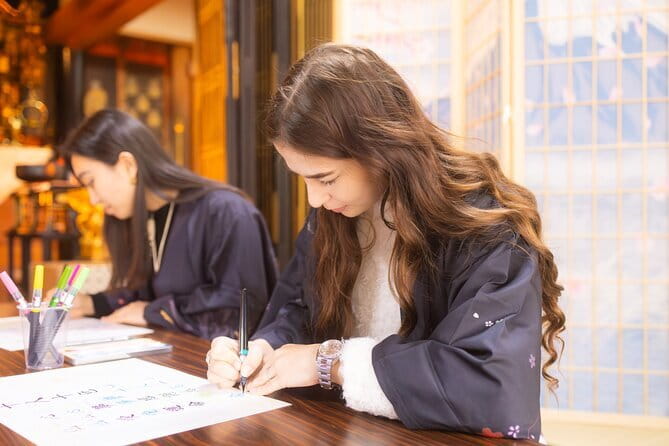
There are two listed sessions: Wednesday at 11:00 and Friday at 18:30. The choice affects how the activity fits into your Osaka plans.
The Wednesday morning session works well if you want a cultural stop before lunch. It leaves the rest of the day open, though you will need to plan your route to the meeting point in time for the 11:00 start.
The Friday evening session is useful after a day of sightseeing. At 18:30, it can serve as a calm cultural activity before dinner or as part of an evening in Osaka. Since the experience lasts about an hour, it does not take over the whole night.
The performance content varies by day. That gives you a reason to choose the time that suits your schedule rather than assuming one session is automatically better. If you are deciding between the two based on a specific instrument, contact the provider first.
Your mobile ticket is convenient for a short activity. The meeting point is Alpha Shinsaibashi, at 3-chome-5-27 Minamisenba, Chuo Ward, Osaka, postal code 542-0081. The activity ends at the same place, so you do not need to arrange a separate return transfer.
Private transportation is not included. The location is near public transportation, but the supplied information does not name a specific station or give walking directions. Check the route before your session and allow enough time to find Alpha Shinsaibashi.
Is $46.12 a fair price?
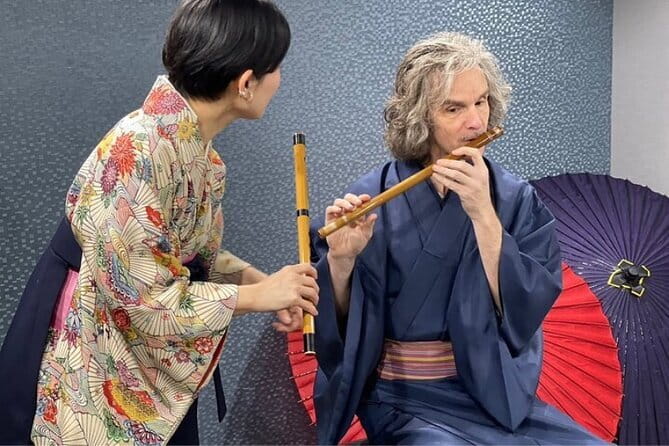
At $46.12 per person, this is not the cheapest way to fill an hour in Osaka. Its value depends on what you want from the activity.
You are paying for a live performance by professional musicians, access to traditional instruments, a hands-on session, the chance to ask questions, and photos with the performers and instruments. For someone who would otherwise only see Japanese music in a short stage segment, that combination gives the price a reasonable basis.
The group limit helps the value. With no more than seven participants, the experience is designed to be small rather than a broad audience event. You are paying for access and participation, not just a seat.
The one-hour length cuts both ways. It is easy to fit into an Osaka itinerary, and you will not lose half a day. On the other hand, the concert and playing session are both brief. If you are already an experienced musician or want a full cultural performance, you may find the activity too introductory for the price.
For most first-time visitors, I would view it as a focused cultural add-on. It gives you something you cannot get from a photograph or a quick visit to a shop: the sound of the instruments, an attempt to play one, and a chance to speak with the people who perform them.
Who should book this activity?
I would recommend it to music lovers, first-time visitors to Japan, families, couples, and anyone who wants a cultural activity with a clear beginning and end. You do not need to know Japanese music in advance, and most people can participate.
It is also a good choice for people who prefer smaller activities. The cap of seven makes this feel more personal than a large cultural show, at least in design. The question period gives curious visitors something extra to do beyond watching.
Children may enjoy the chance to try a drum or another instrument, but the supplied information does not give an age minimum or specific child policy. If you are booking for young children, ask the provider about suitability before paying.
Service animals are allowed. The activity is near public transportation, and most people can participate. Beyond that, detailed accessibility information is not provided, so contact Harmony in Japan Tour if you have mobility or other access needs.
You should think twice if you need a full-length concert, a formal music class, or a guaranteed set of instruments. The content varies by day, and the experience is built as a short introduction.
Booking and cancellation details
The experience is confirmed at the time of booking, and you receive a mobile ticket. At least two people must book for the activity to operate. If the minimum is not reached and the activity is canceled, you are offered another date or experience, or a full refund.
Free cancellation is available until 24 hours before the local start time. Cancel at least 24 hours ahead for a full refund. Cancellations or changes made within 24 hours are not refunded or accepted.
Because the group is small and the minimum number matters, it is wise to choose your date carefully. The activity is booked, on average, 31 days ahead, so leaving it until the last moment may reduce your choice of session.
Should you book the Japanese music show?
Book this if you want a compact, participatory look at Japanese music rather than a long concert. The live shamisen, koto, and wadaiko performance gives you the cultural setting, and the hands-on period helps the experience stick.
The strongest reasons to go are the small group, the chance to ask direct questions, and the rare opportunity to hold and play traditional instruments. The main limits are the one-hour length, changing concert content, and lack of private transportation.
For $46.12, I think it is a sensible choice for a first introduction, especially if you value participation more than duration. Check the schedule, confirm any special instrument request, and arrive ready to listen first, then make a little music yourself.
FAQ
How long does the Traditional Japanese Music show and Experience Tour last?
The activity lasts about 60 minutes. It includes a 25-minute concert, 25 minutes of playing traditional instruments, and 10 minutes for photos.
What instruments can I see and try?
The experience includes instruments such as the shamisen, koto, and wadaiko, along with other traditional Japanese instruments. The concert content changes depending on the day.
Can I ask the musicians questions?
Yes. You can ask the professional musicians questions during the experience.
Is the instrument for the hands-on session included?
Yes. A Japanese musical instrument for the experience is included.
Where does the activity meet?
It begins at Alpha Shinsaibashi, 3-chome-5-27 Minamisenba, Chuo Ward, Osaka, 542-0081, Japan.
Where does the activity end?
The activity ends back at the meeting point.
When is the experience offered?
Sessions are listed for Wednesday at 11:00 and Friday at 18:30.
How many people can join?
The maximum group size is seven participants. At least two participants are required for the activity to operate.
Can I cancel for a refund?
Yes. You can cancel at least 24 hours before the local start time for a full refund. Cancellations and changes made less than 24 hours before the start time are not refunded or accepted.
Just added around Japan
- Tsugaru shamisen performance over traditional dinner★ 5.0 · 9 reviews
- Japanaese tradtional Tsugaru Shamisen music lesson in Tokyo★ 4.5 · 3 reviews
- Easy for everyone! Now you can play handmade mini shamisen and show off to everyone! Musical instruments, sweets and live music★ 5.0 · 3 reviews
- Traditional Concert in Public bath near Kyoto Station★ 5.0 · 5 reviews
- Kyoto: Matcha & Traditional Japanese Music Immersive Experience★ 5.0 · 9 reviews
- Private Japanese music concert★ 5.0 · 4 reviews
- Tokyo Underground Music Tours★ 5.0 · 9 reviews
- Kyoto: Kujo-yu Sento Traditional Japanese Instrument Concert★ 5.0 · 2 reviews
Japan Concerts, compared.
Kyoto: Traditional Concert at Townhouse or Bathhouse
Read our review →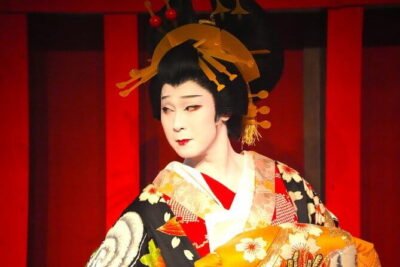
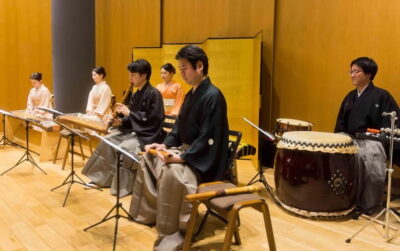
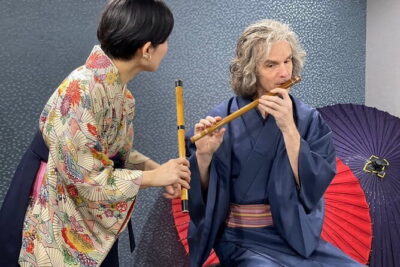
Traditional Japanese Music show & Experience Tour in Kyoto
Read our review →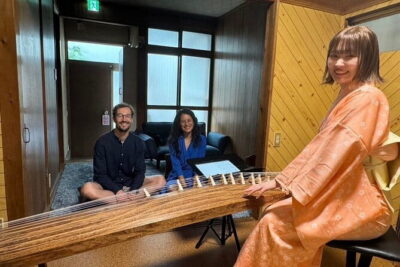
Concerts Played with Traditional Instruments in Kyoto
Read our review →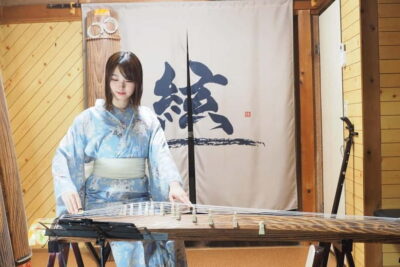
Kyoto: Japanese Koto & Shamisen Concert and Koto Class
Read our review →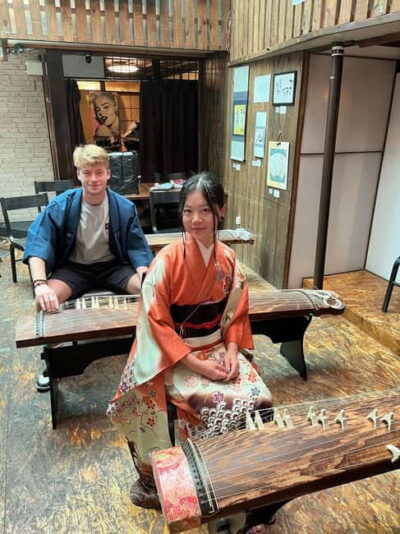
Tokyo: Traditional Asakusa Music Show with Dinner
Read our review →Browse the lists this tour appears in