
Review · KYOTO
Kyoto: Matcha & Traditional Japanese Music Immersive Experience
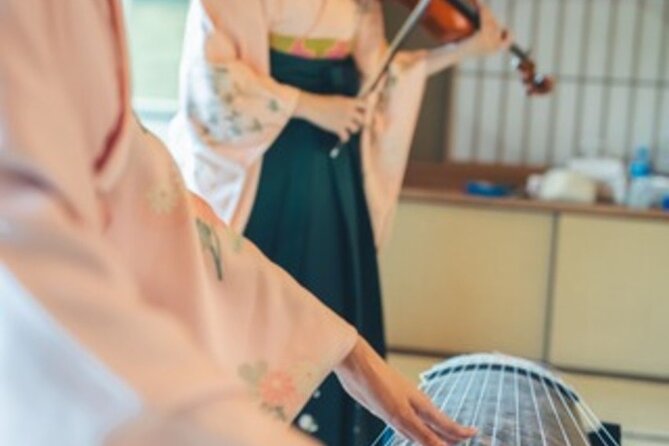
The most unusual part of this Kyoto outing is the meeting of koto and Western violin. One instrument carries the dry, delicate sound of Japan; the other brings a singing, familiar tone. The program moves from traditional melodies to anime, game music, and original arrangements, so this is not a formal concert aimed only at classical-music experts.
I like two things here. First, you do more than sit and listen: you get a guided chance to play the koto. Second, the musicians meet you afterward, giving the performance a human face and helping you understand why these young artists care about instruments they have studied since childhood. The included matcha adds a calm Japanese touch.
The main consideration is the $850 price per person. For a short indoor concert of about an hour to an hour and 20 minutes, that is a serious cost. You should book only if the intimate music, hands-on activity, and artist conversation matter more to you than a longer sightseeing tour.
Key points to know before booking
- Koto and violin share the program: Expect traditional Japanese music beside anime, game music, and original arrangements.
- You can play the koto: Musicians guide you through a hands-on introduction rather than leaving the instrument behind glass.
- Matcha is included: Green tea is part of the experience, while meals are available separately at the venue.
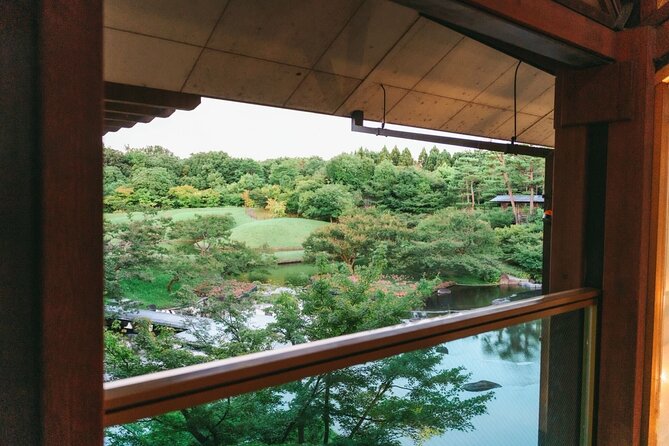
- Suzaku Garden sets the mood: The concert takes place indoors, with tea rooms and Japanese-style spaces to explore.
- The artists stay afterward: You can ask about the instruments, their training, and how the arrangements are created.
- The visit is short but focused: Plan for roughly 60 to 80 minutes, with public transportation nearby and a mobile ticket accepted.
A Kyoto concert with an unexpected musical pairing
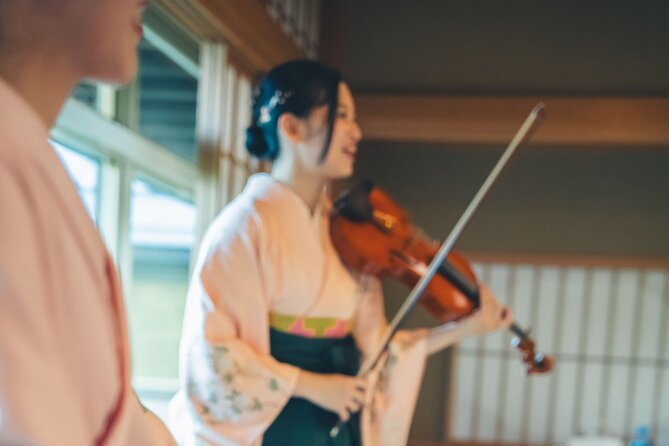
Koto music can sound spare and airy, with notes that seem to hang in the room. The violin gives the program a different kind of motion, from smooth sustained phrases to sharper, more dramatic lines. Put together, the instruments create a conversation between old Japanese sound and modern Western concert style.
That mix is the reason I would consider this event instead of a standard cultural demonstration. You are not simply watching someone perform a single traditional form. The musicians use the koto and violin for several kinds of music, including anime and game melodies that may feel familiar even if Japanese classical music is new to you.
The artists are described as young performers who have trained since childhood. That detail matters. Their work is not presented as a museum piece. You see traditional instruments handled by active musicians who are trying to keep them useful and appealing to a wider audience.
The format should suit you if you want culture without committing to a full evening concert. It also offers enough variety for family members or companions who may not normally choose a Japanese music performance.
More Traditional Music and Dance Shows in Japan:
- Kyoto: Traditional Concert at Townhouse or Bathhouse
★ 4.9 · 224 reviews - Japanese Traditional Music Show in Tokyo
★ 5.0 · 72 reviews - Traditional Japanese Music show & Experience Tour in Kyoto
★ 5.0 · 57 reviews
What happens at Suzaku Garden
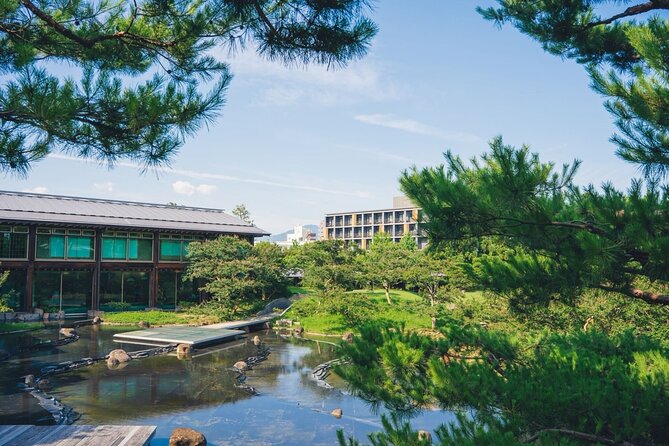
The entire visit takes place at Suzaku Garden, an indoor venue with tea rooms and Japanese-style spaces. This gives the event a setting that supports the music without requiring a long walk between stops or an outdoor schedule that could be affected by rain.
You begin with the live performance. The central feature is the blend of koto and violin, but the musical range keeps the hour from feeling narrowly focused. Traditional melodies provide the Japanese foundation. Anime and game music bring a more current sound, while original arrangements show how the musicians reshape material for these two instruments.
The concert is likely the most passive part of the visit, but it is also where the pairing makes the most sense. Listen for the contrast between the koto’s plucked attack and the violin’s bowed tone. Even without musical training, you can hear that the instruments do not simply duplicate each other.
The exact songs and sequence are not specified, so you should not book expecting one particular anime theme or famous composition. Think of the program as a selection of styles rather than a fixed hit list.
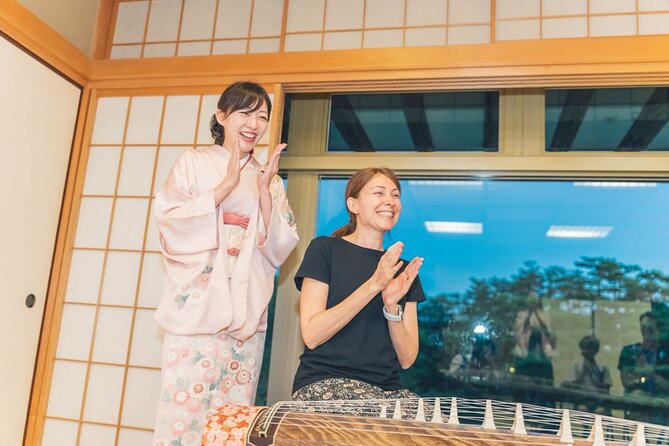
After the concert, the mood shifts from listening to participation. You receive a chance to try the koto under guidance from the musicians. This is a useful feature because the instrument’s appearance can make it seem easier to play than it is. The musician’s help lets you experience the spacing, strings, and touch for yourself rather than guessing from a distance.
The activity does not turn you into a performer. That is not the point. A short attempt helps you understand the care behind the concert and gives you a physical connection to an instrument that can otherwise feel remote.
Why the koto session adds real value
The koto is one of those instruments that can be admired quickly but understood only after you touch it. Its long body and many strings invite curiosity, yet the sound depends on controlled plucking and careful finger placement.
The guided session gives you context for what you have just heard. A note that seemed simple during the concert may feel less simple when you try to produce it. That small gap between hearing and doing is useful. It makes the musicians’ skill easier to appreciate without requiring a lecture on music theory.
This is also the strongest part of the visit for families and first-time visitors. Children and adults who might lose interest during a straight concert get a clear moment of participation. The available information does not specify age restrictions, so you should confirm any child-specific concerns when booking.
Do not expect a long lesson. The total visit lasts about one hour to one hour and 20 minutes, and the koto activity is one part of that program. Its value is the introduction, not a full course.
Meeting the musicians after the performance
The conversation with the artists is another reason this event feels more personal than a concert viewed from a dark seat. You can ask about the koto, the violin, their creative process, and the effort involved in arranging both traditional and contemporary music.
The musicians’ dedication is central to the experience. Their training since childhood helps explain the control you hear in the performance, but the post-concert exchange brings the subject down to earth. You get a chance to see the people behind the instruments and learn how they think about passing Japanese music to new audiences.
No individual artist names are provided, so I would not book this expecting a particular performer. The value comes from the chance to speak with the musicians present that day.
If you enjoy asking questions, prepare one or two in advance. You might ask how they choose anime or game music, what makes a piece work on koto and violin, or how the original arrangements differ from traditional melodies. The conversation is likely to be more rewarding if you treat it as a cultural exchange rather than a quick photo opportunity.
Same city, a different sound:
- Experience the Asakusa Kabuki Opera Show!
★ 5.0 · 99 reviews - Concerts Played with Traditional Instruments in Kyoto
★ 5.0 · 50 reviews - Kyoto: Japanese Koto & Shamisen Concert and Koto Class
★ 4.9 · 31 reviews - Traditional Japanese Music show & Experience Tour in Osaka
★ 5.0 · 25 reviews
Matcha, tea rooms, and the setting
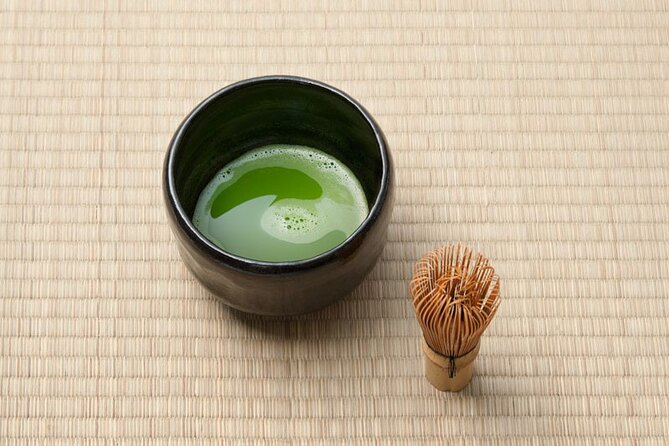
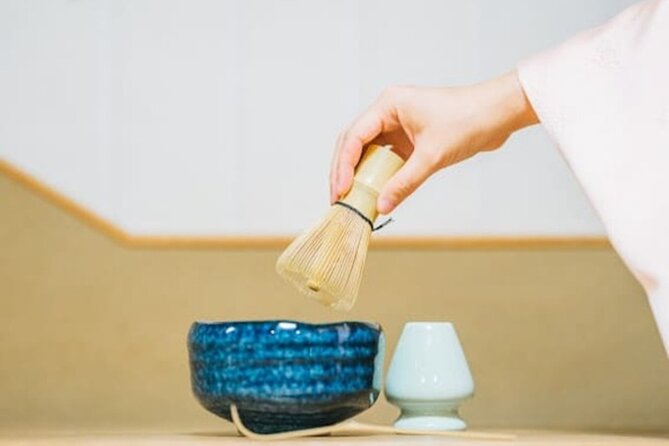
Matcha is included, giving the visit a small tea-related element alongside the music. It is not described as a complete tea ceremony, although one account of the experience included a memorable tea ceremony with a family. You should therefore expect green tea as part of the visit, but confirm the exact format if a formal tea ceremony is important to you.
The tea rooms and Japanese-style areas at Suzaku Garden add atmosphere before or after the concert. They also give you a place to notice how the setting supports the program. The appeal is quiet and focused rather than packed with sightseeing stops.
Food is not included. A café and restaurant are located on the first floor, so you can eat separately at the venue, but you should budget for that purchase. Since the activity itself is short, pairing it with a meal could make the trip feel more substantial, especially if you have traveled across Kyoto to reach the venue.
The venue has restrooms, and public transportation is nearby. Private transportation is not included, so you are responsible for reaching Suzaku Garden. The mobile ticket should make entry simple, provided you have it ready on your phone.
Is $850 a fair price for a short Kyoto activity?
At $850 per person, this is not a casual add-on. The price needs to be judged against what you value.
You are paying for a focused indoor performance, a hands-on koto session, matcha, access to Japanese-style rooms, and time with the artists. If you are looking for a personal cultural activity built around music, those pieces may justify the cost. The chance to hear a rare koto and violin pairing and then try the koto yourself is more distinctive than a basic concert ticket.
Still, the duration is only about 60 to 80 minutes. There is no private transportation, no meal, and no long guided tour of Kyoto included. If you measure value by hours of sightseeing or the number of included services, the price will feel high.
I would compare this with your full Kyoto budget before booking. Someone marking a major birthday, planning a special cultural outing, or seeking a private-feeling music event may find the cost reasonable. A budget-conscious visitor can probably find longer music or tea activities for less.
The booking pattern, with reservations made on average 27 days ahead, suggests that planning early is sensible. Availability is not guaranteed, though, so the advance-booking figure should be treated as a useful guide rather than a rule.
Who will enjoy this most
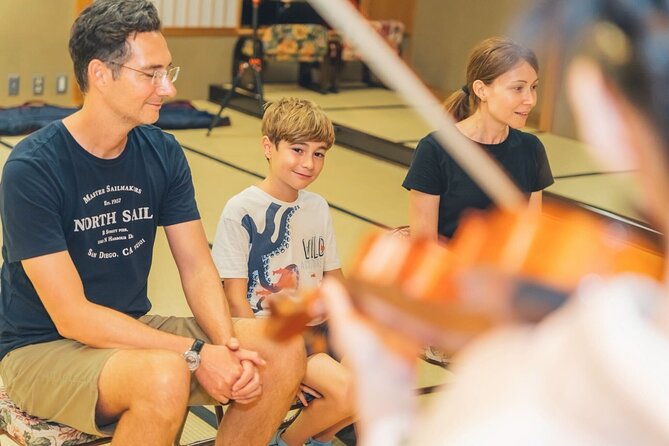
This experience fits you best if you enjoy music, Japanese arts, or activities that let you participate rather than only observe. It is also a good match for someone who likes anime or game music but wants to encounter it in a more traditional setting.
It works well for companions with different interests. One person can focus on the koto and violin, another can enjoy the anime arrangements, and both can take part in the hands-on session and artist conversation.
The short length helps if your Kyoto schedule is crowded. You can place it between other activities without giving up half a day. On the other hand, the limited duration may disappoint you if you want a full tea ceremony, a long workshop, or a broad lesson in Japanese music.
Most people can participate, and the venue is near public transportation. The available details do not describe specific accessibility arrangements, so ask the provider about any mobility or other access needs before you reserve.
Practical planning for your visit
Allow enough time to reach Suzaku Garden by public transportation. Since private transportation is not included, check your route before setting out and keep the mobile ticket easy to open.
Arrive ready for a mixture of listening, touching the instrument, drinking matcha, and conversation. This is not a performance where you leave immediately after the final piece. The after-concert interaction is one of the key parts, so rushing away would cut short the cultural value.
You may also want to plan your meal separately. The first-floor café and restaurant provide options at the venue, but meals are not part of the ticket. If you are using this as a break in a full day of sightseeing, the food stop can extend your visit without adding another cross-town journey.
Cancellation is free up to 24 hours before the local start time. A cancellation made less than 24 hours ahead is not refundable, and changes inside that window are not accepted. Confirmation normally arrives at booking, though reservations made within two days of the activity may take up to 48 hours and remain subject to availability.
Should you book this Kyoto music experience?
Book it if you want a compact, personal introduction to Japanese music and you are comfortable with the $850 price. The strongest reasons are the unusual koto and violin program, the chance to play the koto, and the direct conversation with young musicians who have trained since childhood.
Skip it if you mainly want a low-cost concert, a formal tea ceremony, or a longer sightseeing activity. The visit is short, and the price is high for the time involved. For the right audience, though, it offers something harder to find elsewhere: a calm Japanese setting where traditional sound, modern popular music, matcha, and hands-on participation meet in one focused visit.
FAQ
Where does the music experience take place?
It takes place at Suzaku Garden in Kyoto, in an indoor venue with tea rooms and Japanese-style spaces.
How long does the experience last?
The visit lasts approximately one hour to one hour and 20 minutes.
What instruments will I hear?
The live performance features the Japanese koto and Western violin.
What types of music are performed?
The program includes traditional Japanese melodies, anime music, game music, and original arrangements.
Can I play the koto?
Yes. You receive a guided opportunity to try the koto with help from the musicians.
Is matcha included?
Yes. Matcha, or green tea, is included.
Are meals included?
No. The ticket does not include meals, but a café and restaurant are located on the first floor of the venue.
Is transportation included?
No. Private transportation is not included, although the venue is near public transportation.
Can I cancel for a full refund?
Yes, if you cancel at least 24 hours before the experience start time. Cancellations made less than 24 hours ahead are not refunded, and changes within that period are not accepted.
Just added around Japan
- Tsugaru shamisen performance over traditional dinner★ 5.0 · 9 reviews
- Japanaese tradtional Tsugaru Shamisen music lesson in Tokyo★ 4.5 · 3 reviews
- Easy for everyone! Now you can play handmade mini shamisen and show off to everyone! Musical instruments, sweets and live music★ 5.0 · 3 reviews
- Traditional Japanese Music show & Experience Tour in Osaka★ 5.0 · 25 reviews
- Traditional Concert in Public bath near Kyoto Station★ 5.0 · 5 reviews
- Private Japanese music concert★ 5.0 · 4 reviews
- Tokyo Underground Music Tours★ 5.0 · 9 reviews
- Kyoto: Kujo-yu Sento Traditional Japanese Instrument Concert★ 5.0 · 2 reviews
Kyoto Concerts, compared.
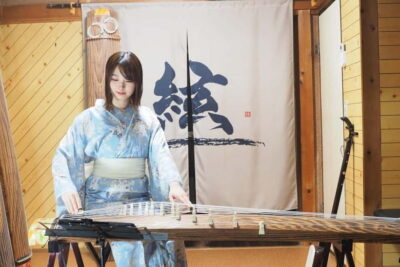
Kyoto: Traditional Concert at Townhouse or Bathhouse
Read our review →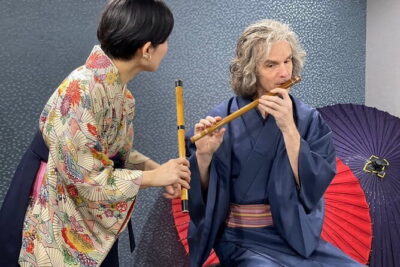
Traditional Japanese Music show & Experience Tour in Kyoto
Read our review →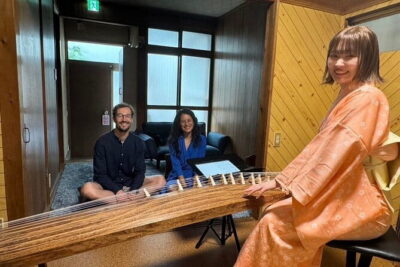
Concerts Played with Traditional Instruments in Kyoto
Read our review →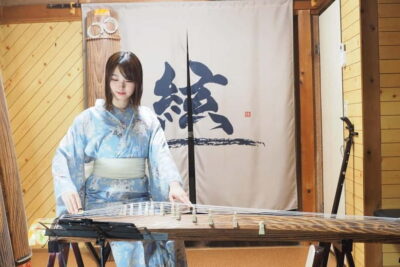
Kyoto: Japanese Koto & Shamisen Concert and Koto Class
Read our review →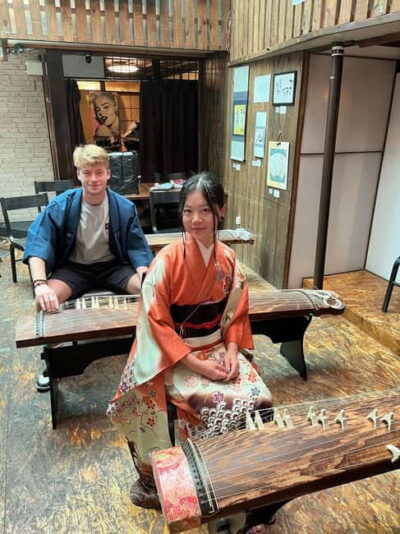
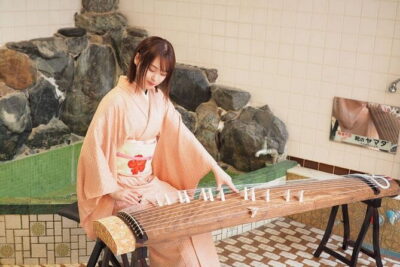
Traditional Concert in Public bath near Kyoto Station
Read our review →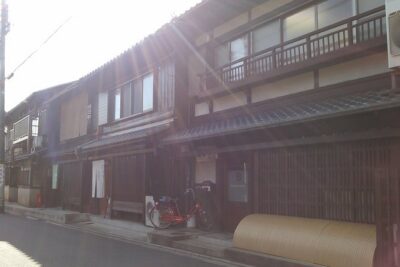
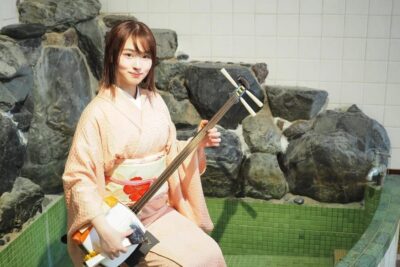
Kyoto: Kujo-yu Sento Traditional Japanese Instrument Concert
Read our review →Browse the lists this tour appears in