
Review · KYOTO
Concerts Played with Traditional Instruments in Kyoto
Kyoto has many places to see traditional arts, but few let you hear koto and shamisen music inside a Japanese home. At Gen Home Saiin, the house becomes a small concert stage, giving the performance a close, personal feel rather than the distance of a large theater.
I like the clear introduction before the music and the chance to ask questions afterward. I also like the choice of a hands-on koto session, which gives you more to do than simply sit and listen. The main consideration is the short length: at about 50 minutes, this is a focused musical encounter, not a full evening concert.
Key points
- Hear classical and modern music: The program can include Chidori no Kyoku, Rokudan no Shirabe, Kajimakura, and original compositions.
- Visit a traditional Kyoto home: Gen Home Saiin provides a more intimate setting than a concert hall.
- Learn before listening: The performers explain the koto and shamisen before playing.
- Ask questions afterward: A post-concert Q&A gives you time to understand the instruments and music.
- Try the koto: An upgrade lets you play a simple piece yourself.
- Choose from several times: Multiple sessions during the day make this easier to fit into a Kyoto sightseeing plan.
A Kyoto concert inside Gen Home Saiin
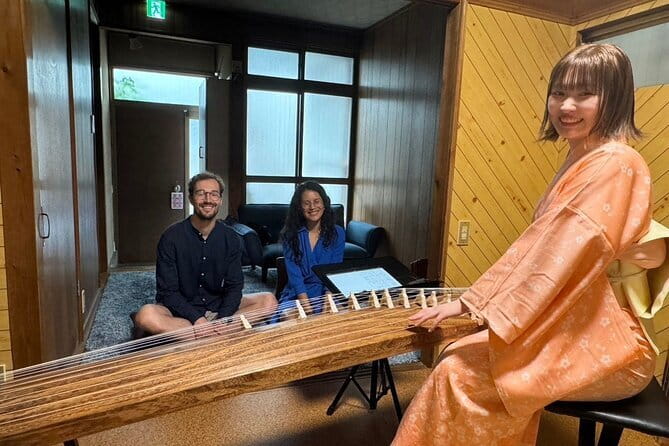
The first thing to understand is the setting. This is not a large stage production with rows of seats and a formal theater atmosphere. You enter Gen Home Saiin, a traditional Japanese home in Kyoto, where the performers turn the living space into a concert venue.
That setting matters. The koto and shamisen are instruments with fine, detailed sounds. In a smaller room, you are close enough to notice the plucked strings, pauses, and changes in tone. The experience feels personal and direct, with the musicians nearby rather than far across a stage.
The program is called Harmonies of Japan. It brings together classical works linked to major figures in Japanese music, including Yoshizawa Kengyo, Yatsuhashi Kengyo, and Kikuoka Kengyo. You also hear newer and original compositions, so the program is not limited to music from the past.
This mix is useful if you want more than a history lesson. You get a sense of how traditional instruments sound in their established repertoire, then hear how performers can use them in more recent music. You may even recognize some of the tunes, though the exact pieces can vary by performance.
More Traditional Music and Dance Shows in Japan:
- Kyoto: Traditional Concert at Townhouse or Bathhouse
★ 4.9 · 224 reviews - Japanese Traditional Music Show in Tokyo
★ 5.0 · 72 reviews - Traditional Japanese Music show & Experience Tour in Kyoto
★ 5.0 · 57 reviews
The koto and shamisen, explained before the music
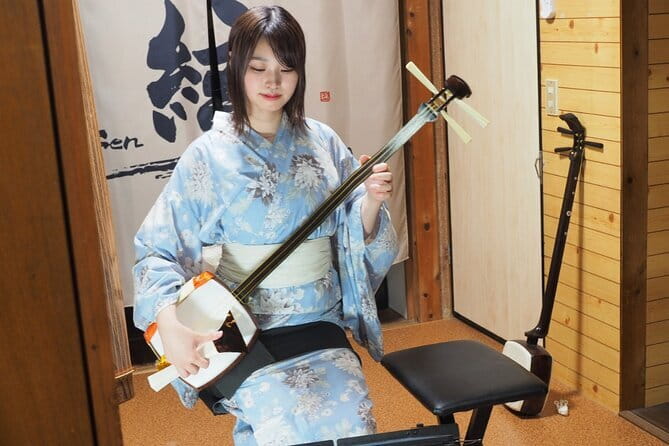
The concert begins with a brief introduction to the koto and shamisen. That short explanation helps you listen with sharper ears. Instead of hearing only unfamiliar sounds, you can start to separate the character of each instrument.
The koto is a long string instrument associated with Japanese classical music. The shamisen has a different shape and tone, adding another color to the performance. The musicians explain the instruments before playing, so you are not left guessing what you are hearing.
This is especially helpful if you have little background in Japanese music. You do not need to prepare by reading about scales, composers, or performance styles. The presentation gives you enough context to follow the concert without turning the experience into a lecture.
The introduction also makes the later Q&A more useful. Once you have heard the instruments and seen how they are played, you can ask practical questions about the music, construction, technique, and tradition. The format gives the performance a human side that a recorded concert cannot match.
Classical pieces with room for modern sounds
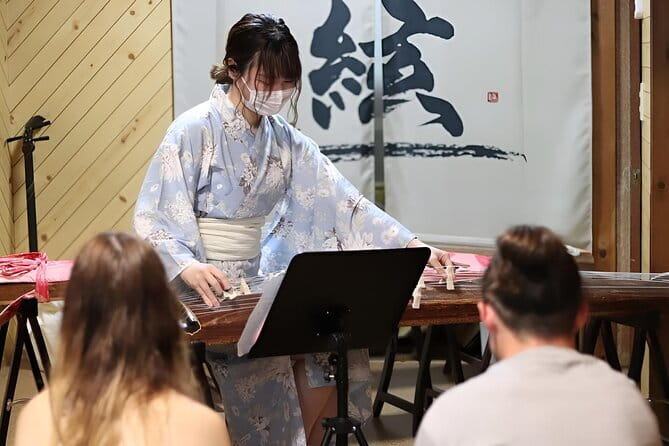
The program can include Chidori no Kyoku, Rokudan no Shirabe, and Kajimakura, along with other classical works. These names may mean little to you before the concert, but the performance gives them a place and a mood.
Chidori no Kyoku has made a particularly strong impression on some listeners. One person described being moved to tears by it. That reaction is not something you can count on, of course, but it points to the expressive power of the music when played in a close setting.
The performers also include modern and original works. I consider this one of the best features of the program because it avoids presenting Japanese music as something sealed in the past. You hear the traditional instruments in music connected to their older forms, then encounter pieces that show how they can still be used today.
The balance should suit several kinds of visitors. If you want a cultural introduction, the classical works give you a clear starting point. If you already know some Japanese music, the newer compositions add variety. If you simply enjoy live performance, the combination keeps the 50-minute program from feeling repetitive.
The Q&A and photos after the concert
The performance is followed by a question-and-answer session. This is an important part of the experience, not just a few closing remarks. You have a chance to speak directly with the professional musicians and ask about what you have just heard.
The available information describes the presentation as organized and detailed, with English used during the experience. That makes this a practical choice for visitors who want a meaningful cultural activity without needing Japanese-language knowledge.
The Q&A can also help you understand details that a short introduction cannot cover. You might want to ask why a certain piece sounds different from another, how the instruments are played, or how classical music relates to the modern compositions on the program. The exact questions are up to you, but the format encourages conversation.
There is also time for photo-taking after the concert. If you want a picture of the instruments or the performers, this is the proper moment to do it. Keep your camera put away during the music unless the hosts indicate otherwise, since the quiet setting makes concentration part of the experience.
A few more concerts around Japan worth a look
- Kyoto: Japanese Koto & Shamisen Concert and Koto Class
★ 4.9 · 31 reviews - Traditional Japanese Music show & Experience Tour in Osaka
★ 5.0 · 25 reviews - Tokyo: Traditional Asakusa Music Show with Dinner
★ 5.0 · 10 reviews - Traditional Concert in Public bath near Kyoto Station
★ 5.0 · 5 reviews
The optional hands-on koto session
You can upgrade your booking to include a hands-on koto session. Rather than only watching an expert, you get to try playing a simple piece yourself.
This option changes the feel of the visit. The concert introduces you to the instruments as an audience member, while the koto session gives you a small taste of the physical work involved. Even a simple piece can make you pay more attention to finger placement, timing, and the instrument’s response.
I would consider this upgrade if you enjoy active cultural activities or are booking for a child, teenager, or anyone who likes to try traditional crafts and arts. It may be less important if your main goal is quiet listening or if your schedule is tight.
The available details do not specify the length of the hands-on session or the extra cost. Check those points when selecting the option. The basic experience includes the concert and introduction, so do not assume the koto lesson is included in the standard price.
Why the home setting changes the experience
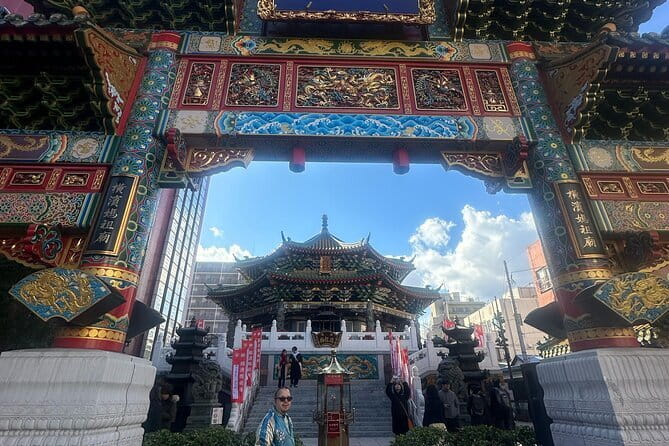
A home is a different kind of venue from a museum, auditorium, or formal cultural center. It can feel more welcoming and less intimidating, especially if you are new to Japanese traditional music.
The space also supports the small-group character of the concert. The experience is offered as a private or small-group event, depending on the option and booking. That means the atmosphere can be quieter and more personal than a public performance with a large audience.
There is a trade-off. A home setting may not offer the sightlines, stage lighting, or formal production of a theater. If you want a grand concert with a large ensemble, this is not the right choice. If you want close contact with the musicians and a direct introduction to the instruments, the home setting is a strong fit.
This kind of visit works well between larger Kyoto sights. You do not need to give up half a day for it. The short program lets you pair music with temples, shopping, or an evening meal, provided the location and travel time work with your chosen session.
A 50-minute activity that fits a busy Kyoto day
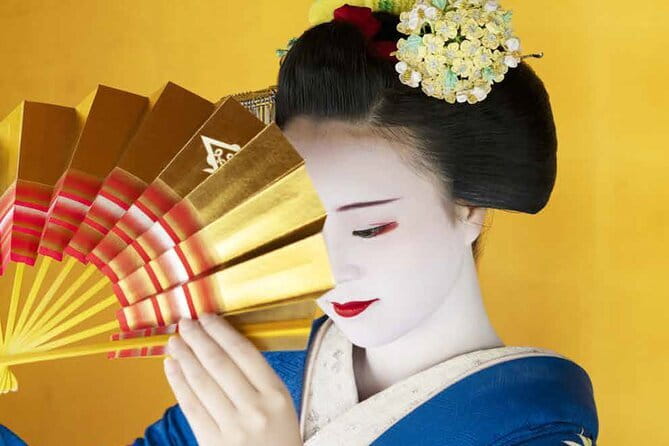
The concert lasts about 50 minutes. That is long enough for an introduction, live performance, questions, and photos, but short enough to fit into a packed itinerary.
I like this length for a first encounter with traditional Japanese music. You get a complete experience without committing to a long formal concert. It is also useful if you are traveling with someone whose interest in cultural performances is uncertain.
Still, the short duration sets a limit. You should not expect a large selection of works, a long lecture about Japanese music, or extensive time playing the koto. Think of it as a well-focused introduction.
Several tour times are available throughout the day. This flexibility is helpful in Kyoto, where sightseeing plans often change with weather, crowds, and opening hours. Pick a time that gives you a comfortable travel margin rather than squeezing the concert between two distant attractions.
The experience is near public transportation, which makes it easier to reach without private transport. Private transportation is not included, so you will need to make your own way there. The mobile ticket is convenient, especially if you are moving between different parts of the city.
Is $39.63 a fair price?
At about $39.63 per person, this is not the cheapest way to spend 50 minutes in Kyoto. But the value depends on what you want from the outing.
You are paying for more than a recorded performance. The price includes the koto and shamisen concert, a brief explanation of the instruments, access to a small home setting, and the chance to join a Q&A with the musicians. The optional koto session adds a more active element if you choose that upgrade.
For someone interested in Japanese culture, music, or hands-on experiences, the price is reasonable. You receive a direct encounter with professional performers rather than a general sightseeing presentation. It can also be a good choice for a first-time visitor who wants one carefully organized cultural activity.
The value is weaker if you are only looking for background music or a long concert. Coffee and tea are not included, and private transport is not included either. Plan this as a self-contained cultural stop, not as a meal or full-day tour.
Who should book this Kyoto music experience?
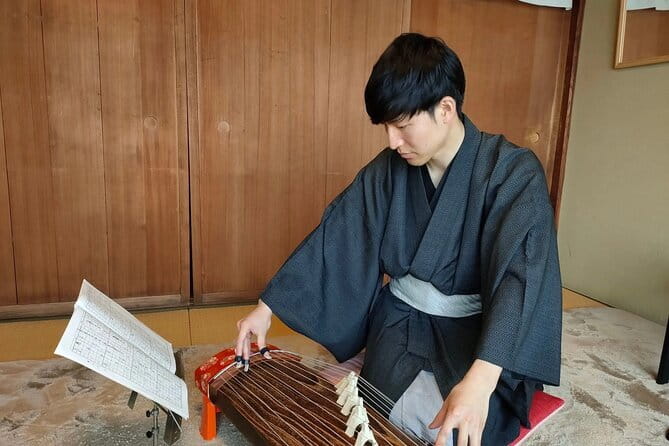
I would recommend it to visitors who want a quiet, thoughtful activity with real contact with Japanese traditional arts. It suits first-time listeners because the musicians explain the instruments and provide an English presentation.
It is also a good choice for couples, families, and small groups looking for something different from temples and gardens. The hands-on koto option is worth considering if you want participation rather than observation.
Music lovers may appreciate the range from classical pieces to modern and original compositions. You do not need to know the composers or recognize the titles in advance. The program gives you a simple way into the subject.
I would be more cautious about booking it for someone who wants a large-scale show, rapid entertainment, or a long list of sights. The room is intimate, the pace is calm, and the music asks you to listen closely.
The activity is designed so that most people can participate. It is near public transportation, and confirmation is provided at booking. Since the experience takes place in a home, check the meeting details carefully before setting out.
Planning tips before you go
Choose the standard concert if you want the clearest and shortest introduction. Select the hands-on option if trying the koto matters to you more than keeping the visit strictly focused on listening.
Arrive with enough time to find Gen Home Saiin. The activity itself is only about 50 minutes, so a late arrival could take away a noticeable part of the program. The exact meeting instructions should be checked with your mobile ticket.
Think about where this fits in your day. Since multiple times are available, you can place it around other Kyoto plans. Avoid booking it so tightly against another activity that a delayed train or a wrong turn creates stress.
There is free cancellation up to 24 hours before the start time. Changes or cancellations made less than 24 hours in advance are not accepted for a refund, and the cut-off uses local Kyoto time. That gives you flexibility early on, but not at the last minute.
My recommendation
Book this experience if you want an intimate introduction to Japanese music rather than a large theater show. The home setting, English explanations, live Q&A, and mix of classical and modern pieces give the 50 minutes real substance.
Choose the koto upgrade if you want to take part, and choose the standard option if listening is your priority. At $39.63, it offers good value for a focused cultural encounter, though coffee, tea, and transportation cost extra. For a quieter and more personal side of Kyoto, this is an easy activity to fit into your plans.
FAQ
Where does the concert take place?
The concert takes place at Gen Home Saiin in Kyoto, inside a traditional Japanese home used as the performance space.
How long does the experience last?
The experience lasts approximately 50 minutes.
Which instruments will I hear?
You will hear the koto and shamisen. The musicians provide a brief introduction and explanation of both instruments before the performance.
What music is performed?
The program can include classical pieces such as Chidori no Kyoku, Rokudan no Shirabe, and Kajimakura, as well as modern and original compositions.
Can I try playing the koto?
Yes. An upgrade is available that lets you take part in a hands-on koto session and try playing a simple piece.
Is transportation included?
No. Private transportation is not included. The venue is near public transportation, and WiFi is listed among the inclusions.
Can I cancel for a refund?
Yes. You can cancel up to 24 hours before the experience start time for a full refund. Cancellations or changes made less than 24 hours before the start time are not accepted for a refund.
Just added around Japan
- Tsugaru shamisen performance over traditional dinner★ 5.0 · 9 reviews
- Japanaese tradtional Tsugaru Shamisen music lesson in Tokyo★ 4.5 · 3 reviews
- Easy for everyone! Now you can play handmade mini shamisen and show off to everyone! Musical instruments, sweets and live music★ 5.0 · 3 reviews
- Traditional Japanese Music show & Experience Tour in Osaka★ 5.0 · 25 reviews
- Traditional Concert in Public bath near Kyoto Station★ 5.0 · 5 reviews
- Kyoto: Matcha & Traditional Japanese Music Immersive Experience★ 5.0 · 9 reviews
- Private Japanese music concert★ 5.0 · 4 reviews
- Tokyo Underground Music Tours★ 5.0 · 9 reviews
Kyoto Concerts, compared.
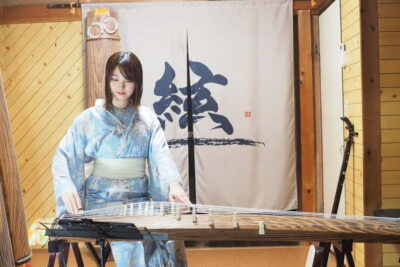
Kyoto: Traditional Concert at Townhouse or Bathhouse
Read our review →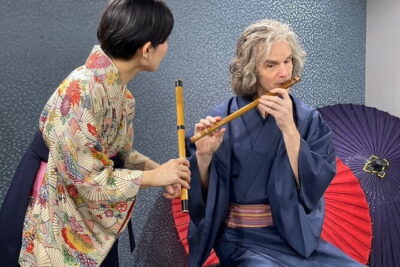
Traditional Japanese Music show & Experience Tour in Kyoto
Read our review →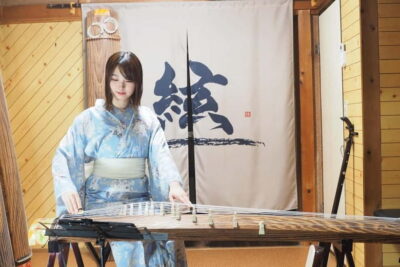
Kyoto: Japanese Koto & Shamisen Concert and Koto Class
Read our review →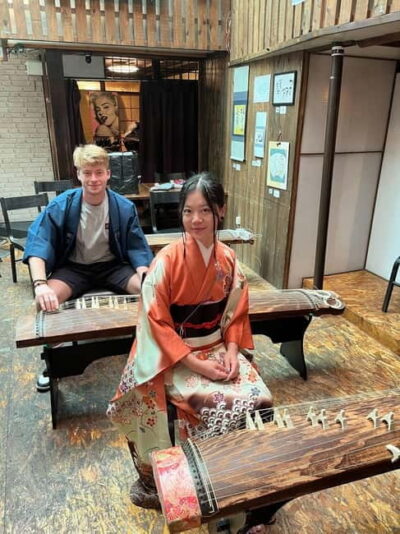
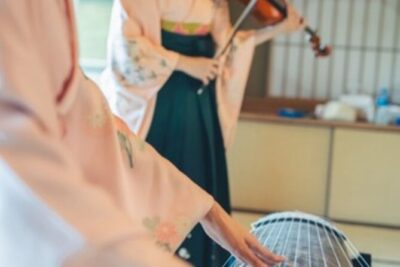
Kyoto: Matcha & Traditional Japanese Music Immersive Experience
Read our review →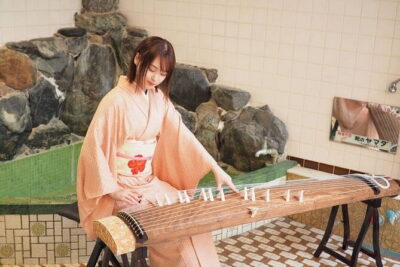
Traditional Concert in Public bath near Kyoto Station
Read our review →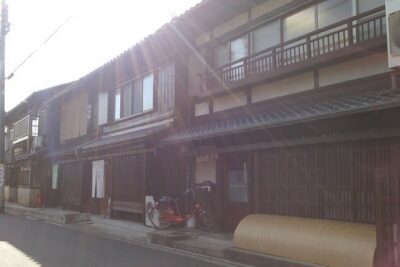
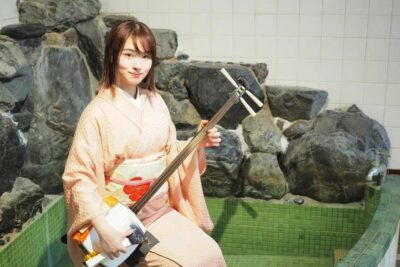
Kyoto: Kujo-yu Sento Traditional Japanese Instrument Concert
Read our review →Browse the lists this tour appears in