
Review · JAPAN
Tokyo Underground Music Tours
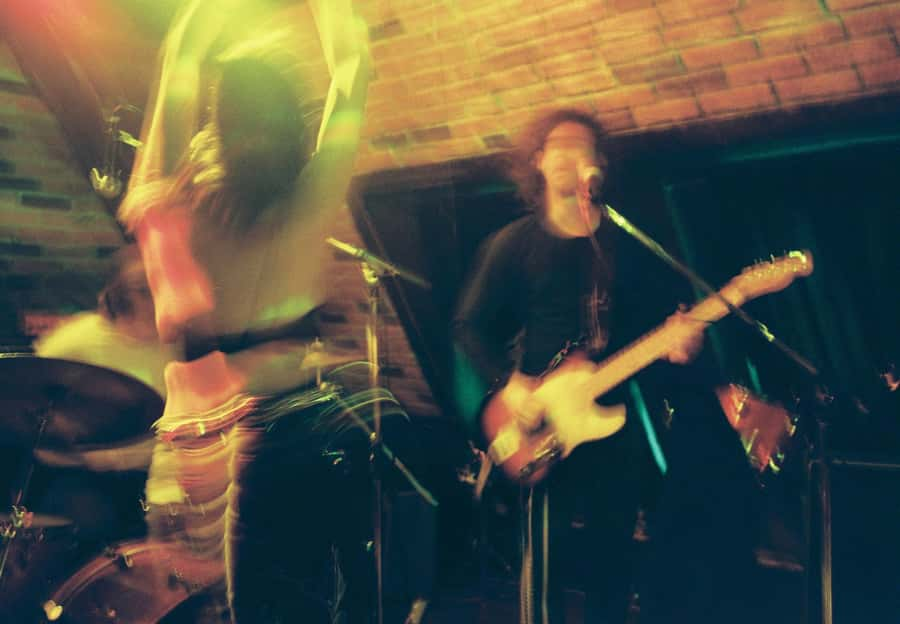
Tokyo’s underground music scene is easiest to enter with someone who knows which door to open. This small-group night begins at a classic vinyl bar, continues to a live house in Shibuya, and ends at a local music bar where the soundtrack matters as much as the drinks. Lea, also called Leandra, shapes the evening around your taste.
I like two things right away: the tour is built around your music preferences, and it aims to keep admission costs low. You are not simply marched through a fixed nightlife route. Lea can look for a suitable band, solo act, or venue, and can arrange stops with free entry when possible.
The catch is that drinks and admission fees are not included in the $64 price. Many venues allow smoking, and some have stairs with no elevator, so this is not a good fit if you have respiratory or mobility concerns.
Key points for Tokyo music fans
- A vinyl-first beginning: Start the night at a classic DJ bar in Tokyo’s music district, with records, cocktails, city lights, and a strong sound system.
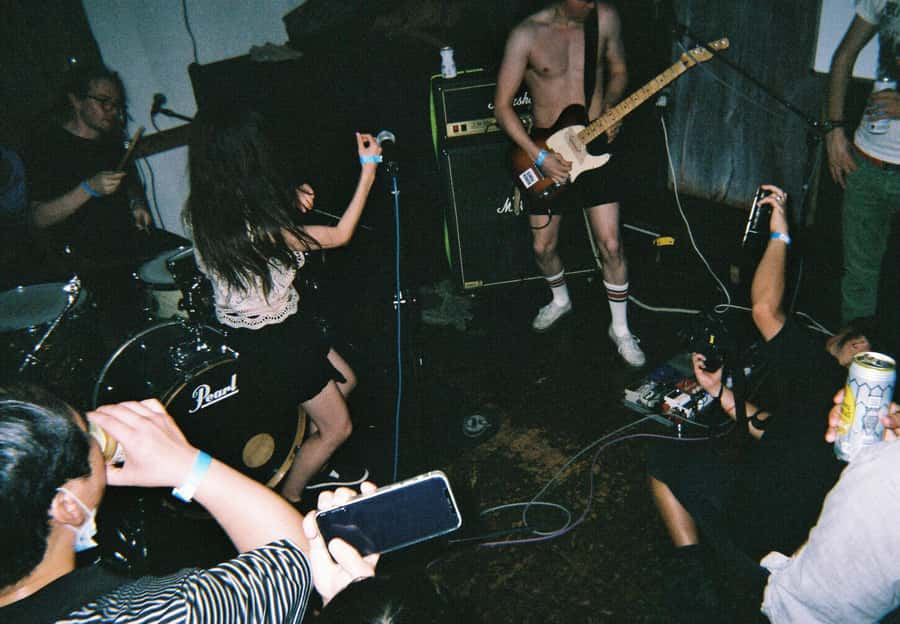
- A live-house stop: Visit a small performance venue where emerging and established Japanese acts may appear.
- A flexible music plan: Lea can adjust the evening to your preferred style instead of following a rigid set route.
- Small group size: With no more than eight people, the night should feel more personal than a large nightlife outing.
- Extra costs matter: The $64 fee covers the guide and planning, but you pay separately for entry and drinks.
- A late-night setting: Smoking is permitted in many venues, and the route is not suitable for people with limited mobility or respiratory issues.
Why this Tokyo music tour is different
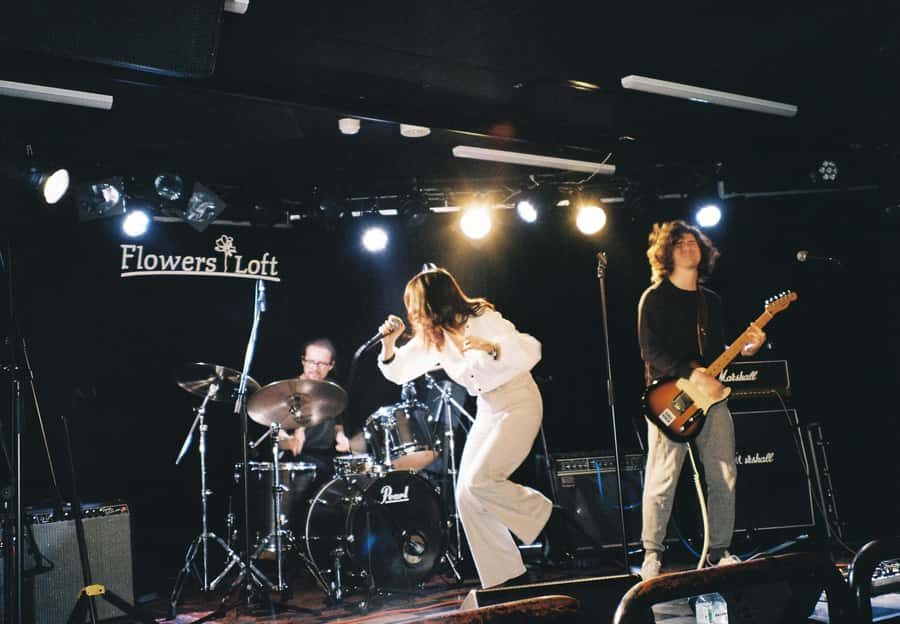
Tokyo nightlife can look easy from the outside. There are neon signs, crowded entertainment districts, and music venues everywhere. The hard part is knowing which places welcome newcomers, which shows fit your taste, and how to find a good night without paying a steep cover charge.
That is where this experience earns its keep. You are paying for local judgment and company, not for a concert ticket or an open bar. Lea helps you move through a part of Tokyo that can be difficult to enter alone, especially if you cannot read Japanese venue listings or do not know how the local live-house system works.
The small group limit of eight is important. It gives the guide room to ask what you listen to and adjust the plan. It also makes it easier to have a real conversation inside small bars, where a large tour group would quickly take over the room.
This is not a polished sightseeing show. It is a night built around places that serve local music communities. You might hear something familiar, or you might end up at an act you would never have found by searching standard Tokyo nightlife lists.
Other live music nights people book around Japan:
- Kyoto: Traditional Concert at Townhouse or Bathhouse
★ 4.9 · 224 reviews - Experience the Asakusa Kabuki Opera Show!
★ 5.0 · 99 reviews - Japanese Traditional Music Show in Tokyo
★ 5.0 · 72 reviews
Starting near Nishishinjuku
The listed meeting point is 1-chōme-1-3 Nishishinjuku, where you should look for a person holding a sign with the tour logo. Keep the meeting details handy, since Tokyo’s streets can become confusing after dark and venue entrances are not always obvious.
The route then takes you toward Shibuya City. The supplied schedule describes a three-hour experience, while the detailed itinerary notes a 3.5-hour period in Shibuya. Check the current starting time and expected finish when you book, particularly if you have a dinner reservation, a last train to catch, or another night activity planned.
The starting area and the later Shibuya stops give the night a useful sense of movement. You are not spending the entire evening in one bar. You begin with a drink and records, move to a performance, and then settle into a more relaxed music setting.
The vinyl DJ bar: records, cocktails, and city lights
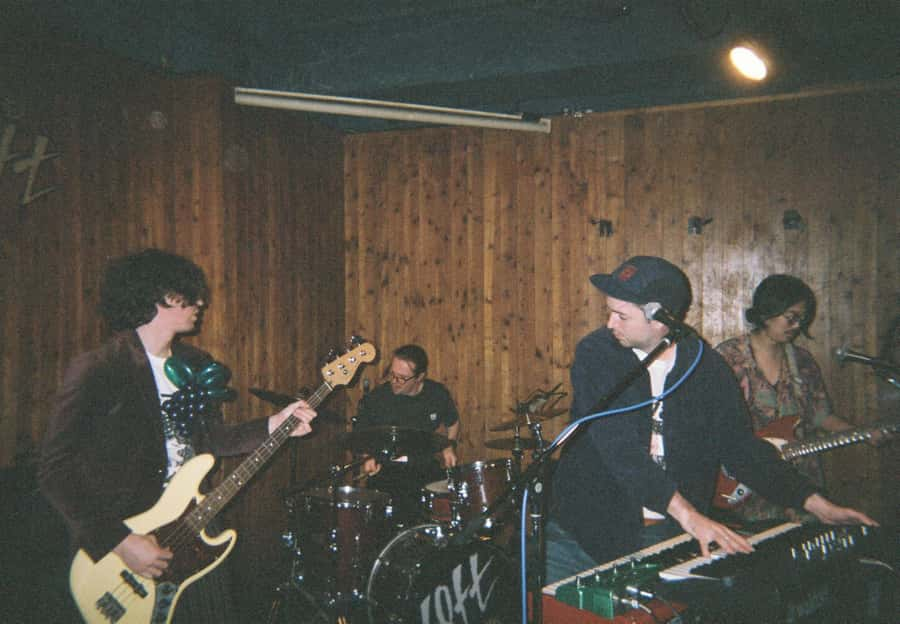
The first stop is a classic vinyl bar in the heart of Tokyo’s music district. The point here is not simply to have a drink. It is to see how much attention a small Japanese music bar can give to sound, records, and atmosphere.
You can expect cocktails and a serious sound system, with the city lights outside and the bass shaping the room. The setting should appeal to anyone who enjoys the physical side of music: the record selection, the warmth of a vinyl setup, and the way a bar’s mood changes with the DJ’s choices.
This is also a useful opening stop because it gives Lea time to understand what you want from the night. Tell her if you prefer guitar bands, electronic music, soul, jazz, punk, pop, or something else. The more specific you are, the more useful her choices can be.
Drinks are extra, so remember that the $64 price is not a bar tab. You decide what to order and pay for it yourself. That is a fair arrangement if you want control over spending, but less attractive if you expect an all-inclusive evening.
Finding the right live house in Shibuya
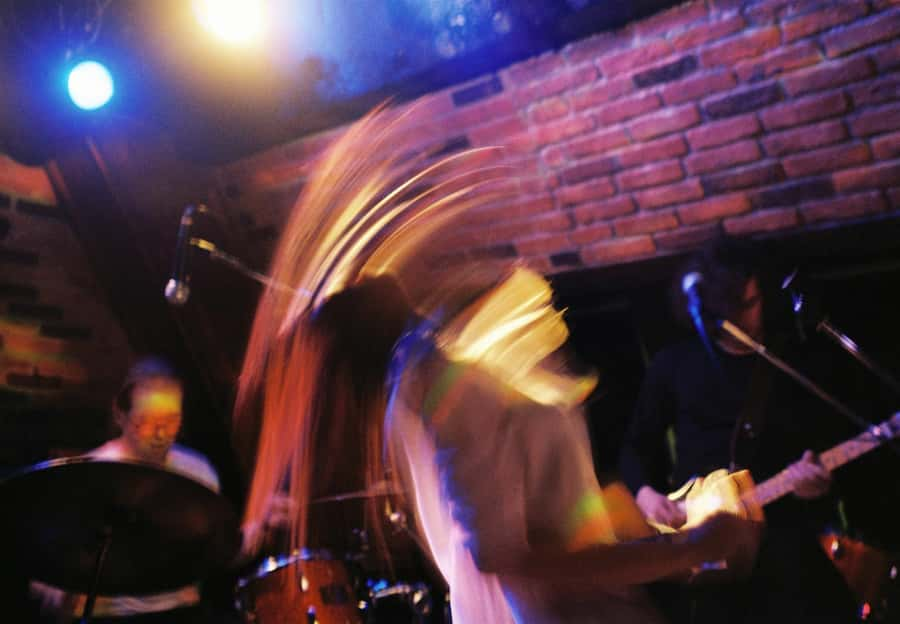
The live-house portion is the heart of the outing. In Japan, a live house is usually a small performance venue designed for direct contact between the stage and the audience. The format can feel more immediate than a large concert hall, since the room is built around the performers rather than spectacle.
The evening may include a band or solo act, with a mix of emerging and established performers. The exact act is not fixed in the information provided, which is actually part of the appeal. Lea can choose according to your requests and the available schedule.
Several people who joined the experience singled out this personal matching as the best part. Lea has taken people to shows they would not have found alone, and she has changed the plan to suit different musical preferences. One person described the selected gig as the highlight of a Tokyo trip, which tells you what this tour does best: it can turn a generic night out into a specific musical memory.
Still, you should book with an open mind. A personalized route does not mean a guaranteed famous act or a particular genre. The available show, entry charge, and venue atmosphere can vary. If you want a specific style, tell Lea before the tour rather than assuming the night will take care of itself.
Entry fees are separate. The tour works to find the lowest possible cost and can accommodate requests for venues with free admission, but free entry is not guaranteed. Ask about likely admission costs if your budget is tight.
Same city, a different sound:
- Traditional Japanese Music show & Experience Tour in Kyoto
★ 5.0 · 57 reviews - Concerts Played with Traditional Instruments in Kyoto
★ 5.0 · 50 reviews - Kyoto: Japanese Koto & Shamisen Concert and Koto Class
★ 4.9 · 31 reviews - Traditional Japanese Music show & Experience Tour in Osaka
★ 5.0 · 25 reviews
The final music bar and a slower ending
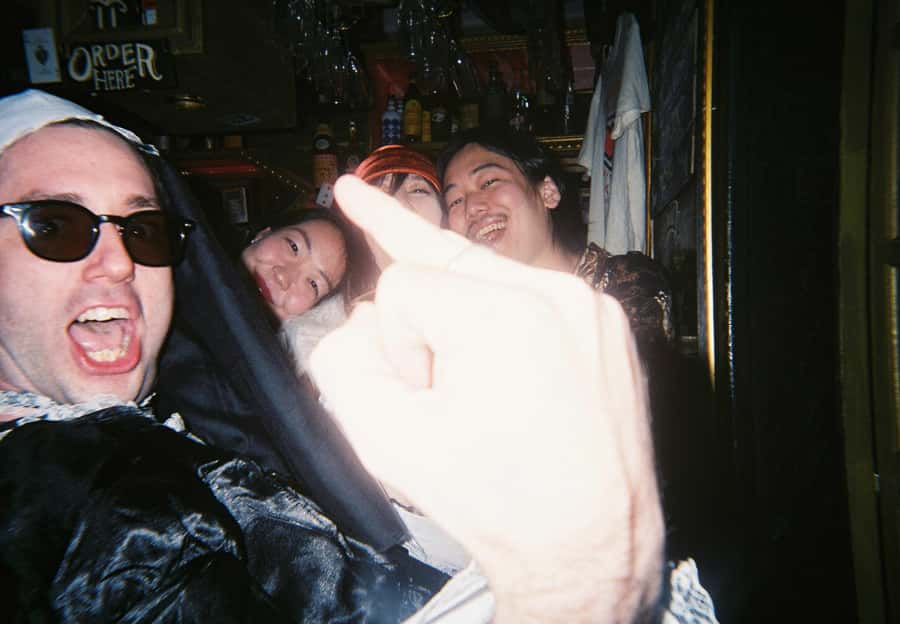
The last stop is a small local music bar designed for unwinding after the performance. Classic hits provide the background, and the pace becomes less about finding the next act and more about talking with the group and the guide.
I like this ending because it gives the night a natural landing point. After the concentration and noise of a live performance, a relaxed bar makes it easier to compare what you heard, ask Lea about the local scene, and meet people who came for similar reasons.
The setting is still part of Tokyo’s nightlife, not a formal lecture about music. You may find that the best conversations happen here, after everyone has heard the same band or shared the same small room. Again, drinks are not included, so plan to pay for your own order.
The description presents this as a cozy, low-key stop, but the word cozy should not be read as silent or smoke-free. Many venues on the tour allow smoking. If cigarette smoke bothers you, this may be the wrong nightlife experience.
What the $64 price really covers

At $64 per person, this tour is best judged as a guided access service rather than an entertainment package. You are paying for three hours, English-language guidance, route planning, local venue knowledge, and the chance to avoid wasting an evening on places that do not suit you.
You are not paying for:
- Admission to the live house
- Cocktails, beer, or other drinks
- A guaranteed artist or music genre
- A fully private tour
The value improves if you care about discovering local music and would otherwise spend time searching online or choosing bars at random. It is less compelling if you already know Tokyo’s music districts, speak Japanese, and are comfortable finding small venues on your own.
The low-entry-cost aim is a real advantage. A costly cover charge can make a casual live-house visit feel risky, especially when you do not know the performer. Lea’s effort to find inexpensive or free-entry options helps protect your budget, though you should still expect some additional spending.
A small group with a personal feel

The tour accepts up to eight participants. That is large enough for a social evening, but small enough for the guide to ask about individual tastes and keep track of the group while moving between venues.
The English-language format also matters. Tokyo’s music culture is easy to enjoy visually, but venue details, event listings, and local customs can be harder to follow if you do not read Japanese. Lea’s role is to make the night easier to navigate while giving you context about where you are.
The people best suited to this tour are curious, flexible, and happy to let the evening change direction. It is especially useful for a solo visitor who wants company without joining a large bar crawl, or for a young adult who wants a more local music night than a standard club outing.
You do not need to be a serious music expert. You only need to know what you like, or be willing to explain what you want to try.
Smoking, stairs, and other practical limits
The physical demands are worth taking seriously. Many venues allow smoking, and some do not have elevators. The tour is specifically not recommended for people with mobility impairments or respiratory issues.
Small music bars and live houses can also have cramped layouts, though no additional details are provided about the individual venues. Wear shoes and clothing that allow you to move comfortably between stops, and avoid bringing anything you would dislike carrying through a busy night.
The experience takes place after dark and includes alcohol-focused stops, but the tour does not state that drinking is required. You can decide what to order at each bar. If you do drink, pace yourself, since the route includes more than one venue and lasts several hours.
Free cancellation is available up to 24 hours before the start for a full refund. You can also reserve now and pay later, which helps if your Tokyo plans are still shifting.
Who should book this experience
I would choose this tour if music is one of the main reasons you want to spend time in Tokyo, but you do not know the local venues. It is also a strong choice if you want a night that feels personal rather than a standard sightseeing activity.
Book it if you:
- Want live music rather than a simple bar visit
- Enjoy small venues and local performers
- Prefer a guide who can adjust the plan
- Are happy to pay separately for drinks and entry
- Can tolerate smoking and stairs
- Want to meet a few other music-minded people
Think twice if you need a smoke-free setting, step-free access, or a fixed end time. You should also look elsewhere if your main goal is a guaranteed major concert, since the exact performer depends on the available program and your preferences.
Should you book Tokyo Underground Music Tours?
Book this experience if you want help finding the Tokyo music scene behind the obvious nightlife choices. The best reason to go is Lea’s ability to shape the evening around your taste, take you to places you may not find alone, and keep admission costs as low as possible.
The $64 price is reasonable for that kind of access, but only if you remember to budget for drinks and entry. I would send your music preferences in advance, confirm the expected length because the details refer to both three and 3.5 hours, and ask about the likely venue conditions if smoking or stairs are a concern.
For a flexible music fan, this can be one of the more personal ways to spend a night in Tokyo. For someone seeking comfort, guaranteed performers, or an all-inclusive price, it may not be the right match.
FAQ
How long does Tokyo Underground Music Tours last?
The activity is advertised as three hours. The detailed schedule also refers to a 3.5-hour period in Shibuya, so check the current timing when booking.
Where does the tour meet?
The listed starting location is 1-chōme-1-3 Nishishinjuku. The guide will hold a sign with the tour logo.
Where does the tour go?
The evening begins near Nishishinjuku and continues to Shibuya City for the music venues.
What venues are included?
The route includes a classic vinyl DJ bar, a live house, and a relaxed music bar with classic hits.
Can the tour be adjusted to my music taste?
Yes. The guide can accommodate requests and adjust the experience around your musical preferences.
Are drinks included in the price?
No. Beer, cocktails, and other beverages are not included.
Are admission fees included?
No. Admission fees are separate. The guide works to find low-cost options and can accommodate requests for venues with free admission.
Is the tour conducted in English?
Yes. The listed tour language is English.
How large is the group?
The tour is limited to eight participants.
Is the tour suitable for people with mobility or respiratory issues?
No. Many venues allow smoking, and some have no elevators. The experience is not recommended for people with mobility impairments or respiratory issues.
Just added around Japan
- Tsugaru shamisen performance over traditional dinner★ 5.0 · 9 reviews
- Japanaese tradtional Tsugaru Shamisen music lesson in Tokyo★ 4.5 · 3 reviews
- Easy for everyone! Now you can play handmade mini shamisen and show off to everyone! Musical instruments, sweets and live music★ 5.0 · 3 reviews
- Traditional Japanese Music show & Experience Tour in Osaka★ 5.0 · 25 reviews
- Traditional Concert in Public bath near Kyoto Station★ 5.0 · 5 reviews
- Kyoto: Matcha & Traditional Japanese Music Immersive Experience★ 5.0 · 9 reviews
- Private Japanese music concert★ 5.0 · 4 reviews
- Kyoto: Kujo-yu Sento Traditional Japanese Instrument Concert★ 5.0 · 2 reviews
Japan Concerts, compared.
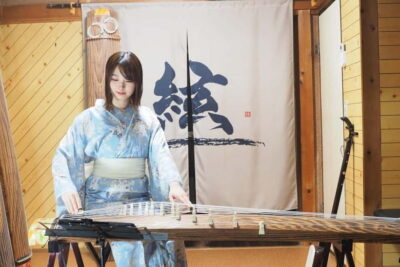
Kyoto: Traditional Concert at Townhouse or Bathhouse
Read our review →
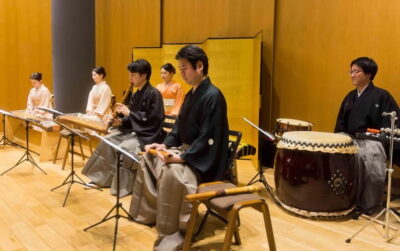
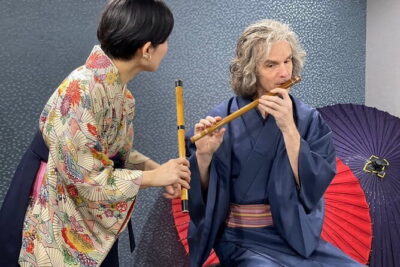
Traditional Japanese Music show & Experience Tour in Kyoto
Read our review →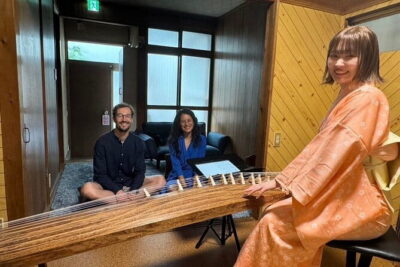
Concerts Played with Traditional Instruments in Kyoto
Read our review →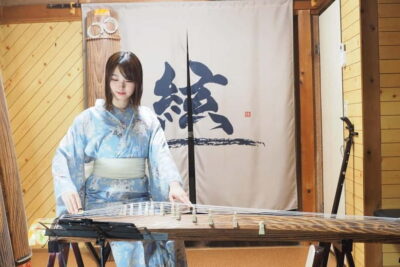
Kyoto: Japanese Koto & Shamisen Concert and Koto Class
Read our review →
Traditional Japanese Music show & Experience Tour in Osaka
Read our review →
Browse the lists this tour appears in