
Review · VIENNA
Vienna: Johann Strauss 200th birthday anniversary exhibition
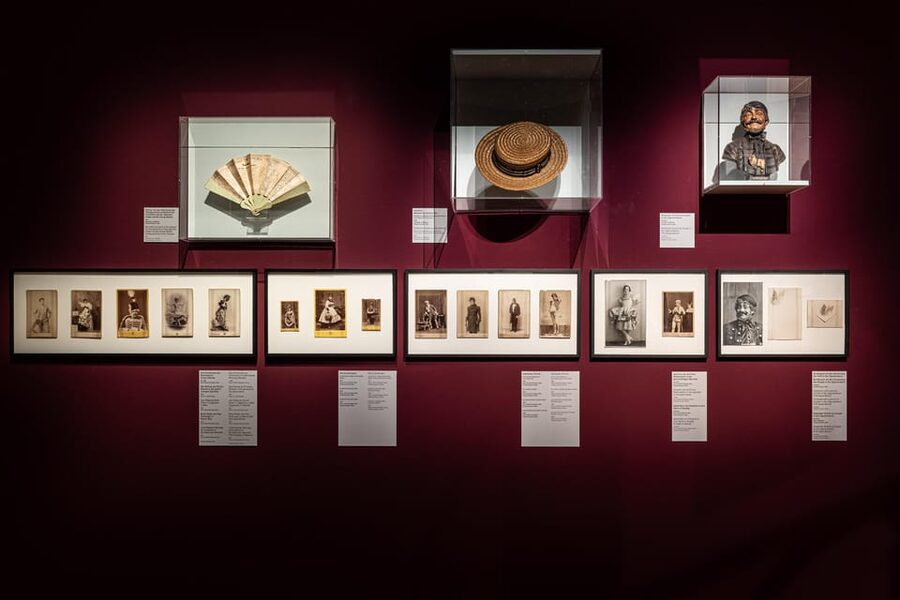
Vienna’s Johann Strauss anniversary exhibition puts the Waltz King’s music in a grand setting: the Theatermuseum inside Palais Lobkowitz. The original score of Die Fledermaus is the star object, but the show also traces Strauss’s concert music, dance music, operettas, family life, and international fame.
I like the way the exhibition connects Strauss’s music to the city that made him famous, then follows that music across the Atlantic to Boston. I also like the use of original performance objects and written material, which gives the composer’s work a physical presence beyond the familiar New Year’s concert tunes.
The main drawback is that the music and films are not always synchronized. That can be annoying when you are trying to connect what you hear with what you see. An audio guide is also not included, so you should be comfortable taking in the displays on your own.
Key points to know before you go
- The original Die Fledermaus score is the exhibition’s most important single object.
- Palais Lobkowitz provides a historic setting for Strauss’s work and the Theatermuseum collection.
- Music examples and films help bring the composer’s performance world to life, though they may not always line up perfectly.
- The exhibition covers more than waltzes, including dance music, concert works, and music theater.
- Strauss’s international reach is shown through his world tour, including Boston.
- The $18 ticket includes museum admission, while an audio guide costs extra if available.
A Strauss exhibition in Vienna’s Palais Lobkowitz
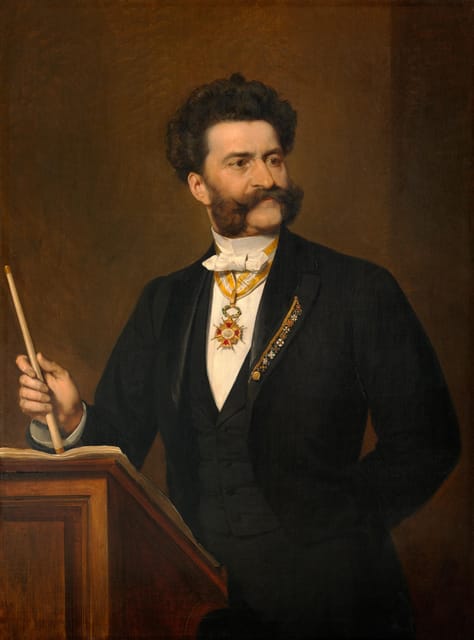
Johann Strauss Sohn was born 200 years ago, and this exhibition uses the anniversary to look beyond the famous melodies. You get a portrait of a working composer whose music filled dance halls, concert programs, and theaters far beyond Vienna.
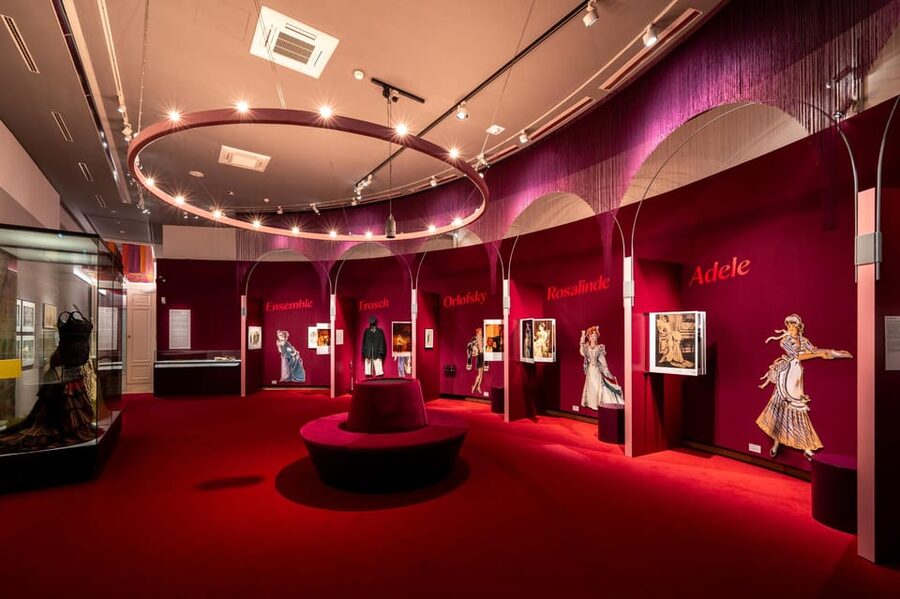
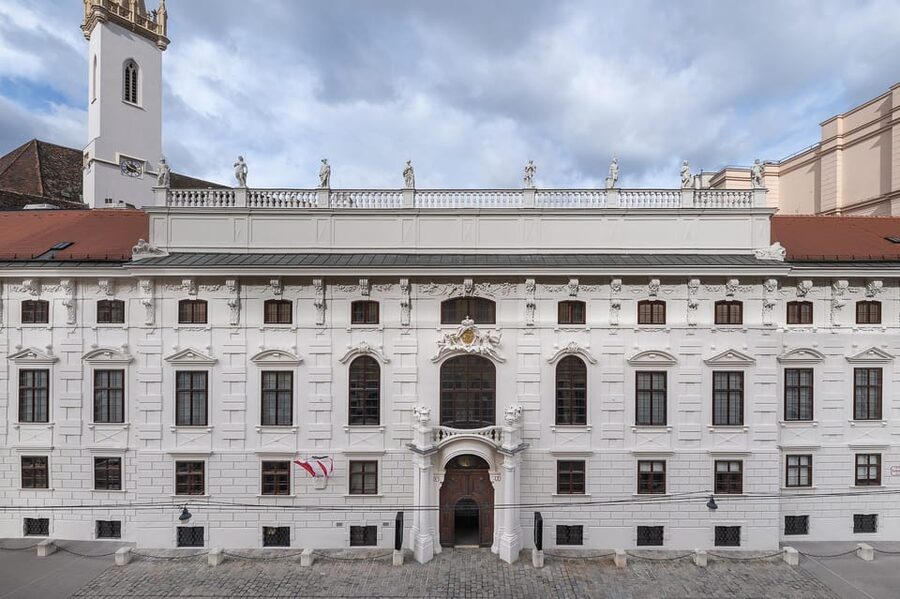
The setting matters. The Theatermuseum occupies Palais Lobkowitz, a historic Viennese palace with rooms suited to the display of costumes, documents, stage materials, and instruments. You are not entering a modern hall built only for this one show. You are visiting an established theater collection in one of Vienna’s grand buildings, then finding Strauss at its center.
The exhibition is presented jointly by the Theatermuseum and the Vienna Library in City Hall. That partnership lets the show combine objects connected to performances with material from Strauss’s written legacy. For you, this means the exhibition can move between the public Strauss, the composer seen on posters and heard in concert, and the private man revealed through letters and documents.
I would plan on a focused museum visit rather than a quick look at one famous score. The ticket is valid for one day, with starting times dependent on availability, so check the schedule before you go. The experience is not described as a guided tour, and the audio guide is not included. Give yourself enough time to read and listen instead of treating the exhibition as a brief photo stop.
More Classical Concerts in Austria
- Vienna: Vivaldi’s Four Seasons Concert in Karlskirche
★ 4.7 · 14,951 reviews - Vienna: Classical Concert in the World-Famous Musikverein
★ 4.6 · 6,673 reviews - Vienna: Mozart Concert at the Musikverein – Golden Hall
★ 4.6 · 5,194 reviews
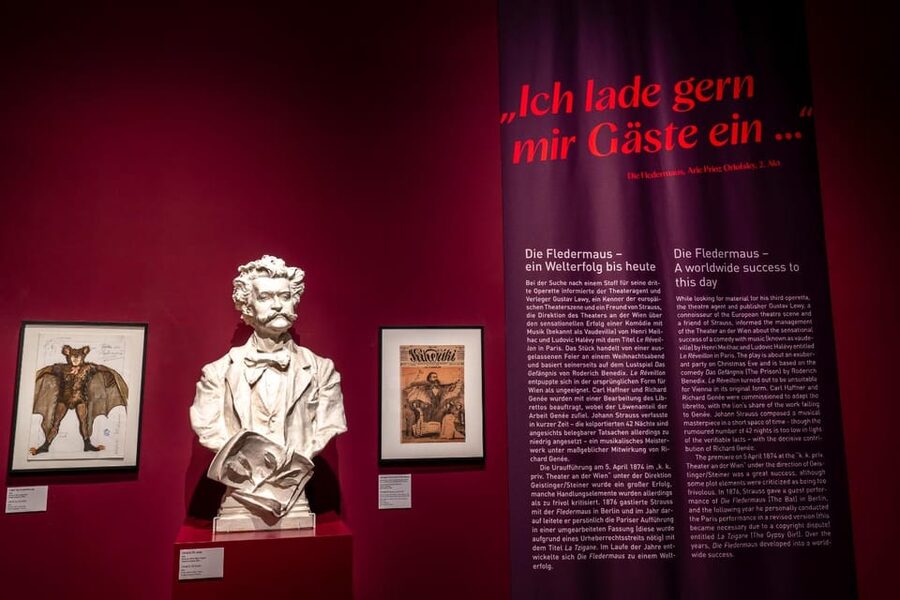
Seeing the original score of Die Fledermaus
The original score of Die Fledermaus is the exhibition’s clearest must-see. If you know the operetta from performances or recordings, seeing the composer’s actual notation adds a different layer to the music. It turns a familiar title into a working document, with Strauss’s ideas preserved on paper.
You should not expect the score to function like a performance. It is an object to study, not a substitute for hearing the complete operetta. Its value comes from its closeness to the act of composition and from the place Die Fledermaus holds in Strauss’s music theater work.
The exhibition places this score within a larger look at Strauss’s artistic production. That is useful because the composer is often reduced to a handful of waltzes. Here, you can connect his dance music with the operettas and other stage works that helped make his name known around the world.
Look carefully at how the display moves from paper to performance. Original documents explain what Strauss wrote, while performance objects show how his works entered public life. The combination helps you understand that a Strauss work was not only a melody on a page. It was also a staged, danced, and marketed event.
Hearing the music instead of only reading about it
Music is essential to this exhibition. The displays include lively musical examples, so you are not left with labels and silent objects. This is especially helpful if you recognize Strauss by sound but know little about his life or his scores.
The language used in the presentation is clear, and the music examples add useful context. You can connect a written document or performance object with the kind of music it supported. That makes the exhibition easier to follow for someone who has not studied classical music.
There is one technical weakness to keep in mind. The music is not always synchronized with the films. At times, what you hear may not match the action on screen, which can interrupt the connection between performance and display. If that happens, focus on one element at a time rather than expecting every film and sound cue to work as a single presentation.
Even with that flaw, the sound component matters. Strauss’s work was made for movement, social occasions, and live performance. A silent exhibition would miss much of its character. The musical examples help restore some of the energy that paper documents and glass cases cannot provide on their own.
Following Strauss from Vienna to Boston
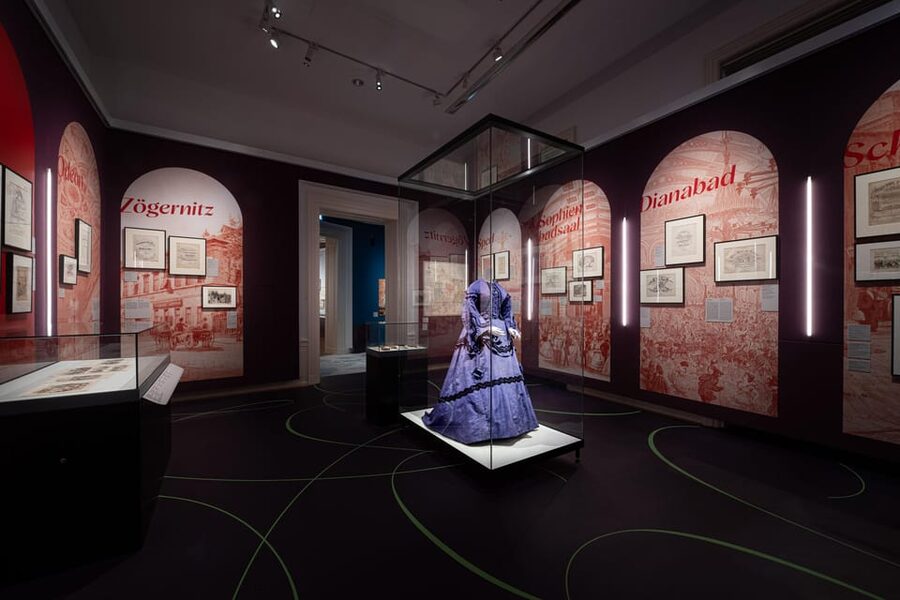
Vienna is the natural starting point for this story, but the exhibition does not keep Strauss inside Austria. One of its appealing features is the chance to follow his world tour to Boston.
That international section helps explain why Strauss became more than a local Viennese composer. His music crossed borders because it could function in several settings: the ballroom, the concert hall, and the theater. The Boston connection gives you a clear example of how far his reputation traveled.
For a visitor in Vienna, this wider view is valuable. It keeps the exhibition from becoming a simple celebration of local pride. Strauss belongs strongly to Vienna, but his music was also shaped by international demand and helped create a shared musical language far outside the city.
The Boston material is also a useful reminder that touring was part of a composer’s professional life. Strauss’s fame depended not only on writing music but also on performance, promotion, and public interest. The exhibition uses that outward journey to show the scale of his success.
More Classical Concerts in Vienna
- Vienna: Classical Concert in St. Anne’s Church (Annakirche)
★ 4.6 · 3,414 reviews - Vienna: Mozart and Strauss Concert at Schönbrunn
★ 4.5 · 2,967 reviews - Vienna: Classical Concert at Mozart’s First House
2,423 reviews - Vienna Classical Concert at St. Peter’s Church
★ 4.5 · 2,039 reviews
The private life behind the Waltz King
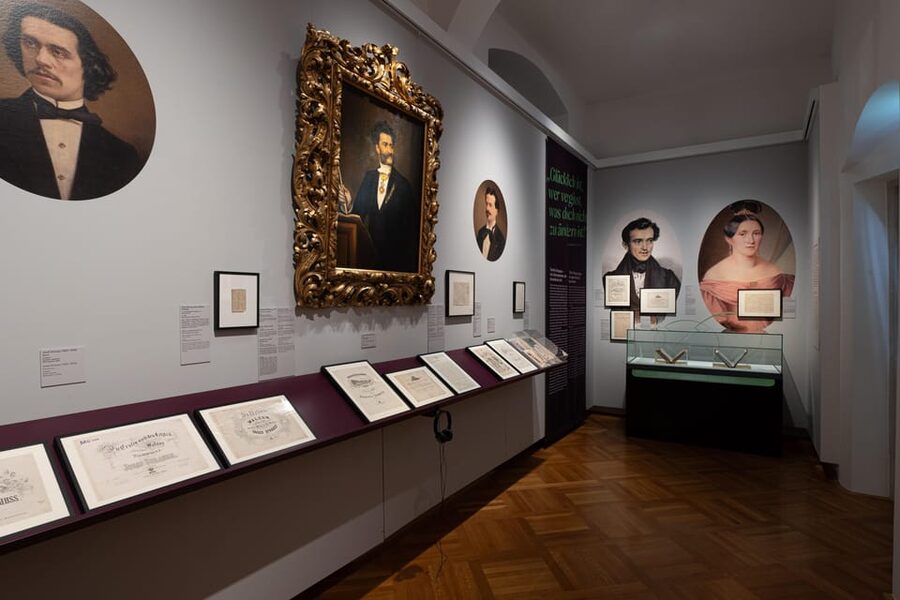
The show also looks at Strauss’s relationships with his parents, brothers, three wives, and love affairs in Russia. This personal material gives you a more complicated picture than the polished image of a composer surrounded by elegant waltzes.
Family connections mattered in the Strauss story, and the exhibition places those relationships within his demanding working life. The description of his schedule and career presents him as a man under pressure, not simply a cheerful figure conducting dance music.
The material concerning Russia and his love affairs adds another side to his international life. It also shows how personal relationships and travel could overlap with professional commitments. You may find these displays less immediately visual than costumes or performance objects, but they help explain the man behind the public name.
This part of the exhibition is best approached as context, not gossip. The point is not only to list romantic episodes. It is to show how Strauss’s private life, family ties, and professional world could pull in different directions.
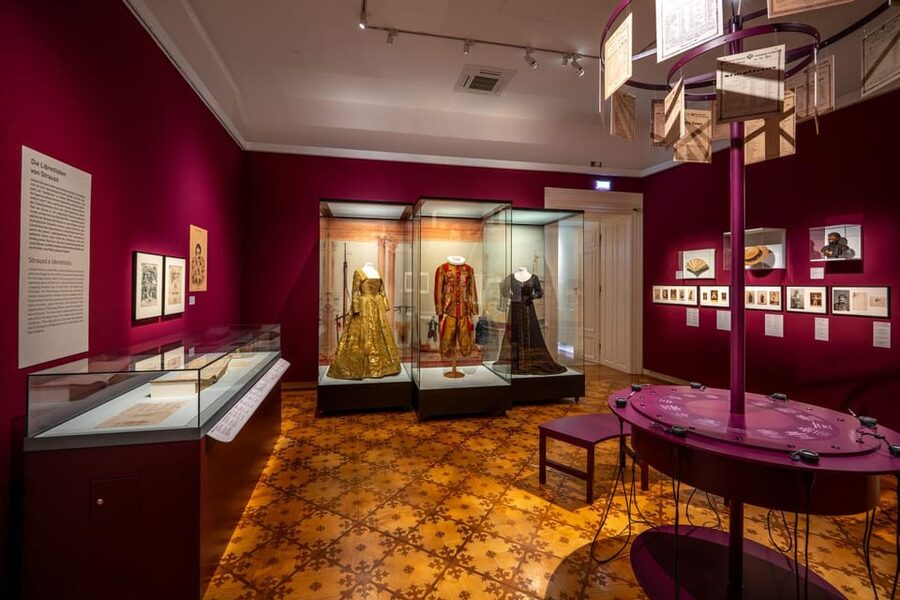
Original performance objects and the world around them
The Theatermuseum’s main strength here is its connection to the performing arts. Original objects from productions and exhibits from Strauss’s written legacy help place the music in its proper setting.
A score tells you what the composer created. A performance object suggests how that creation was presented to an audience. Together, these materials help you picture the theater and concert culture in which Strauss worked.
The exhibition also addresses the historical and political setting of the era. That does not turn the visit into a political history course, but it gives the music a wider frame. Strauss’s works were produced in a particular society, for particular audiences, at a time when Vienna was changing and cultural life was expanding.
I appreciate this approach because it gives you more than a display of famous titles. You can ask practical questions as you move through the rooms: What kind of performance was this object part of? Who was the intended audience? How did Strauss’s music travel from a Viennese stage to an international public?
How much time and value should you expect for $18?
At $18 per person, the ticket is fairly priced for an exhibition that includes admission to the Theatermuseum and the Johann Strauss anniversary display. You are paying for more than a single object or a short concert clip. The ticket gives you access to the museum setting and a show that combines documents, performance material, visual displays, films, and music.
The value depends on how you visit. If you only want to see the Die Fledermaus score, the price may feel high for a short stop. If you take time to read about Strauss’s family, follow his international career, listen to the musical examples, and look at the original objects, the admission makes more sense.
The one-day validity gives you some flexibility, but it does not mean the exhibition runs continuously without timed availability. Check the available starting times before you book. That small step can prevent the awkward experience of arriving in Vienna with a loose plan and finding that your preferred time is unavailable.
The audio guide is not included. If a guide option is offered separately, factor that into your budget. The exhibition presentation is described as using good language, so you can still follow the main story without it, but an audio guide may appeal to you if you prefer spoken explanation over reading labels.
The experience is wheelchair accessible, which makes it a practical choice for visitors who need step-free access. Specific details about every room or facility are not provided, so anyone with particular access needs should confirm the arrangements before booking.
Who will enjoy this exhibition most?
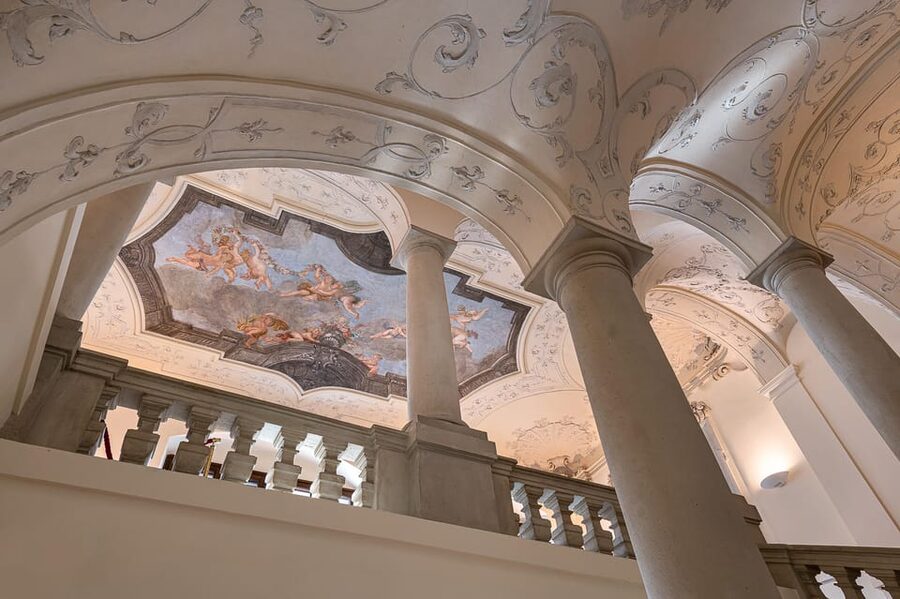
You do not need to be a devoted Strauss fan to get something from the visit. If you enjoy Vienna’s cultural history, opera, operetta, classical music, or historic interiors, the exhibition gives you several ways in.
It is especially suitable for:
- Anyone who knows The Blue Danube or Die Fledermaus and wants to understand the person behind the music.
- Visitors interested in original scores, manuscripts, and theater objects.
- People looking for a quieter cultural stop away from Vienna’s larger palace and museum crowds.
- Families or companions with different levels of classical music interest, since the exhibition combines visual objects, written information, sound, and film.
- Visitors who want to connect Vienna with the wider international spread of its music.
It may be less satisfying if you want a full live concert, a performance of Die Fledermaus, or a guided talk led by a named expert. No guide name is provided, and the ticket does not include a live musical program or audio guide.
Practical advice for making the visit work
Check the starting times and reserve a slot that fits your day. The ticket is valid for one day, but availability controls when you can begin.
Read the display material before moving quickly to the audiovisual sections. The documents and objects provide the framework, while the music and films add atmosphere and sound. If the film and music fall out of sync, do not let that spoil the whole visit. Treat the visual and audio material as separate parts of the presentation.
Pay special attention to the links between the sections. The best way through the exhibition is not simply to search for famous tunes. Follow the path from Strauss’s family and working life to his compositions, then from the Viennese stage to international destinations such as Boston.
Allow time for the original score. It is easy to spend more attention on moving images and sound, but the score is the most direct connection to Strauss as a composer. Even a short pause there can make the rest of the exhibition feel more grounded.
Should you book the Johann Strauss exhibition?
Book it if you want a focused look at Strauss in the city where his music became a cultural force. The combination of the original Die Fledermaus score, performance objects, music examples, personal material, and the Boston story gives you a fuller view than a standard display of waltz memorabilia.
I would especially recommend it to anyone already planning a Theatermuseum visit. At $18, the museum admission and anniversary exhibition make a sensible pairing, and the historic Palais Lobkowitz setting adds to the experience.
Think twice if your main goal is live music or a fully guided tour. The sound and films have a synchronization problem, and the audio guide is not included. For everyone else, this is a well-focused cultural stop that explains why Strauss still belongs at the heart of Vienna’s musical identity.
FAQ
What does the ticket include?
The ticket includes admission to the Theatermuseum in Palais Lobkowitz and entry to the Johann Strauss anniversary exhibition.
How much does the experience cost?
The listed price is $18 per person.
How long is the ticket valid?
The ticket is valid for one day. Starting times depend on availability, so check the schedule when booking.
Is an audio guide included?
No. The audio guide is not included in the ticket.
Is the exhibition wheelchair accessible?
Yes, the activity is listed as wheelchair accessible.
Can I cancel the booking?
Yes. You can cancel up to 24 hours in advance for a full refund. A reserve-now-and-pay-later option is also available.
More Museum Visits in Vienna
- Vienna: Classical Concert at Mozarthaus with Museum Entry
★ 4.8 · 371 reviews - Vienna: Strauss Museum – Music&History in Historic 1837 Hall
★ 4.7 · 31 reviews - Strauss Exhibition incl. LED Concert Show / Coffee + Strauss Cake
★ 5.0 · 30 reviews - Vienna: House of Strauss Museum Entry Ticket
★ 5.0 · 22 reviews
Just added around Vienna
- Vienna’s Musical Heart: Private Walking Tour with a Local★ 5.0 · 2 reviews
- Vienna: Concert by the Vienna Baroque Orchestra★ 4.6 · 56 reviews
- Vienna: Strauss Museum – Music&History in Historic 1837 Hall★ 4.7 · 31 reviews
- Vienna Supreme Orchestra at Palais Niederösterreich★ 4.8 · 10 reviews
- Vienna: Sunday Brunch Danube Cruise & Live Music★ 4.2 · 42 reviews
- Vienna Private Walking Tour including State Opera★ 3.2 · 7 reviews
- Vienna: Romantic Classics Piano, Violin, and Cello Concert★ 4.7 · 60 reviews
- Vienna: Mozart, Beethoven, & Strauss Private Tour★ 5.0 · 4 reviews
Vienna Concerts, compared.
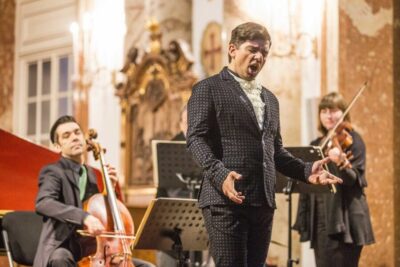
Vienna: Vivaldi’s Four Seasons Concert in Karlskirche
Read our review →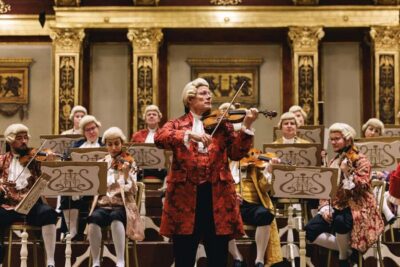
Vienna: Mozart Concert at the Musikverein – Golden Hall
Read our review →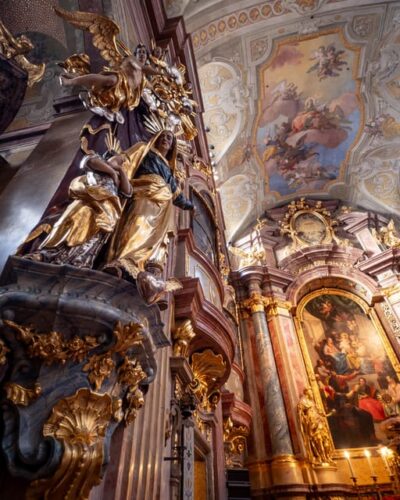
Vienna: Classical Concert in St. Anne’s Church (Annakirche)
Read our review →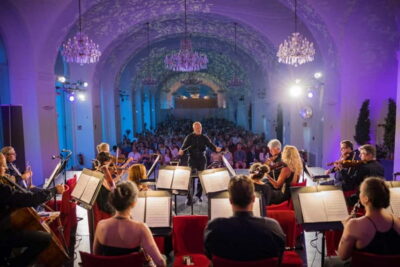
Vienna: Mozart and Strauss Concert at Schönbrunn
Read our review →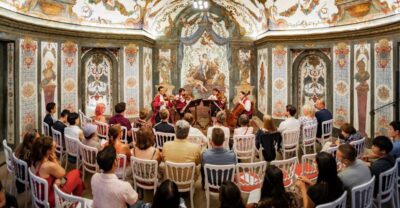
Vienna: Tickets for Mozarthaus Vienna with Audio Guide
Read our review →
Vienna Classical Concert at St. Peter’s Church
Read our review →Vienna: Classical Concert in St. Anne’s Church (Annakirche)
Read our review →Browse the lists this tour appears in