
Review · VIENNA
Mozarthaus Vienna Admission Ticket
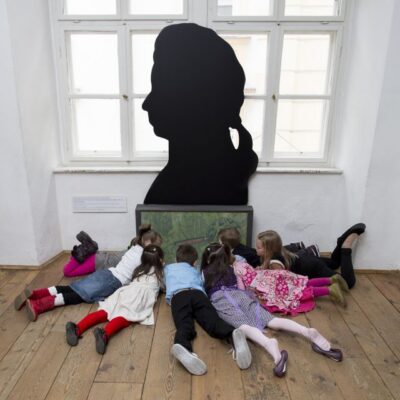
Mozart’s most productive Vienna home is the heart of this museum. From 1784 to 1787, he lived in the grand apartment at Mozarthaus Vienna and composed The Marriage of Figaro plus three of his six Haydn Quartets. You can walk through the same surviving apartment and then follow his career across three floors.
I like the self-paced audio guide, offered in 13 adult languages and eight children’s languages. I also like the location near St. Stephen’s Church, which makes this an easy stop during a walk through central Vienna. The main caution is that the apartment is not fully furnished as it was in Mozart’s day, and some visitors may find the museum’s organization uneven.
Key points to know before you go
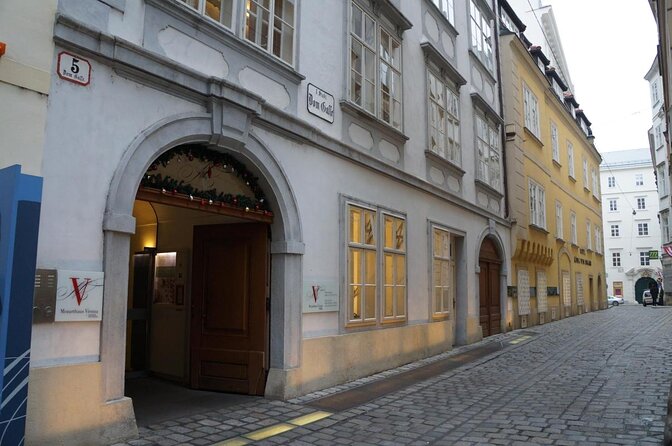
- Mozart’s only preserved Vienna apartment: See the home he occupied from 1784 to 1787.
- Three floors with different themes: The exhibition covers Mozart’s personal life, musical partnerships, and Vienna years.
- The creative high point: This is where Mozart wrote The Marriage of Figaro and three Haydn Quartets.
- Audio guide included: Choose from 13 adult languages or eight children’s languages.
- Plan on one to two hours: You can move quickly in about an hour or linger over manuscripts, performances, and displays.
- Central Vienna setting: The museum is near St. Stephen’s Church and public transportation.
Why Mozart’s Vienna apartment matters
Mozart lived in several places during his life, but this is the only Vienna residence that remains intact. That fact gives Mozarthaus Vienna its strongest appeal. You are not simply looking at a composer’s portrait and a few labels. You are entering the one surviving apartment connected to his most successful years in Vienna.
The period from 1784 to 1787 was a major turning point. Mozart had established himself in Vienna and was working at a high level. The apartment was the largest, most elegant, and most expensive home he ever occupied. It also served as the setting for an extraordinary burst of work.
The Marriage of Figaro came from these years, as did three of Mozart’s six Haydn Quartets. For anyone who listens closely to Mozart’s music, that connection gives the rooms real weight. You can stand in the same general space where those works were written, even though the museum does not recreate every room with original furniture.
That distinction matters. You should not expect a perfectly restored 18th-century home with Mozart’s personal belongings still in place. The presentation includes copies of documents, reproductions, contemporary material, video clips, and a limited number of period objects. The museum is careful about what is original and what is reconstructed, but the result feels more like a historical exhibition than a preserved private home.
More Tickets in Vienna:
- Vienna: Tickets for Mozarthaus Vienna with Audio Guide
★ 4.2 · 2,344 reviews - Vienna: Classical Concerts in the Minorite Church Ticket
★ 4.6 · 658 reviews - Vienna: Concert Tickets for Vienna Hofburg Orchestra
★ 4.5 · 330 reviews
The first floor: Mozart’s surviving apartment
Begin with the first floor, where Mozart’s apartment forms the centerpiece of the visit. This is the part most people come to see, and it is the area that gives the museum its sense of place.
The apartment is important not because every piece of furniture belonged to Mozart, but because the rooms themselves are tied to his Vienna life. You can get a clearer idea of the space he shared with his family and the scale of a successful musician’s home in late 18th-century Vienna.
I would give this floor time rather than rushing through it. The audio guide helps connect the rooms to Mozart’s work and daily life. It also keeps the visit from becoming a simple walk through empty spaces.
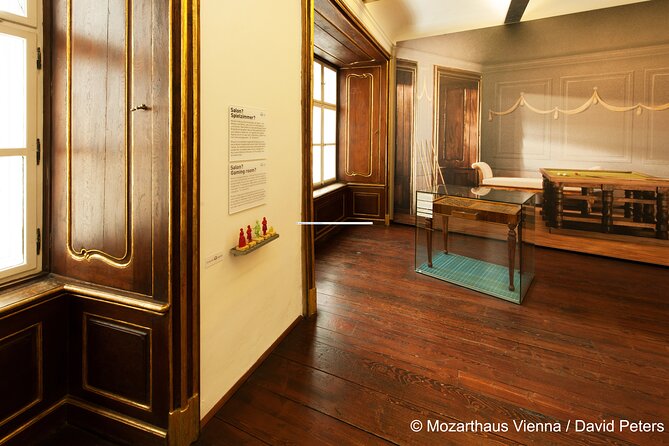
Do not expect the rooms to look exactly as they did when Mozart lived there. Furniture is limited, and much of the display relies on interpretation. That may disappoint you if you want a fully staged residence, but it is also more honest than presenting modern reconstructions as untouched originals.
The apartment becomes more meaningful when you remember what Mozart was doing there. This was not just a place where he slept between concerts. It was the home associated with some of his best-known compositions and with a period when his social and professional life in Vienna was especially active.
The second floor: music, colleagues, and opera
The second floor shifts attention away from the building and toward Mozart’s musical world in Vienna. It examines his principal composer and musician colleagues and his work with Lorenzo da Ponte, the librettist connected with The Marriage of Figaro and Don Giovanni.
This section is useful if you know Mozart mainly through finished compositions. Opera is not created by a composer alone, and the material here helps show how words, music, performers, and working relationships came together.
The focus on da Ponte is especially helpful. The Marriage of Figaro and Don Giovanni are often treated as purely Mozartian achievements, but the collaboration between composer and librettist shaped both works. The exhibition gives you a stronger sense of the people around Mozart and the creative partnerships behind the operas.
The displays may include original manuscripts or portions of them, along with copies and explanatory material. One especially notable item is part of the original manuscript for Mozart’s Requiem. These details give the museum more substance than a house tour alone.
You may also encounter clips from opera performances, including productions associated with the Metropolitan Opera. Those clips add sound and movement to displays that could otherwise feel static. If you are less familiar with opera, the audio material makes this floor easier to follow.
The third floor: Mozart’s personal life in Vienna
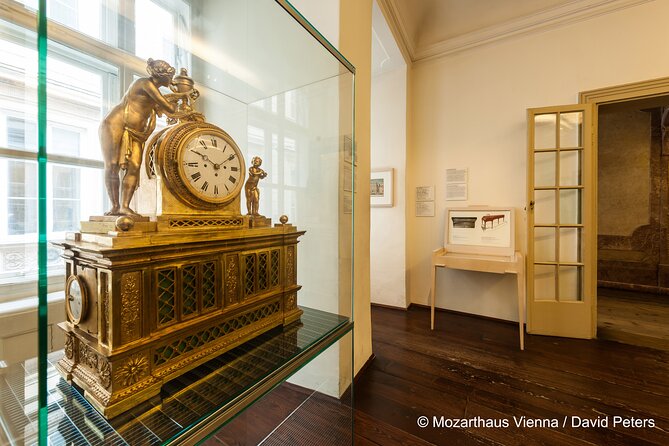
The third floor looks at Mozart’s personal and social situation in Vienna. It places the composer within the city where he worked, performed, built relationships, and tried to manage his career.
This floor is less about one room and more about context. You learn how Mozart’s professional life fit into Vienna’s musical society and how his personal circumstances affected his work. The exhibition also includes images and information about people who influenced him, including women in his life.
The audio guide is particularly useful here. Without it, some of the documents and names may feel disconnected. With it, you can follow the story at your own pace and pause when a subject catches your attention.
The museum’s approach mixes historical evidence with modern presentation. Some people will appreciate the effort to explain how the displays were assembled. Others may prefer more original objects and fewer copies. I would treat the third floor as an interpretation of Mozart’s life rather than a room-by-room recreation of it.
Same city, a different sound:
- Vienna: Vivaldi’s Four Seasons Concert in Karlskirche
★ 4.7 · 14,951 reviews - Vienna: Classical Concert in the World-Famous Musikverein
★ 4.6 · 6,673 reviews - Vienna: Mozart Concert at the Musikverein – Golden Hall
★ 4.6 · 5,194 reviews - Vienna: Classical Concert in St. Anne’s Church (Annakirche)
★ 4.6 · 3,414 reviews
How long to allow for the visit
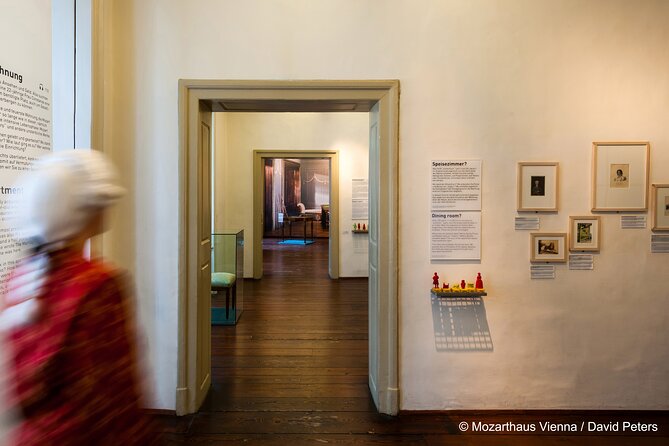
The official estimate is one to two hours. That range is sensible because the museum works at two speeds.
You can cover the main points in about an hour if you listen selectively and move steadily. Allow closer to two hours if you use the audio guide throughout, watch performance clips, and stop to study manuscripts and displays.
The experience is self-paced, so you are not tied to a fixed group schedule. You can linger in the apartment, skip material you already know, or spend more time on the opera sections. A smaller group limit of 10 people may help keep the visit manageable, although the museum itself is still an independent exhibition rather than a private guided tour.
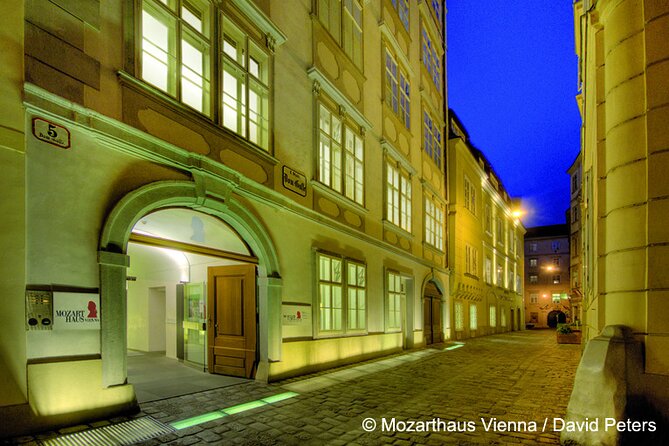
I would schedule it as a focused central Vienna stop, not as an all-day attraction. Its location near St. Stephen’s Church makes it easy to combine with sightseeing in the surrounding area. You could visit Mozarthaus in the late morning or afternoon and continue on foot afterward.
The audio guide makes the difference
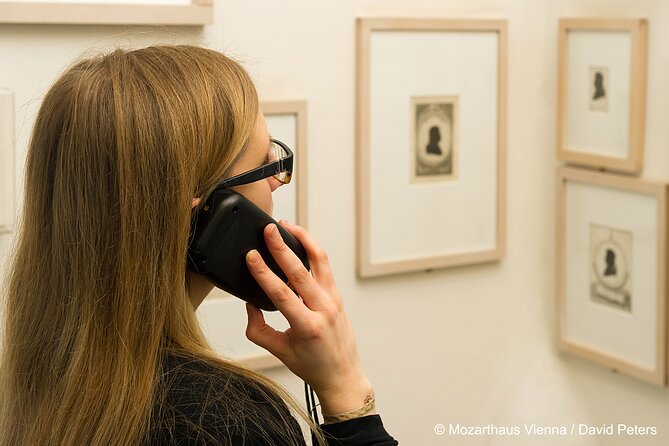
The included audio guide is one of the strongest practical features. It is available in 13 languages for adults and eight for children, so you can choose the version that suits your group.
You do not need to bring your own headphones, according to the visitor information provided for the experience. That is a small convenience, especially if you are already carrying a phone, tickets, and other sightseeing gear.
The guide also gives the visit structure. Without it, the museum’s mix of rooms, documents, copies, and modern displays could feel scattered. The commentary explains why each floor matters and connects the apartment to Mozart’s work.
Still, an audio guide cannot answer personal questions or adjust its pace to your interests. If you want a conversation with a music expert, this ticket is not that kind of experience. It is a museum admission with recorded interpretation.
What the $19.27 ticket is worth
At $19.27 per person, the ticket is fairly priced for a central Vienna museum visit if you care about Mozart, classical music, or literary and artistic history. The value comes from the combination of the preserved apartment, the three-floor exhibition, the audio guide, and the original manuscript material.
The price feels less attractive if your main goal is to see an untouched historic home filled with Mozart’s actual possessions. There are not many original household artifacts, and some displays are copies or reconstructions. You are paying for access to the apartment and for the museum’s explanation of Mozart’s Vienna years, not for a complete collection of personal objects.
The visit becomes better value when you use the full audio guide and allow enough time for all three floors. A quick walk through the rooms may leave you feeling that the museum is small and lightly furnished. One to two hours gives the content a chance to work.
The public score is 3.2 from 139 ratings, which reflects this split in expectations. People who want a music-focused museum and appreciate the apartment’s connection to Mozart’s best Vienna work may find the ticket worthwhile. Those expecting a richly furnished house museum may feel the admission costs too much for the number of original objects.
Practical details for planning your visit
Mozarthaus Vienna is open daily from 10 a.m. to 7 p.m. The hours are listed for 2024, 2025, and 2026, giving you plenty of flexibility during a day in Vienna.
Your booking includes a mobile ticket, and confirmation is provided at the time of booking. The museum is near public transportation, and service animals are allowed. Most people can take part, though you should expect to move through a multilevel exhibition.
Food and drinks are not included. Hotel pickup and drop-off are also not included, so you make your own way to the museum.
The ticket offers free cancellation if you cancel at least 24 hours before the experience start time. Cancellations or changes made less than 24 hours in advance are not accepted for a refund.
Photography rules can be important here. Information from the visit indicates that photographs may not be allowed inside the apartment, so check the current policy before taking out your camera. You can still enjoy the view from the windows and picture the street life Mozart and his visitors would have seen.
Who will enjoy Mozarthaus Vienna most
This is a strong choice for Mozart fans, classical music listeners, opera lovers, and anyone curious about the working life behind famous compositions. It also suits visitors who prefer a museum they can explore independently rather than a fixed guided walk.
Families can use the children’s audio guide languages, though the subject matter may appeal more to older children and adults. The museum’s one to two hour length is manageable and easy to fit between other central Vienna sights.
You may want to lower your expectations if you are mainly interested in furniture, personal possessions, or a fully restored interior. The apartment is authentic in location, but the displays do not recreate every detail of Mozart’s household.
I would also avoid treating this as a general introduction to all of Vienna. Its focus is Mozart’s personal, musical, and social world. The nearby city center adds atmosphere, but the ticket itself is centered on one composer and his years in the Austrian capital.
Should you book the Mozarthaus Vienna ticket?
Book it if the idea of standing inside Mozart’s only preserved Vienna apartment appeals to you, especially if you want to connect The Marriage of Figaro and the Haydn Quartets with the place where they were written. The audio guide, manuscript material, performance clips, and three-floor layout give the visit more depth than the apartment alone.
Skip it if you want a fully furnished residence or a collection made mostly of Mozart’s original belongings. The museum uses copies and modern presentation, and some sections may feel less organized than you expect.
For most music lovers, the ticket is a worthwhile one to two hour stop in central Vienna. Use the audio guide, take your time on the first floor, and think of the museum as a carefully explained window into Mozart’s Vienna years rather than a frozen room from the 1780s.
FAQ
Where is Mozarthaus Vienna located?
Mozarthaus Vienna is in Vienna, Austria, near St. Stephen’s Church and public transportation.
What are the opening hours?
The museum is open daily from 10 a.m. to 7 p.m.
How long does the visit take?
The visit takes approximately one to two hours, depending on how closely you follow the audio guide and displays.
What is included with admission?
Admission includes entry to the three-floor exhibition and an audio guide. The audio guide is available in 13 languages for adults and eight languages for children.
Is the ticket available on a mobile phone?
Yes. The experience includes a mobile ticket.
Is food or drink included?
No. Food and drinks are not included.
Is hotel transportation provided?
No. Hotel pickup and drop-off are not included. The museum is near public transportation.
Can I cancel for a refund?
Yes. You can cancel for a full refund up to 24 hours before the experience start time. Changes or cancellations made less than 24 hours in advance are not accepted for a refund.
Just added around Vienna
- Vienna’s Musical Heart: Private Walking Tour with a Local★ 5.0 · 2 reviews
- Vienna: Concert by the Vienna Baroque Orchestra★ 4.6 · 56 reviews
- Vienna: Strauss Museum – Music&History in Historic 1837 Hall★ 4.7 · 31 reviews
- Vienna Supreme Orchestra at Palais Niederösterreich★ 4.8 · 10 reviews
- Vienna: Sunday Brunch Danube Cruise & Live Music★ 4.2 · 42 reviews
- Vienna Private Walking Tour including State Opera★ 3.2 · 7 reviews
- Vienna: Romantic Classics Piano, Violin, and Cello Concert★ 4.7 · 60 reviews
- Vienna: Private Music Tour★ 5.0 · 8 reviews
Vienna Concerts, compared.
Vienna: Vivaldi’s Four Seasons Concert in Karlskirche
Read our review →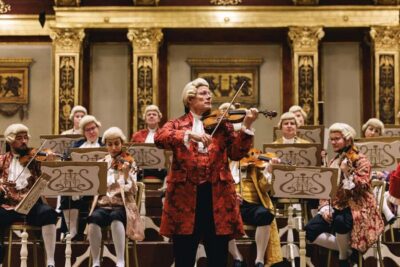
Vienna: Mozart Concert at the Musikverein – Golden Hall
Read our review →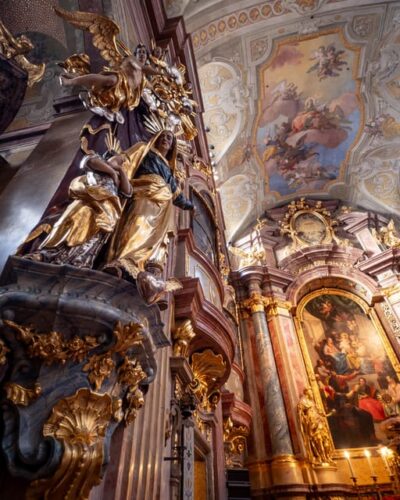
Vienna: Classical Concert in St. Anne’s Church (Annakirche)
Read our review →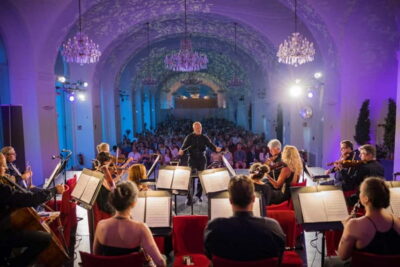
Vienna: Mozart and Strauss Concert at Schönbrunn
Read our review →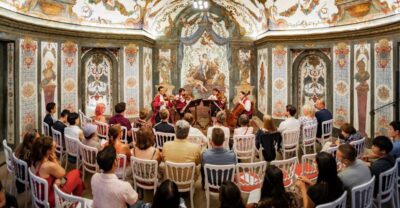
Vienna: Tickets for Mozarthaus Vienna with Audio Guide
Read our review →
Vienna Classical Concert at St. Peter’s Church
Read our review →Vienna: Classical Concert in St. Anne’s Church (Annakirche)
Read our review →Browse the lists this tour appears in