
Review · GERMANY
Elbe Philharmonic Hall, HafenCity and Speicherstadt tour
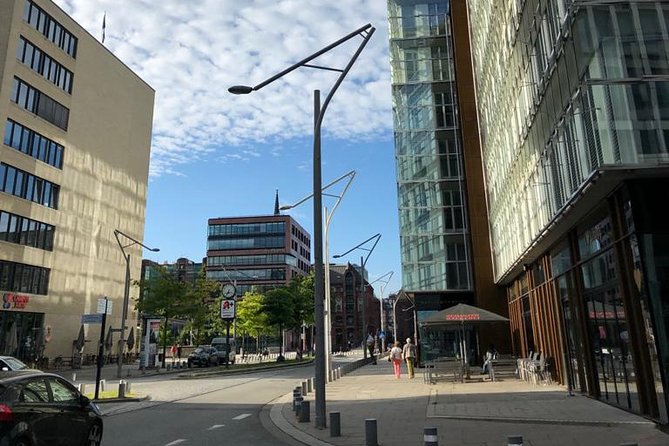
Hamburg’s newest district and oldest warehouses meet on this walk. You’ll see the soaring Elbphilharmonie, historic canals, working harbor traces, and the UNESCO-listed Speicherstadt while a local guide explains how the port shaped the city. The contrast between old brick and new glass is the main event.
I like the small maximum of 15 people, which keeps questions and conversation manageable. I also like the route’s range: HafenCity’s huge redevelopment project, traditional ships at Sandtorhafen, the old warehouse district, and the Elbe waterfront all fit into one outing.
The main thing to consider is pace. Two hours covers a lot of ground and many stops are brief. This is primarily an outdoor orientation walk, not a ticketed visit inside the Elbphilharmonie, Miniatur Wunderland, or the other museums and attractions along the way.
Key points at a glance
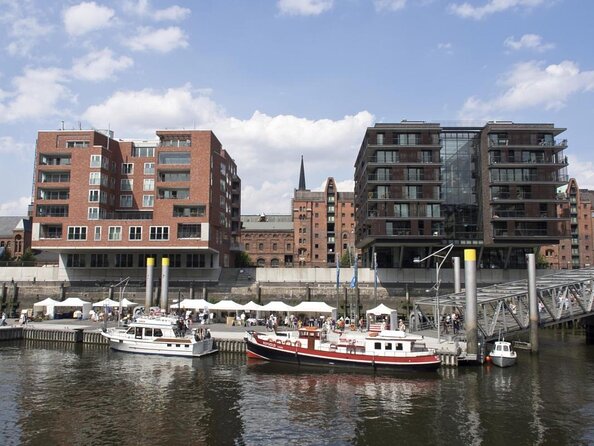
- See old and new Hamburg together: Modern HafenCity leads into the brick warehouses of Speicherstadt.
- Small-group format: The tour is limited to 15 people, with guide Florian specifically praised for clear English, flexibility, and a friendly manner.
- A useful first-day walk: Starting at Überseequartier and ending near Baumwall gives you a strong introduction to central harbor districts.
- Mostly exterior sightseeing: Admission to the Elbphilharmonie, Miniatur Wunderland, Spicy’s Spice Museum, and other attractions is not included.
- A good value at $28.92: You pay for two hours of guiding and city context rather than a costly attraction ticket.
- Plan for the weather: The walk requires good weather, and poor conditions can lead to a new date or a full refund.
Why this Hamburg walk works
I see this as a city orientation with a strong architectural theme. Hamburg can feel spread out at first, especially around the harbor, canals, warehouse district, and new HafenCity quarter. A guide gives those places a clear order and explains why they look so different.
The tour begins at Überseequartier station at 4:00 pm. That is a practical meeting point in HafenCity, close to public transportation and surrounded by the district’s newer buildings. From there, you walk rather than shuttle between sights, so you can notice details that pass too quickly from a bus window.
Guide Florian is named in the tour information and received especially warm praise for his English, broad command of the subject, positive attitude, and ability to adjust the walk to individual interests. That flexibility matters here. HafenCity and Speicherstadt contain many details that are easy to miss without someone explaining what you are seeing.
The route finishes at Baumwall station, not far from the upper station area. That makes it easy to continue toward the city center, the Landungsbrücken, or another Hamburg activity afterward.
More Classical Concerts in Germany
- Berlin: Classical Concert at Kaiser Wilhelm Memorial Church
★ 4.6 · 387 reviews - Munich: Classical Concert at the Residenz Palace
★ 4.6 · 299 reviews - Berlin: Classical concerts at the Bode Museum Berlin
★ 4.3 · 26 reviews
HafenCity: a port district being rebuilt
The first major section is HafenCity, one of Europe’s largest inner-city development projects. The district occupies roughly 157 hectares on Großer Grasbrook, land once connected to Hamburg’s free port.
This is not an old quarter preserved in amber. It is a working example of a city adding homes, offices, hotels, schools, university buildings, parks, and public spaces to former port land. Plans for the early 2030s call for housing for up to 14,000 people, as many as 3,000 hotel rooms, workplaces for up to 45,000 people, and large numbers of daily students, shoppers, and visitors.
You do not need to memorize those figures to enjoy the walk, but they explain the scale. HafenCity is less about one perfect monument and more about seeing a city change in real time. Your guide can connect the new streets, buildings, waterfront areas, and public spaces to Hamburg’s wider port story.
The route includes the area around HafenCity University, a state university focused on architecture and metropolitan development. Its presence fits the district well: HafenCity is not only being built as a place to visit, but also as a place to study, work, and live.
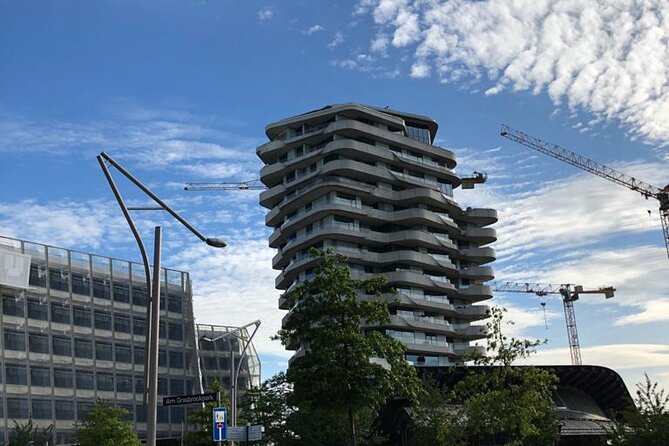
At Grasbrookpark, you get a smaller neighborhood setting between Überseequartier and the Marco Polo terraces. It offers a useful contrast to the broad construction and large-scale buildings nearby. The park is a short stop, but it helps show how public green space is being fitted into the new district.
Bridges, canals, and the practical side of a harbor city
The Kibbelstegbrücke is one of the shortest stops, listed at about two minutes, but it carries an important practical lesson. The bridge provides a route through the historic warehouse district toward the higher, protected part of central Hamburg in the event of a storm surge.
That detail reminds you that Hamburg’s waterfront beauty comes with real risks. The city has always had to manage water, tides, flooding, and access between islands, quays, and the central city. A quick bridge crossing can therefore say more about Hamburg’s daily reality than another photograph of a handsome building.
At Magdeburger Hafen, the focus shifts to the mix of modern construction, the Maritime Museum, and the Elbarkaden. This is a good place to look at how new architecture frames old harbor functions. The route does not promise a museum visit, so you should treat these attractions as exterior landmarks unless you arrange separate admission yourself.
Sandtorhafen and the traditional ships
Sandtorhafen brings maritime history into clearer view. The traditional shipping harbor is linked to the Hamburg Maritim Foundation, which works to preserve historic ships, port equipment, and other reminders of the city’s seafaring past.
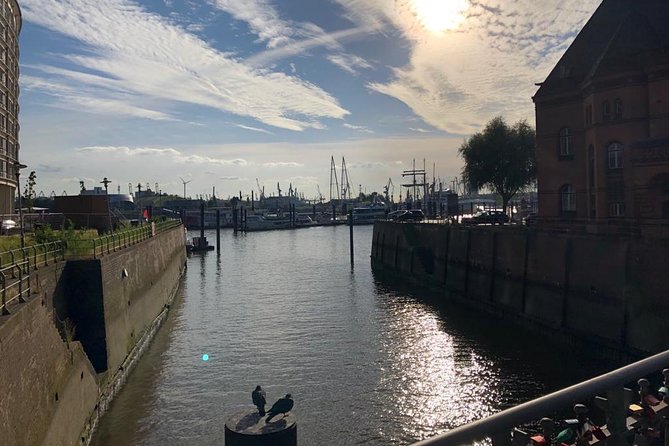
The harbor sits beside Hamburg’s oldest quay wall, the Sandtorkai, restored in 2002. Historic access bridges connect to the pontoon system, creating a setting where old shipping craft and modern HafenCity buildings share the same view.
This is one of the more rewarding sections for anyone who wants more than architecture. You can look at the ships and harbor structures as working pieces of a former port, not just as decorative objects. The stop lasts about 15 minutes, long enough for your guide to give the area some meaning without turning the walk into a museum tour.
Same city, a different sound:
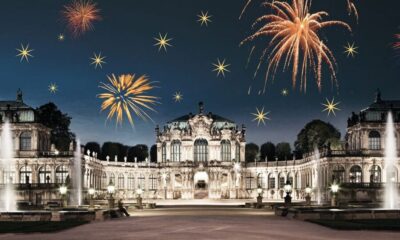
- Dresden: Gala Concert in the Dresden Zwinger
★ 4.7 · 1,510 reviews - Berlin: Cabaret – The Berlin Musical at Tipi am Kanzleramt
★ 4.5 · 303 reviews - Cologne: Moulin Rouge! The Musical Entry Ticket
293 reviews - Hamburg: 2.5-Hour Beatles Music Tour
★ 4.7 · 194 reviews
Speicherstadt: Hamburg’s brick warehouse heart
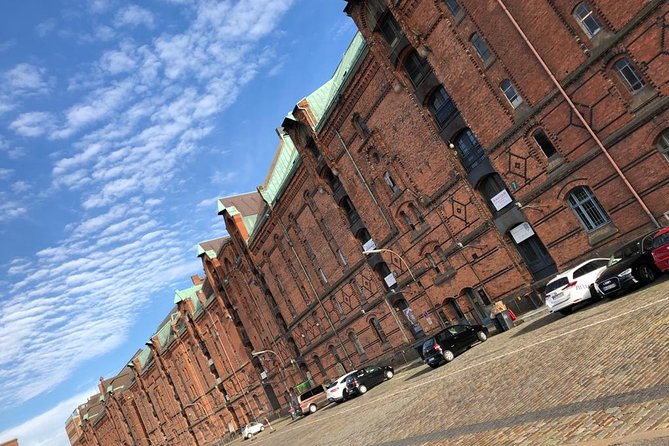
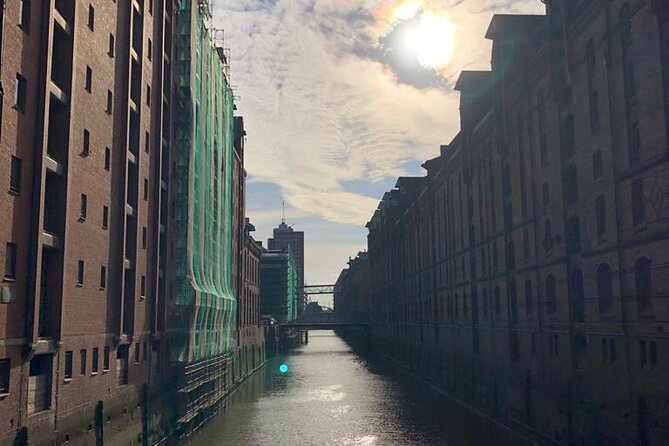
The route then moves into Speicherstadt, Hamburg’s historic warehouse district and one of the walk’s central highlights. It is the world’s largest historic warehouse complex and has been protected as a landmark since 1991. Since 2015, it has shared UNESCO World Heritage status with the neighboring Kontorhaus district and Chilehaus.
The district occupies the area between Bäumenwall and Oberhafen. Its tall brick buildings, narrow waterways, bridges, and rows of loading doors create a very different mood from HafenCity’s glass and steel.
The important point is that Speicherstadt was not built as a residential neighborhood. It served the port and its warehouses, with goods moving through the canals and storage buildings. The walk helps you read the district as infrastructure, not simply as a photogenic old quarter.
Your guide can also point out how the district connects to Hamburg’s position as a trading port. Coffee, spices, and other imported goods once moved through this part of the city. Several stops along the way still reflect that commercial past.
Miniatur Wunderland and Spicy’s Spice Museum
The tour passes Miniatur Wunderland, the world’s largest model railway system. It occupies a large section of Speicherstadt and includes 15.715 kilometers of track on a 1:87 scale system, with around 1,040 digitally controlled trains based on the stated figures.
That is a major Hamburg attraction, but entrance is not included in the walk. You should not expect time to explore it during this tour. The stop is more useful as an orientation point, especially if you plan to return later with a separate ticket.
Spicy’s Spice Museum gives the same kind of preview. Founded in 1991, it focuses on the spices and trade goods tied to Hamburg’s port past. Again, admission is not included and the listed stop is only about two minutes. If you want a full museum visit, plan that separately rather than expecting the guided walk to provide it.
Near the Fleetschlösschen, you see a historic building within the Speicherstadt ensemble. It was once a toilet building and is now used as a café and pub in a former coffee hatch. That small, slightly odd detail is exactly the kind of urban fact that can make a walking tour more memorable.
The Wasserschloss is another familiar Speicherstadt sight. Built between 1905 and 1907, it is one of the district’s oldest buildings and most recognizable structures. The stop is short, but the building rewards a pause for photographs, especially with the canal and brick facades around it.
The Elbphilharmonie from the outside
The Elbphilharmonie is the visual climax of the route. Locally called the Elphi, the concert hall rises about 110 meters at the tip of Großer Grasbrook, between Sandtorhafen and Grasbrookhafen.
The building combines the shell of the former Kaispeicher A, built in 1963, with a newer glass structure above it. Its upper form has been compared to sails, waves, icebergs, and a quartz crystal. You can decide which comparison fits once you see the rippling roofline and reflective facade.
The building was completed in November 2016 as a new cultural symbol for Hamburg. Its location makes the design more meaningful. The modern glass form sits beside the industrial port setting and the neo-Gothic brick architecture of Speicherstadt.
The stop is listed at about 10 minutes, and admission is not included. That is the key practical detail. This tour does not promise a concert, an interior tour, or access to the building’s viewing areas. You will get the guide’s explanation and an exterior look. If entering the Elbphilharmonie is important to you, make separate plans.
Kehrwieder and the route toward the Elbe
Kehrwieder forms part of the western side of Speicherstadt and belongs to HafenCity today. Its history reaches back to Hamburg’s former islands and the fortified city. A short stop here helps connect the warehouse district to the older geography of the Elbe and the city’s changing boundaries.
From there, the walk heads toward the Überseebrücke. This covered pedestrian bridge leads from the flood protection system near Vorsetzen to a pontoon in Hamburg’s Niederhafen. It is close to the former Jonashafen and east of the St. Pauli Landungsbrücken.
The final part of the route also touches on Hamburg’s musical theater scene. The Theater im Hafen Hamburg has hosted the German production of The Lion King since 2001, and ferries serving the theater are painted in musical colors or named after characters. The experience does not include a show, but the detail explains why those distinctive ferries may appear along the waterfront.
What $28.92 gets you
At $28.92 per person, I consider this a reasonable price for a two-hour guided introduction to several of Hamburg’s most important central districts. You are paying for a local guide, a planned route, and explanations that help tie separate sights together.
The value is strongest if you are new to Hamburg and want a compact overview. HafenCity, Speicherstadt, Sandtorhafen, the Elbphilharmonie, and the waterfront can easily fill much more than one afternoon if explored independently. A guide saves you from piecing together the basic story on your own.
The value is weaker if you want paid entry to major attractions. No admission is included for the Elbphilharmonie, Miniatur Wunderland, Spicy’s Spice Museum, or the other ticketed places along the route. Think of this as a walking tour with exterior sightseeing, not an attraction package.
The small group improves the price comparison. With no more than 15 people, the guide can answer questions and adjust the emphasis. The feedback about Florian’s flexibility suggests that private or semi-private-feeling attention may be possible when the group is small, though the experience is not sold as a private tour.
Who should book it
I would choose this for a first visit to Hamburg, especially if you want to understand the harbor districts before exploring them on your own. It also suits visitors who enjoy architecture, city planning, maritime history, and the contrast between old brick warehouses and new waterfront buildings.
It is a good fit for most people who can walk for about two hours and want a small-group experience. Service animals are allowed, the route is near public transportation, and most people can participate according to the provided details.
I would be more cautious if you need a slow pace, long stops, or indoor shelter. The tour covers many points in two hours, and several stops last only a few minutes. Bad weather can also affect the operation.
You receive confirmation when booking, and the ticket is mobile, which keeps the meeting process simple. Free cancellation is available up to 24 hours before the 4:00 pm start. A cancellation inside that window is not refundable. If poor weather or an insufficient number of bookings forces cancellation, you can be offered another date or a full refund.
My recommendation
Book this tour if you want a clear, guided introduction to Hamburg’s harbor core and prefer context over admission tickets. The route gives you a useful first look at HafenCity, Speicherstadt, Sandtorhafen, and the Elbphilharmonie, with enough local detail to make a later independent visit more rewarding.
Skip it if you already know these districts well or mainly want to enter the Elbphilharmonie or Miniatur Wunderland. For first-time visitors, though, $28.92 is a fair price for a focused walk, especially with a maximum of 15 people and a guide such as Florian who can explain the city in clear English and adapt the emphasis to your interests.
FAQ
Where does the tour start?
The tour starts at Überseequartier, 20457 Hamburg, Germany.
What time does the tour begin?
The stated start time is 4:00 pm.
Where does the tour end?
The walk ends at Baumwall Station, 20459 Hamburg, not far from the upper station area.
How long does the tour last?
The experience lasts approximately two hours.
How much does the tour cost?
The listed price is $28.92 per person.
How many people can join the tour?
The maximum group size is 15 people.
Is the Elbphilharmonie admission included?
No. The Elbphilharmonie stop is listed as not including admission, so this experience provides an exterior visit and guided explanation rather than entry.
Are Miniatur Wunderland and Spicy’s Spice Museum included?
No. Admission to these attractions is not included.
Is a mobile ticket available?
Yes. The experience includes a mobile ticket, and confirmation is provided at booking.
Can I cancel for a refund?
You can cancel up to 24 hours before the start time for a full refund. Changes or cancellations made less than 24 hours before the start are not accepted or refunded. If the tour is canceled because of poor weather or because the minimum number of bookings is not reached, you can be offered another date or a full refund.
Just added around Germany
- Medieval Knight’s Dinner Show with Live Music in Munich★ 3.0 · 2 reviews
- Dresden: New Green Vault and Semper Opera Tour★ 4.5 · 19 reviews
- City tour (including visit to the Frauenkirche) and Semper Opera Tour★ 5.0 · 21 reviews
- Nymphenburg classical music à la Mozart★ 4.7 · 3 reviews
- Festive Concert at Schleißheim with Residence-Soloists★ 4.7 · 25 reviews
- Festive Concert in the All-Saints Court Church★ 4.6 · 11 reviews
- Mozart and German Composers Private Tour in Munich★ 4.8 · 4 reviews
- Hamburg: St. Pauli Walking Tour with Live Music★ 4.0 · 3 reviews
Germany Concerts, compared.
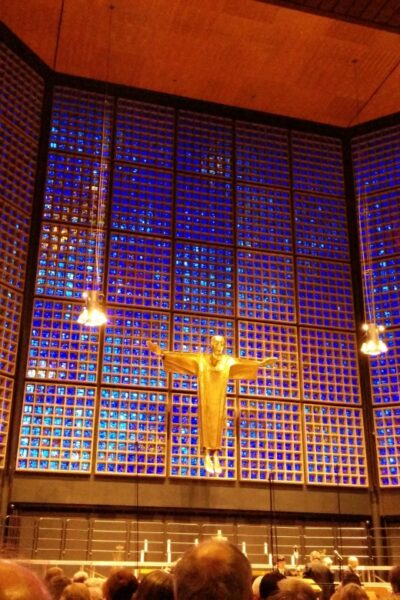
Berlin: Classical Concert at Kaiser Wilhelm Memorial Church
Read our review →
Berlin: Cabaret – The Berlin Musical at Tipi am Kanzleramt
Read our review →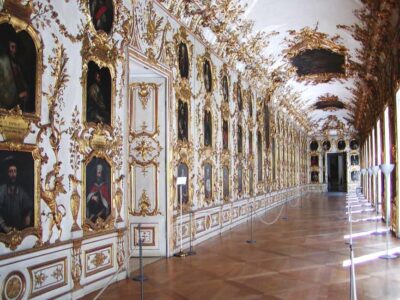
Munich: Classical Concert at the Residenz Palace
Read our review →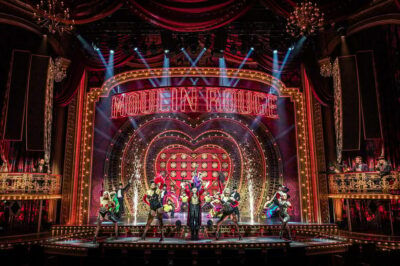

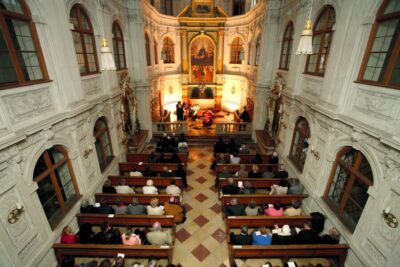
Munich: Concert in the Court Chapel of the Residenz
Read our review →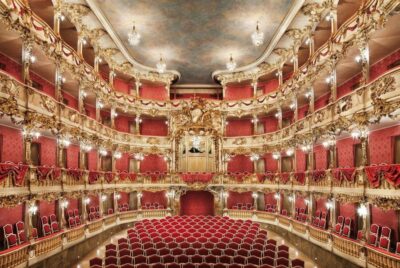
Browse the lists this tour appears in