

Review · MUNICH
Mozart and German Composers Private Tour in Munich
Munich’s Old Town becomes much more interesting when you follow its music rather than simply its monuments. This private walk connects Mozart, Wagner, and Richard Strauss with churches, royal rooms, concert stages, and the musicians who shaped Bavarian culture.
I like the small private format and the clear focus on music. I also like the way the route ties famous sights such as Marienplatz, Frauenkirche, and the Residenz to real performances and working musicians instead of treating them as postcard stops. The main consideration is time: two hours gives you a lively introduction, not a full study of Munich’s musical past.
The tour earns a strong 4.8 rating from four published reviews. The most praised features are the guide’s command of the subject, the engaging stories about composers and performers, and the way music opens a door into Munich’s churches and civic history. One practical warning: a previous guest found the walk ran a little longer, so allow some breathing room afterward.
Key points at a glance
- Mozart’s Munich connection: See the Residenz, where Mozart played for Elector Karl Theodor and Ferdinand IV, and learn about the premiere of Idomeneo at the Cuvilliés Theater.
- Wagner at the National Theater: Connect the opera house with premieres of Wagner’s works and Richard Strauss’s early career.
- Medieval church music: Visit the area around St. Peter’s and Frauenkirche to hear how choir and church traditions shaped Munich’s musical life.
- Private and multilingual: Choose a private group with a licensed guide speaking English, French, German, Italian, Spanish, or Polish.
- A compact Old Town route: The two-hour walk begins and ends at Marienplatz, making it easy to fit into a day of sightseeing.
- Good for music lovers: The tour works best if you enjoy context, anecdotes, and links between famous people and the places where they performed.
Why Munich’s Old Town works so well for a music tour
Munich is easy to read as a city of grand buildings and royal power. This tour adds the missing soundtrack. You move through the Old Town while your guide explains court music, church music, public performance, and the musical life of ordinary city society.
That wider view matters. The tour is not limited to a list of composers and dates. You learn how Munich developed into a major music center in medieval Europe and how its churches, court, theaters, and trained musicians supported that growth.
I especially like this approach for a first visit. If you know only Mozart’s name, you still get a useful introduction. If you already listen to opera or orchestral music, the route gives familiar names a physical setting.
The private format is important here. You can ask why Mozart came to Munich, how Wagner’s work reached the stage, or what role a church choir played in the city. A large group tour usually has to keep moving. With a private guide, the conversation can lean toward opera, sacred music, court culture, or the individual composer who interests you most.
More Classical Concerts in Germany
- Berlin: Classical Concert at Kaiser Wilhelm Memorial Church
★ 4.6 · 387 reviews - Munich: Classical Concert at the Residenz Palace
★ 4.6 · 299 reviews - Berlin: Classical concerts at the Bode Museum Berlin
★ 4.3 · 26 reviews
Starting at Marienplatz beside St. Peter’s
The meeting point is in front of hotel BEYOND by Geisel at Marienplatz 22, opposite St. Peter’s Church. Do not go inside the hotel. Its staff are not connected with the tour, so meet your guide outside at the stated location.
This is a sensible starting point. Marienplatz puts you in the center of Munich’s Old Town, surrounded by several of the city’s most important sights. It also gives your guide an easy place to explain the basic shape of Munich before the musical details begin.
St. Peter’s Church is the first important musical reference. Its choir tradition reaches back to the early 13th century, giving you a direct link to medieval church music. That detail helps explain why sacred music mattered so much in the city’s early cultural life.
You may be used to thinking of a church as an architectural stop. Here, the point is different. The church becomes evidence of an organized musical tradition that existed long before modern opera houses and concert halls.
The meeting point is also convenient if you are already exploring the Old Town. Since the walk returns there at the end, you will not need to arrange a separate pickup or find your way across the city after the tour.
Marienplatz, Frauenkirche, and Munich’s musical training
From Marienplatz, the route brings music into the center of Munich’s public and religious life. Frauenkirche is one of the key stops, not just because it is one of the city’s best-known churches, but because young musicians trained there under leading figures.
One name connected with this tradition is Orlande de Lassus, one of the most important musicians of the 16th century. The tour uses this setting to show how talent was developed through church institutions and instruction, rather than appearing fully formed on a concert stage.
This is one of the more useful parts of the experience for anyone who wants context. You hear about musicians, but you also learn about the systems that supported them. Choirs, churches, teachers, courts, and theaters all played different roles.
The stop should appeal to you if you enjoy the link between architecture and sound. A church’s size, purpose, and religious role affected the music performed there. The tour does not treat the building as a silent monument. It asks you to picture the musicians and choirs who gave it a working cultural purpose.
Keep your expectations realistic. The experience is a guided walking tour, not a concert. You will hear about musical traditions and famous performers, but the supplied details do not promise live music or a performance inside the churches.
The National Theater and Wagner’s opera legacy
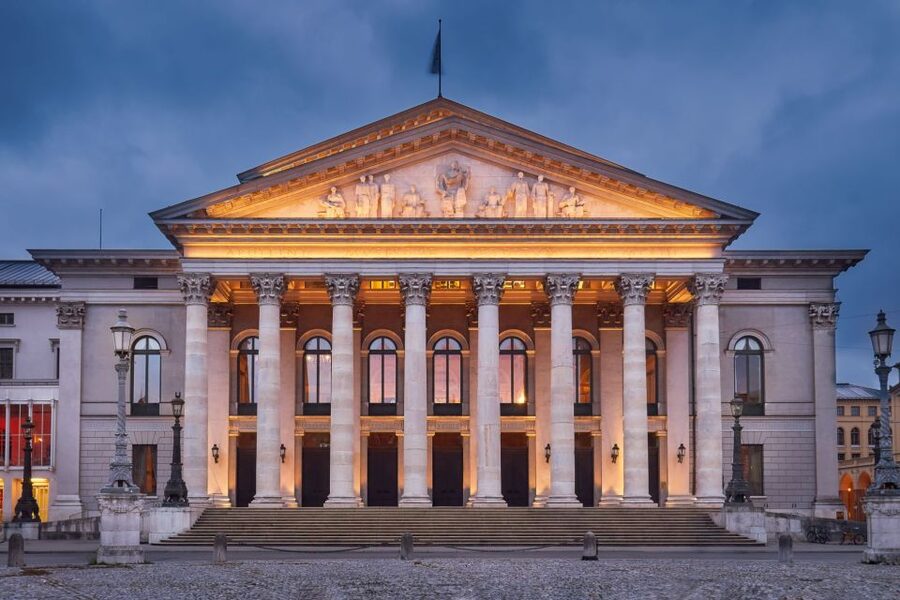
The National Theater brings the story into Munich’s theatrical world. It is home to the Bavarian State Opera, known in German as Bayerische Staatsoper, and it connects directly with major moments in the city’s opera history.
Many of Richard Wagner’s works premiered here. That makes the theater more than another grand Old Town building. It represents the scale of Munich’s royal and public support for opera, as well as the city’s role in presenting ambitious new works.
Richard Strauss also enters the story here. He worked as a third conductor at the National Theater, a detail that gives you a more grounded picture of his career. Instead of meeting Strauss only as a famous name, you learn about a specific position he held in Munich’s musical world.
I like the contrast between this stop and the earlier churches. St. Peter’s and Frauenkirche show music tied to worship and training. The National Theater shows music tied to opera, court influence, public audiences, and professional careers.
The theater is a strong reason to book this tour if opera is your main interest. It also gives non-specialists a useful bridge from medieval church music to the large-scale works associated with Wagner and Strauss.
Same city, a different sound:
- Dresden: Gala Concert in the Dresden Zwinger
★ 4.7 · 1,510 reviews - Berlin: Cabaret – The Berlin Musical at Tipi am Kanzleramt
★ 4.5 · 303 reviews - Cologne: Moulin Rouge! The Musical Entry Ticket
293 reviews - Hamburg: 2.5-Hour Beatles Music Tour
★ 4.7 · 194 reviews
The Residenz and Mozart’s royal performance
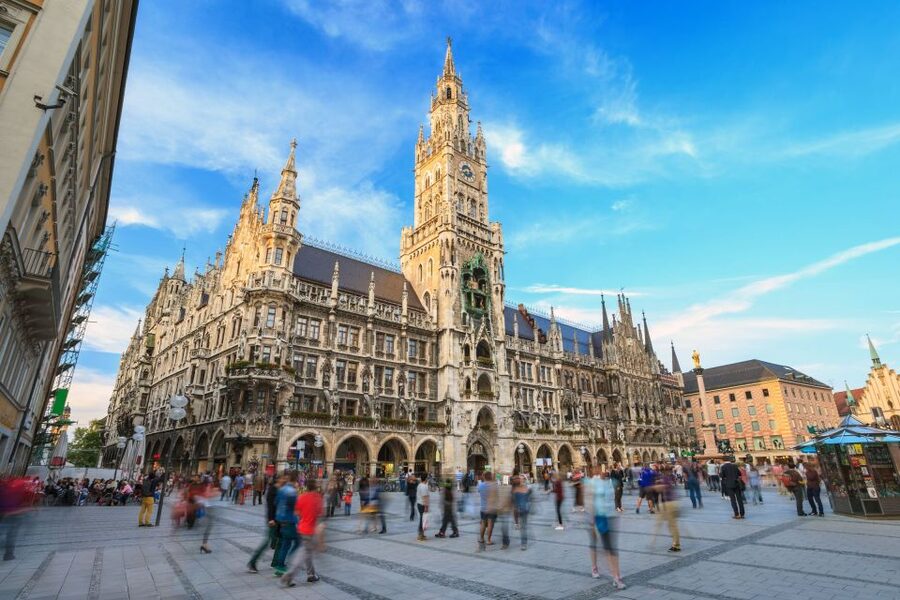
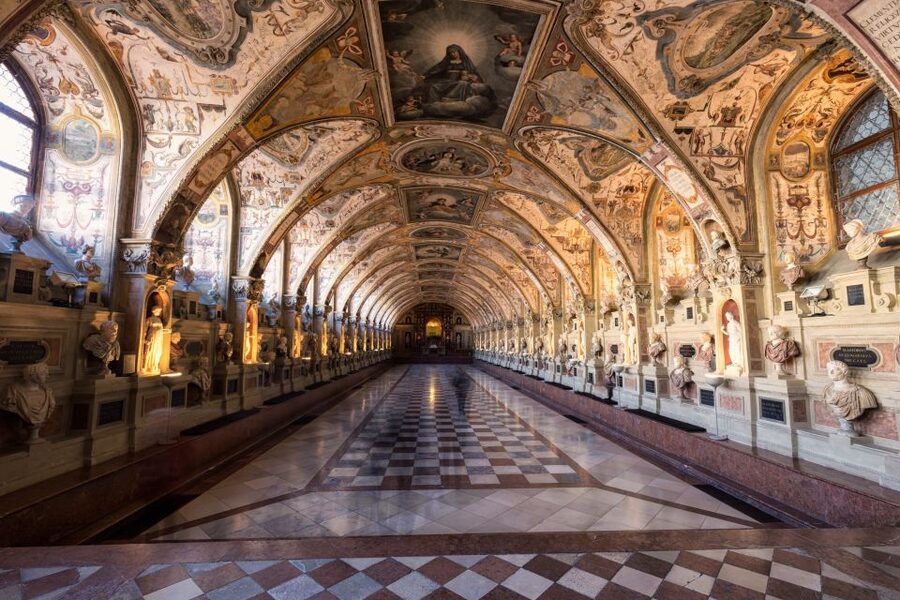
The Munich Residenz adds the royal setting. This former palace is linked to Wolfgang Amadeus Mozart, who played a concert there for Elector Karl Theodor and Ferdinand IV, King of Naples.
That story helps explain the social side of music in Munich. Before music became mainly a ticketed public event, royal courts were major patrons and audiences. A performance at the Residenz was tied to status, diplomacy, and access to powerful people.
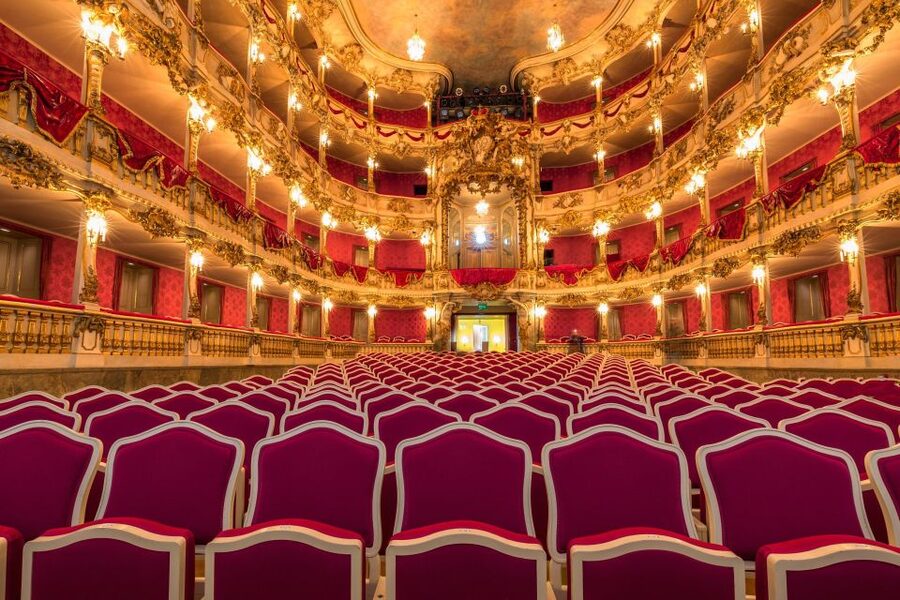
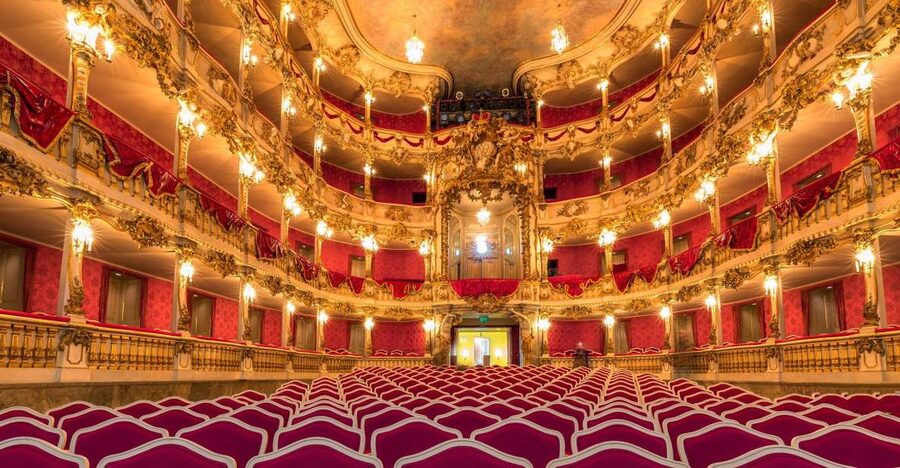
The Residenz also contains the Cuvilliés Theater, one of the most important stops on the route. Mozart premiered his opera Idomeneo there in 1781. This gives the tour a clear dramatic point: the palace represents court patronage, while the theater represents the stage where Mozart’s work reached an audience.
The supplied information does not state that admission to the Residenz or Cuvilliés Theater is included. You should therefore treat these as places you will see and discuss during the walking route unless your booking details specifically confirm interior entry.
That distinction matters when you compare the $215 per-person price with a standard sightseeing walk. You are paying for a private guide and a specialized subject, not automatically for a collection of museum tickets. If you want to tour the palace interiors afterward, ask about admission separately and allow extra time.
The stories make the short route worthwhile
The best part of a two-hour tour like this is the guide’s storytelling. The published feedback points to clear explanations about composers and musicians, along with an enjoyable delivery. Another strong point is the way the guide connects music with churches and Munich’s broader history.
That balance is important. A guide who only lists premieres and dates can lose you quickly. A guide who explains why a church, palace, or theater mattered gives each stop a purpose.
The tour includes facts and cultural anecdotes about Mozart, Strauss, Wagner, and other German composers. You can expect a broad overview rather than a single-composer biography. The conversation may also touch on court music, bourgeois musical culture, legendary performances, and church traditions.
Because the group is private, you can use the two hours well by stating your interests early. Tell the guide if you care most about opera, sacred music, Mozart’s travels, Wagner’s premieres, or Strauss’s work in Munich. The tour is advertised as tailored to your needs, and that flexibility is one of its main advantages.
One guest found the guide so willing to explain the subject that the tour ran longer than planned. That can be a benefit if you have time and enjoy the conversation. It can be a problem if you have a train, restaurant reservation, or another timed entry immediately afterward. Leave a cushion in your schedule.
What the $215 price means
At $215 per person, this is not a bargain-priced orientation walk. The value depends heavily on how many people are in your private group and how much you care about the music theme.
For a solo visitor or a couple, the cost may feel high compared with a general Old Town tour. You are paying for a specialized route, a private guide, language choice, and the ability to shape the discussion. If you have a strong interest in classical music, that focus can make the extra cost reasonable.
For a larger private group, the per-person price may be easier to justify, particularly if everyone wants the same subject. A family group with one or two serious music fans could also benefit from the private setup, since the guide can explain the topic without forcing the entire group into a long specialist lecture.
The price does not appear to include food, transportation, or clearly stated entrance fees. This is a walking experience that begins and ends at Marienplatz. Wear comfortable shoes and plan your museum or palace visits separately unless your confirmation says otherwise.
The free cancellation policy adds useful flexibility. You can cancel up to 24 hours before the tour for a full refund, and the reserve-now, pay-later option lets you hold a place without paying immediately. Check your email the day before, since important tour information is sent there.
Who should book this private walk
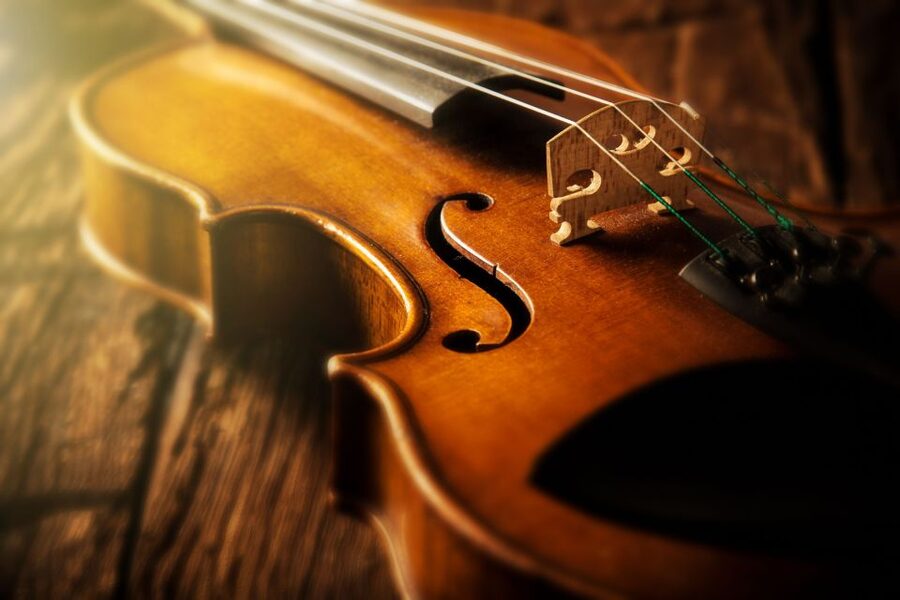
I would recommend this tour most strongly to people who already enjoy classical music, opera, choir music, or the stories behind famous composers. You do not need specialist training, but curiosity will make the two hours much more rewarding.
It is also a good choice if you have already seen Munich’s main squares and churches and want a more focused way to revisit them. The route uses familiar landmarks, but the guide gives them a new purpose.
The private format suits couples, families, and small groups who want to ask questions. It is also useful when your group speaks different languages, since guides are available in English, French, German, Italian, Spanish, and Polish.
I would choose a general city tour instead if you want broad coverage of Munich’s food, politics, shopping, or modern culture. This walk has a clear subject. Music is the thread that holds the route together, and the experience is strongest when that thread interests you.
Practical advice before you go
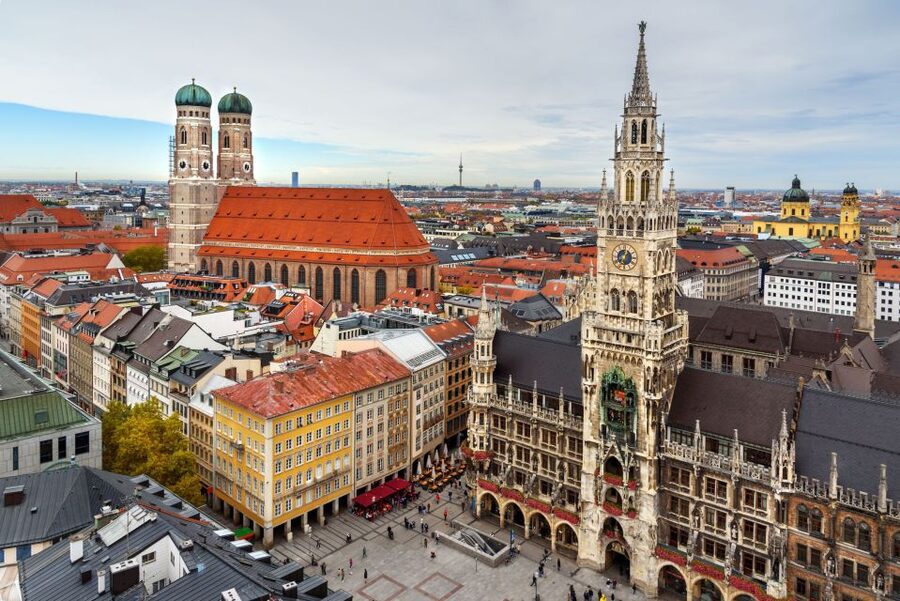
Plan to arrive at the meeting point in front of BEYOND by Geisel, not inside the hotel. Since the tour takes place on foot and covers Old Town sights, comfortable footwear is the practical choice.
Check the start time when you book. The activity lasts two hours, but the available starting times depend on the date. Since the route returns to the original meeting point, you can continue sightseeing from Marienplatz afterward.
Read the email sent the day before. It contains important information for the tour, and checking it can prevent confusion about the exact meeting arrangements.
Bring questions. Ask about the connection between Mozart and Munich, Wagner’s premieres, Strauss’s conducting work, or the role of church choirs. A private tour gives you more room for those questions than a fixed public group.
Should you book the Mozart and German Composers tour?
Book it if you want Munich’s famous sights explained through music rather than simply photographed. The strongest reasons are the private guide, the focused route, the connections to Mozart’s Idomeneo, Wagner’s premieres, Strauss’s work, and the older choir traditions at St. Peter’s and Frauenkirche.
Think twice if you want interior visits guaranteed or if $215 per person feels steep for a two-hour walk. The supplied details confirm the musical route and guide service, but they do not confirm entrance tickets to the Residenz or Cuvilliés Theater.
For music lovers, this is a smart way to give a familiar Old Town walk a sharper purpose. For everyone else, it is best treated as a specialist introduction, not a complete tour of Munich. Leave time afterward, ask the guide to follow your interests, and you will get the most from the price.
FAQ
How long does the Mozart and German Composers tour last?
The walking tour lasts two hours. Check availability for the starting times offered on your chosen date.
Where does the tour begin?
Meet your guide in front of hotel BEYOND by Geisel at Marienplatz 22, 80331 Munich, opposite St. Peter’s Church. Do not enter the hotel, since its staff are not informed about the tour.
Where does the tour end?
The activity ends back at the original meeting point near Marienplatz.
Which languages are available?
The live guide can conduct the tour in English, French, German, Italian, Spanish, or Polish.
Is this a private group tour?
Yes. The experience is designed for a private group, with a licensed guide and a route that can be tailored to your interests.
What are the cancellation and payment options?
You can cancel up to 24 hours in advance for a full refund. The reserve-now, pay-later option lets you book without paying immediately.
Just added around Germany
- Medieval Knight’s Dinner Show with Live Music in Munich★ 3.0 · 2 reviews
- Dresden: New Green Vault and Semper Opera Tour★ 4.5 · 19 reviews
- City tour (including visit to the Frauenkirche) and Semper Opera Tour★ 5.0 · 21 reviews
- Nymphenburg classical music à la Mozart★ 4.7 · 3 reviews
- Festive Concert at Schleißheim with Residence-Soloists★ 4.7 · 25 reviews
- Festive Concert in the All-Saints Court Church★ 4.6 · 11 reviews
- Hamburg: St. Pauli Walking Tour with Live Music★ 4.0 · 3 reviews
- Dresden: New Year’s Eve Concert at the Zwinger★ 4.8 · 20 reviews
Munich Concerts, compared.
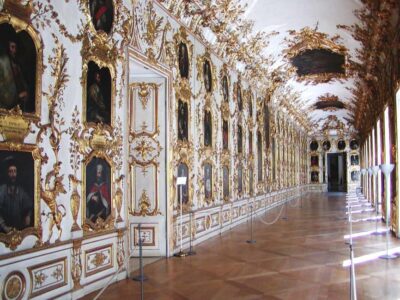
Munich: Classical Concert at the Residenz Palace
Read our review →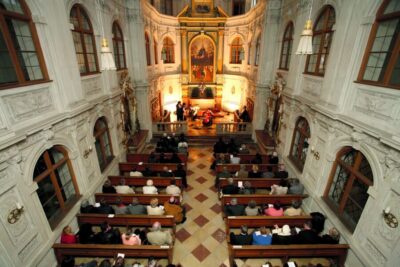
Munich: Concert in the Court Chapel of the Residenz
Read our review →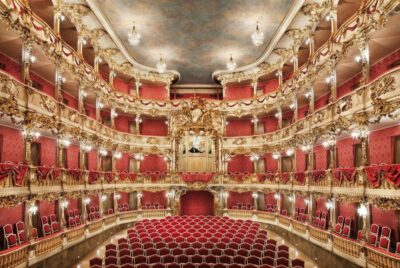
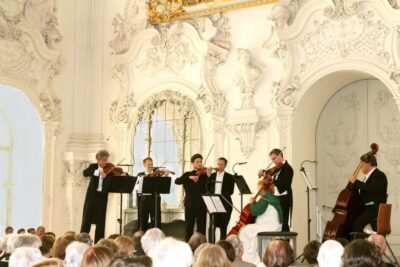
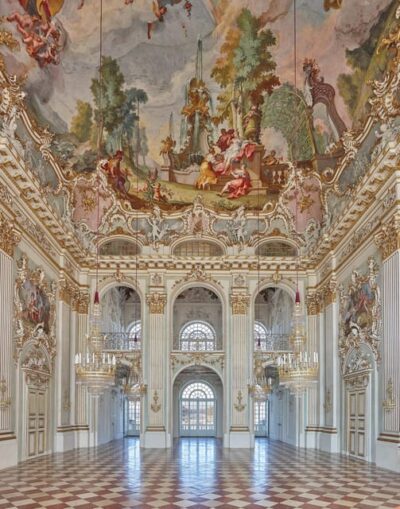
Festive Concert at Schleißheim with Residence-Soloists
Read our review →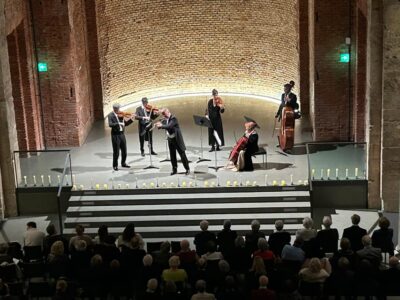
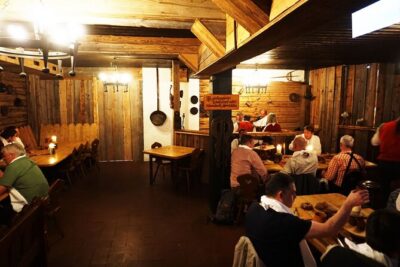
Medieval Knight’s Dinner Show with Live Music in Munich
Read our review →Browse the lists this tour appears in