
Review · BERLIN
Berlin: Classical concerts in Köpenick Palace – Aurora Hall
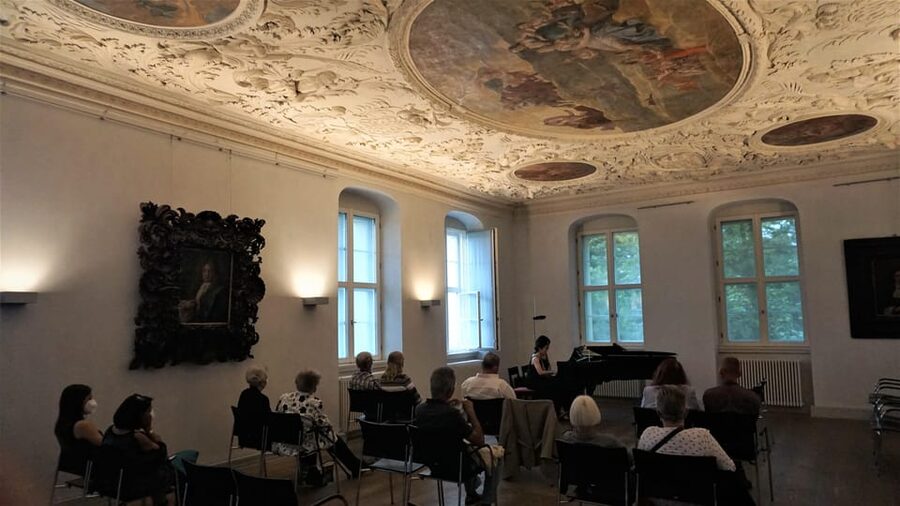
The main attraction here is the setting: you hear classical music inside the Aurora Hall of Köpenick Palace, not in a standard concert venue. The 90-minute program may feature Mozart, Bach, Schubert, opera, or piano music, depending on your date.
I like the low $33 price, especially since museum admission is included. I also like the range of programs, from four-hand piano to romantic duets and music linked to Frederick the Great. The main concern is comfort: one verified booking reported excessive heat in the hall, and another reported a paid event that did not take place.
Key points at a glance
- Aurora Hall setting: Hear the concert inside historic Köpenick Palace.
- Different program for each date: Choose from Mozart, Bach, Schubert, opera, violin, guitar, and more.
- Strong value at $33: The ticket includes free museum admission.
- Named performers: Artists include Marianne Boettcher, Naoko Fukumoto, and the Mozart Ensemble Berlin.
- Short concert format: The performance lasts 90 minutes, a manageable length for an evening in Berlin.
- Practical caution: Audio recording is not allowed, and hall temperature may affect comfort.
Music inside Köpenick Palace
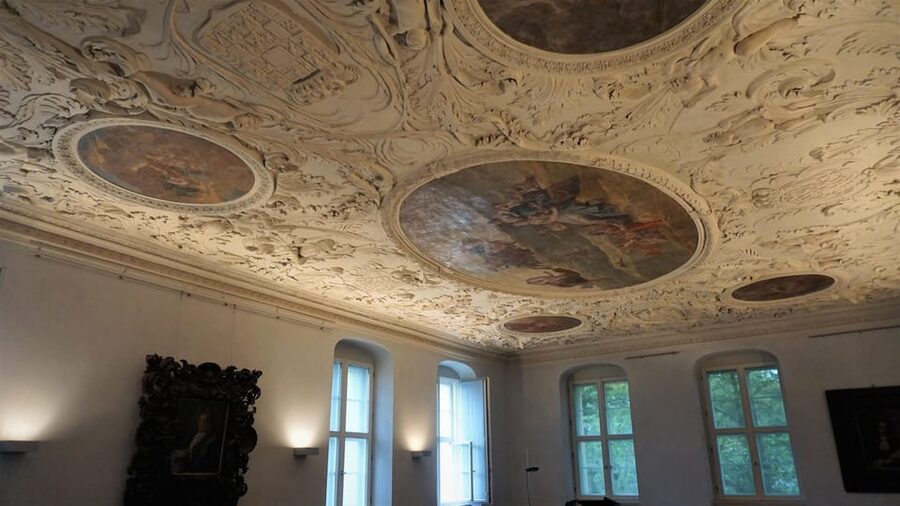
This is a concert visit with a clear sense of place. The Aurora Hall gives the music a historic backdrop, and the palace setting adds something you cannot get from a regular modern auditorium. You are buying a cultural evening built around two things: the room and the program.
The music changes sharply from one date to another. One evening may center on Mozart’s piano works, while another brings opera voices, violin sonatas, recorders, harpsichord, or guitar. I like this format because you can choose a concert that matches your taste instead of accepting one fixed show.
The event lasts 90 minutes. That is long enough for a proper concert but short enough to fit around dinner, sightseeing, or a visit to another part of Berlin. Since no full running order is provided for each program, you should choose based on the listed theme and performers rather than expecting a particular song sequence.
More Classical Concerts in Germany
- Berlin: Classical Concert at Kaiser Wilhelm Memorial Church
★ 4.6 · 387 reviews - Munich: Classical Concert at the Residenz Palace
★ 4.6 · 299 reviews - Berlin: Classical concerts at the Bode Museum Berlin
★ 4.3 · 26 reviews
Choosing the right 2026 program
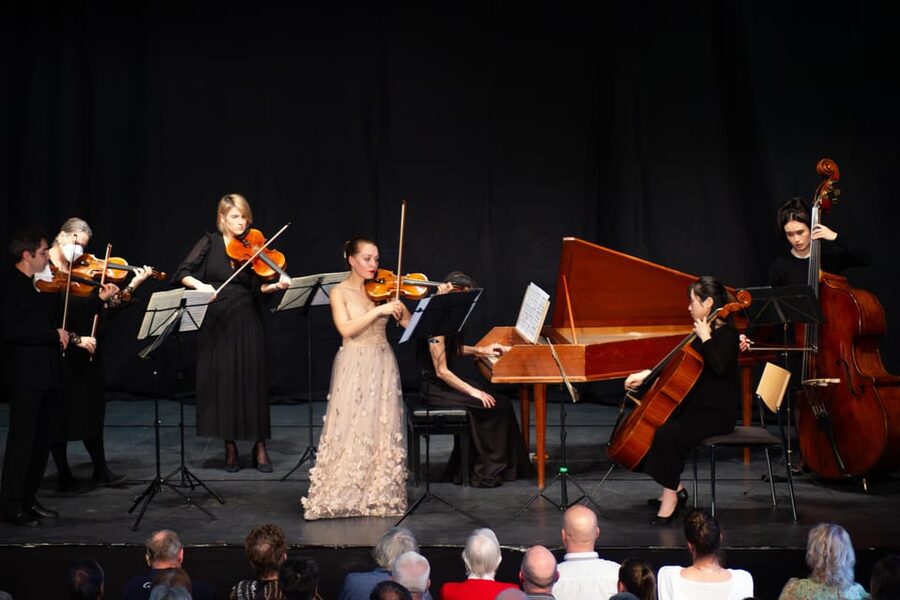
The date matters more than usual here. Each performance has its own character, so read the title carefully before booking.
February 15: Pure Romance, Romantic Duets
Inês Pinto sings soprano and Kristina Naudé sings alto, with Beatrice Wehner-Schaller at the piano. This is the natural choice if you want expressive vocal music and the contrast between two female voices.
The romantic duet format should appeal to anyone who prefers opera-style singing over a purely instrumental recital. The program title suggests warmth and emotion, though the supplied details do not identify the individual works.
March 8: Mozart Piano Works, Complete Performance 2nd Program
Maria-Magdalena Pitu-Jokisch performs this installment of the Mozart piano series. It suits listeners who want a focused solo piano concert rather than a mixed vocal program.
The words complete performance 2nd program indicate that this belongs to a larger series. If you have already heard another installment, this date may offer a useful continuation. If not, you can still attend, but the available information does not explain whether previous programs are needed for context.
More Palace Concerts in Germany:
- Salzburg: Mozart Concert at Mirabell Palace
★ 4.8 · 3,498 reviews - Salzburg: Best of Mozart Fortress Concert and Dinner
★ 4.5 · 1,424 reviews - Prague Castle: Midday Classical Concert at Lobkowicz Palace
★ 4.6 · 1,106 reviews - Exclusive Evening at Schönbrunn Palace: After-Hours Audiotour, Dinner, Concert
★ 4.0 · 930 reviews
March 22: Mozart Songs, Arias, and Duets
Yuri Mizobuchi, a mezzo-soprano, and Stephen Barchi, a baritone, share the vocal duties. Graham Cox accompanies them on piano.
This is one of the most varied choices. You get songs, arias, and duets rather than only one type of piece. It should work well for someone who wants a compact introduction to Mozart’s vocal writing, with both solo and shared singing.
March 29: The Seven Last Words of the Savior on the Cross
The Mozart Ensemble Berlin performs this program. The title points to serious, reflective music, so this is likely the most solemn option in the schedule.
Choose it if you want a concentrated ensemble performance with a spiritual theme. It is less suitable if you are looking for light opera, familiar piano pieces, or a broad mix of composers.
April 3: The Music Book of Frederick the Great
Susanne Ehrhardt plays recorders and Yuko Tomeda plays harpsichord. The program connects the music directly with Frederick the Great, giving it a courtly and historical angle.
The recorder and harpsichord combination should make this feel different from the piano-led concerts. I would choose this date if you like early music or want the strongest link between the palace setting and the music itself.
April 4: Mozart Piano Works, Complete Performance 3rd Program
Naoko Fukumoto performs the third program in the Mozart piano series. Like the March 8 concert, this is a good match for listeners who want an all-piano evening and a clear focus on one composer.
The performer changes, which may give this installment its own character. The schedule does not provide the exact works, so check the final program details if you are hoping to hear a specific sonata or other composition.
April 5: Piano Magic for 4 Hands
Naoko Fukumoto and Maria-Magdalena Pitu-Jokisch play together. Four-hand piano creates a fuller sound and a more visually engaging performance than a standard solo recital, since two musicians share one instrument.
This is likely the easiest program to recommend to a mixed group. You do not need to be a dedicated Mozart or opera listener to appreciate the unusual setup, though the precise repertoire is not listed.
April 6: Classical Violin Sonatas
Annegret Pieske plays violin, with Victoria Litsoukova on piano. This is a straightforward choice for anyone who enjoys the conversation between a string instrument and keyboard.
Sonatas can be intimate and concentrated, so this date may appeal to listeners who prefer chamber music over large ensemble sound. The listing does not name the composers, so the title is your main guide.
May 1: Schubert Potpourri
Stephen Barchi sings baritone and Maria-Magdalena Pitu-Jokisch plays piano. The word potpourri suggests a varied selection rather than one large work.
This could be a good fit if you want German-language vocal music and a program with several contrasting pieces. Some content is presented in its original language, so do not assume everything will be translated into English.
May 10: Bach Violin Sonatas 2
Marianne Boettcher plays violin and Yuko Tomeda plays harpsichord. This program offers a period-flavored pairing and a concentrated look at Bach’s chamber music.
It is a strong pick for listeners who like precise instrumental interplay. The number 2 suggests a continuing sequence, but the available information does not say whether the first program is required.
May 17: Piano Music to Dream To
Maria-Magdalena Pitu-Jokisch performs solo piano. The title promises a calmer, more atmospheric evening than the vocal or ensemble programs.
This may suit you after a busy day in Berlin, especially if you want music that feels gentle rather than dramatic. The exact composer list is not provided, so book it for the mood and format rather than a specific piece.
May 31: Iberian Sounds
Inês Pinto sings soprano and Márcio Silva plays guitar. This pairing gives the final listed concert a distinct regional flavor and a lighter instrumental color than the Bach or Mozart piano dates.
It is the most obvious choice if you like Spanish or Portuguese musical influences, though the program does not list the individual works or languages.
What the $33 ticket really buys
At $33 per person, this is priced as an accessible cultural outing rather than a major gala performance. The value improves because museum admission is included, letting you add a palace collection visit without paying a second entry fee.
The best value comes when you already enjoy classical music and plan to use the museum admission. If you are only mildly curious, the short 90-minute format limits your risk. You are not committing to a full night of opera or a long concert with an uncertain finish.
The schedule also lets you match your spending to your interests. You can choose a low-cost piano recital, a vocal program, or a more specialized early music evening. That flexibility is useful in Berlin, where many cultural options compete for your time and money.
Still, price alone should not set your expectations. The information provided does not promise a large orchestra, elaborate staging, subtitles, or a famous soloist on every date. This is best understood as an intimate palace concert with professional named performers, not a full-scale opera production.
The Aurora Hall experience
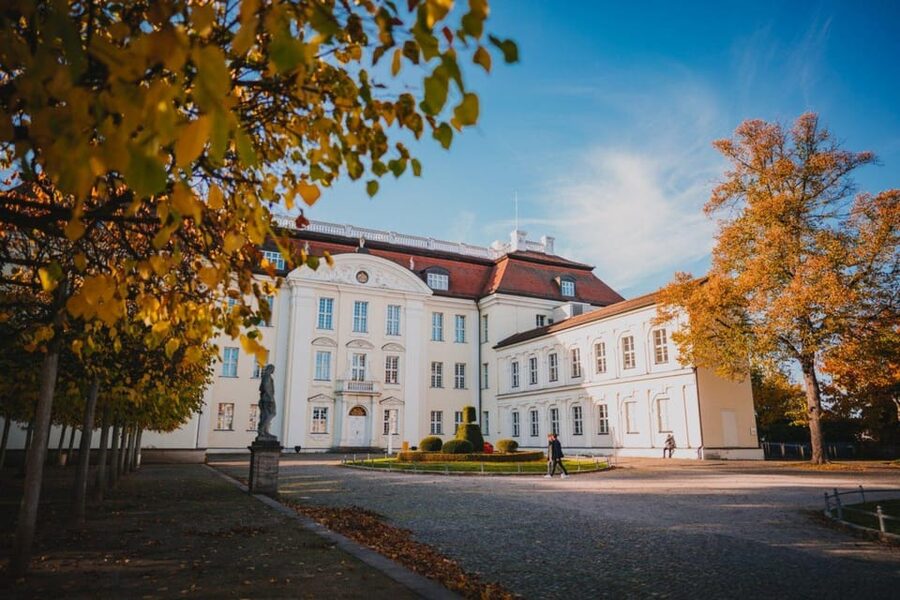
The hall is the heart of the event. Historic rooms change how music feels, especially when the program uses piano, harpsichord, recorder, violin, or voice rather than a large orchestra. You are close to the architectural setting and the instruments, with the concert framed by the palace itself.
There is one important comfort warning. A verified booking from September 2025 praised the music but reported that the room had no refrigeration and became excessively hot. That does not prove every concert will have the same problem, but it is useful information when deciding what to wear.
Choose light, comfortable clothing for warm weather, while keeping in mind that this is still a formal cultural venue. Because the hall conditions may vary, I would avoid clothing that becomes uncomfortable in a warm room.
Audio recording is not allowed. Put your phone away and treat the performance as a live event rather than something to capture for later. Alcohol and drugs are also prohibited.
The hall is wheelchair accessible. The meeting point is the Aurora Hall itself, so you should confirm the precise arrival instructions and starting time shown for your chosen date before setting out.
Language and concert etiquette
Some content is presented in its original language. That matters most for the vocal dates: romantic duets, Mozart songs and arias, Schubert, and Iberian Sounds. If understanding every word is central to your enjoyment, the instrumental programs may be the safer choice.
The piano, violin, Bach, and recorder programs do not depend on spoken translation in the same way. They let you focus on sound and performance without needing a language guide.
The supplied details do not state that subtitles, printed translations, or spoken introductions are provided. I would not assume they are available. Check the final event information if translation is important to you.
Timing your evening in Berlin
A 90-minute concert is easy to build into a day, but do not treat it as a quick stop you can squeeze in at the last second. You need time to reach Köpenick Palace, find the Aurora Hall, and settle before the music begins.
The starting time depends on the date. Check availability for the exact session you want, since the schedule here does not provide one universal start time.
The palace location also gives you a reason to plan this as a destination rather than a generic concert stop. If you are already visiting Köpenick, the included museum admission adds value. If you are staying elsewhere in Berlin, allow enough time for the journey and do not book a tight dinner reservation immediately afterward.
A note about reliability
One verified booking from May 2025 reported that a paid event did not take place and that no response had arrived at the time of the complaint. That is a serious concern, even though the overall score from the five available ratings is 4.1 out of 5.
I would protect myself by checking the event status close to the concert date, saving the booking details, and confirming the starting time. The activity allows free cancellation up to 24 hours in advance for a full refund, and you can reserve now and pay later. Those terms give you some flexibility, but they do not remove the need to confirm that your selected concert is proceeding.
The report about the music itself was positive, while the complaints focused on room temperature and an event problem. That suggests the artistic idea is appealing, but the practical side deserves attention.
Who should book this concert
I would recommend it most strongly to you if you already enjoy classical music, want a historic setting, or are looking for a shorter cultural event in Berlin. The wide program list makes it easy to choose an evening that fits your taste.
It is also a good option for solo visitors and couples who prefer a quiet night over a large tourist attraction. The four-hand piano concert and the mixed Mozart vocal program may work particularly well for people who want something accessible and varied.
You may want to skip it if you need guaranteed air conditioning, full translation for vocal works, a large orchestra, or a detailed published repertoire before booking. The available details do not promise those features.
Should you book Köpenick Palace’s Aurora Hall concert?
Book it if the specific program appeals to you. At $33, the combination of a 90-minute concert and free museum admission is attractive, especially for Mozart, Bach, chamber music, and opera fans.
I would choose the date carefully, check the event status before going, and prepare for possible warmth in the hall. If you do that, this offers a reasonably priced way to hear live classical music in one of Berlin’s historic palace rooms.
FAQ
Where do the concerts take place?
The concerts take place in the Aurora Hall of Köpenick Palace in Berlin.
How long does the concert last?
Each concert lasts 90 minutes.
How much does the experience cost?
The listed price is $33 per person.
Is museum admission included?
Yes. Free museum admission is included with the concert experience.
Which composers and styles are featured?
The program schedule includes Mozart, Bach, Schubert, romantic duets, classical violin sonatas, music connected with Frederick the Great, piano music, and Iberian sounds.
Are the programs the same on every date?
No. Each listed date has its own program, performers, and musical focus.
Are the concerts wheelchair accessible?
Yes. The activity is wheelchair accessible.
Can I cancel my booking?
You can cancel up to 24 hours in advance for a full refund.
Is audio recording allowed?
No. Audio recording is not allowed.
Just added around Germany
- Medieval Knight’s Dinner Show with Live Music in Munich★ 3.0 · 2 reviews
- Dresden: New Green Vault and Semper Opera Tour★ 4.5 · 19 reviews
- City tour (including visit to the Frauenkirche) and Semper Opera Tour★ 5.0 · 21 reviews
- Nymphenburg classical music à la Mozart★ 4.7 · 3 reviews
- Festive Concert at Schleißheim with Residence-Soloists★ 4.7 · 25 reviews
- Festive Concert in the All-Saints Court Church★ 4.6 · 11 reviews
- Mozart and German Composers Private Tour in Munich★ 4.8 · 4 reviews
- Hamburg: St. Pauli Walking Tour with Live Music★ 4.0 · 3 reviews
Berlin Concerts, compared.
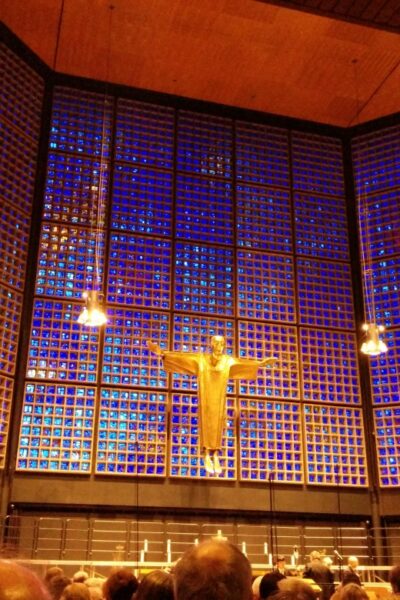
Berlin: Classical Concert at Kaiser Wilhelm Memorial Church
Read our review →
Berlin: Cabaret – The Berlin Musical at Tipi am Kanzleramt
Read our review →
Berlin: “All You Need is Love!” The Beatles Musical Ticket
Read our review →
Berlin: Classical concerts at the Bode Museum Berlin
Read our review →
Berlin Sightseeing Musical-Historical Walking Tour
Read our review →
Browse the lists this tour appears in