
Review · VIENNA
Vienna: King of Waltz – immersive Johann Strauss Museum
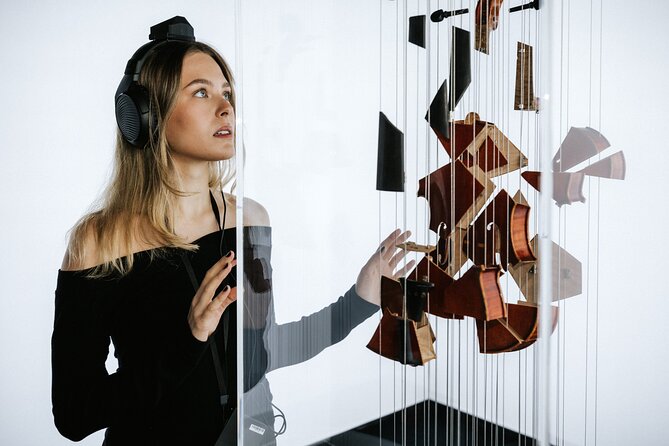
Johann Strauss comes alive here through location-based 3D sound, animated scenes, and interactive music stations rather than behind glass in a quiet museum. At Vienna’s Kleines Haus der Kunst, you follow seven acts covering the Waltz King’s life in about 75 minutes.
I like the hands-on composing machine, which lets you make a personal waltz and take home the sheet music. I also like the thoughtful pacing, with seats placed throughout the 800-square-meter exhibition. The main consideration is that this is a multimedia show, not a traditional museum filled with original objects, so visitors seeking a large collection of Strauss artifacts may find it light on physical exhibits.
Key points to know before booking
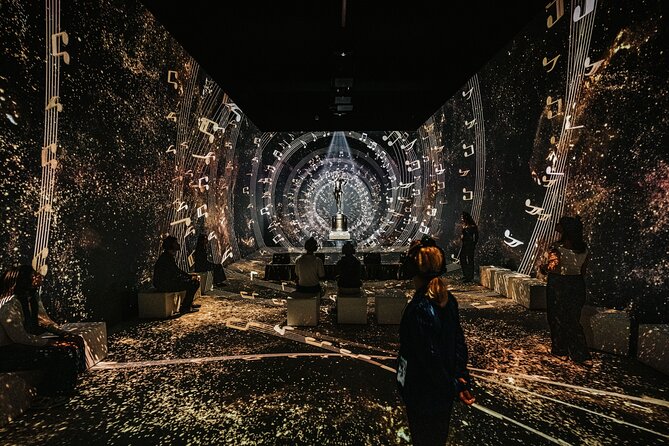
- Seven acts in 75 minutes: Follow Johann Strauss’s life through a sequence of audiovisual scenes and interactive displays.
- Motion-sensitive audio equipment: Headphones and a GPS-controlled audio guide change as you move through the exhibition.
- Create your own waltz: Use the composing machine to produce personalized sheet music to take home.
- A printed Strauss-style portrait: Take a photo as Johann Strauss and have it printed on the spot.
- Convenient central setting: The museum is at Kleines Haus der Kunst in Vienna, near public transportation.
- Good pacing with places to sit: The experience lasts long enough to feel substantial without taking up half your day.
Meeting Johann Strauss through sound and motion
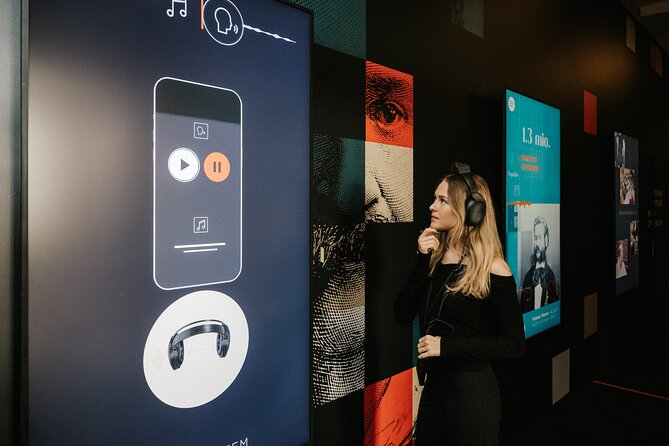
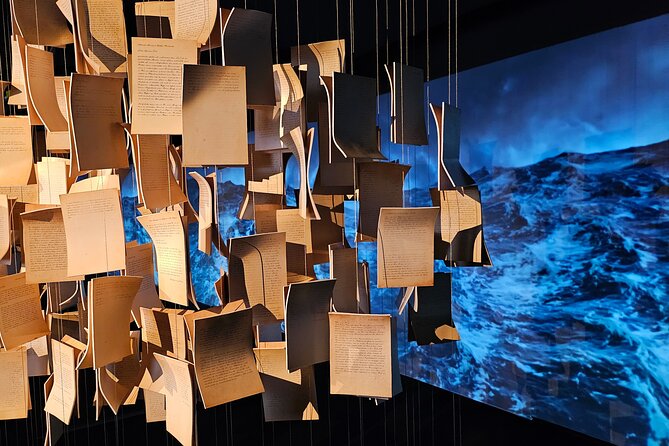
Johann Strauss is often reduced to one familiar image: Vienna, swirling couples, elegant concert halls, and the Blue Danube. This museum experience gives you more than a quick listen to a famous waltz. It uses sound, projected images, motion-sensitive headphones, animations, and interactive stations to show how Strauss’s life and music fit together.
The format is closer to a staged cultural attraction than a conventional museum. You move through a sequence of seven acts, each built around a period or theme from Strauss’s life. The GPS-controlled audio guide responds to your position, while the headphones help direct your attention to sounds and commentary in each area.
That design matters because Johann Strauss’s music is built on movement. A standard wall label can explain a waltz, but it cannot make you feel how music, dancing, and social life connect. Here, the exhibition uses movement as part of the lesson. You are not simply reading about a composer. You are encouraged to listen, try things, and take part.
The experience takes place in an 800-square-meter venue, giving the presentation room to unfold. You should still expect a compact museum visit rather than a full-day cultural program. At about one hour and 15 minutes, it fits neatly into a morning or afternoon of sightseeing.
More Classical Concerts in Austria
- Vienna: Vivaldi’s Four Seasons Concert in Karlskirche
★ 4.7 · 14,951 reviews - Vienna: Classical Concert in the World-Famous Musikverein
★ 4.6 · 6,673 reviews - Vienna: Mozart Concert at the Musikverein – Golden Hall
★ 4.6 · 5,194 reviews
Kleines Haus der Kunst and the seven-act route
The visit begins at Kleines Haus der Kunst in Vienna. The location is near public transportation, which makes it a practical stop if you are moving around the city without a car. Parking fees are not included, so driving adds an extra cost and may be less convenient than using public transport.
Inside, the route is organized as a continuous audiovisual presentation. The seven acts cover important phases of Strauss’s life, using projections, soundscapes, animations, and interactive scenes. You should not expect a guide walking beside you and giving a live talk. Instead, the headphones and audio system provide the structure.
The motion-sensitive headphones are one of the more unusual features. They are designed to react as you move through the rooms, and the GPS-controlled audio guide helps match the sound to your location. This allows the exhibition to tell its story without forcing everyone into one fixed group or pace.
That also gives you a little freedom. You can pause at an interactive station, listen again, or take a seat when you need a break. The available seating is useful for anyone who prefers a slower visit, and it helps prevent the 75-minute program from becoming tiring.
The drawback is that the technology is the main event. If you enjoy original manuscripts, period clothing, instruments, or a large display of personal belongings, you may want to pair this visit with another music-focused stop in Vienna. The museum presents Strauss through designed scenes and sound rather than a large collection of physical objects.
The audio guide and 3D sound system
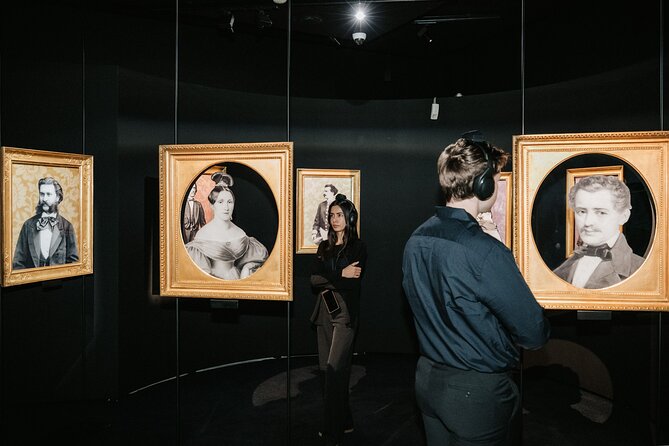
The sound system gives this experience its strongest sense of place. Strauss’s melodies are not treated as background music. They are directed around you through location-based 3D sound, creating a more active listening experience than a basic museum audio track.
The headphones are included with admission, so you do not need to bring your own equipment. They are motion-sensitive, which means the system is built for walking through the rooms rather than standing in front of one display for the entire visit.
I like this approach for a composer museum because it lets the music carry part of the story. You can hear how a tune changes the mood of a scene, and the audio helps connect the music to the moments being shown through the audiovisual installations.
Still, this format may not suit everyone. If you prefer quiet galleries and choose your own order, the sound-led route may feel more controlled. The exhibition is designed to guide your attention, so you will get the most from it if you are willing to follow the sequence and use the supplied headphones.
There is no named live guide listed for this activity. The audio guide handles the commentary, making the visit less dependent on a particular host or group size. That can be helpful for independent visitors, couples, and families who prefer to explore at their own speed.
Trying the composing machine
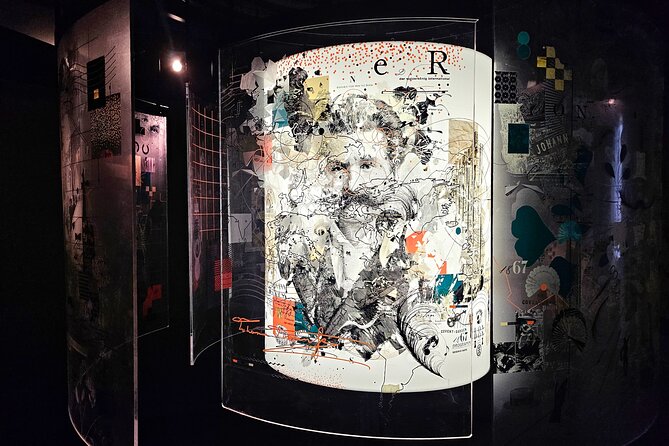
The composing machine is the most memorable hands-on feature. It allows you to try your hand as a composer and create your own waltz. The finished piece is presented as personalized sheet music that you can take home.
This is more useful than a simple touch-screen game because it gives you a physical souvenir linked to the activity. You leave with something that records your participation, not just a photograph of an exhibit or a shop purchase.
You do not need musical training to take part. The point is not to write a masterpiece. It is to show, in a simple way, how musical choices can be combined into a waltz. Children and adults can approach it as a playful activity, while music lovers may enjoy thinking more carefully about the structure.
The composing station also breaks up the historical material. A 75-minute audiovisual presentation could become passive if you only watch and listen. The chance to make something adds a change of pace and gives you a reason to stay engaged.
The exact musical options and controls are not specified, so you should treat the station as an interactive introduction rather than a full composition workshop. If you are hoping to produce a complex arrangement or export a digital recording, the included souvenir is described as personalized sheet music instead.
More Classical Concerts in Vienna
- Vienna: Classical Concert in St. Anne’s Church (Annakirche)
★ 4.6 · 3,414 reviews - Vienna: Mozart and Strauss Concert at Schönbrunn
★ 4.5 · 2,967 reviews - Vienna: Classical Concert at Mozart’s First House
2,423 reviews - Vienna Classical Concert at St. Peter’s Church
★ 4.5 · 2,039 reviews
Taking your Strauss portrait home
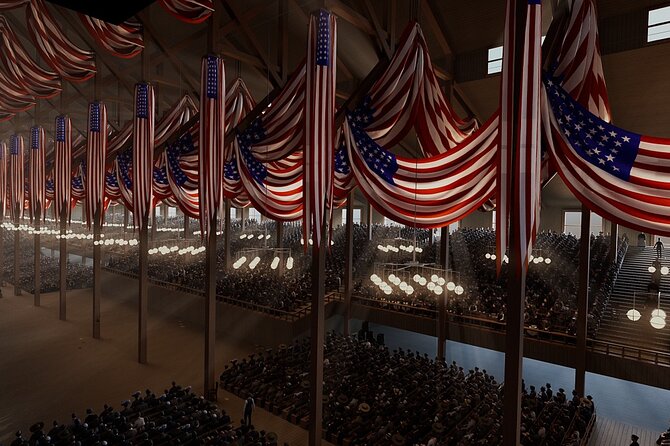
Another interactive station lets you take a photo of yourself as Johann Strauss. The image can be printed on the spot, giving you a second physical keepsake from the visit.
This is a knowingly playful part of the experience. It turns the museum from a place where you watch a famous musician’s story into a place where you briefly step into his public image. For families and friends, the printed portrait may be just as entertaining as the musical material.
The photo also works as a simple memory of the visit. You do not have to buy a separate souvenir to leave with something tangible, since the activity includes the printed image. The supplied information does not state how many copies are provided or whether additional prints cost extra, so it is best to regard the included portrait as one personal memento.
Together, the photo station and composing machine give the museum a clear practical strength: you participate, then leave with two items connected to what you did. Many cultural attractions rely on displays alone. This one gives you a small record of your own visit.
How the timing affects your Vienna plans
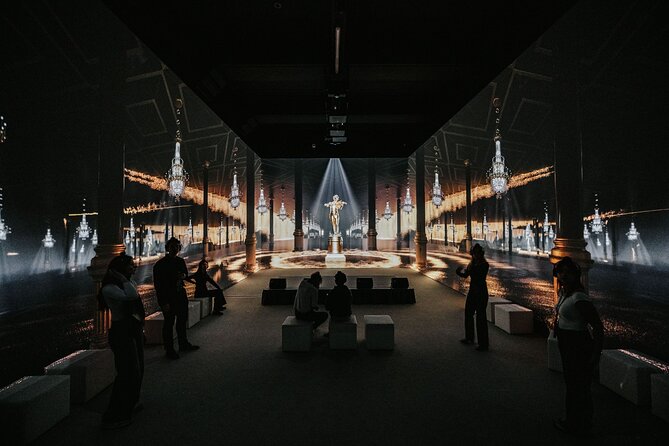
The stated duration is approximately 75 minutes. That makes the experience easy to place between other city sights, especially if you want a cultural stop that does not consume an entire afternoon.
I would allow a little extra time around the scheduled entry for getting to the venue, receiving the headphones, and finding your way through the start of the exhibition. The official experience itself is about 75 minutes, but your total visit may be slightly longer if you stop at the interactive stations or spend time with the photo and sheet music.
The pacing received particular praise for feeling right, with enough seats along the route. That is worth noting if you are traveling with older family members or simply want a break from walking Vienna’s streets. You can enjoy a substantial music experience without remaining on your feet for the whole visit.
The booking pattern also gives you a planning clue. It is booked an average of 28 days ahead, so reserving early makes sense for a fixed Vienna itinerary. A mobile ticket keeps the admission process simple, and confirmation is provided at the time of booking.
Most people can participate, according to the stated visitor information. Specific accessibility details are not provided, so you should contact the provider if you need information about wheelchair access, hearing support, or other requirements.
Is $28.94 a fair price?
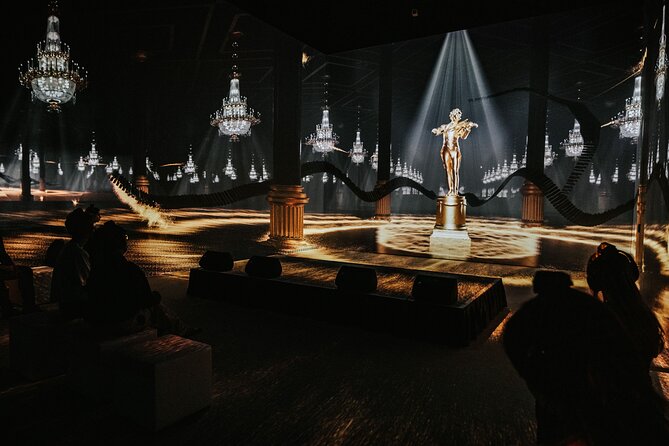
At $28.94 per person, this is not the cheapest quick museum stop in Vienna. The value depends on how much you want an activity built around sound and technology rather than a traditional collection.
You are paying for admission, the audio guide, headphones, the interactive stations, and a 75-minute presentation. The custom sheet music and printed portrait add value because they are part of the visit rather than optional extras described separately.
The price makes more sense if you are curious about Johann Strauss but do not want a formal concert or a long scholarly museum visit. You get music, biography, visual effects, and playful participation in one compact stop. For a family or mixed-interest group, the composing machine and portrait can keep the visit engaging for people who are less familiar with Strauss.
The value is weaker if your main goal is to examine rare objects or study original documents. This is a presentation of Strauss’s world, not a large research collection. You should choose it for the combination of music and technology, not because you expect rows of historic artifacts.
Its 4.5 out of 5 rating from four posted ratings suggests a strong early response, though the small number means you should not treat that figure as a guarantee. The clearest practical strengths are the creative audiovisual work, the reasonable length, and the seating along the route.
Who will enjoy the Johann Strauss Museum most?
I would recommend this experience to several types of visitors:
- Music fans who want to hear Strauss’s work in a setting built around sound.
- First-time Vienna visitors looking for a compact cultural activity near public transportation.
- Families who prefer interactive stations to long text panels.
- Couples and friends who will enjoy making a waltz and taking a humorous portrait.
- Cultural explorers who want a modern presentation of a major Viennese composer.
- Visitors with limited time who can spare about 75 minutes but not an entire afternoon.
You may want to choose something else if you strongly prefer traditional museums, quiet galleries, or original objects. The exhibition is intentionally modern and theatrical. That is its appeal, but it also defines its limits.
Booking, cancellation, and useful planning notes
The activity uses a mobile ticket, and confirmation arrives when you book. It is near public transportation, while parking fees are not included.
Free cancellation is available up to 24 hours before the experience start time for a full refund. Cancellations or changes made less than 24 hours before the start time are not accepted for a refund. The cut-off follows Vienna local time, so check the clock carefully if you are changing plans from another time zone.
The provider is Johann Strauss New Dimensions. Since the visit is booked about 28 days ahead on average, I would reserve once your Vienna schedule is firm, especially if you need a particular time.
Should you book this Vienna music experience?
Book it if you want Strauss presented through sound, animation, and participation rather than a conventional display of objects. The seven-act format, 3D audio, custom waltz, and printed portrait give you plenty to do in a manageable 75 minutes.
Skip it if you are looking for a deep collection of original Strauss material or a live concert. For everyone else, the $28.94 price is reasonable when you value the included equipment and take-home mementos. It is a smart fit for a busy Vienna itinerary, particularly on a day when you want culture without another long walking tour.
FAQ
Where does the Johann Strauss Museum experience take place?
It takes place at Kleines Haus der Kunst in Vienna, Austria.
How long does the experience last?
The visit lasts approximately 1 hour and 15 minutes.
What is included in the ticket?
Admission, an audio guide, and headphones are included.
Is the ticket available on a mobile device?
Yes. The experience includes a mobile ticket.
Does the museum use an audio guide?
Yes. The exhibition uses a GPS-controlled audio guide with motion-sensitive headphones.
How many sections are in the exhibition?
The multimedia exhibition is arranged in seven acts covering important phases of Johann Strauss’s life.
Can I create my own music?
Yes. An interactive composing machine lets you create your own waltz and take home personalized sheet music.
Can I take a photo at the museum?
Yes. You can take a photo of yourself as Johann Strauss and have it printed on the spot.
Is public transportation available nearby?
Yes. The venue is near public transportation.
Can I cancel for a full refund?
Yes, if you cancel at least 24 hours before the experience start time. Cancellations made less than 24 hours before the start time are not refundable.
More Museum Visits in Vienna
- Vienna: Classical Concert at Mozarthaus with Museum Entry
★ 4.8 · 371 reviews - Vienna: Strauss Museum – Music&History in Historic 1837 Hall
★ 4.7 · 31 reviews - Strauss Exhibition incl. LED Concert Show / Coffee + Strauss Cake
★ 5.0 · 30 reviews - Vienna: House of Strauss Museum Entry Ticket
★ 5.0 · 22 reviews
Just added around Vienna
- Vienna’s Musical Heart: Private Walking Tour with a Local★ 5.0 · 2 reviews
- Vienna: Concert by the Vienna Baroque Orchestra★ 4.6 · 56 reviews
- Vienna: Strauss Museum – Music&History in Historic 1837 Hall★ 4.7 · 31 reviews
- Vienna Supreme Orchestra at Palais Niederösterreich★ 4.8 · 10 reviews
- Vienna: Sunday Brunch Danube Cruise & Live Music★ 4.2 · 42 reviews
- Vienna Private Walking Tour including State Opera★ 3.2 · 7 reviews
- Vienna: Romantic Classics Piano, Violin, and Cello Concert★ 4.7 · 60 reviews
- Vienna: Mozart, Beethoven, & Strauss Private Tour★ 5.0 · 4 reviews
Vienna Concerts, compared.
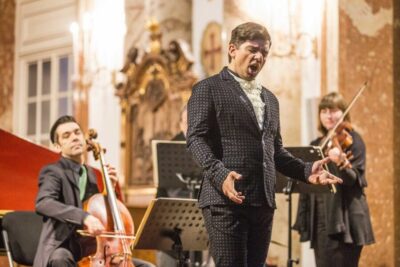
Vienna: Vivaldi’s Four Seasons Concert in Karlskirche
Read our review →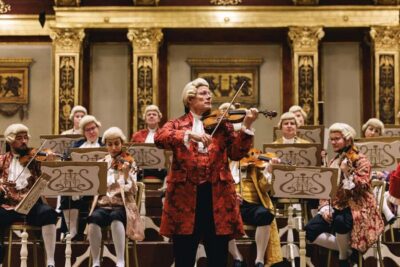
Vienna: Mozart Concert at the Musikverein – Golden Hall
Read our review →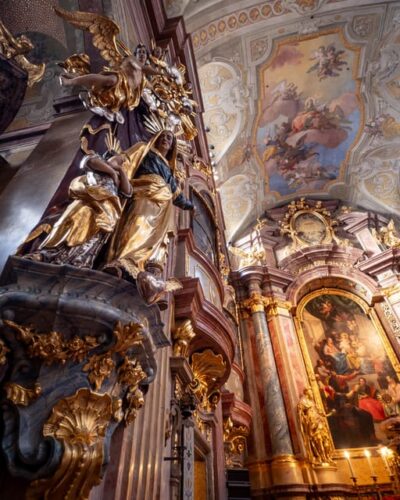
Vienna: Classical Concert in St. Anne’s Church (Annakirche)
Read our review →
Vienna: Mozart and Strauss Concert at Schönbrunn
Read our review →
Vienna: Tickets for Mozarthaus Vienna with Audio Guide
Read our review →
Vienna Classical Concert at St. Peter’s Church
Read our review →Vienna: Classical Concert in St. Anne’s Church (Annakirche)
Read our review →Browse the lists this tour appears in