
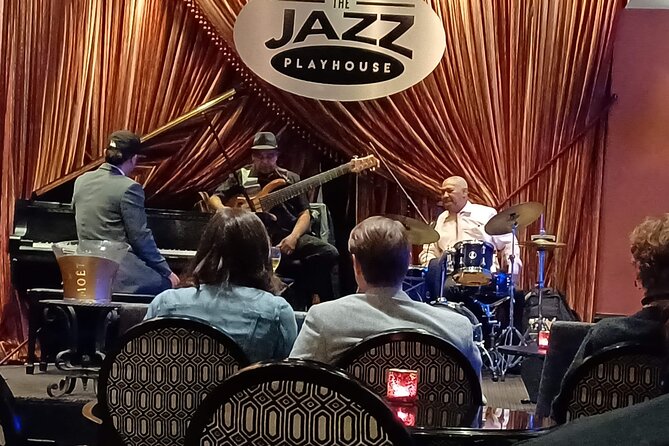
Review · NEW ORLEANS
New Orleans Jazz Walking Tour
New Orleans jazz is best understood on foot, where the music’s story meets the places that shaped it. This two-hour walk connects Louis Armstrong Park, Congo Square, the former St. Pierre Hotel, and Frenchmen Street, with local guides such as Harris Parson and Robin adding music clips, personal stories, and city context.
I like the route for two reasons: it links African American cultural history with the lives of famous musicians, and it finishes with live music on Frenchmen Street rather than ending at a plaque. The main drawback is that you must stand and walk for much of the tour, and younger children may lose interest during the detailed historical sections.
Key points to know before booking
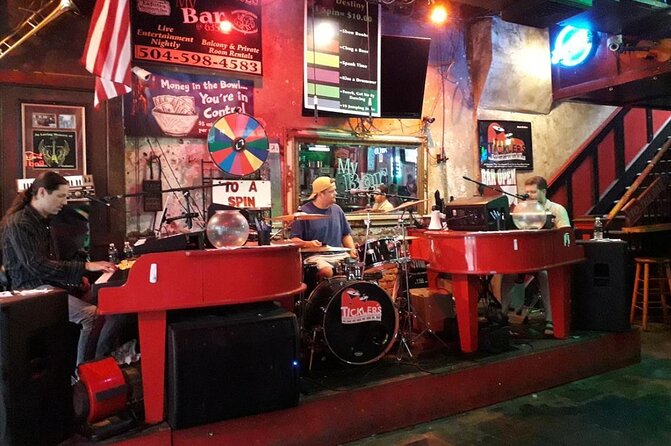
- Congo Square gives the tour its strongest sense of place: You visit the historic gathering ground tied to African American music, dance, and community life.
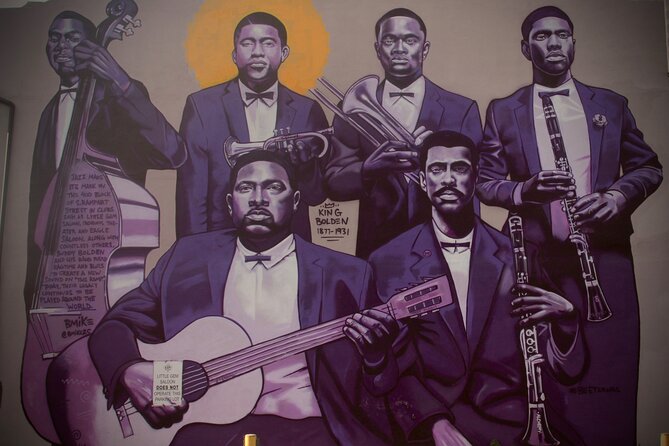
- Louis Armstrong Park starts the story: Monuments, former dance halls, and tales of Armstrong, Jelly Roll Morton, and Charles Buddy Bolden set the stage.
- The guides are the main attraction: Harris Parson is a New Orleans native, drummer, oral historian, and independent scholar; Robin is praised for using music to explain changing eras and styles.
- Frenchmen Street provides a lively finish: The tour ends near clubs such as Snug Harbor, the Maison, and the Spotted Cat.
- The $35 price is fair for a small-group history walk: The listed maximum is 28 people, with a two-hour route and a local cultural ambassador included.
- Plan for standing and weather: A moderate fitness level is required, and poor weather can lead to a new date or refund.
Why this jazz walk works better than a basic music tour
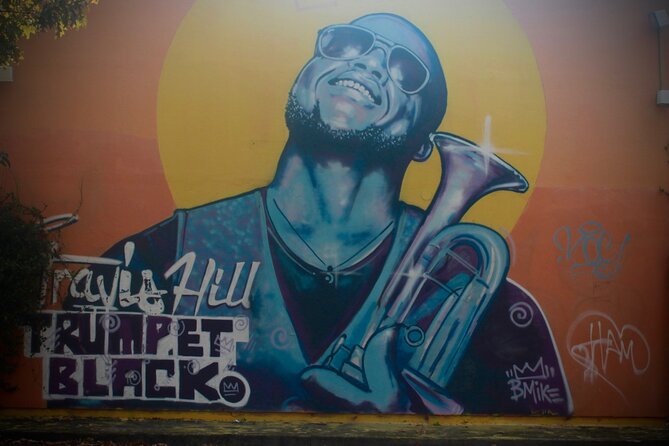
Many music tours give you a list of famous names and a few club addresses. This one tries to explain how jazz grew from place, community, movement, and individual talent. You are not only hearing about Louis Armstrong. You are also following the physical route through Tremé and the edge of the French Quarter.
I especially like the use of music during the walk. Harris Parson has played songs connected to the people and periods he discusses, which helps you hear the difference between a name in a history lesson and an actual musical voice. Robin has used the same approach, matching songs to different eras and styles.
That matters because jazz can be hard to explain in plain words. A short musical example can make a point about rhythm, improvisation, or changing influences faster than a long lecture. You still need to listen carefully, but the sound gives the history a clear anchor.
The experience also reaches beyond music. Guides explain New Orleans architecture, local neighborhoods, and the social setting in which musicians worked. If you are new to jazz, this wider context makes the subject easier to follow. If you already know the music, the local stories and buildings may give you a fresh angle.
More Jazz Concerts in New Orleans
- New Orleans Steamboat Natchez Jazz Cruise with Dinner Option
★ 4.0 · 7,533 reviews - New Orleans Steamboat Natchez Jazz Cruise
★ 4.5 · 5,334 reviews - New Orleans: Evening Steamboat Jazz Cruise + Optional Dinner
★ 4.3 · 4,548 reviews
Louis Armstrong Park: names, monuments, and early dance halls
The tour begins at Louis Armstrong Park, at 701 North Rampart Street. This is a useful starting point because the park brings several strands of the story together. You hear about early jazz pioneers, see monuments, and learn about the dance halls where the music took hold.
The names include Louis Armstrong, Jelly Roll Morton, and Charles Buddy Bolden. Each represents a different part of the early New Orleans jazz story, and the guide uses their lives to explain how the music developed. The strongest guides do not treat these musicians as isolated legends. They connect them to the city around them.
The stop lasts about 40 minutes, and no separate admission fee is listed. That gives the guide time to explain details instead of rushing past a statue for a quick photograph. You should expect a standing presentation, not a seated museum talk.
This first section can be especially useful early in your New Orleans visit. Once you know who shaped the music and where they worked, later evenings on Frenchmen Street make more sense. You begin to hear the city’s music as part of a long local tradition rather than just background entertainment.
The tradeoff is pace. Forty minutes in one park may feel long if your only goal is to get to a club. I would choose this tour for the story, not as a quick introduction before a concert.
Congo Square and the Tremé connection
Congo Square is the emotional center of the walk. The tour presents it as sacred ground connected to the origins of jazz and to the gathering of enslaved and freed African Americans. The space is tied to Sunday meetings where people could drum, dance, and socialize.
The stop lasts about 20 minutes. That is not enough time for every part of the subject, but it provides a clear link between African American cultural life and the later development of New Orleans music. The guide also points toward Tremé, described as the oldest African American neighborhood in the country.
You should listen closely here. The importance of Congo Square is not only musical. It is also about community, memory, cultural survival, and the ways people maintained traditions under severe limits. A good guide can make that connection without turning the stop into a dry lecture.
The short time at Congo Square is both a strength and a limitation. You get a focused explanation without standing in one place for an hour, but anyone seeking a full African American history of New Orleans will need more time elsewhere. This tour offers a strong starting point, not the last word.
I would pay attention to how the guide handles the phrase where jazz began. Jazz has many influences and a complicated development. The tour gives you a local interpretation centered on Congo Square, which is meaningful, but you should treat it as part of a larger story rather than a single moment when the music suddenly appeared.
The St. Pierre Hotel and the New Orleans Jazz Museum
The next stop is the New Orleans Jazz Museum, described here in connection with the first jazz museum and the St. Pierre Hotel. Louis Armstrong stayed at the hotel when he performed in New Orleans, after he had moved away from the city.
That detail adds a personal dimension to the Armstrong story. You are not only hearing about a famous musician’s early life. You are also considering his return to New Orleans as an established performer. The hotel becomes a place connected to movement, success, and the continuing relationship between Armstrong and his hometown.
This portion lasts about 40 minutes. Admission is listed as free for the tour, so the value comes from the guide’s explanation rather than an added museum charge. The supplied details do not promise a formal indoor museum presentation or a specific exhibit schedule, so you should follow the guide’s instructions about exactly how the stop operates on your date.
The tour also connects this area with early recording history. The route has been used to point out the building associated with the first recording studio in New Orleans, where artists including Ray Charles, Jerry Lee Lewis, and Fats Domino made early recordings. That is a useful reminder that New Orleans music did not stop with traditional jazz. The city’s musical story continues through rhythm and blues, rock and roll, and other styles.
This is one reason I would take the walk near the beginning of your stay. You will leave with names, places, and sounds to look for during the rest of your trip. The information can help you choose a club or understand why a particular musician matters.
More Jazz Concerts in the USA
- New Orleans: Daytime Steamboat Jazz Cruise + Optional Lunch
★ 4.3 · 4,164 reviews - Paddlewheeler Creole Queen Jazz Dinner Cruise in New Orleans
★ 4.0 · 1,469 reviews - New Orleans: Evening Jazz Boat Cruise with Optional Dinner
★ 4.4 · 1,024 reviews - Sunday Jazz Brunch Cruise in New Orleans
★ 4.0 · 889 reviews
Frenchmen Street: ending with real music around you
The final 20 minutes take you to Frenchmen Street, a popular location for live New Orleans music. The tour ends there, which is smart planning. Instead of explaining the city’s music and then sending you away, the guide puts you near the clubs where you can hear musicians for yourself.
Venues named for this area include Snug Harbor, the Maison, and the Spotted Cat. The tour description presents Frenchmen Street as suitable for families and younger visitors, but the supplied information does not include club admission rules, performance schedules, or a guaranteed entry into a particular venue. Think of this as a guided arrival in the music district, not a reserved concert ticket.
The ending is also practical. You can continue your evening on Frenchmen Street after the walk, choose a club, or simply explore the area. Since snacks, lunch, and dinner are not included, this is a good point to make your own meal plans.
Twenty minutes is a short time for live music. The guide may point out venues or help you understand what you are seeing, but you should not book this tour expecting a full club performance as part of the $35 fee. Its purpose is to bring the story to the place where the music is happening now.
What the guides add to the experience
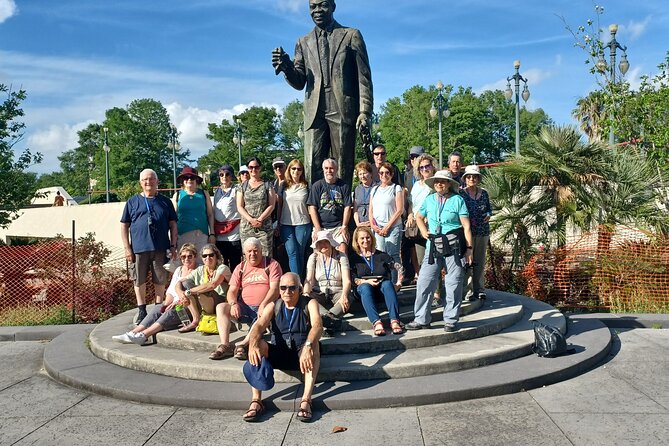
The guide can make or break a history walk, and this tour’s strongest praise centers on the people leading it. Harris Parson is described as a New Orleans native, drummer, oral historian, independent scholar, and cultural ambassador. He has been praised for explaining jazz, architecture, city history, and social context in a warm, personal way.
Harris also seems willing to adjust the conversation to the group. One family found that he gave extra attention to a daughter who was herself a jazz musician. Another group appreciated his answers to questions about many parts of New Orleans, not only music. That flexibility is valuable on a walking tour because groups arrive with different levels of interest.
Robin brings a different strength. She is praised for extensive music and city knowledge, a polished manner, and the use of recorded music to bring different periods to life. If your booking assigns Robin, expect the musical side of the story to receive careful attention.
You cannot choose a particular guide based on the details provided here, so do not book solely on the promise of Harris or Robin. Still, the pattern is clear: the provider places strong emphasis on native New Orleans guides who treat the tour as cultural interpretation, not just a route between attractions.
The experience may suit adults, music students, and curious first-time visitors best. One family found the information less appealing for younger children, even though the guide was friendly and engaging. School music groups have also used the subject matter, so older children with a real interest in music may enjoy it more than very young children.
Is $35 a good value for two hours?
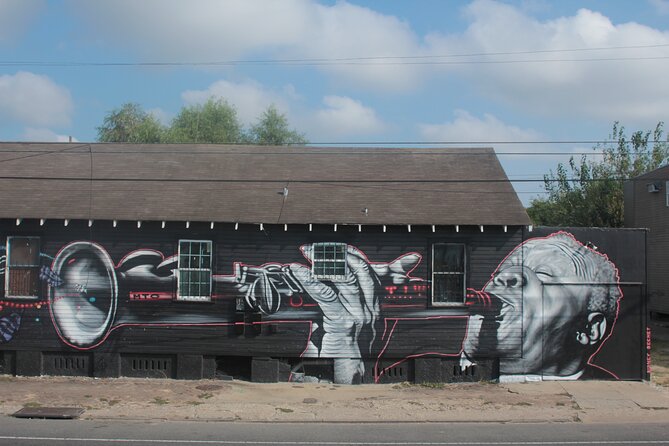
At $35 per person, the tour is reasonably priced for a two-hour guided walk in central New Orleans. You receive a local guide, a planned route, historical interpretation, music examples, and a finish near live music venues. The group can reach up to 28 people, so the value depends partly on the size of your particular departure.
The price does not include food or drinks. It also does not promise club admission or a complete live performance. If you want a seated concert, you will need to arrange that separately and budget for it.
I consider the price strongest for someone who wants orientation and context. A casual listener may learn enough to make later music choices with more confidence. A dedicated jazz fan may value the musician stories and historic locations, though the short length means the tour cannot cover every artist or neighborhood in depth.
The tour runs with a minimum of two people and does not operate for one person unless arranged as a private tour. Confirmation is provided at booking, and the activity is near public transportation. You should be prepared to stand for long periods and maintain a moderate level of physical activity.
How to prepare for the walk
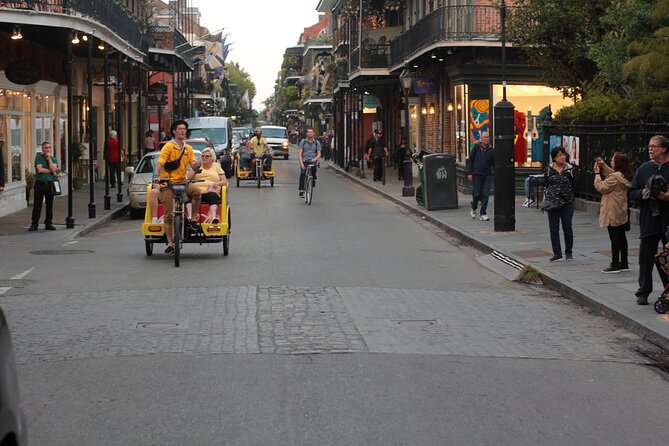
Wear comfortable shoes and plan for an outdoor experience. The route moves through public areas, and the description specifically warns that you must be able to stand for a long time. Bring water and account for the weather, since poor conditions may cause a cancellation or a change of date.
Try to schedule the tour early in your New Orleans stay. The information about musicians, recording sites, neighborhoods, and music venues can shape your plans for the next few days. You may also find it easier to follow the guide if you listen to a little New Orleans jazz beforehand, though no preparation is required.
Arrive ready to listen rather than rush for photographs. The best parts are the connections between places and people, and those can be easy to miss if you treat each stop as a quick photo opportunity.
The listed average booking time is 26 days ahead. That suggests you should reserve before your trip if your dates are fixed, especially if you want to avoid losing a preferred time. The maximum group size is 28, so a smaller departure is possible but not guaranteed.
Free cancellation is available up to 24 hours before the start time for a full refund. Changes or cancellations inside that window are not accepted for a refund. If weather cancels the tour, you are offered another date or a full refund.
Who should book this New Orleans jazz tour?
I would recommend it to first-time visitors who want more than a club list, people who enjoy local history, and anyone who wants a clear introduction to the musicians and communities behind New Orleans jazz. It is also a good fit for music students and adults who want a guide capable of discussing both artists and the city around them.
Families should think about the ages and patience of their children. The route is family-friendly in the sense that it ends in a popular music area, but the historical material is aimed more at a mature audience. Younger children may struggle with long explanations and extended standing.
I would skip it if you want a concert-focused evening, a fully seated activity, or a quick overview with little historical detail. I would also avoid booking it as your only music experience. The walk explains why the music matters, but you should still make time to hear a full performance on your own.
Should you book it?
Book this tour if you want to connect Congo Square, Louis Armstrong Park, Tremé, and Frenchmen Street in one guided route. The 4.9 rating from 80 ratings and 98 percent recommendation figure match the experience’s clear strengths: passionate local guides, strong storytelling, music examples, and a useful ending near live venues.
The main caution is practical rather than artistic. You will stand, walk, and listen for two hours, with no meal included and no guaranteed club admission. If that sounds like the right pace, $35 is a sensible way to gain a working understanding of New Orleans jazz before exploring the city on your own.
FAQ
How long does the New Orleans Jazz Walking Tour last?
The tour lasts approximately two hours.
Where does the tour begin?
It begins at Louis Armstrong Park, 701 N Rampart St, New Orleans, Louisiana 70116.
Where does the tour end?
The tour ends on Frenchmen Street in New Orleans.
What places are included on the route?
The route includes Louis Armstrong Park, the New Orleans Jazz Museum and St. Pierre Hotel area, Congo Square, Tremé, and Frenchmen Street.
Is food included?
No. Snacks, lunch, and dinner are not included.
How large can the group be?
The activity has a maximum of 28 participants.
What happens if bad weather cancels the tour?
If poor weather causes a cancellation, you are offered a different date or a full refund.
More Walking Tours in New Orleans
- New Orleans Jazz History and Music Walking Tour
★ 4.5 · 477 reviews - New Orleans: Jazz Walking Tour
★ 5.0 · 4 reviews - Sydney Opera House Official Guided Walking Tour
★ 4.5 · 3,770 reviews - London West End Musical Silent Disco Walking Tour Top 1% Rated
★ 5.0 · 1,057 reviews
Just added around New Orleans
- The Soul of New Orleans: Jazz History Private Tour★ 5.0 · 4 reviews
- Private VIP Frenchmen Street Live Music Pub Crawl New Orleans★ 4.5 · 17 reviews
- Small-Group New Orleans Jazz Tour★ 4.5 · 16 reviews
- New Orleans Music Tour★ 4.5 · 35 reviews
- New Orleans Music Tour★ 4.5 · 65 reviews
- French Quarter Shrimp Boil & Live Music★ 5.0 · 177 reviews
- New Orleans Jazz History and New Orleans People of Color★ 5.0 · 2 reviews
- Creole Queen Weekend Jazz Brunch Cruise on the Mississippi River★ 4.0 · 6 reviews
New Orleans Concerts, compared.
New Orleans Steamboat Natchez Jazz Cruise with Dinner Option
Read our review →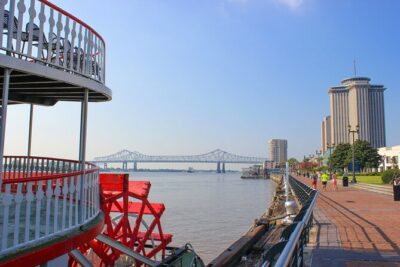
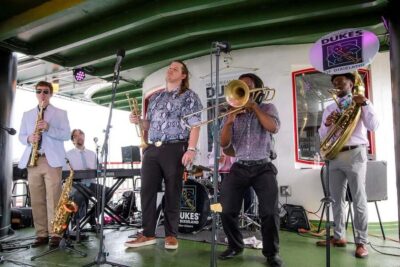
New Orleans: Evening Steamboat Jazz Cruise + Optional Dinner
Read our review →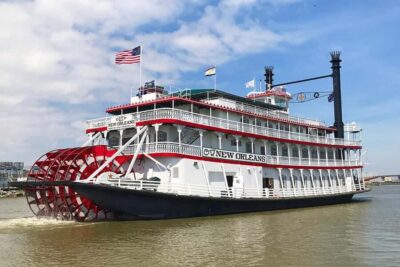
New Orleans: Daytime Steamboat Jazz Cruise + Optional Lunch
Read our review →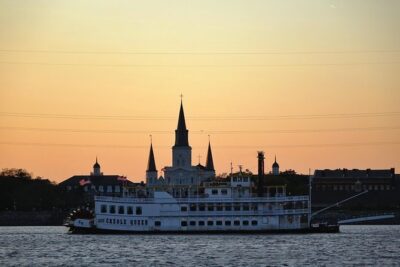
Paddlewheeler Creole Queen Jazz Dinner Cruise in New Orleans
Read our review →
New Orleans: Evening Jazz Boat Cruise with Optional Dinner
Read our review →
VIP Jazz Dinner Cruise with Private Tour and Open Bar Option
Read our review →Browse the lists this tour appears in