
Review · NEW ORLEANS
New Orleans Jazz History and Music Walking Tour
New Orleans jazz makes more sense when you follow it through the streets where its story began. This 2.5-hour walk links Louis Armstrong Park, Congo Square, the French Quarter, Bourbon Street, and possibly Frenchmen Street, then takes you into a live music venue selected by your guide.
I like the small group size, capped at 12, and the way guides such as Kristi and Adam connect music with the city’s social history. I also like that your ticket helps support local musicians and venues. The main consideration is the pace: you will walk about 14 blocks, and one stop received criticism for spending too much time on social and political history rather than jazz itself.
Key points to know before you book
- Congo Square gives the tour its strongest sense of place: Learn how African, Caribbean, Creole, and European influences met in New Orleans music.
- The route can change at night: Your guide may choose Bourbon Street or Frenchmen Street based on where the best live music can be heard.
- You may visit two music clubs: The listed plan promises a live venue, while many recent outings included two stops with different bands.
- The group is limited to 12 people: A smaller group makes it easier to ask questions and hear stories on busy streets.
- One drink is included: Additional drinks and food cost extra, and a nonalcoholic drink is acceptable.
- Comfortable shoes matter: The walk covers about 1.5 miles, with roughly 30 minutes at a time spent moving between sights and music stops.
Why this tour works as an introduction to New Orleans jazz
I like tours that explain not only what you are hearing, but why it sounds that way. This experience treats jazz as part of New Orleans life, not as a museum display. You move from Tremé and Congo Square into the French Quarter, where music still fills clubs and sidewalks.
The best guides make the connection personal. Kristi, who is also a musician, has led outings that covered the city’s music culture, Creole influences, and practical advice for finding live music later in the trip. Adam has been praised for his stories about jazz history and for keeping the walk relaxed and easy to follow. Andre has also led the experience.
The format is useful if you are new to New Orleans. You get a basic timeline, a look at key places, a live set, and suggestions for continuing your evening. It is not a full course in jazz, and it is not designed around a single famous club. Think of it as a guided orientation to the city’s music life.
More Jazz Concerts in New Orleans
- New Orleans Steamboat Natchez Jazz Cruise with Dinner Option
★ 4.0 · 7,533 reviews - New Orleans Steamboat Natchez Jazz Cruise
★ 4.5 · 5,334 reviews - New Orleans: Evening Steamboat Jazz Cruise + Optional Dinner
★ 4.3 · 4,548 reviews
Louis Armstrong Park and the Tremé beginning
The tour starts at 701 North Rampart Street, just outside the main French Quarter area. From there, you enter Louis Armstrong Park in Tremé, a fitting first stop because the park links the city’s modern name with its older musical traditions.
You will spend about 35 minutes here. The guide discusses Louis Armstrong, one of New Orleans’ most influential musicians, and explains some of the early forces that shaped jazz. This is also a chance to slow down before the street walking begins. The park provides a more open setting than the narrow French Quarter lanes.
You pass the Mahalia Jackson Theater of the Performing Arts, named for the New Orleans-born gospel singer. That detail helps broaden the story beyond instrumental jazz. New Orleans music developed through several traditions, including gospel, blues, brass band music, African rhythms, Caribbean sounds, and European forms.
One practical point: an early tour stop may include short music clips played from a phone. That can be hard to hear if the park is noisy or another event is taking place. If sound matters to you, stand close to the guide and do not be shy about asking for a repeat.
Congo Square and the roots of a uniquely American sound
Congo Square is the historical heart of the experience. The area was once a place where enslaved people and free people of color could gather and socialize. The tour uses this setting to explain how musical ideas traveled and changed in New Orleans.
You will hear about West African and Caribbean sounds meeting European instruments and musical structures. That explanation matters because jazz did not appear from one source. It grew from people, traditions, and circumstances coming together over time.
The Congo Square portion lasts about 15 minutes, but its importance reaches beyond the clock. You are given a way to listen to later music with more context. Rhythms, call-and-response patterns, improvisation, and communal performance all become easier to place after this stop.
The discussion also requires care. New Orleans music is tied to slavery, segregation, unequal opportunity, and the continuing struggle of musicians to earn a living. One experience reportedly placed too much weight on current social and political issues for someone expecting a mainly musical lesson. If you want only musician names, instruments, and song forms, this tour may feel broader than expected. If you want music explained as part of the city’s history and people, that wider view is one of its strengths.
Entering the French Quarter through music and memory
From Louis Armstrong Park, the route enters the Vieux Carré, the French Quarter. This section combines neighborhood history with the story of jazz, blues, and the people who made music in the city’s clubs, homes, and public spaces.
The French Quarter portion is listed at about 10 minutes, though the full walk through the area continues through later stops. You may pass Preservation Hall, the long-running venue dedicated to protecting and continuing traditional New Orleans jazz. Its presence gives the tour a direct link to the city’s effort to keep older styles alive.
You also learn how the music scene works today. Your guide can explain how to read club listings, when to arrive, and how to find worthwhile performances after the tour. That practical advice may be more useful than another list of famous names, especially if you have several nights in New Orleans.
Because the route is chosen according to the evening’s music, the exact order can change. This is a benefit when the guide is paying attention to who is playing and where. It also means you should not book expecting a fixed club lineup.
More Jazz Concerts in the USA
- New Orleans: Daytime Steamboat Jazz Cruise + Optional Lunch
★ 4.3 · 4,164 reviews - Paddlewheeler Creole Queen Jazz Dinner Cruise in New Orleans
★ 4.0 · 1,469 reviews - New Orleans: Evening Jazz Boat Cruise with Optional Dinner
★ 4.4 · 1,024 reviews - Sunday Jazz Brunch Cruise in New Orleans
★ 4.0 · 889 reviews
Bourbon Street, the French Market, and the city’s public sound
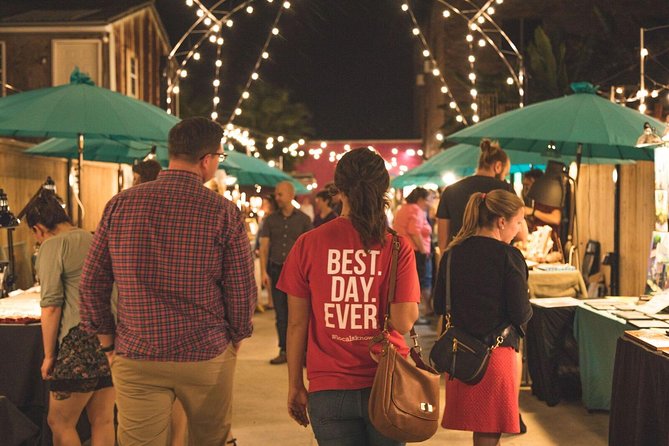
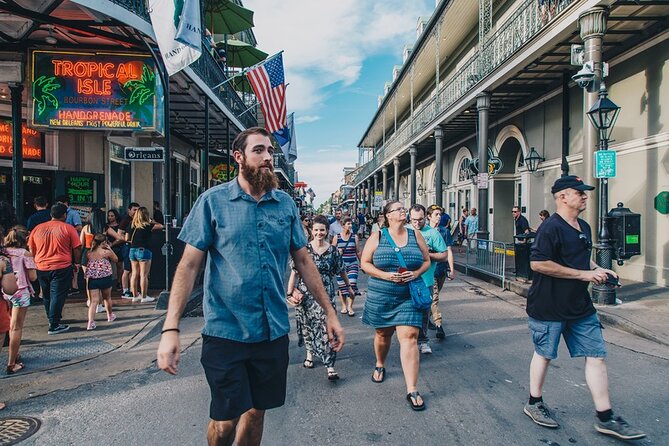
One possible route follows Bourbon Street. The guide discusses its history and the residential and commercial spaces where blues and jazz musicians worked together. This can be a welcome correction to the street’s party reputation.
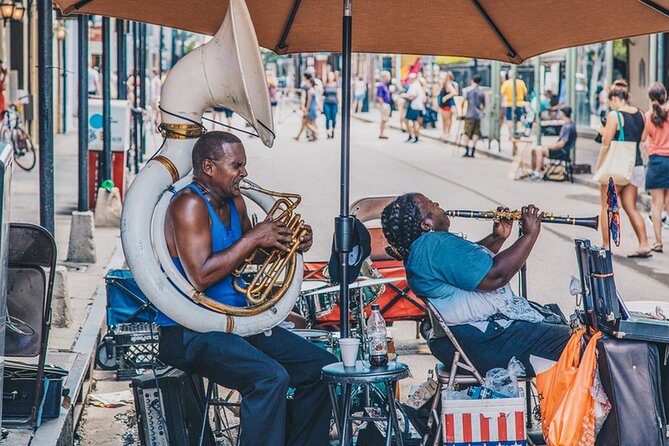
Bourbon Street is famous for nightlife, but the tour tries to place it in a longer story. You may also pass the French Market and hear a busker performing there. That kind of unplanned street music can add a useful contrast to the formal club stop later.
The Bourbon Street route may suit you if you want to understand how music sits within the French Quarter’s everyday life. It may be less satisfying if you are hoping for a long performance at this point. The focus here is walking, stories, and the connection between places and musicians.
Frenchmen Street and the move into live music
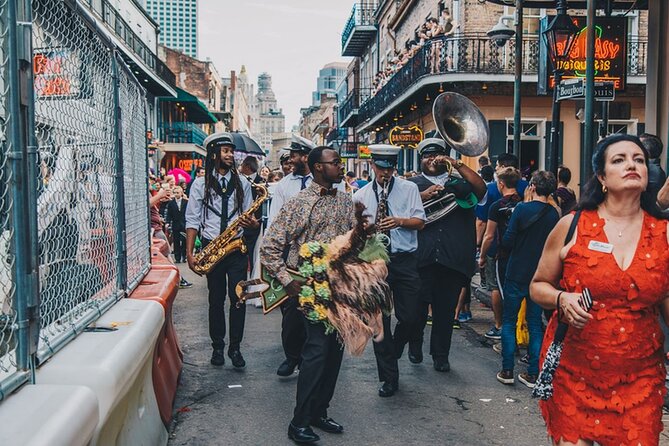
Another possible route heads toward Frenchmen Street, known for its concentration of live music venues. This is where the tour shifts from historical explanation to the present-day scene.
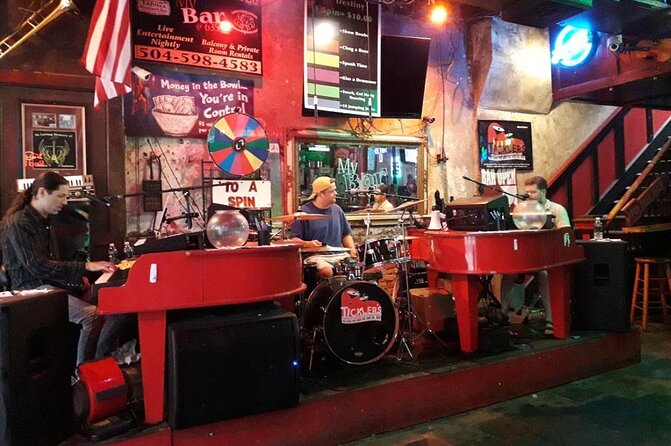
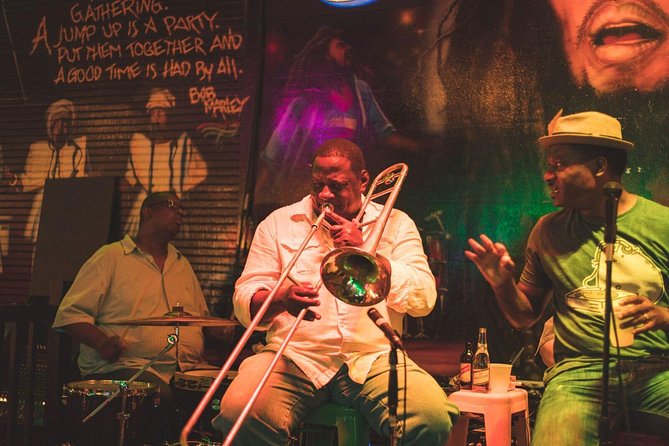
Your guide takes you into a music venue selected for that evening. The plan includes a live jazz or music stop and one complimentary drink. In practice, several outings included two clubs, often with different bands and settings. Some groups stayed at the second venue after the official tour ended.
That flexibility is valuable. You are not simply told that New Orleans has good music. You get to sit in a club, hear musicians at work, and see how one venue differs from another. One outing even included members of Preservation Hall performing, while another guide made a point of timing the route so the group could hear Delfeayo Marsalis.
Still, the evening’s music is not guaranteed. The exact performers and clubs depend on the guide’s route and what is available that night. I would book this for the chance to hear live music, not for a promise of a particular band.
The complimentary drink and evening rhythm
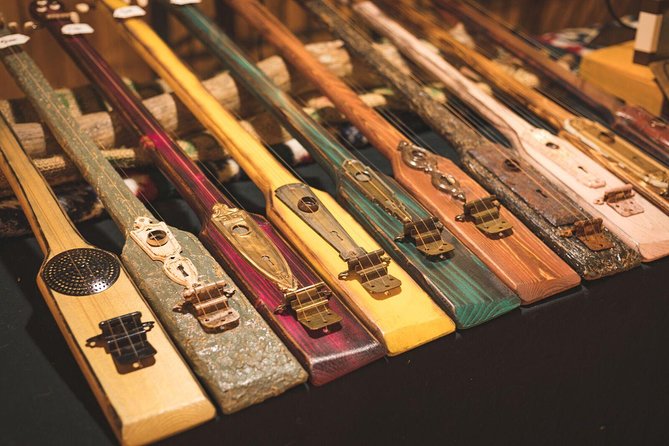
One drink is included at a music stop. You can choose a nonalcoholic drink, and extra beverages or food are your responsibility. That is a useful arrangement because you get a small taste of the nightlife without having the price built around a full meal or open bar.
The drink also creates a natural pause in the walk. After moving through parks and streets, you can settle into a venue and listen. Keep in mind that this is still a walking tour, not a seated concert package. You may spend much of the evening standing or moving between places.
The tour ends in the French Quarter rather than returning to the starting point. That is convenient if you plan to continue your night nearby. It also means you should plan your route home from the French Quarter instead of assuming you will finish at North Rampart Street.
What the small group size changes
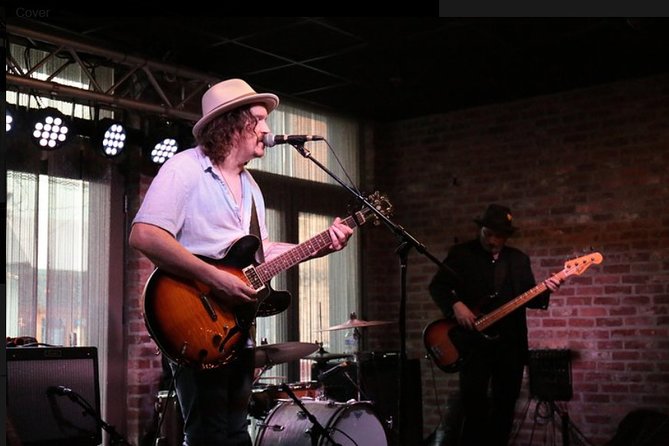
The maximum group size is 12, and some departures have been much smaller. A group of four or six can feel almost private, especially in a neighborhood where it is hard to gather everyone on a crowded pavement.
A small group also gives you more access to the guide. You can ask about a musician, a venue, a style of jazz, or what to do on another night. Guides have shared personal lists of places and suggestions for finding music after the tour, which can make this experience useful beyond its scheduled finish.
The downside is that a small group does not guarantee a quiet environment. Parks, street events, and clubs can be noisy. The guide’s ability to speak clearly matters, particularly during music examples played outdoors.
Is the $60.56 price fair?
At $60.56 per person, the price is reasonable if you use the tour as both a history walk and a night of live music. You are paying for about 2.5 hours with a local guide, a walk through Tremé and the French Quarter, entry into at least one music venue, one drink, and recommendations for the rest of your stay.
The value improves if the route includes two clubs, as it often has. Buying a drink at one venue and getting an informed introduction to the local scene could otherwise take effort, especially on your first night.
The price is less compelling if you already know New Orleans jazz well or plan to spend the entire evening at a specific club. You may prefer to choose your own music schedule and put the money toward admission and drinks. This tour earns its cost through context, access, and guidance rather than through a long performance.
Group discounts are available, and bookings are often made well ahead of time, with the average booking about 33 days before the date. If your schedule is fixed, reserve early.
Who should book this experience?
I would recommend it for a first visit, especially if you want to make sense of New Orleans before spending later nights on your own. It suits couples, solo visitors, friends, and families with travelers who are at least 21. The small group format helps solo visitors meet people without turning the outing into a large bus tour.
It is also a good match for anyone who values local interpretation over a checklist of sights. You will hear about Louis Armstrong, Mahalia Jackson, Congo Square, Preservation Hall, Creole culture, and the role of African and Caribbean traditions in New Orleans music.
You should think twice if you dislike walking, standing, or changing plans. The route covers about 14 blocks, and weather can affect the experience. Wear comfortable shoes, bring water, and allow the evening to unfold rather than expecting a fixed sequence.
The tour is not suitable for anyone under 21. Most people can take part physically, but the organizers do not describe it as a specialized accessible tour, so ask ahead if you have specific mobility needs.
Booking, cancellations, and weather
You can cancel up to 24 hours before the start time for a full refund. Changes made less than 24 hours ahead are not accepted, and cancellations inside that window are not refunded.
The activity requires good weather. If poor weather causes cancellation, you will be offered another date or a full refund. Since the experience takes place outdoors for much of its first half, check the forecast and dress for a changing New Orleans evening.
Should you book the New Orleans Jazz History and Music Walking Tour?
Book it if you want a useful first-night introduction to New Orleans music, with a real club stop and a guide who can help you find more music afterward. The strongest parts are the small group, the Congo Square context, the walk through Tremé and the French Quarter, and the chance to hear one or two local bands.
Skip it if you want a tightly structured lecture focused only on jazz styles and musicians, or if you already have a firm club itinerary. The tour includes social history and the working reality of local musicians, and that broader discussion may not suit every interest.
For most first-time visitors, I would schedule it early in the trip. You will leave with a better sense of where jazz came from, how the local scene works, and where to spend the rest of your evenings.
FAQ
How long does the New Orleans Jazz History and Music Walking Tour last?
The tour lasts approximately 2 hours and 30 minutes.
How far do you walk?
The route covers about 14 blocks, or approximately 1.5 miles, on foot.
Where does the tour start?
It starts at 701 N Rampart Street, New Orleans, Louisiana 70116, near the French Quarter.
Where does the tour end?
The tour ends in the French Quarter.
Is live music included?
Yes. You will visit a live jazz or music venue selected by your guide. Many outings have included two music venues, but the exact route and number of stops can vary.
Is a drink included?
Yes. One complimentary drink is included at a music stop. You can choose a nonalcoholic drink, while additional drinks and food cost extra.
Are visitors under 21 allowed to join?
No. Participants must be at least 21 years old.
How large is the group?
The tour has a maximum of 12 participants. Some departures may be smaller.
Is the tour offered in English?
Yes. The tour is offered in English.
What happens if the weather is poor?
The experience requires good weather. If it is canceled because of poor weather, you will be offered another date or a full refund.
More Heritage Tours in New Orleans
- The Soul of New Orleans: Jazz History Private Tour
★ 5.0 · 4 reviews - New Orleans Jazz History and New Orleans People of Color
★ 5.0 · 2 reviews - Porto: An Intimate Fado Show in a Historical Tavern
★ 4.8 · 2,055 reviews - Vienna Mozart Concert in Historical Costumes at the Musikverein
★ 4.5 · 888 reviews
More Music Walking Tours in New Orleans
- New Orleans Music Tour
★ 4.5 · 65 reviews - New Orleans Music Tour
★ 4.5 · 35 reviews - The Original Sound of Music Tour in Salzburg
★ 4.5 · 6,129 reviews - Salzburg: Original Sound of Music Tour
★ 4.8 · 5,059 reviews
Just added around New Orleans
- The Soul of New Orleans: Jazz History Private Tour★ 5.0 · 4 reviews
- Private VIP Frenchmen Street Live Music Pub Crawl New Orleans★ 4.5 · 17 reviews
- Small-Group New Orleans Jazz Tour★ 4.5 · 16 reviews
- New Orleans Music Tour★ 4.5 · 35 reviews
- New Orleans Music Tour★ 4.5 · 65 reviews
- French Quarter Shrimp Boil & Live Music★ 5.0 · 177 reviews
- New Orleans Jazz Walking Tour★ 5.0 · 80 reviews
- New Orleans Jazz History and New Orleans People of Color★ 5.0 · 2 reviews
New Orleans Concerts, compared.
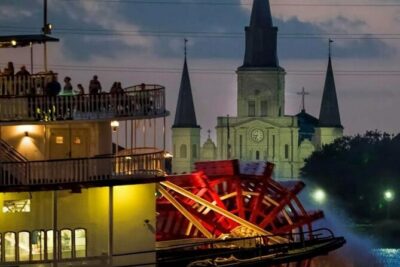
New Orleans Steamboat Natchez Jazz Cruise with Dinner Option
Read our review →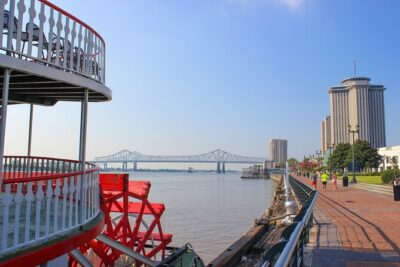
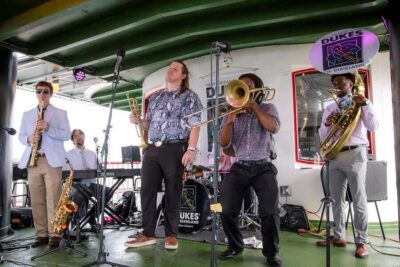
New Orleans: Evening Steamboat Jazz Cruise + Optional Dinner
Read our review →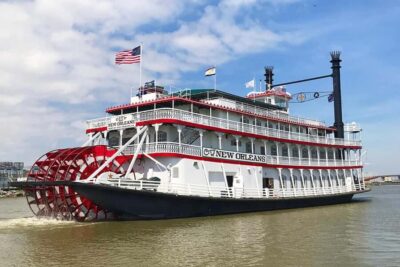
New Orleans: Daytime Steamboat Jazz Cruise + Optional Lunch
Read our review →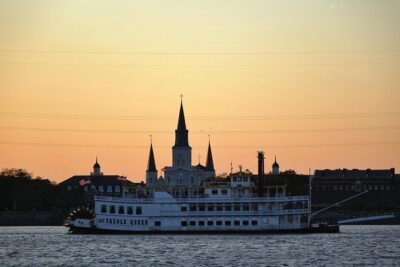
Paddlewheeler Creole Queen Jazz Dinner Cruise in New Orleans
Read our review →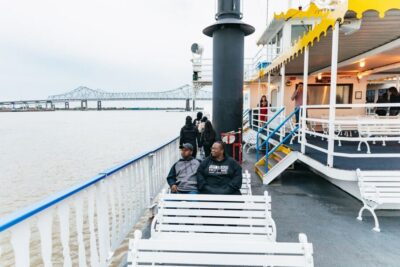
New Orleans: Evening Jazz Boat Cruise with Optional Dinner
Read our review →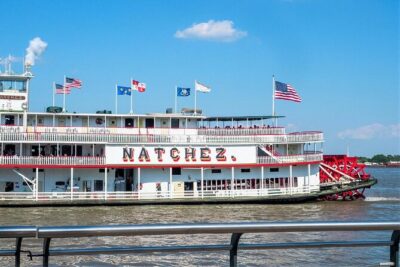
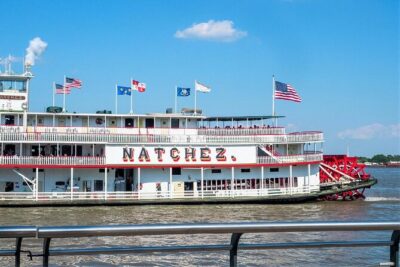
VIP Jazz Dinner Cruise with Private Tour and Open Bar Option
Read our review →Browse the lists this tour appears in