
Review · VIENNA
What do Mozart and Henry Ford have in common? – The freemason in Vienna
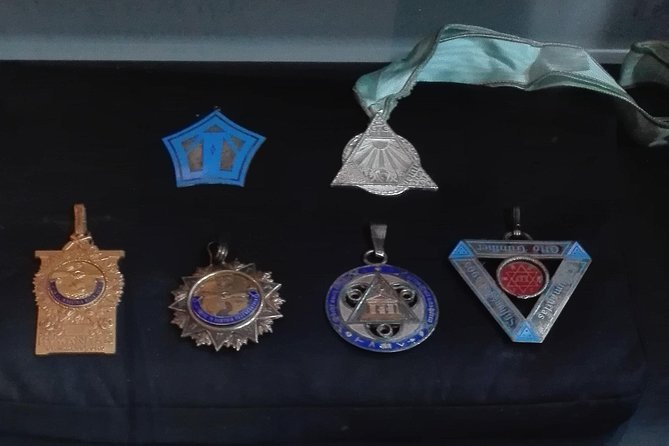
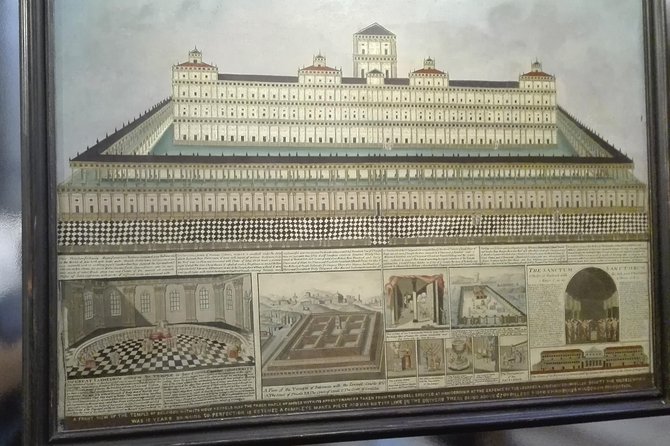
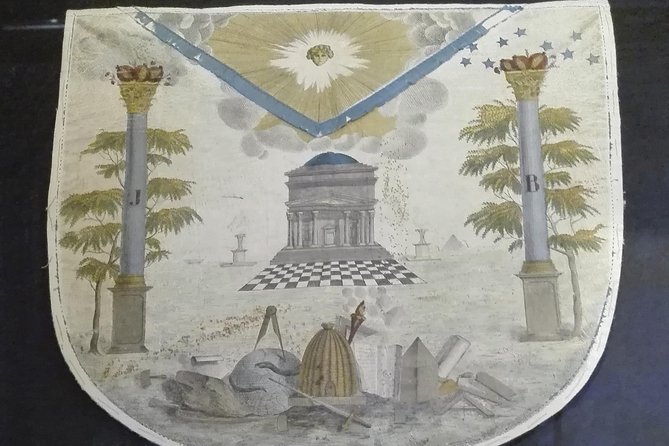
Vienna’s grand center has another story running beneath its familiar churches and palaces: the story of Freemasonry. This 1-hour-45-minute private walk links Mozart, Henry Ford, Goethe, George Washington, Puccini, and other famous names through Masonic connections, then points you toward symbols and addresses in the old city.
I like the compact route and the way it uses ordinary central-Vienna streets rather than taking you far from the sights you already came to see. I also like the focused subject: if you have wondered whether Freemasonry was a real social network or only a cloud of conspiracy theories, this gives you a structured way to examine the subject.
The main caution is that the tour appears to be delivered in English only if arranged that way, and the supplied information does not identify the guide’s speaking language or provide detailed commentary for each stop. At $49.78 per person, it is best for people who genuinely want this topic, not for anyone seeking a broad introduction to Vienna.
Key points to know before you book
- A focused Masonic theme: The walk examines Freemasonry in Vienna and its links to well-known figures.
- Four central stops: You visit St. Stephen’s Cathedral, Rauhensteingasse, St. Michael’s Church, and the outside of Albertina.
- Short and manageable: The experience lasts about 1 hour and 45 minutes, with listed stop times adding up to 50 minutes plus the walking and discussion between them.
- A private group format: Only your own group takes part, with a minimum of five and a maximum of 25 people.
- No standard admission included: The cathedral and churches are treated as exterior or free-entry points in the supplied details, while Albertina is described from outside and has no admission included.
- Flexible cancellation: You receive a full refund if you cancel at least 24 hours before the local start time.
Freemasonry gives this Vienna walk its unusual angle
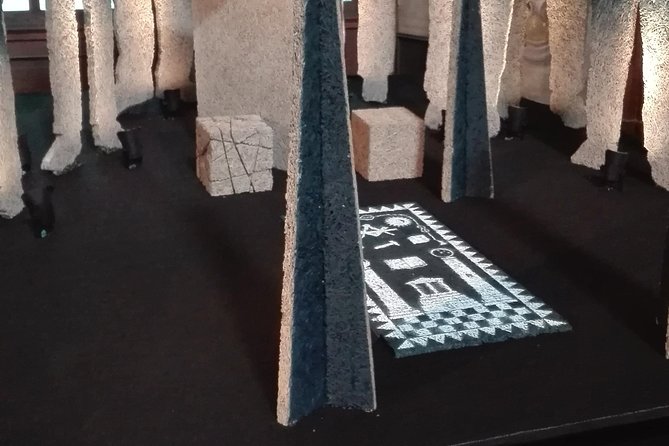
Most first walks through Vienna follow the imperial script: Habsburg palaces, composers, coffeehouses, and grand public buildings. This tour takes a different route through familiar streets and asks you to look for signs connected with a private brotherhood that still exists.
The subject reaches beyond Mozart. The tour connects Freemasonry with J.W. Goethe, George Washington, Henry Ford, Henri Dunant, Giacomo Puccini, G.E. Lessing, and Fritz Muliar. That is a broad list, spanning several countries and centuries. The value is not simply in hearing famous names. It is in seeing how the guide places those people within a larger network of ideas, social links, and symbols.
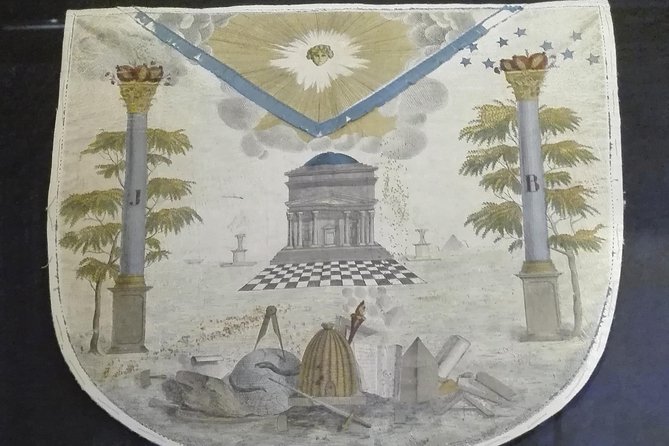
You should expect interpretation rather than a performance or staged mystery. The description promises attention to claims that Freemasonry is conspiratorial or mystical, as well as to the visible marks left by Masonic members and institutions in Vienna. That makes the experience most useful if you enjoy separating documented connections from popular myth.
The route remains in Vienna’s first district. You begin at Judenplatz 5 and finish at Josefsplatz, so the walk stays close to major central sights. You can fit it into a morning or afternoon of sightseeing without giving up half a day.
More Classical Concerts in Austria
- Vienna: Vivaldi’s Four Seasons Concert in Karlskirche
★ 4.7 · 14,951 reviews - Vienna: Classical Concert in the World-Famous Musikverein
★ 4.6 · 6,673 reviews - Vienna: Mozart Concert at the Musikverein – Golden Hall
★ 4.6 · 5,194 reviews
St. Stephen’s Cathedral and the Masonic emblem
The first listed stop is St. Stephen’s Cathedral, Vienna’s most recognizable Gothic church. Here, the focus is not a full cathedral tour. Instead, the guide examines an emblem through a Masonic lens.
That distinction matters. If you expect a guided visit covering the cathedral’s architecture, chapels, art, and wartime story, this is not the right product. You are coming for one particular reading of the site. The listed visit lasts 10 minutes, and admission is marked as free.
A short stop can work well at St. Stephen’s because the building is already a powerful visual anchor. You do not need a long lecture to understand why symbols and public monuments can attract layers of interpretation. The useful question is what the emblem means in its setting and how firmly its Masonic connection can be supported.
I would pay close attention to the guide’s wording here. Symbols often acquire several meanings over time, and a good explanation should separate established evidence from later speculation. The supplied information does not identify the exact emblem, so you should not book this expecting a particular symbol unless the provider confirms it beforehand.
Because St. Stephen’s is a major public landmark, this is also the easiest stop for combining the tour with your own sightseeing. You can return later for a fuller visit if you wish, but that admission or activity is not part of the stated tour.
Rauhensteingasse, the address at the center of the story
The second stop is Rauhensteingasse, with about 20 minutes devoted to an important address for the union. This is the longest named stop, which suggests that the street and its buildings carry much of the tour’s specific Vienna content.
A location like this can tell you more than a list of famous members. It gives the subject a physical setting. You can see where an organization, meeting place, or important connection fits into the city’s street plan. The supplied details do not specify the exact building or what you will enter, so expect an exterior explanation unless the guide tells you otherwise.
This is probably the stop where your questions will matter most. Ask what is documented about the address, which personalities are linked to it, and how the site relates to the Masonic union discussed during the walk. The experience is private, so you should have more room for questions than on a large public group walk.
The group limit deserves a practical note. A minimum of five people is required, while the maximum is 25. The activity is also described as private, meaning your group participates on its own rather than being mixed with unrelated customers. For a family or organized group, that setup can be helpful. For two people traveling alone, the five-person minimum is the first detail to clarify before paying.
St. Michael’s Church and another Masonic connection
St. Michael’s Church is the third stop, with 10 minutes listed for the visit. Like St. Stephen’s Cathedral, it is a major central religious building, but here the tour uses it for another link to Freemasonry.
The short timing tells you how to approach this part of the walk. You are not receiving a full art or architecture tour of St. Michael’s. The church functions as evidence within a larger argument about Masonic traces in Vienna. The guide may point out a feature, explain a connection, or place the church within the city’s network of relevant sites, but the supplied details do not say which.
I like the contrast between the two church stops. Seeing more than one religious building lets you compare how the tour treats symbols and institutional links across different settings. It also keeps the subject from being tied to a single famous monument.
Still, the limited time may feel thin if you want detailed church interiors. Treat this as a thematic walk with brief site visits, not as a religious-art tour. The admission information does not promise a separate interior visit, and you should not assume that entry is included simply because a church appears on the route.
More Classical Concerts in Vienna
- Vienna: Classical Concert in St. Anne’s Church (Annakirche)
★ 4.6 · 3,414 reviews - Vienna: Mozart and Strauss Concert at Schönbrunn
★ 4.5 · 2,967 reviews - Vienna: Classical Concert at Mozart’s First House
2,423 reviews - Vienna Classical Concert at St. Peter’s Church
★ 4.5 · 2,039 reviews
Albertina from the outside, with Josefsplatz ahead
The last listed stop is Albertina, described from the outside, for about 10 minutes. Albertina is a well-known palace and museum setting, but this activity does not include museum admission. The point is the exterior and its place in the Masonic story.
That makes the stop easy to combine with a later museum visit, though you will need to arrange and pay for that separately. If you already plan to see Albertina’s art collection, the walk can help you notice the building before returning for the interior. If you are not interested in the museum, you still receive the outside explanation without adding an admission cost.
The tour ends at Josefsplatz. This is useful for planning because you finish near another group of central Vienna sights rather than returning to Judenplatz. You can continue exploring on foot after the guide leaves, although the supplied details do not promise onward assistance or a planned final stop.
The four stops create a clear arc: a symbol at St. Stephen’s, a significant address at Rauhensteingasse, another church connection, and an exterior view at Albertina. The route is compact, but the subject gives each location a different purpose.
What $49.78 buys you
At $49.78 per person, the price needs to be judged against the format, not against the cost of a basic city walk. You are paying for a narrow subject, a private group arrangement, and roughly 105 minutes with a guide. If your group has five or more people, the price may feel reasonable because the experience is built around your party rather than a large mixed crowd.
For a solo visitor or a couple, the minimum of five is more important than the headline price. You may need to confirm how the minimum is handled before booking. The supplied terms say the activity can be canceled if the minimum number is not met, with a different date or experience, or a full refund offered.
The value also depends on your interest in Freemasonry. If the names Mozart and Henry Ford catch your attention but you mainly want Vienna’s standard highlights, you may get more for your money from a broader city tour. If you already know the central sights and want a specialized subject, this walk fills a different role.
No museum or major paid-site entry is included. That keeps extra costs limited, but it also means the guide’s interpretation is the main product. The quality of the experience will depend heavily on how clearly the guide explains the evidence and handles the line between history, symbolism, and legend.
Timing, meeting point, and group practicalities
The meeting point is Judenplatz 5 in Vienna’s first district. The end point is Josefsplatz. Both are in the central city, and the activity is near public transportation, so you do not need a special transfer plan.
The stated operating window is Monday through Friday, from 9:00 a.m. to 8:00 p.m., covering the period from August 2, 2020, through June 18, 2026. The exact start time should be confirmed when you book, since the published information gives opening hours rather than a fixed departure for every reservation.
Allow a little extra time to find Judenplatz. A mobile ticket is provided, so keep the booking confirmation available on your phone. Confirmation is sent within 48 hours of booking, subject to availability, which is another reason not to leave this until the last moment if your schedule is tight.
The walk is described as suitable for most people and near public transport. No special mobility limitations are stated, but this is a central walking route with several stops. If you need a particular pace or have access concerns, ask the provider directly before booking rather than assuming the route will suit you.
Sandra Blum, operating under Safu, exklusiv Wien entdecken, is the named experience provider. The supplied information does not provide a fuller guide biography, so you should judge the activity by its subject and route rather than by a promised specialist credential.
Who will get the most from this experience
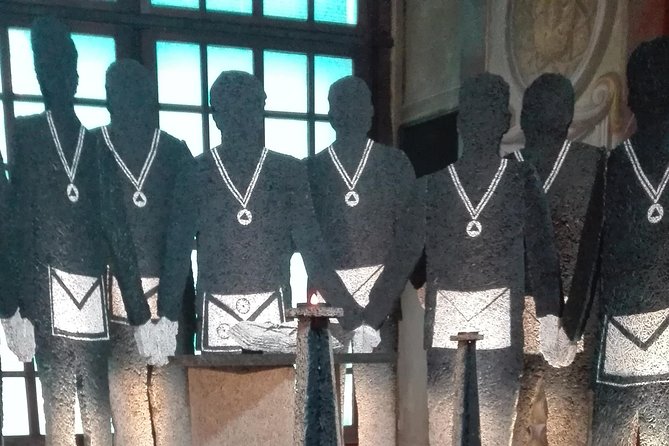
I would choose this tour if you already have a basic plan for Vienna and want one unusual thread to follow. It suits people who enjoy symbols, secret societies, historic personalities, and the question of how private organizations leave public traces.
It may also work well for a private family or friend group with at least five participants. The subject can give a mixed-age group something to discuss after the walk, though younger children may not find the institutional and symbolic material engaging.
You should think twice if you want extensive interior visits, a broad survey of Vienna, or a standard Mozart-themed tour. Mozart is part of the opening idea, but the walk is about Freemasonry and its marks in the city, not a full account of Mozart’s life.
I would also be cautious if you need a guaranteed language, a step-free route, or detailed access information. Those points are not supplied. Contact the provider before purchase and ask direct questions.
Cancellation and booking advice
You can cancel without penalty up to 24 hours before the local start time. Inside that 24-hour period, the payment is not refunded, and changes are not accepted.
The minimum group size is five. If the provider cancels because that number is not reached, you are offered another date or experience, or a full refund. Confirmation remains subject to availability, so do not treat a payment as proof that the departure is final until you receive confirmation.
Should you book this Vienna walk?
Book it if you want a short, private, central-city tour built around Freemasonry rather than another general sightseeing circuit. The route is tidy, the subject is unusual, and the four stops give the guide several ways to connect public Vienna with a less visible social history.
Skip it if the idea of a Masonic symbol or historic address does not hold your attention. With only brief visits at each site and no Albertina admission included, the value rests on the guide’s explanation. Before booking, confirm the language, exact meeting time, and how the five-person minimum applies to your group. If those details work, this can be a smart add-on for an inquisitive Vienna visit.
FAQ
Where does the tour begin?
It begins at Judenplatz 5, 1010 Vienna, Austria.
Where does the tour end?
The tour ends at Josefsplatz in Vienna’s first district.
How long does the experience last?
It lasts approximately 1 hour and 45 minutes.
How much does the tour cost?
The listed price is $49.78 per person.
Which places are included in the route?
The route includes St. Stephen’s Cathedral, Rauhensteingasse, St. Michael’s Church, and the exterior of Albertina.
Is Albertina admission included?
No. Albertina is described from the outside, and admission is not included.
How many people can join?
The activity requires a minimum of five participants and allows a maximum of 25. It is a private activity for your own group.
When does the tour operate?
The stated operating hours are Monday through Friday, from 9:00 a.m. to 8:00 p.m., during the published operating period ending June 18, 2026.
Can I cancel for a refund?
Yes. You can receive a full refund by canceling at least 24 hours before the experience begins. Cancellations or changes made within 24 hours are not refunded or accepted.
Just added around Vienna
- Vienna’s Musical Heart: Private Walking Tour with a Local★ 5.0 · 2 reviews
- Vienna: Concert by the Vienna Baroque Orchestra★ 4.6 · 56 reviews
- Vienna: Strauss Museum – Music&History in Historic 1837 Hall★ 4.7 · 31 reviews
- Vienna Supreme Orchestra at Palais Niederösterreich★ 4.8 · 10 reviews
- Vienna: Sunday Brunch Danube Cruise & Live Music★ 4.2 · 42 reviews
- Vienna Private Walking Tour including State Opera★ 3.2 · 7 reviews
- Vienna: Romantic Classics Piano, Violin, and Cello Concert★ 4.7 · 60 reviews
- Vienna: Mozart, Beethoven, & Strauss Private Tour★ 5.0 · 4 reviews
Vienna Concerts, compared.
Vienna: Vivaldi’s Four Seasons Concert in Karlskirche
Read our review →
Vienna: Mozart Concert at the Musikverein – Golden Hall
Read our review →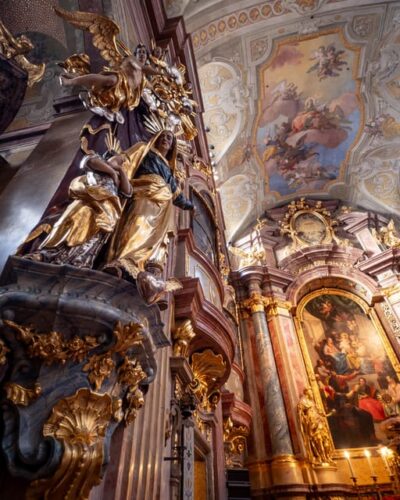
Vienna: Classical Concert in St. Anne’s Church (Annakirche)
Read our review →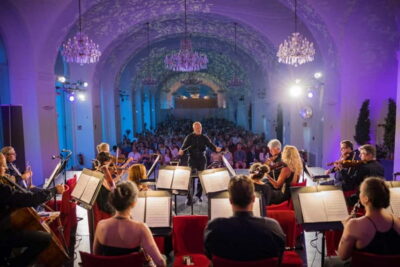
Vienna: Mozart and Strauss Concert at Schönbrunn
Read our review →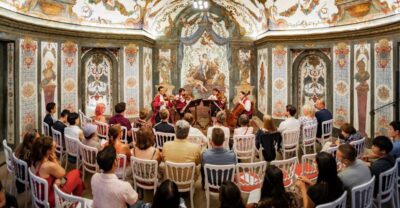
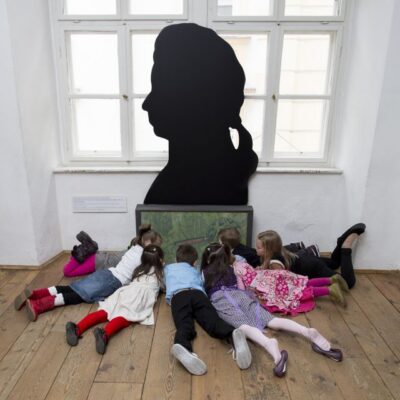
Vienna: Tickets for Mozarthaus Vienna with Audio Guide
Read our review →
Vienna Classical Concert at St. Peter’s Church
Read our review →Vienna: Classical Concert in St. Anne’s Church (Annakirche)
Read our review →Browse the lists this tour appears in