
Review · VIENNA
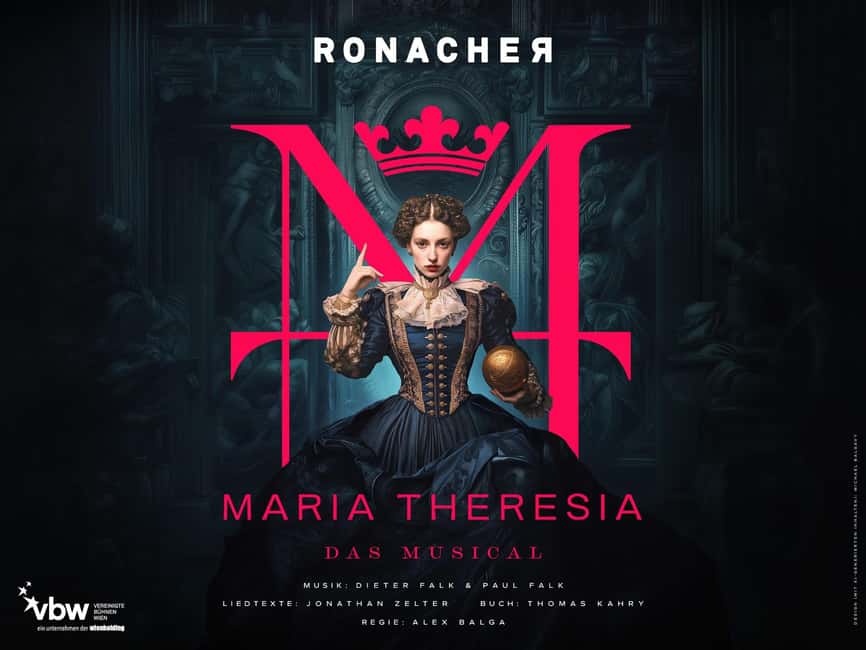
Vienna: MARIA THERESIA – THE MUSICAL at Ronacher Theatre
Maria Theresia’s rise from young Habsburg heir to powerful ruler makes strong theatre material, and this production gives it a big, modern treatment. You’ll follow her through court intrigue, war, and political pressure, with contemporary beats set against 18th-century Europe.
I like the mix of history and high-energy stagecraft, and the Ronacher’s handsome theatre setting adds real occasion to the evening. The main caution is language: it is performed in German, with English subtitles, so you’ll need to keep your eyes moving between the stage and the screen.
Key points
- A 150-minute historical musical: The performance includes one intermission and follows Maria Theresia’s political and personal journey.
- German with English subtitles: You can follow the story, but the show is best for viewers comfortable reading subtitles during songs and dialogue.
- Music by a contemporary creative team: Musical director Christian Struppeck leads a new VBW production built around modern beats and forceful lyrics.
- A serious story with theatrical scale: Expect power struggles, war, family duty, court politics, and a large final celebration of Maria Theresia’s legacy.
- Ronacher Theatre atmosphere: The theatre itself is part of the evening, though collecting coats afterward may take patience.
- A premium night out: At about $140 per person, the ticket makes most sense if you value live theatre, historic subject matter, and a formal Vienna evening.
Why Maria Theresia makes a strong musical subject
Maria Theresia was not a quiet figure waiting for history to happen around her. She inherited a difficult political position in a male-dominated imperial world, then fought to keep control while facing military threats, court schemes, and pressure from rival powers.
That gives the production a useful dramatic engine. You are not simply watching a biography unfold in neat chronological order. The story centers on a young woman who must prove that she can rule, defend her state, and make decisions that affect much of Europe.
The show also presents the contrast between public duty and private life. Maria Theresia was the mother of sixteen children, yet she was also a monarch dealing with administration, education, social policy, and the military. That tension should appeal to you if you like historical theatre that treats political decisions as personal choices as well.
The production specifically places her in conflict with Frederick the Great of Prussia and the wider power struggles of her age. You can expect the story to move between intimate questions of family and loyalty and much larger questions of war and statecraft.
More Musicals in Austria
- Vienna: Musical Tickets THE PHANTOM OF THE OPERA
★ 4.9 · 132 reviews - Sound of Movies: Musical Tour to Salzburg from Vienna
★ 4.0 · 81 reviews - Vienna: Musical Tickets ROCK ME AMADEUS – THE FALCO MUSICAL
★ 4.8 · 15 reviews
Entering the Ronacher for a major Vienna production
Ronacher Theatre is a fitting home for a production built around power and ceremony. The evening is intended to feel like a full theatre occasion rather than a quick tourist stop. You arrive, find your seat, watch the show, take an intermission, and leave after roughly two and a half hours.
The theatre opens 45 minutes before the performance. The auditorium opens 30 minutes before curtain time. I would arrive early, especially if you want time to collect or check a coat, locate your seat, and read the English subtitle setup before the music starts.
Your exact seat number is provided on the ticket you receive on site. Since the seating location is important at a subtitle-heavy performance, do not leave the process until the last minute. A seat with a clear view of the stage and subtitle display will make the evening easier.
The small-group limit is six people, but this is a theatre performance rather than a private guided tour. The limit matters most if you are booking with family or friends and want the activity arranged for a small party.
The first act: a young ruler under pressure
The opening part of the musical introduces Maria Theresia as a woman who has taken an active interest in politics from an early age. The central question is immediate: can she force her way into authority in a political system designed to keep women away from the top?
That setup gives the first act a clear emotional path. You see a young ruler facing old institutions, hostile expectations, and men who assume power belongs to them. The show presents her as determined, politically alert, and unwilling to remain in the background.
The music is not presented as a restrained period recreation. The creative team combines monumental drama with modern sound, strong rhythms, and forceful lyrics. That choice will please you if you want a historical story with current theatrical energy. It may be less appealing if you are hoping for an old-fashioned operetta or a strictly period-style score.
The production’s modern sound also helps prevent the history from feeling like a classroom lecture. Political conflicts become stage drama, and Maria Theresia’s decisions receive the scale and urgency of a contemporary musical.
Court politics, war, and the Frederick the Great conflict
As the story develops, court politics become harder to separate from military danger. Maria Theresia must deal with internal intrigue while Europe is shaken by war. Her conflict with Frederick the Great of Prussia gives the story a clear external opponent and raises the stakes beyond palace arguments.
This part should be especially interesting if you enjoy historical figures who have to make choices under pressure rather than simply recounting their achievements after the fact. The production emphasizes courage, strategy, and endurance, showing Maria Theresia as someone who remains active during crisis.
The theatrical style is intentionally large. The musical aims for monumental drama, powerful lyrics, and a sense of surprise. You should expect an energetic presentation rather than a quiet, documentary account of Habsburg politics.
Still, the scale comes with a trade-off. A 150-minute musical cannot explain every political shift, alliance, or reform in detail. The show has to simplify the period so the emotional story can keep moving. If you already know a great deal about 18th-century European politics, you may want to treat the production as a dramatic portrait rather than a complete history lesson.
More Musicals in Vienna
- Vienna’s Musical Heart: Private Walking Tour with a Local
★ 5.0 · 2 reviews
Family duty beside imperial power
Maria Theresia’s family life is not a side note in the story. As the mother of sixteen children, she had responsibilities at home while also running a state during war and political upheaval.
That contrast gives the show more human weight. A ruler can appear remote when presented only through military victories and official reforms. The family material offers another way to see her, as a parent balancing personal obligations with the demands of government.
The production connects this personal role to her wider vision. Along with dealing with military threats, Maria Theresia helped modernize administration and the military and pushed changes in education and social policy. Those reforms show why her legacy reaches beyond the battles and court intrigues that make the most obvious stage drama.
I like this broader focus. It keeps the musical from reducing Maria Theresia to a warrior queen or palace survivor. You get a portrait of someone trying to reshape the state while dealing with the limits of her time.
Contemporary music for an 18th-century story
The central artistic gamble is the score. The musical places an 18th-century ruler inside a contemporary production with modern beats and powerful lyrics. It is not trying to recreate the sound of a historical court.
That approach can make the story more direct for a modern audience. A familiar musical language gives the characters urgency, while the period setting supplies the costumes, political stakes, and ceremonial scale.
Musical director Christian Struppeck heads the creative team behind this new VBW production. The stated aim is a young, dynamic portrayal of Maria Theresia, and the sound is part of that plan.
You should think about your own theatre taste before booking. If you like new musicals, dramatic pop-influenced scoring, and history presented with a strong visual punch, this is a logical choice. If you prefer subtle chamber drama, strictly traditional historical staging, or spoken theatre with long political discussions, the style may feel too forceful.
The language also affects how you experience the score. The production is in German, with English subtitles. You can follow the narrative, but you will not catch every lyric simply by listening unless you understand German. During fast songs, reading subtitles can pull your attention away from the stage, so sit where you can see both comfortably.
The intermission and the practical rhythm of the evening
The show lasts about two hours and 30 minutes, with one intermission. That break gives you time to stretch, use the facilities, and discuss the first half before the story moves into its later political and personal consequences.
The intermission also helps the overall pacing. A production dealing with a monarch, multiple wars, family responsibilities, court intrigue, and social reform needs room to breathe. You get a natural pause between the rise of the central conflict and the later consequences of Maria Theresia’s choices.
Food and drinks are not included. Plan to handle those separately, either before the performance or during the break if theatre service is available. Do not treat the ticket as a dinner package. It covers admission only.
Transportation is also not included. You are responsible for reaching Ronacher Theatre and returning afterward. That is easy to overlook when comparing the $140 price with a sightseeing activity that includes transport.
The second half and the final celebration
The second half brings the story toward Maria Theresia’s lasting impact. The focus shifts from whether she can survive her early political challenges to what kind of ruler she becomes and what she changes.
Her reforms in administration, education, military organization, and social policy give the closing section more substance than a simple victory parade. The production wants you to see her as a pioneer with a long-term vision, not only as a monarch who won a few urgent battles.
The finale is designed as a large celebration of her legacy. Expect the evening to end on a strong, spectacular note rather than a muted historical epilogue. If you enjoy musicals that build toward a full-company finish, this is likely to be one of the evening’s rewards.
The same scale may not suit every mood. The production’s goal is to create a monument to Maria Theresia, so the ending is celebratory and emphatic. It is less likely to leave you with a quiet, ambiguous portrait of power.
Is $140 a fair price?
At approximately $140 per person, this is an expensive theatre ticket by ordinary sightseeing standards. You are paying for the performance itself, not a meal, transport, a museum visit, or a personal guide.
The value improves if you already plan to spend an evening at the theatre and want a major new production rather than a short cultural activity. The 150-minute running time, professional cast, original music, and formal theatre setting give you a substantial night out.
The price is harder to justify if you are mainly looking for a low-cost introduction to Maria Theresia. You could learn about her life in other ways for less money. This ticket makes sense when the live performance is the point.
I would also compare the price with your seating expectations. The exact seat number is supplied on the ticket, but the available ticket information here does not identify a specific seating section. If location matters greatly to you, check what seat category you are receiving before committing to the cost.
The theatre atmosphere and the coatroom warning
The theatre atmosphere is one of the most praised parts of the evening. That matters because the setting helps the production feel like an event, especially if you are marking a birthday, anniversary, or special night in Vienna.
One practical weakness comes after the curtain. Collecting coats can become cramped, and reaching the exit may be difficult while many people are waiting at the wardrobe. The coat distribution itself can be quick, but the crowd around it can slow your way out.
The simple fix is to avoid rushing into the coatroom at the first possible moment. If you can wait a little, the main cluster may thin. Also keep your ticket and any wardrobe information easy to reach so you are not searching through a bag in a tight space.
Photography and video are not allowed during the performance. That is standard theatre etiquette, but it is worth knowing in advance if you tend to document every part of an evening out.
Who will enjoy this musical most?
I would recommend this for adults and older children who like history presented through music and drama. Children under 10 are not considered suitable, and all children must be accompanied by an adult.
You are a good match if you enjoy:
- Historical figures caught in political crises
- Large-scale musical theatre
- Modern music used in a period story
- Stories about women challenging systems built to exclude them
- Vienna evenings that revolve around a formal cultural event
- Performances with English subtitles rather than English dialogue
You may want to choose another activity if you dislike subtitles, need a quiet and highly detailed account of European politics, or prefer not to spend $140 on admission alone.
Wheelchair-accessible seating is available upon request. Make that request before the performance rather than assuming it can be arranged at the theatre on the night.
Should you book MARIA THERESIA?
Book it if you want a substantial Vienna theatre night and like your history with strong music, court conflict, family drama, and a big finale. The combination of Maria Theresia’s unusual political career and the modern VBW style gives the evening a clear identity.
I would be more cautious if your main goal is historical precision, English-language performance, or a low-cost activity. German lyrics with English subtitles require attention, and the $140 price does not include transport or refreshments.
For the right audience, this is a memorable way to meet one of Austria’s most important rulers through live performance rather than a display case or lecture. Arrive early, check your seat details, allow extra time at the coatroom afterward, and settle in for a full 150-minute production.
FAQ
How long is MARIA THERESIA, the musical?
The performance lasts approximately 2 hours and 30 minutes, including one intermission.
Is the musical performed in English?
No. It is a German-language production with English subtitles.
Who is the musical director?
Christian Struppeck is the musical director of the new VBW production.
What does the ticket include?
The ticket includes admission to MARIA THERESIA, the musical.
Are food, drinks, and transportation included?
No. Food, drinks, and transportation to and from Ronacher Theatre are not included.
When does the theatre open?
The theatre opens 45 minutes before the performance, and the auditorium opens 30 minutes before the start.
Is the performance suitable for children?
Children under 10 are not considered suitable. Children who attend must be accompanied by an adult.
Just added around Vienna
- Vienna: Concert by the Vienna Baroque Orchestra★ 4.6 · 56 reviews
- Vienna’s Musical Heart: Private Walking Tour with a Local★ 5.0 · 2 reviews
- Vienna: Strauss Museum – Music&History in Historic 1837 Hall★ 4.7 · 31 reviews
- Vienna Supreme Orchestra at Palais Niederösterreich★ 4.8 · 10 reviews
- Vienna: Sunday Brunch Danube Cruise & Live Music★ 4.2 · 42 reviews
- Vienna Private Walking Tour including State Opera★ 3.2 · 7 reviews
- Vienna: Romantic Classics Piano, Violin, and Cello Concert★ 4.7 · 60 reviews
- Vienna: Mozart, Beethoven, & Strauss Private Tour★ 5.0 · 4 reviews
Vienna Concerts, compared.
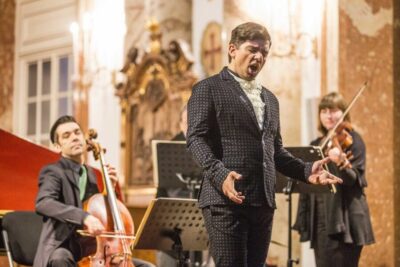
Vienna: Vivaldi’s Four Seasons Concert in Karlskirche
Read our review →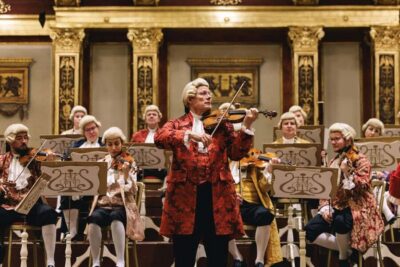
Vienna: Mozart Concert at the Musikverein – Golden Hall
Read our review →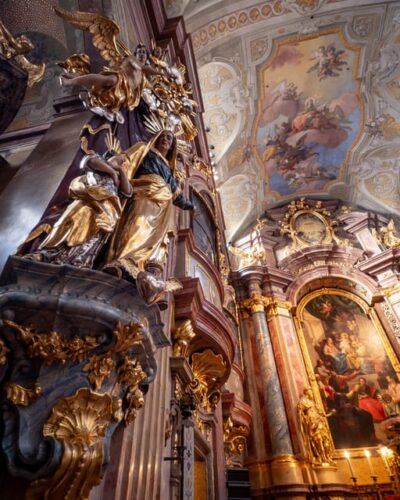
Vienna: Classical Concert in St. Anne’s Church (Annakirche)
Read our review →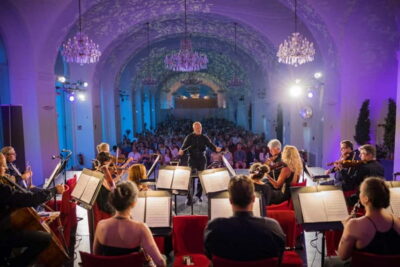
Vienna: Mozart and Strauss Concert at Schönbrunn
Read our review →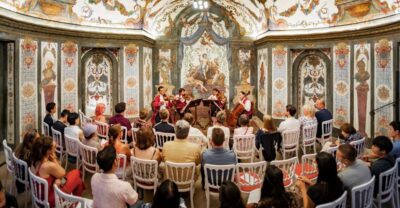
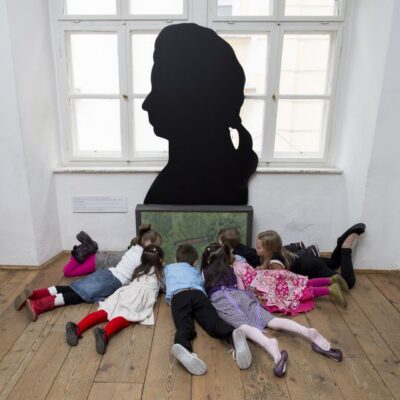
Vienna: Tickets for Mozarthaus Vienna with Audio Guide
Read our review →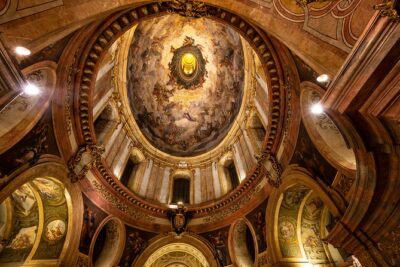
Vienna Classical Concert at St. Peter’s Church
Read our review →Vienna: Classical Concert in St. Anne’s Church (Annakirche)
Read our review →Browse the lists this tour appears in