
Review · VIENNA
Vienna: Freud, Mozart & Beethoven Exploration Game
Vienna’s grand center becomes a city puzzle in this self-guided game, with clues leading you from St. Stephen’s Cathedral toward the Sigmund Freud Museum. Along the way, the story connects Vienna’s famous cultural figures, including Mozart, Beethoven, Freud, and Empress Elisabeth, known as Sisi.
I like the freedom to start any time and stop for a coffee, meal, or museum visit. I also like that you can download the game and play offline, which is useful when your phone signal is weak or you want to avoid roaming charges. The main drawback is that reading clues in crowded streets or bright sunshine can be awkward, and the experience has no physical guide to help if the app misbehaves.
Key points
- Start at St. Stephen’s Cathedral: The trail begins at Stephansplatz in the heart of Vienna.
- Finish at the Sigmund Freud Museum: The route crosses central Vienna and ends at Berggasse 19.
- Solve clues as you walk: Each puzzle points you toward the next location and supplies background on what you find.
- Visit the Sisi Museum area: This stop takes about 10 minutes, but admission is not included.
- Play on your own schedule: Start between 5:00 AM and 9:30 PM, pause whenever you wish, and resume later.
- Download before setting out: The game works offline, but you need Wi-Fi or mobile data to get it onto your phone first.
A Vienna walk with a puzzle at its center
This is not a standard walking tour with a guide holding a flag. It is a phone-based exploration game from Questo, designed to turn sightseeing into a series of small discoveries.
You begin at St. Stephen’s Cathedral, Vienna’s central landmark, and follow a clue. At each location, the game asks you to solve a puzzle before giving you the next direction. You also receive information about the place you have reached, so the walk combines sightseeing, a light story, and small challenges.
The advertised playing time is about one to two hours. That is a useful estimate for the game itself, though you may take longer if you stop for photographs, enter a museum, or pause for lunch. The route ends at the Sigmund Freud Museum on Berggasse in the 9th district.
The themes are appealingly Viennese. Mozart and Beethoven bring the city’s musical past into the story. Freud adds a psychological angle. Sisi connects the route to imperial Vienna. You are not simply moving between famous buildings. You are using those names as clues to understand different sides of the city.
More Classical Concerts in Austria
- Vienna: Vivaldi’s Four Seasons Concert in Karlskirche
★ 4.7 · 14,951 reviews - Vienna: Classical Concert in the World-Famous Musikverein
★ 4.6 · 6,673 reviews - Vienna: Mozart Concert at the Musikverein – Golden Hall
★ 4.6 · 5,194 reviews
Starting at St. Stephen’s Cathedral
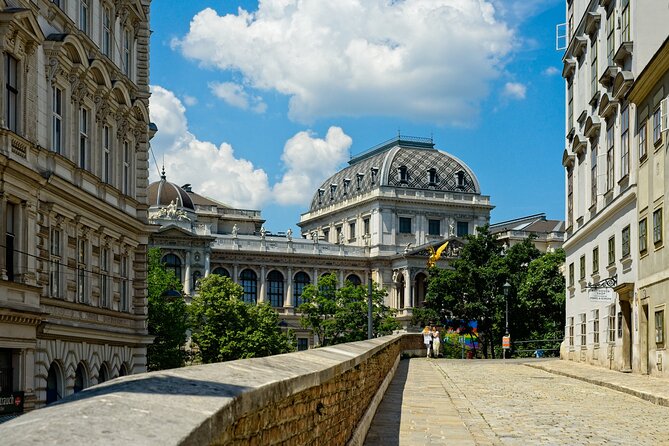
The meeting point is St. Stephen’s Cathedral, at Stephansplatz 3. This is a practical place to begin because it is easy to reach by public transportation and sits in the middle of Vienna’s main sightseeing area.
Before you start, take a moment to get your bearings. Stephansplatz can be busy, and you will have a better time if you download the game before arriving, open it, and confirm that it loads properly. One early access problem can sour the whole outing, so do not wait until you are standing in front of the cathedral with a low battery and no connection.
The cathedral gives the game a strong opening setting. You are beginning amid one of Vienna’s most recognizable sights, but the point of the activity is to move beyond the obvious postcard view. From here, the clues guide you through the center rather than giving you a fixed lecture about the building.
The game format changes how you look at the streets. Instead of walking past a doorway or monument without stopping, you are asked to notice details and connect them to the next clue. That extra purpose can be especially useful on a first visit, when central Vienna can feel like a long parade of grand façades.
How the clue system works
The pattern is simple. You follow a clue, solve a puzzle, reach a location, read the information provided, and receive instructions for continuing.
That structure keeps the sightseeing active without making it physically demanding. You are not required to keep up with a group, and nobody is waiting for you to finish a puzzle. If you need ten minutes to look at a building, check a map, or sit down, you can do so.
The puzzles are generally described as easy, which makes this better suited to casual play than to serious escape-room fans. Families can work together, with children looking for visual details while adults handle the phone and read the story. Older children and teenagers may enjoy having a clear job rather than simply following parents from one sight to another.
There is also room for different playing styles. You can treat the game as the main activity and solve every clue carefully. Or you can use it as a loose walking route, reading the explanations and moving on when a puzzle feels too slow.
The Sisi Museum stop and imperial Vienna
One named stop is the Sisi Museum, with about ten minutes allocated to it. The stop is part of the outdoor route, and admission to the museum is not included in the price of the game.
That distinction matters. You can reach the location, learn what the game provides, and continue without buying a museum ticket. If you want to enter, plan that as an extra visit and allow more time than the suggested ten minutes.
Sisi, or Empress Elisabeth, is one of Vienna’s most familiar historical figures. Her image appears across the city, often in a polished imperial setting. A puzzle route can offer a more playful way to encounter that story, though you should not expect a full museum tour or detailed historical lecture from a phone game.
The Sisi stop also gives you a chance to adjust the pace. If the surrounding area is crowded, pause the game and return later. The route is designed to be flexible, so there is no need to force the next clue while surrounded by tour groups or impatient pedestrians.
One family note is worth taking seriously. The main story includes a dark episode involving a mentally ill woman and disturbing sexual behavior. The content caught one family by surprise, especially with a 12-year-old present. The overall game may work well for families, but I would preview the story or keep the younger members of your group in mind before booking.
More Classical Concerts in Vienna
- Vienna: Classical Concert in St. Anne’s Church (Annakirche)
★ 4.6 · 3,414 reviews - Vienna: Mozart and Strauss Concert at Schönbrunn
★ 4.5 · 2,967 reviews - Vienna: Classical Concert at Mozart’s First House
2,423 reviews - Vienna Classical Concert at St. Peter’s Church
★ 4.5 · 2,039 reviews
Mozart, Beethoven, and the musical side of the route

The title places Mozart and Beethoven near the center of the experience. That makes sense in Vienna, where music is part of the city’s public identity, not just a subject for concert halls.
The game does not present itself as a concert or a specialist music tour. You should expect short explanations connected to the places you discover, not a full account of either composer’s life. The value is in the links between names, streets, buildings, and the city’s cultural past.
This format works well if you want a little context while walking. It is less suitable if your main goal is to visit composer residences, attend a performance, or study musical history in depth. In that case, use the game as a supplement rather than your only music-focused activity in Vienna.
I like this balance because it keeps the walk moving. You are not standing still for long blocks of text. The clues give you a reason to look up from the phone, while the historical notes help the locations feel connected rather than random.
Reaching the Sigmund Freud Museum
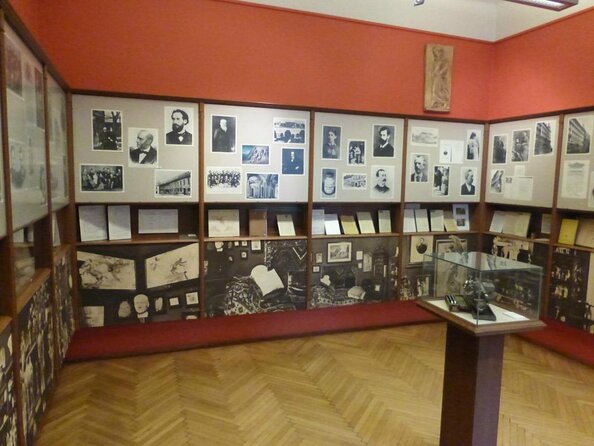
The final destination is the Sigmund Freud Museum at Berggasse 19. This places the end of the game in Vienna’s 9th district, away from the immediate cathedral zone.
Freud gives the route a different tone from the imperial and musical themes. His name points to Vienna’s role in modern psychology and intellectual life. Ending at the museum also gives you a clear option for continuing your day.
Admission to the Freud Museum is not listed as included, so treat the game and museum visit as separate purchases. The activity ends at the address, but it does not promise an included guided visit inside.
The finish can be useful for planning. You might arrange a meal or another activity nearby after completing the route. You can also stop the game earlier, take public transportation, and return to the final section later, since the game allows breaks and resumes.
What the $7.21 price buys you
At $7.21 per person, this is an inexpensive way to add structure to a city walk. The price is easiest to justify if you are traveling as a couple, with friends, or with children who need a reason to keep moving. A private guided walk would cost far more, though it would also provide a real person for questions and local advice.
The low price comes with clear limits. You are paying for digital access to the game, not for museum tickets, transportation, a meal, or a guide. You also handle the download, navigation, and troubleshooting yourself.
For a family, the total cost rises with each participant, but group discounts are available. Check the final booking price for your party rather than assuming the advertised per-person amount will apply unchanged.
I see this as good value when you want a short, flexible activity between major sightseeing stops. It is less compelling if you already have a full itinerary of museums and guided tours, or if you want deep historical explanation at every location.
The practical side of playing offline
Offline play is one of the strongest features. Once the game is downloaded, you do not need an internet connection to continue. That helps with roaming costs and makes the activity less dependent on city-center signal strength.
The catch is that you do need Wi-Fi or mobile data for the initial download. Do this before leaving your accommodation or while connected to a dependable network. It is also sensible to charge your phone fully, since the screen and navigation can use power over the course of the walk.
Bright sunshine can make phone clues harder to read. A shaded spot, increased screen brightness, or a short pause near a building can help. In crowded parts of central Vienna, step to the side before reading the next instruction. This is safer and less frustrating than stopping in the middle of a pedestrian flow.
The game is private, so only your group participates. That gives you control over the pace and avoids the social pressure of a scheduled group. It also means there is no guide to explain a difficult clue or solve a technical problem.
Who will enjoy this most
I would choose this for:
- Families with older children and teenagers who enjoy simple puzzles
- Couples who want a playful walk rather than a formal tour
- First-time visitors who want to connect central sights with less familiar streets
- Independent travelers who dislike fixed departure times
- Visitors looking for a low-cost activity between museum visits
I would be more cautious if you dislike using your phone while sightseeing. The game asks you to read clues, search for answers, and keep track of instructions. It may also disappoint you if you want a detailed lecture from a local expert.
The route is not ideal for everyone on a very sunny, crowded day. One part of the experience can feel slow when you are trying to read a screen in direct light while people stream around you. Start early or later in the day if you want a calmer outing, though the stated operating hours run from 5:00 AM to 9:30 PM every day.
Booking, cancellations, and access
Confirmation is provided at booking. The activity is offered in English and is available every day during the stated operating period.
Service animals are allowed, and the route is near public transportation. Most people can participate, but the experience involves walking through city streets and using a phone for the puzzles. No physical guide is provided.
Cancellation is free up to 24 hours before the scheduled start time. Within 24 hours, you should expect no refund, and changes are not accepted. Even though you can begin at any hour during the operating window, pay attention to the start time selected at booking.
FAQ
Where does the Vienna exploration game start?
It starts at St. Stephen’s Cathedral, Stephansplatz 3, 1010 Vienna.
Where does the game end?
The game ends at the Sigmund Freud Museum, Berggasse 19, 1090 Vienna.
How long does the experience take?
The estimated playing time is about one to two hours.
Does the game work without internet?
Yes. After you download it, the game can be played offline. You need Wi-Fi or mobile data for the initial download.
Is a physical tour guide included?
No. This is a self-guided phone game, and no physical guide is included.
Is admission to the Sisi Museum included?
No. The Sisi Museum stop takes about ten minutes, but admission is not included.
Can I cancel for a full refund?
Yes, if you cancel at least 24 hours before the experience start time. Cancellations within 24 hours are not refunded.
Should you book this Vienna game?
Book it if you like independent sightseeing with a small challenge built in. The combination of music, psychology, imperial Vienna, offline access, and flexible timing gives you more shape than an ordinary walk, while the low price keeps the risk modest.
I would download the game before setting out, bring a charged phone, and avoid starting in the brightest part of the day. Families should also consider the darker story content before booking, especially with younger children.
Skip it if you want a live guide, detailed scholarship, or guaranteed quiet streets. But if you want to see Vienna at your own pace and encourage your group to notice more than the major sights, this is a useful, affordable way to turn a central-city walk into a game.
More Self-Guided Tours in Vienna
- Vienna: Tickets for Mozarthaus Vienna with Audio Guide
★ 4.2 · 2,344 reviews - Venice: La Fenice Opera House Entry Ticket with Audio Guide
★ 4.6 · 11,742 reviews - Florence: Opera del Duomo & Baptistery E-Ticket & Audio Tour
★ 3.5 · 52 reviews - Opera del Duomo E-ticket with Baptistery & Audio Guides
★ 4.5 · 23 reviews
Just added around Vienna
- Vienna’s Musical Heart: Private Walking Tour with a Local★ 5.0 · 2 reviews
- Vienna: Concert by the Vienna Baroque Orchestra★ 4.6 · 56 reviews
- Vienna: Strauss Museum – Music&History in Historic 1837 Hall★ 4.7 · 31 reviews
- Vienna Supreme Orchestra at Palais Niederösterreich★ 4.8 · 10 reviews
- Vienna: Sunday Brunch Danube Cruise & Live Music★ 4.2 · 42 reviews
- Vienna Private Walking Tour including State Opera★ 3.2 · 7 reviews
- Vienna: Romantic Classics Piano, Violin, and Cello Concert★ 4.7 · 60 reviews
- Vienna: Mozart, Beethoven, & Strauss Private Tour★ 5.0 · 4 reviews
Vienna Concerts, compared.
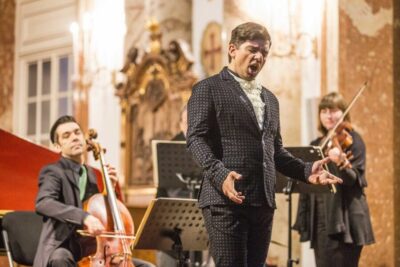
Vienna: Vivaldi’s Four Seasons Concert in Karlskirche
Read our review →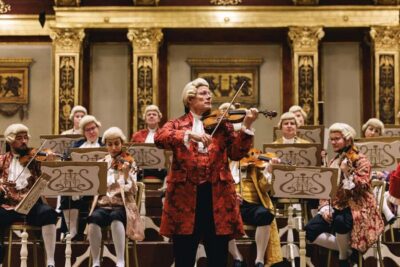
Vienna: Mozart Concert at the Musikverein – Golden Hall
Read our review →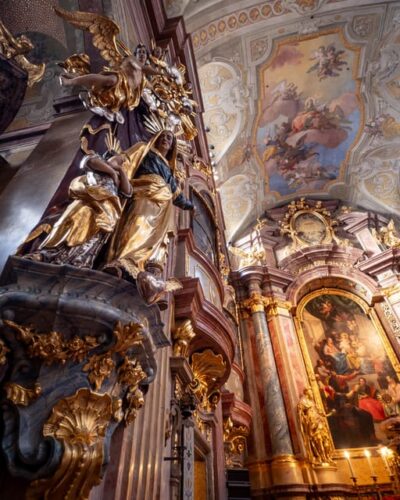
Vienna: Classical Concert in St. Anne’s Church (Annakirche)
Read our review →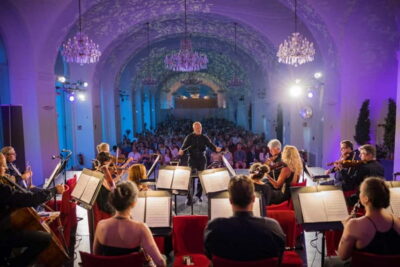
Vienna: Mozart and Strauss Concert at Schönbrunn
Read our review →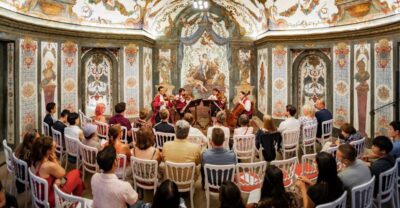
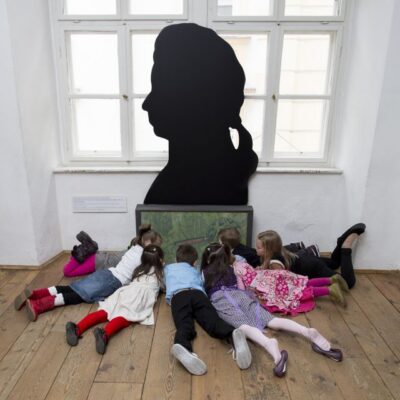
Vienna: Tickets for Mozarthaus Vienna with Audio Guide
Read our review →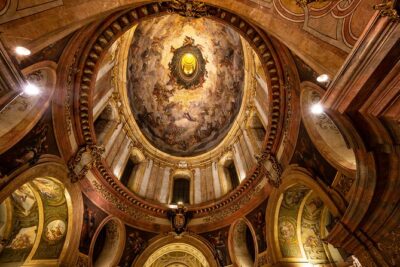
Vienna Classical Concert at St. Peter’s Church
Read our review →Vienna: Classical Concert in St. Anne’s Church (Annakirche)
Read our review →Browse the lists this tour appears in