
Review · VIENNA
Vienna: Classical Masters Concert at Haus der Musik
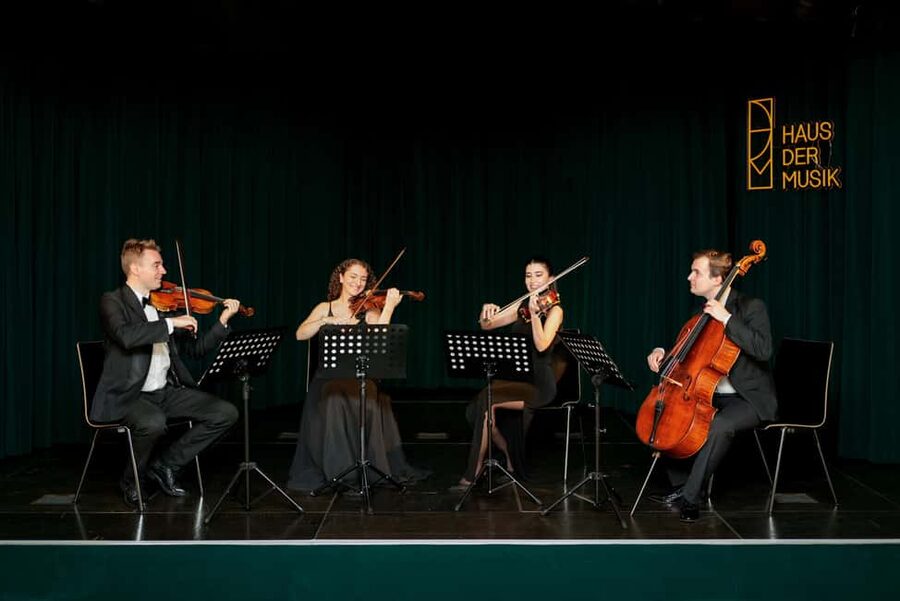
The best thing about this concert is its close-up scale. A professional string quartet plays Mozart, Haydn, Beethoven, Schubert, and Strauss in a one-hour program at Haus der Musik, so you hear the music clearly without committing to a long formal concert. I especially like the familiar selection and the short introductions before many pieces, which help first-time listeners follow along.
I also like the $27 price and the central location near Vienna’s State Opera. The main drawback is the room itself: one recent account found the upper-floor performance space rather plain for a music museum. Children under six may attend free, but they must sit on a parent’s lap, and even older young children may find quiet concert etiquette a challenge.
Key points for your Vienna evening
- Mozart and Strauss favorites: Expect well-known works such as Eine kleine Nachtmusik, The Blue Danube, and Radetzky March.
- One-hour format: The program fits neatly into an evening of sightseeing, dinner, or another performance.
- Close quartet setting: You sit near the musicians and can watch the bows, fingerwork, and interaction between players.
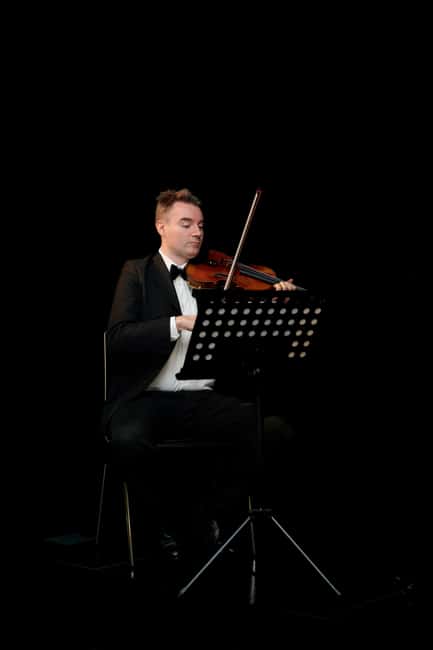
- Helpful introductions: The quartet leader provides context about the pieces, with hosts welcoming you in English and German.
- Easy central venue: Enter through the main Haus der Musik entrance, with lockers available for coats and bags.
- Arrive early: Late entry is not permitted once the concert begins, and photography inside is not allowed.
A short concert with a real Viennese flavor
Vienna offers grand concert halls, opera performances, church music, and small chamber programs. This concert sits at the easygoing end of that range. You get a polished hour of classical music without needing to understand a full symphony program or dress for a major gala.
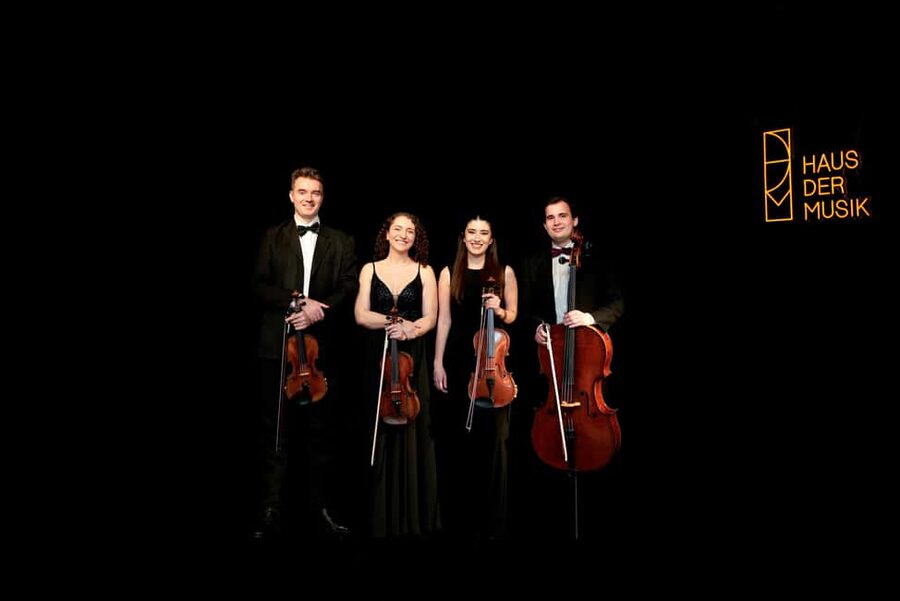
The Wiener Klassik Ensemble performs as a professional string quartet, using two violins, viola, and cello. That format gives the music a clear, conversational sound. Instead of hearing a large orchestra from a distant stage, you can watch four musicians coordinate their entrances, phrasing, and changes in mood.
The program is designed around composers strongly linked with Vienna and the wider Austrian classical tradition. Mozart brings balance and wit. Haydn supplies musical surprises and elegant structure. Beethoven adds force and drama. Schubert brings lyricism, while Strauss gives the evening its most instantly recognizable Viennese finish.
That selection makes this a sensible choice if you are new to classical music. You will likely recognize several melodies, but the program still gives you a taste of different styles. It is less demanding than a full evening of unfamiliar chamber music, while still offering more substance than background music in a restaurant.
More Classical Concerts in Austria
- Vienna: Vivaldi’s Four Seasons Concert in Karlskirche
★ 4.7 · 14,951 reviews - Vienna: Classical Concert in the World-Famous Musikverein
★ 4.6 · 6,673 reviews - Vienna: Mozart Concert at the Musikverein – Golden Hall
★ 4.6 · 5,194 reviews
Inside Haus der Musik near the State Opera
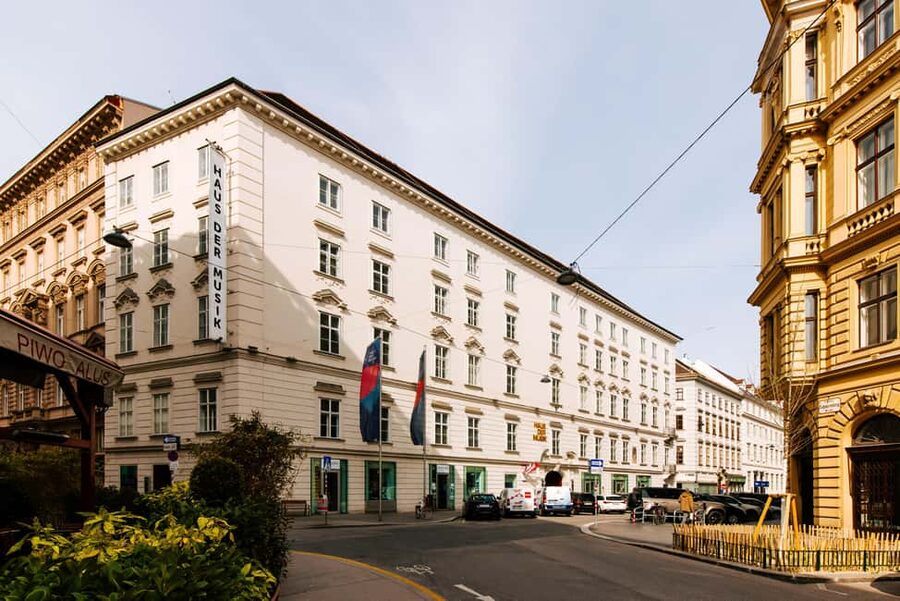
Haus der Musik is a music museum in central Vienna, and the concert takes place there rather than in one of the city’s grand historic concert halls. That location works well for a sightseeing day because you can reach it on foot from major central attractions, including the State Opera area.
Use the museum’s main entrance and show your ticket to the host. The arrival process is straightforward, and staff members guide you toward check-in and seating. Lockers are available for coats and bags, a useful detail during Vienna’s colder months when you may not want to keep bulky clothing beside your chair.
The room is intimate, but it may not provide the theatrical decoration some people expect from a Vienna concert. One account found the upper-floor space rather featureless and thought the stage could use more visual decoration. That is a fair criticism. You are paying for the musicians and the location, not an ornate concert-hall interior.
Still, the plain setting has one advantage: the quartet remains the focus. Several seats offer a close view of the players, and the compact room helps the sound reach you directly. If you are attending your first classical concert, this can feel less formal and less intimidating than a large hall.
What the one-hour program includes
The program is built as a selection of highlights rather than a single complete composition. That keeps the pace moving and gives you a broad sample of Viennese classical music.
Mozart opens the door
Mozart’s Eine kleine Nachtmusik is one of the most familiar pieces in the classical repertoire. In a quartet arrangement, its lively exchanges and clean melodies come through without the weight of a full orchestra.
The Dissonance Quartet offers a different side of Mozart. Its title hints at the unusual harmonies that surprised listeners in its day. Hearing a short section or movement from this work alongside Eine kleine Nachtmusik helps you notice that Mozart was not only light and cheerful.
More Classical Concerts in Vienna
- Vienna: Classical Concert in St. Anne’s Church (Annakirche)
★ 4.6 · 3,414 reviews - Vienna: Mozart and Strauss Concert at Schönbrunn
★ 4.5 · 2,967 reviews - Vienna: Classical Concert at Mozart’s First House
2,423 reviews - Vienna Classical Concert at St. Peter’s Church
★ 4.5 · 2,039 reviews
Haydn brings wit and order
Haydn’s Emperor Quartet is known for its stately character and memorable theme. The Joke Quartet shows his playful side, with musical pauses and unexpected timing that reward close listening.
I like having Haydn in this program because he gives the evening a sense of structure. His music can sound graceful on the surface, but the quartet format lets you hear how carefully each instrument fits into the design.
Beethoven adds weight
Beethoven’s String Quartet No. 4 gives the musicians room to show a stronger, more serious style. It is a useful contrast to Mozart’s polish and Haydn’s humor.
The program also includes Ode to Joy, best known from Beethoven’s Ninth Symphony. In a string-quartet setting, the melody becomes more direct and personal. You do not get the massed sound of an orchestra and choir, but you do hear how a simple theme can carry emotional power with only four instruments.
Schubert supplies the evening’s lyricism
Schubert’s Ave Maria is likely to be familiar even if you do not usually listen to classical music. The melody has a calm, singing quality that suits the string quartet.
Death and the Maiden shows Schubert in a darker and more urgent mood. Placing these two works in the same program gives you a good sense of his range, from tender melody to restless drama.
Strauss sends you out smiling
The Blue Danube is the obvious Viennese centerpiece. Its flowing rhythm has become one of the city’s musical calling cards, and hearing it in Vienna gives the piece a strong sense of place.
Radetzky March brings a lively close or late-program lift. It is direct, rhythmic, and easy to follow. If you want a concert filled with famous melodies rather than obscure selections, the Strauss portion is one reason this program works.
The exact order and selection may depend on the evening, so you should think of these titles as the advertised highlights rather than a guarantee that every piece will be performed in full.
Why the introductions matter
A small chamber concert can feel distant if nobody explains what you are hearing. Here, the leader of the quartet introduces the pieces and offers background before performances. The explanations are brief, which suits a one-hour program, but they give you a handle for listening.
You may hear why a piece is famous, notice a musical joke, or understand how a work fits into the Viennese tradition. This is especially useful if your classical vocabulary begins and ends with Mozart and The Blue Danube.
The hosting also adds a human touch. The musicians are not simply appearing and disappearing behind a formal stage routine. Several accounts describe the quartet as friendly and engaging, with the option of speaking with the performers afterward. That interaction cannot be guaranteed at every performance, but it is part of the appeal of a small ensemble.
The welcome and hosting are available in English and German. You do not need German to follow the evening, though the exact amount of spoken explanation can vary with the program and presenter.
Sound, seating, and the intimate scale
The most consistently praised part of this experience is the playing. The quartet is described as technically precise, expressive, balanced, and passionate. That combination matters in chamber music, where a single weak part can affect the whole sound.
From a close seat, you can watch how the musicians communicate. A violinist may glance across the group before a change in tempo, or the players may lean into a shared phrase together. These details are easy to miss in a large hall.
The compact setting also makes the concert approachable for someone attending a first classical performance. You are close enough to see the instruments in detail, and the familiar melodies provide an easy path into the music.
There is a tradeoff. A small room magnifies audience noise, and one account specifically noted that young children distracted from the performance. If your child cannot sit quietly for an hour, this is not the best family activity, even though children under six are permitted to attend free on a parent’s lap.
Is $27 good value?
At $27 per person, this is a reasonable way to add live classical music to a Vienna itinerary. The ticket covers the one-hour performance and entry to the concert, but not transport, food, or drinks.
You are not buying a full evening at the Vienna State Opera or a major symphony hall. You are buying a shorter, more focused experience in which the quartet plays well-known works at close range. For many people, that is precisely the point.
The value is strongest in three situations:
- You want a genuine live music experience but have limited time.
- You are curious about classical music and prefer familiar pieces with explanations.
- You want a central evening activity without paying for a long formal production.
The value is weaker if your main goal is elaborate architecture, a large orchestra, or a concert lasting several hours. The room may feel too plain for those expectations, and the program is a highlights package rather than a deep study of one composer.
You can also combine it with the Haus der Musik museum, as one useful suggestion points out. The museum adds a broader music-focused visit, while the concert gives you the live performance. Check the details of any separate museum admission before planning around it, since the concert ticket itself covers the performance rather than food, transport, or automatically stated museum access.
Practical timing and arrival advice
The concert lasts one hour, but plan extra time to find the entrance, check in, and settle. Late entry is not permitted after the music begins. This is not the place to arrive at the advertised start time and expect a relaxed wander to your seat.
Enter through the main Haus der Musik entrance and have your ticket ready for the host. The staff welcome is in English or German, and the venue is wheelchair accessible.
Photography inside is not allowed. Put your phone away before the performance and avoid treating the concert like a photo stop. You will enjoy the music more, and the musicians and people seated near you will appreciate the quiet.
There is no transport, food, or drink included. The central location makes it practical to arrange dinner before or after, but you should handle those plans separately.
Free cancellation is available until 24 hours before the start time, and a reserve-now, pay-later option is offered. A private group option is also available if you want the setting for your own party rather than a standard shared booking.
Who will enjoy this most?
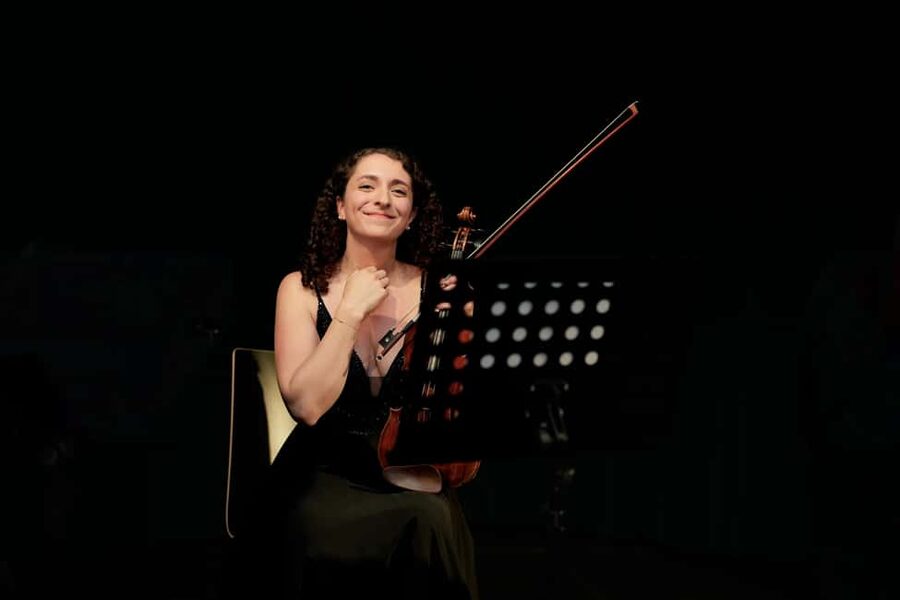
I would recommend this concert to first-time classical listeners, couples looking for a cultured evening, solo visitors, and anyone who wants a manageable introduction to Vienna’s musical identity.
It also suits people who prefer recognizable tunes. You will hear famous melodies rather than spend the full hour trying to decode an unfamiliar modern composition. The short explanations make the program easier to appreciate without turning the event into a lecture.
Solo visitors may find the small room particularly comfortable. One solo attendee received a front-row upgrade from the staff, though seating changes are not something to count on. The possibility does show how the close setting can make a single ticket feel personal rather than awkward.
Families should use judgment. Children under six are welcome free, but they have no separate seat and must remain on a parent’s lap. Even children with their own tickets need to be able to stay quiet for the full hour.
This is not the best fit for someone seeking a lavish hall, a full orchestra, or a long, formal concert night. If the look of the venue matters as much as the music, the plain upper-floor room may disappoint.
My verdict on the Wiener Klassik Ensemble concert
I would book this if I wanted one accessible hour of live Viennese music without giving up an entire evening. The quartet’s professional playing, famous repertoire, useful introductions, and central location make it a strong value at $27.
Go in with the right expectations. This is an intimate chamber concert in a museum setting, not a grand opera-house production. Arrive early, keep children’s ages and patience in mind, and do not expect food, drinks, or transport to be part of the ticket.
If Mozart, Beethoven, Schubert, Haydn, or Strauss already appeals to you, the choice is easy. If you are new to classical music, the familiar pieces and friendly explanations make this a sensible first step. The plain room is the main compromise, but the close view of four skilled musicians is also what gives the evening its charm.
FAQ
How long does the concert last?
The program lasts one hour.
Where does the concert take place?
It takes place at Haus der Musik in central Vienna, near the State Opera. Enter through the building’s main entrance.
Which composers are included?
The program features works by Mozart, Haydn, Beethoven, Schubert, and Strauss. Highlighted pieces include Eine kleine Nachtmusik, the Emperor Quartet, Ode to Joy, Ave Maria, The Blue Danube, and Radetzky March.
Is the concert available in English?
The host or greeter welcomes you in English and German. The quartet leader also provides introductions and background about the pieces.
Can young children attend?
Children under six may attend free, but they must sit on a parent’s lap for the entire performance and do not receive a separate seat.
Can I cancel my booking?
You can cancel up to 24 hours before the concert for a full refund. A reserve-now, pay-later option is also available.
Just added around Vienna
- Vienna: Concert by the Vienna Baroque Orchestra★ 4.6 · 56 reviews
- Vienna’s Musical Heart: Private Walking Tour with a Local★ 5.0 · 2 reviews
- Vienna: Strauss Museum – Music&History in Historic 1837 Hall★ 4.7 · 31 reviews
- Vienna Supreme Orchestra at Palais Niederösterreich★ 4.8 · 10 reviews
- Vienna: Sunday Brunch Danube Cruise & Live Music★ 4.2 · 42 reviews
- Vienna Private Walking Tour including State Opera★ 3.2 · 7 reviews
- Vienna: Romantic Classics Piano, Violin, and Cello Concert★ 4.7 · 60 reviews
- Vienna: Mozart, Beethoven, & Strauss Private Tour★ 5.0 · 4 reviews
Vienna Concerts, compared.
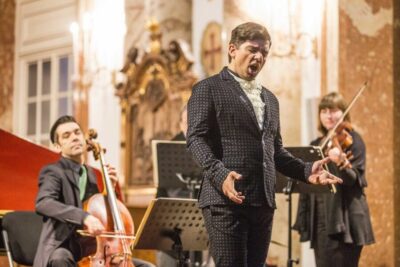
Vienna: Vivaldi’s Four Seasons Concert in Karlskirche
Read our review →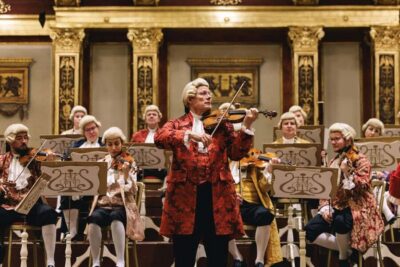
Vienna: Mozart Concert at the Musikverein – Golden Hall
Read our review →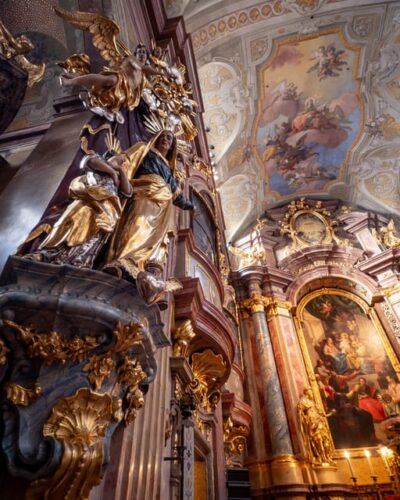
Vienna: Classical Concert in St. Anne’s Church (Annakirche)
Read our review →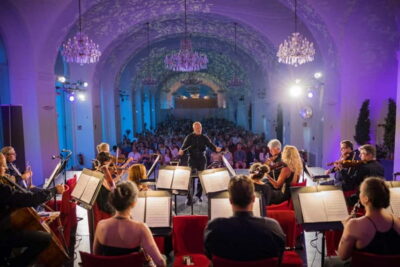
Vienna: Mozart and Strauss Concert at Schönbrunn
Read our review →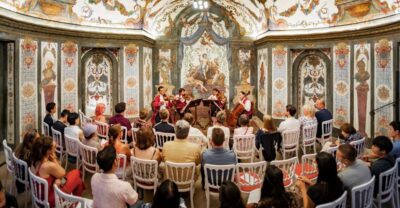
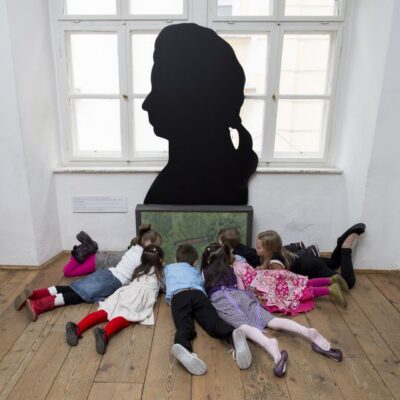
Vienna: Tickets for Mozarthaus Vienna with Audio Guide
Read our review →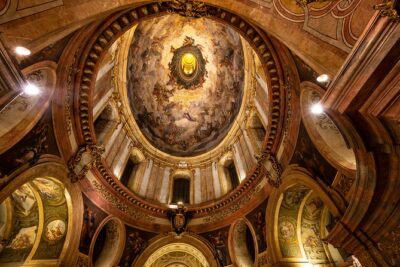
Vienna Classical Concert at St. Peter’s Church
Read our review →Vienna: Classical Concert in St. Anne’s Church (Annakirche)
Read our review →Browse the lists this tour appears in