
Review · USA
Tunica: Gateway to the Blues Museum Tour
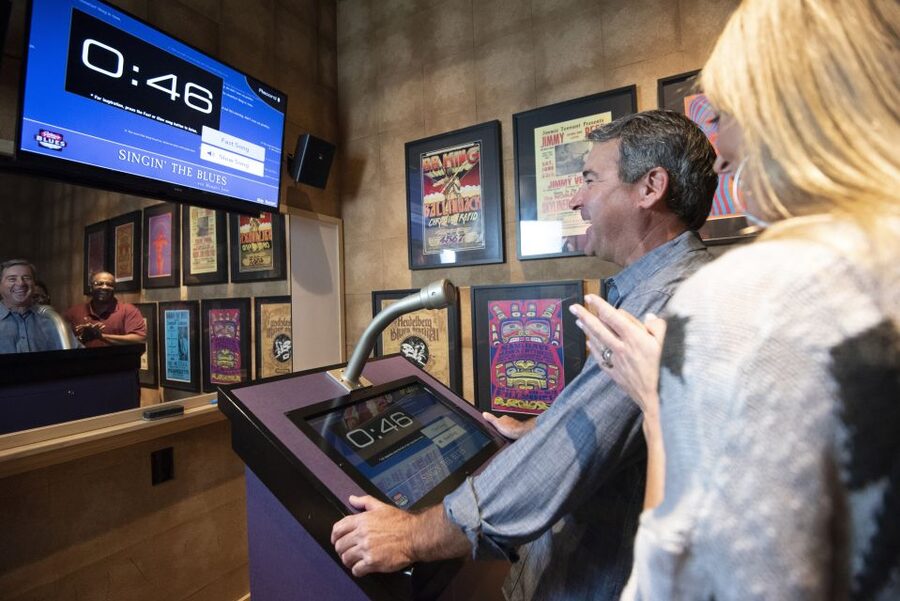
The first thing that catches your attention here is the chance to make your own blues recording. This is more than a room of old instruments. At the Gateway to the Blues Museum, you trace the music from Mississippi Delta roots to sheet music, records, and modern performance, then try a small piece of that creative process yourself.
I like the museum’s clear connection to Highway 61, the Blues Highway, and I like the mix of serious history with hands-on exhibits. W.C. Handy’s first cornet and the collection of more than 20 guitars give the story real objects to look at, not just dates and names. The main drawback is that this is a self-guided museum visit, so you will not have a personal guide shaping the experience or answering questions along the way.
Key points to know before you go
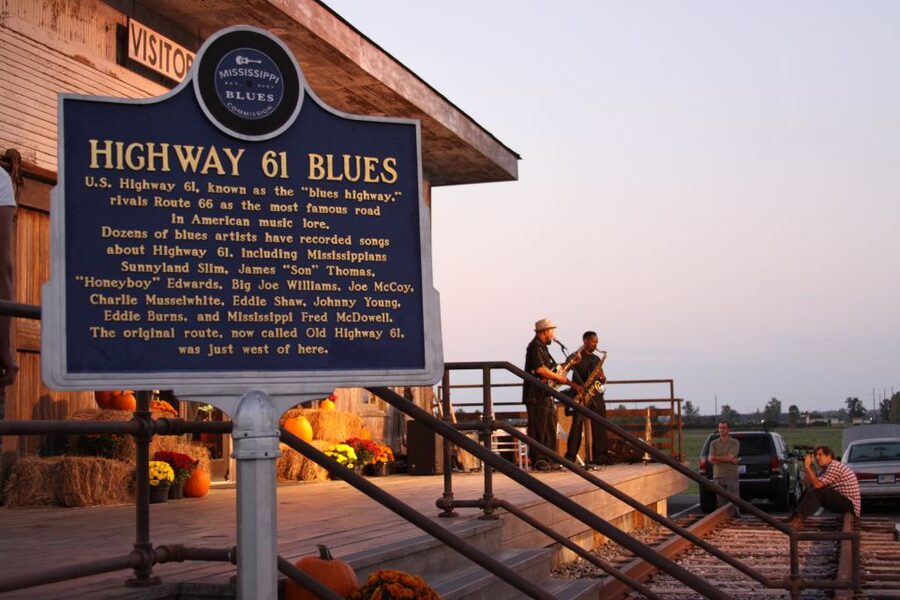
- Highway 61 location: Begin your Delta music journey on the road long linked with the blues.
- W.C. Handy’s first cornet: See an important early instrument while learning how blues moved into printed music.
- More than 20 guitars: Get close to guitars connected with famous artists from several musical styles.
- Hands-on recording studio: Write and record your own blues song as part of the visit.
- Self-guided format: Explore at your own pace with English information and museum exhibits.
- Low admission price: At $10 per person, the museum offers a reasonably priced stop for music fans and curious families.
Starting on Highway 61 in Tunica
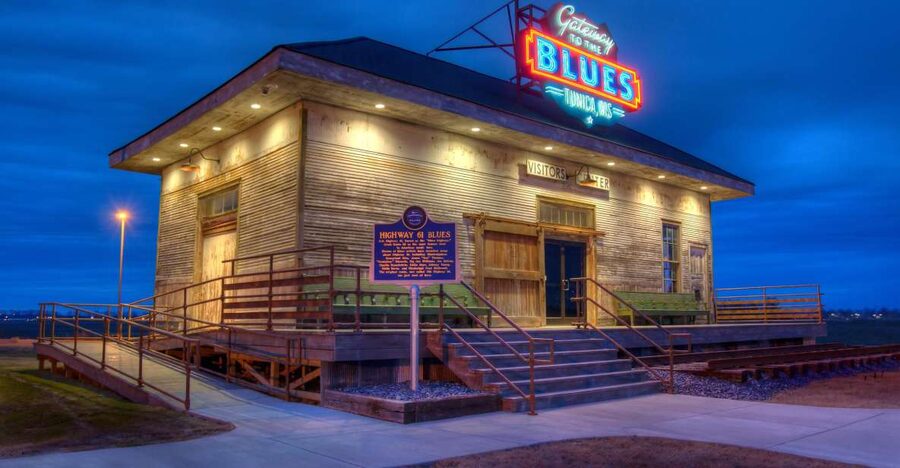
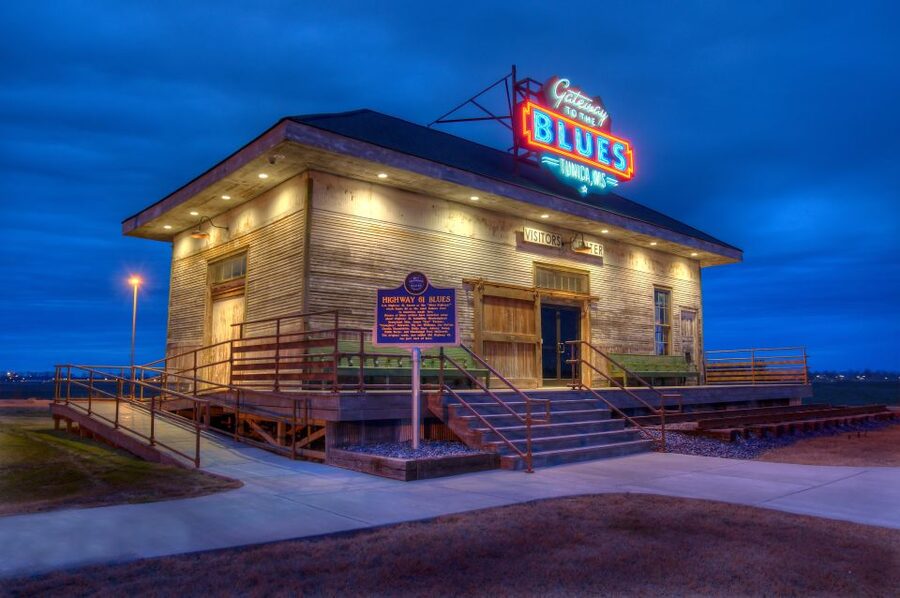
The Gateway to the Blues Museum sits on Highway 61, a road with a powerful place in American music. Here, the highway is not just a route between towns. It gives you a useful starting point for understanding why the Mississippi Delta matters to the blues.
You begin at the Gateway to the Blues Visitor Center, where informational booklets and brochures are available. These materials can help you get your bearings before entering the museum exhibits, especially if you do not already know the basic story of the blues.
The experience is designed as a self-guided visit. That makes it easy to fit into a day of exploring Tunica and the Delta. You can move at your own pace, spend extra time with an instrument that catches your eye, and return to an exhibit without waiting for a group.
The tradeoff is simple. You need to read, listen, and make connections for yourself. If you prefer a guide telling stories in a lively sequence, this may feel less personal. If you like setting your own rhythm, the format works well.
More Jazz Concerts in the USA
- New Orleans Steamboat Natchez Jazz Cruise with Dinner Option
★ 4.0 · 7,533 reviews - New Orleans Steamboat Natchez Jazz Cruise
★ 4.5 · 5,334 reviews - New Orleans: Evening Steamboat Jazz Cruise + Optional Dinner
★ 4.3 · 4,548 reviews
Understanding how the blues began
The museum presents the blues as a form of expression born from hardship, feeling, and creativity. The tone is not polished or distant. You are encouraged to see the music in its tormented and anguished glory, while also recognizing its inventiveness and lasting appeal.
That matters because the blues is easy to reduce to a sound or a list of famous musicians. The museum instead places the genre in its Mississippi Delta setting and explains the role Tunica and the surrounding region played in its legacy.
I especially like this part for anyone who knows the blues mainly through later rock, soul, country, or popular music. The exhibits help show how the form developed before it reached wider audiences. You can better understand why a simple vocal line, a repeated phrase, or a guitar response can carry so much emotional weight.
The museum is also useful for people with different levels of musical knowledge. You do not need to read music or identify every artist to follow the main story. The exhibits are meant to bring the history to life through objects, artwork, and interactive displays.
W.C. Handy’s cornet and the move to sheet music
One of the most important objects on display is W.C. Handy’s first cornet. Seeing the actual instrument gives the story a physical anchor. Instead of thinking about Handy only as a name in a music history book, you are looking at an item connected to his early musical life.
The exhibit also explains the development of sheet music. This is an important step in the story because printed music helped songs move beyond the places where they were first performed. Music could be shared, sold, studied, and played by people who had never heard the original performer.
The museum links this development with the later effect of recorded music. That connection helps you see the blues as a changing art form, not something frozen in one rural setting. First, musical ideas could be passed on by performance. Then sheet music helped spread them in print. Later, recordings carried individual voices and playing styles much farther.
I find this section valuable because it explains how the blues moved from local expression toward a wider public. The instrument, the printed page, and the recording all tell part of the same story.
More than 20 guitars with famous connections
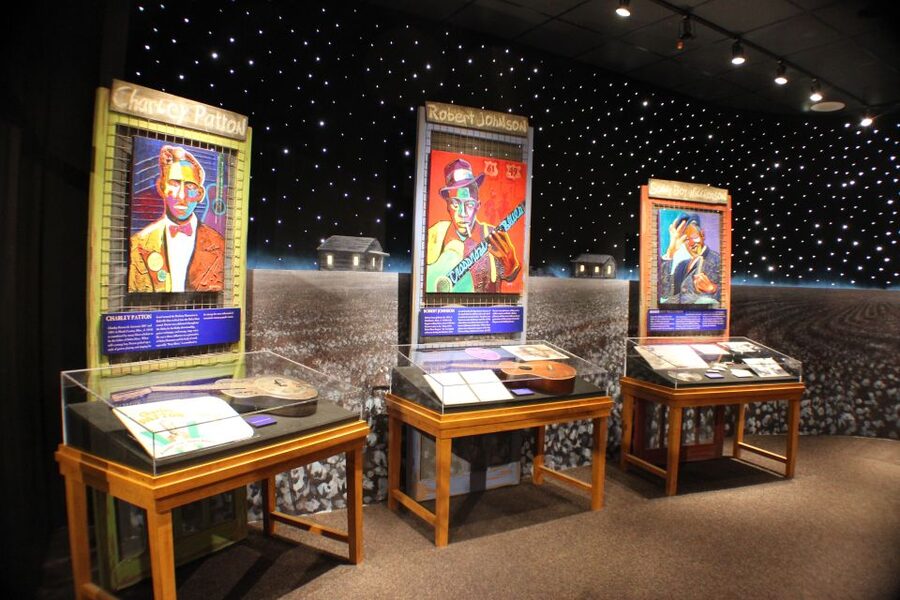
The guitar display is likely to be one of the main attractions for music fans. You can get close to more than 20 guitars used by famous artists across several genres.
The collection gives you a chance to look at the tools behind the music. A guitar is not simply a decorative object here. Its shape, wear, and place in a musician’s work can help you think about the sound and style associated with that player.
The cross-genre focus is useful. You are not limited to a narrow blues display. The collection helps show how blues ideas traveled into other forms of American music. If your own taste leans toward rock, country, soul, or another related style, you may find a familiar connection in the guitar exhibits.
Do not rush this section. A quick glance will not tell you much. Use the museum information to connect each instrument with the wider story of the blues and its influence. Since the visit is self-guided, you can give the guitars as much time as you like.
A limitation is that the supplied information does not identify every guitar or artist by name. If you want a detailed technical account of each instrument, you may need to rely on the exhibit text available during your visit. Still, the number of guitars makes this a strong stop for anyone who enjoys seeing musical objects up close.
Same city, a different sound:
- New Orleans: Daytime Steamboat Jazz Cruise + Optional Lunch
★ 4.3 · 4,164 reviews - Key West Sunset Sail with Open Bar, Live Music and Hors D’oeuvres
★ 4.5 · 3,559 reviews - NYC: Aladdin the Musical on Broadway
★ 4.8 · 1,800 reviews - Key West Sunset Cruise: Dinner, Live Music & Drinks Included
★ 4.5 · 1,707 reviews
Writing and recording your own blues song
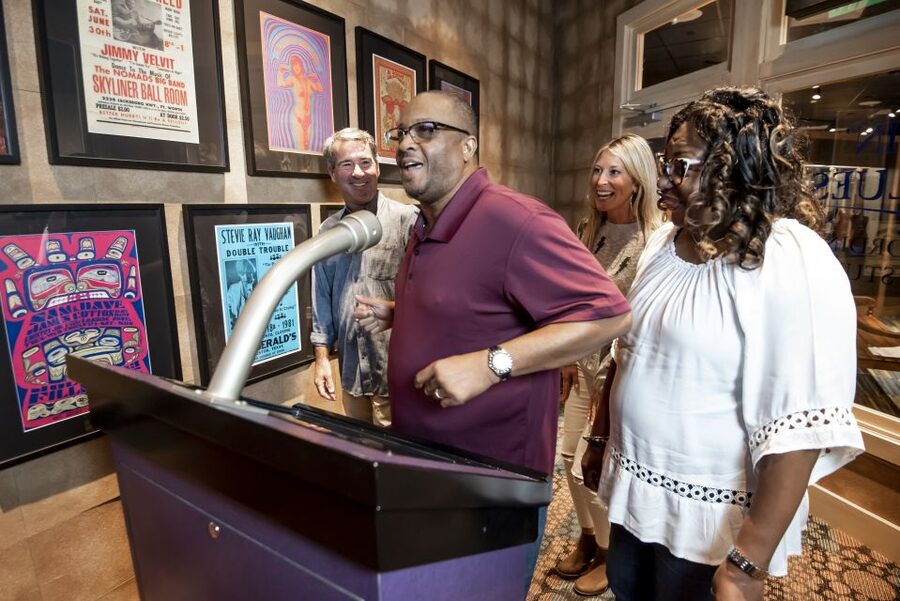
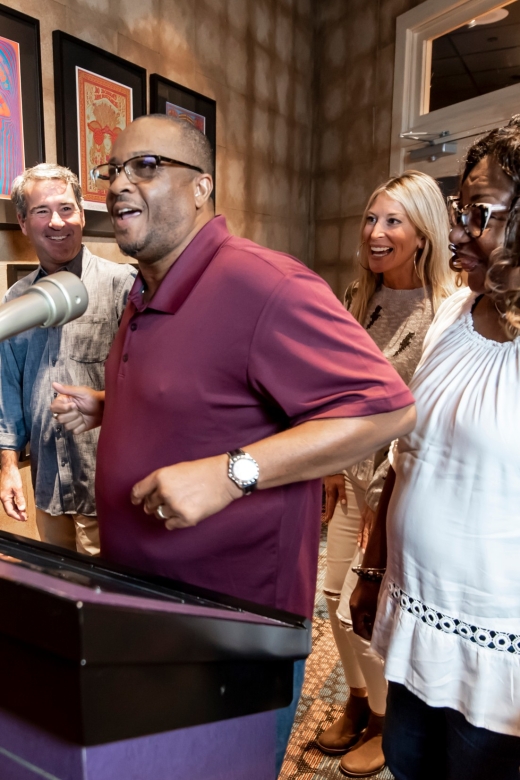
The recording studio exhibit gives the museum its most playful feature. You can learn basic elements of blues music, write your own blues song, and record it.
This activity changes your role. Instead of only looking at instruments and reading about musicians, you get to try shaping a song. You do not need to be a trained singer or songwriter to understand the point. The exhibit lets you experiment with the structure and feeling behind the music.
I like the way this activity connects the museum’s historical material with your own experience. After learning about expression, performance, sheet music, and recorded sound, you get to use a recording space yourself. It turns the idea of musical creativity into something practical.
The studio also makes the visit appealing for families and mixed-interest groups. A serious blues fan can spend time with the instruments and historical material, while someone less familiar with the genre can take part in the recording activity.
Keep your expectations realistic. This is an interactive exhibit within a museum, not a professional recording session or a full music workshop. The available details do not specify how long the recording takes or exactly how the studio works. Think of it as a fun way to grasp the basics and leave with a personal connection to the music.
Artwork and interactive exhibits beyond the instruments
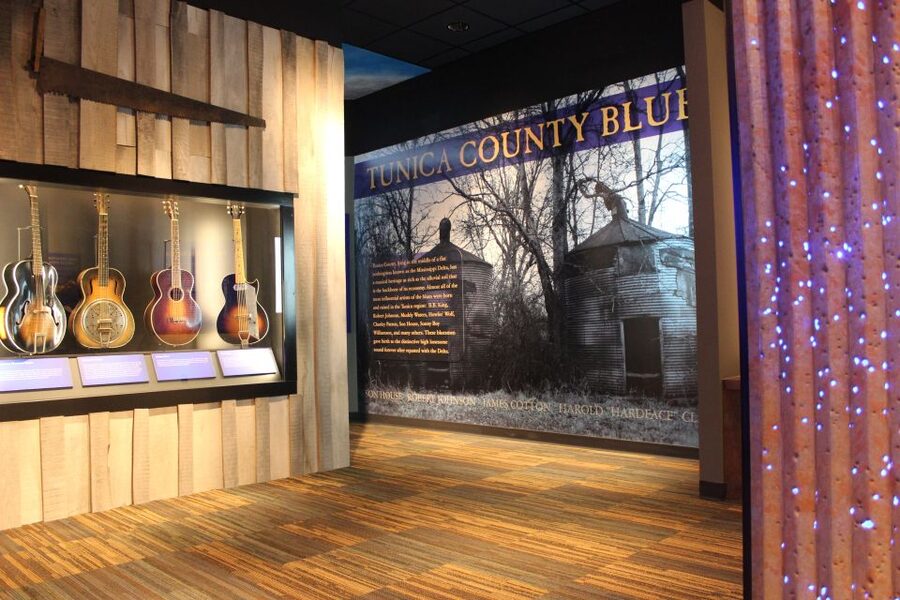
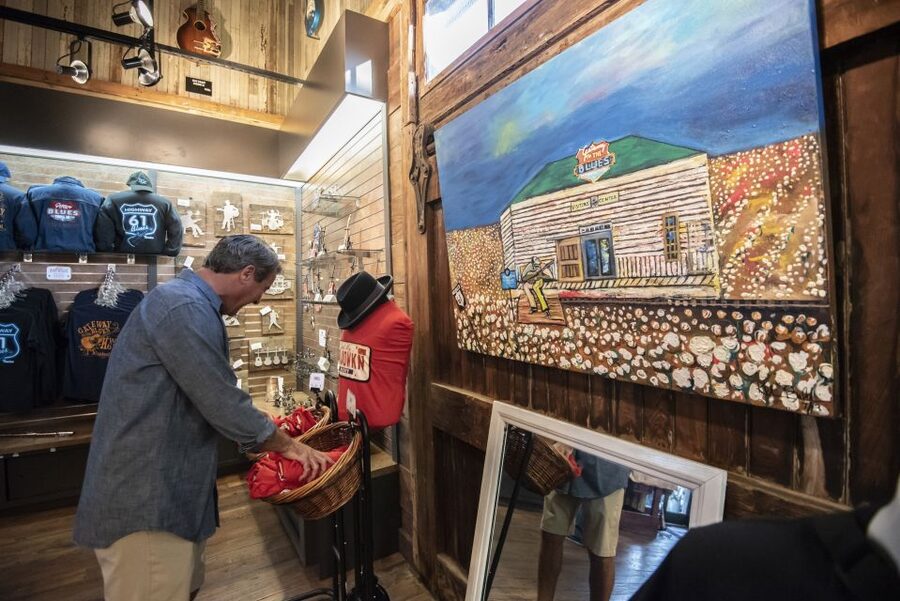
The museum includes artwork and other interactive exhibits, so the visit is not limited to cases of objects. These displays add visual and physical ways to understand a genre that grew through sound, performance, and personal expression.
That variety helps keep the museum from feeling like a display of instruments alone. You can shift between reading, looking, listening, and participating. For a subject with such strong emotional force, that change of pace is useful.
The exhibits also give you more than one way into the story. You might connect first with the history of Tunica and the Delta. You might respond to the guitars. Or you might understand the music best after trying to write a short song yourself.
Because the tour is self-guided, take time to notice how the exhibits relate to one another. The most useful visit is not simply a list of objects. It is a chain: Delta life and expression, early musical development, printed music, recordings, famous instruments, and your own attempt at the form.
How long to allow for a one-day visit
The admission is valid for one day from first activation. The activity is listed as a one-day experience, but no exact visit length is provided.
That flexibility is helpful if you are using the museum as one stop on a broader Mississippi Delta outing. You can plan it as an introduction before continuing along Highway 61, or give it a larger part of your day if the music interests you.
I would avoid treating the museum as a quick photo stop. The cornet, guitars, artwork, historical displays, and recording studio each offer a different reason to pause. The more you engage with the exhibits, the more useful the visit becomes.
Since there is no fixed group itinerary, you are not moving from one scheduled stop to another. That gives you freedom, but it also means you should manage your own time. The Visitor Center’s brochures can help you plan what comes next in the area.
What the $10 admission gives you
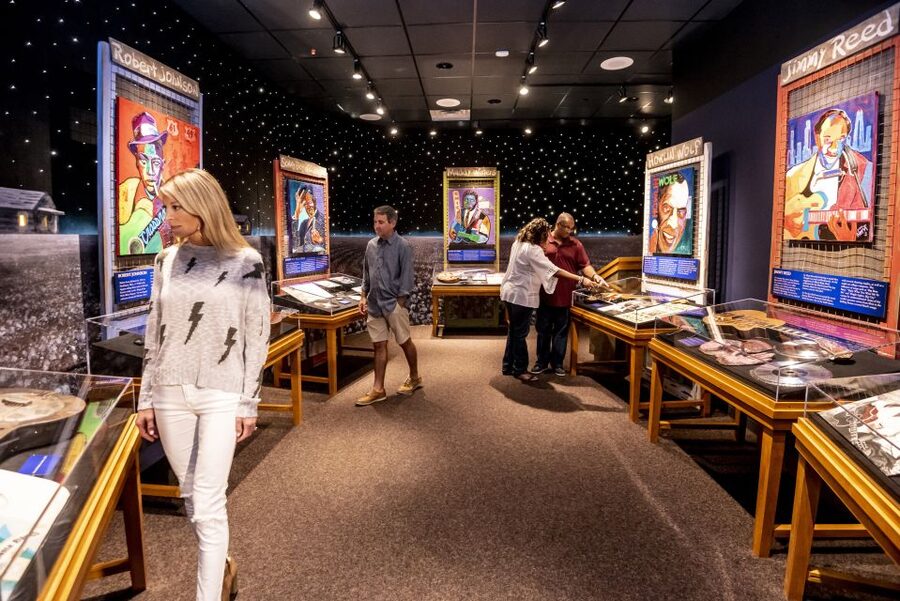
At $10 per person, the admission is good value for anyone with a serious interest in blues, American music, or Mississippi Delta culture. You receive entry to the self-guided museum tour, plus access to informational booklets and brochures at the Visitor Center.
The value comes from the range of material. You are not paying only to see one historic object. The price covers the museum’s larger story, including W.C. Handy’s cornet, the guitars, artwork, interactive displays, and the recording studio exhibit.
It is also a sensible choice for couples or families with mixed levels of interest. One person can focus on the music’s origins, another can study the instruments, and someone else can enjoy making a recording.
Food and drinks are not included. Plan those separately rather than expecting the museum admission to cover refreshments. The provided information does not identify dining facilities or a café, so you should treat food planning as a separate part of your day.
Who will enjoy this museum most
I would recommend the Gateway to the Blues Museum to several types of visitors:
- Music fans who want to see guitars linked to well-known artists.
- People curious about how the blues developed in the Mississippi Delta.
- Visitors interested in W.C. Handy and the early spread of blues through sheet music.
- Families or couples who appreciate an activity beyond reading display panels.
- Anyone following Highway 61 and looking for a focused cultural stop.
- People who want a low-cost introduction before exploring more of the Delta.
The museum may be less satisfying if you want a live concert, a long guided lecture, or a large collection of highly detailed artist biographies. None of those are described as part of the experience. This is a self-guided museum visit with interactive material and a recording activity.
The English-only format also matters. The host or greeter language is English, and the listed museum language is English. If you need another language, confirm available support before booking.
Practical details for a smooth visit
The museum is wheelchair accessible, which makes it a practical choice for people who need step-free access. The experience does not include food or drinks, so arrange those separately.
Flash photography is not allowed. Bring a camera if you wish, but keep the flash off and follow any additional exhibit instructions given on site.
The booking terms are flexible. You can cancel up to 24 hours in advance for a full refund, and you can reserve now and pay later. Those options are useful when your Mississippi itinerary depends on road conditions, changing plans, or the timing of other stops.
The admission is valid for one day from first activation. There is no need to treat it like a timed walking tour with a fixed sequence, since the visit is self-guided.
My recommendation for booking
I would book this museum if you are already traveling through Tunica or along Highway 61 and want a focused introduction to Delta blues. The strongest reasons are the real W.C. Handy cornet, the collection of more than 20 guitars, and the chance to write and record a song yourself.
It is also a good value at $10, especially if you give the exhibits enough time rather than rushing through. The 4.5 rating from four reviews is encouraging, and the strongest praise centers on learning about the South’s blues heritage and gaining a deeper appreciation for the music.
I would skip it only if you are looking specifically for live music or a personal guide. For everyone else, this is an accessible way to get into a blues state of mind before continuing through the Mississippi Delta.
FAQ
Where is the Gateway to the Blues Museum located?
The museum is located on Highway 61 in Tunica, Mississippi. Highway 61 is also known as the Blues Highway.
How much does admission cost?
Admission costs $10 per person.
How long is the experience?
The experience is listed as a one-day activity. The exact time needed for the self-guided museum visit is not specified.
Is the tour guided?
It is a self-guided tour. The listed host or greeter language is English.
What is included with admission?
Admission includes entry to the Gateway to the Blues Museum self-guided tour. Informational booklets and brochures are available at the Gateway to the Blues Visitor Center.
Is food or drink included?
No. Food and drinks are not included.
Is the museum wheelchair accessible?
Yes. The experience is listed as wheelchair accessible.
Can I take photographs inside?
Flash photography is not allowed.
Can I cancel my booking?
Yes. You can cancel up to 24 hours in advance for a full refund. You can also reserve now and pay later.
More Museum Visits in the USA
- Little Havana Tour Private Cuban Podcaster Art, Museums, Music
★ 4.5 · 93 reviews - Phoenix: World’s Only Global Musical Instrument Museum
★ 5.0 · 15 reviews - Bellagio Gallery of Fine Art: “American Duet: Jazz” Exhibit
★ 4.0 · 5 reviews - Venice: Vivaldi’s Four Seasons Concert & Music Museum Visit
★ 4.8 · 2,065 reviews
Just added around the USA
- Las Vegas: Zombie Burlesque Comedy Musical Show Ticket★ 4.5 · 62 reviews
- Sunset Cruise with Live Music★ 4.0 · 18 reviews
- St. Louis Blues Ice Hockey Game Ticket at Enterprise Center★ 4.0 · 5 reviews
- St Augustine Nights of Lights Tour with Live Music and Sunset Opt★ 4.5 · 69 reviews
- Savannah Live Music Walking Tour★ 4.5 · 18 reviews
- Savannah Riverboat Gospel Music Dinner Cruise★ 5.0 · 112 reviews
- Utah Jazz Basketball Game Ticket at Delta Center★ 4.5 · 2 reviews
- Live Organ Recital & Salt Lake City In-Depth Tour★ 5.0 · 8 reviews
USA Concerts, compared.

New Orleans Steamboat Natchez Jazz Cruise with Dinner Option
Read our review →

New Orleans: Evening Steamboat Jazz Cruise + Optional Dinner
Read our review →
New Orleans: Daytime Steamboat Jazz Cruise + Optional Lunch
Read our review →
Key West Sunset Sail with Open Bar, Live Music and Hors D’oeuvres
Read our review →

Key West Sunset Cruise: Dinner, Live Music & Drinks Included
Read our review →
NYC: Harlem Hallelujah! Gospel Wednesday Concert
Read our review →Browse the lists this tour appears in