
Review · MUSEUMS
Brussels: Musical Instruments Museum Entry Ticket
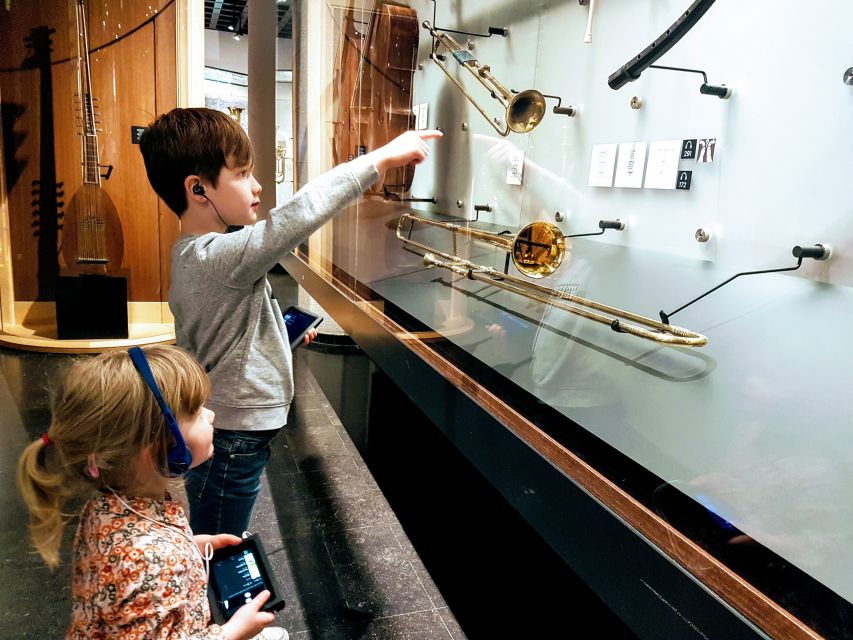
The best part of Brussels’ Musical Instruments Museum is that you do not just look at silent cases of old instruments. Your ticket includes audio for nearly 300 musical pieces, so you can hear how many instruments work as you move through four floors of displays. The collection ranges from African slit drums to Western keyboards and electronic instruments.
I like the wide mix of instruments and the clever listening system, which turns a display into something you can understand with your ears. I also like the building itself: the Old England department store is a striking Art Nouveau landmark on Mont des Arts.
The main drawback is that not every instrument has a sound clip, so you may occasionally find yourself looking at an object without hearing it. The museum restaurant is also closed for renovation, so plan a food stop elsewhere.
Key points to know before you go
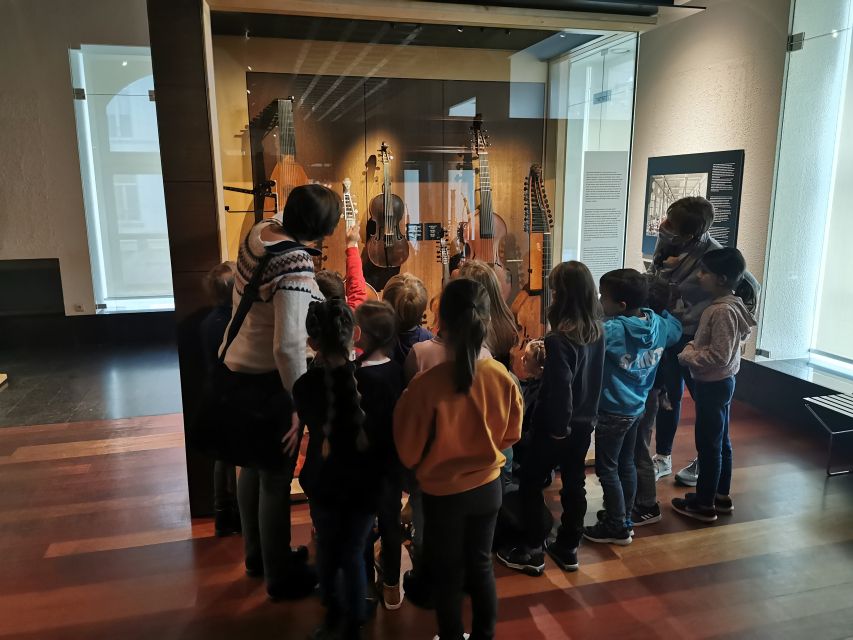
- Nearly 300 audio clips: Use the included multimedia device to hear instruments being played, with audio available in English, Dutch, and French.
- Four floors of music: See European instruments, keyboards, traditional instruments from around the world, and electronic music displays.
- A remarkable saxophone: Look for the oldest preserved saxophone in the world among the museum’s important musical objects.
- A landmark building: The Old England building gives your museum visit an Art Nouveau setting, not just a collection of galleries.
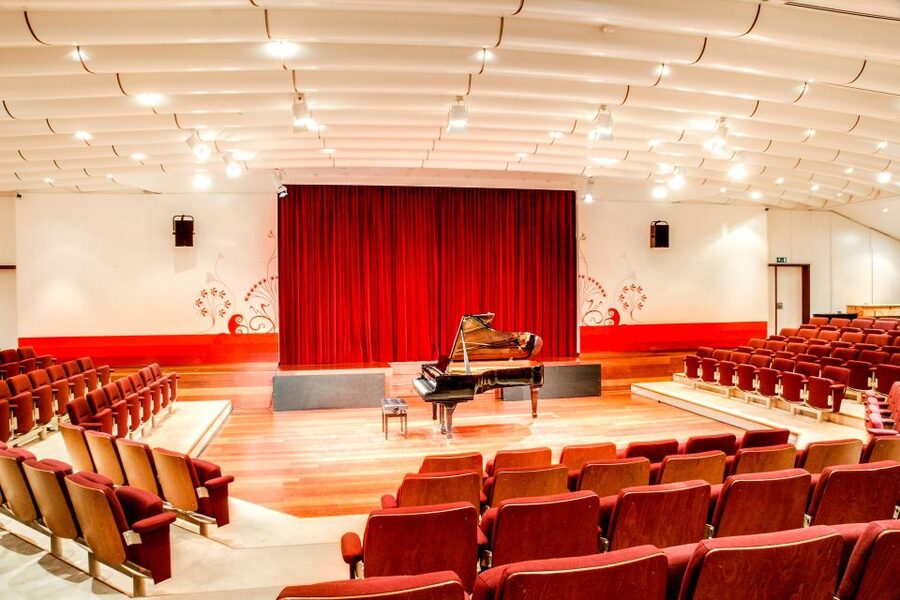
- Concerts cost extra: You may be able to attend a live concert in the neoclassical hall, but the concert ticket is not included.
- Allow about two hours: That gives you time to explore at a comfortable pace, though music lovers can stay longer.
Starting at the Old England building on Mont des Arts
The museum sits on Brussels’ famous Mont des Arts, or Hill of the Arts. That location makes it easy to combine with a day spent around central Brussels, but the building deserves attention before you even enter.
The Old England building is an Art Nouveau work with intricate metal details and a distinctive historic character. You are not walking into a plain modern box. The architecture sets up the visit nicely because the museum connects music with design, craft, technology, and social history.
Your entry ticket lets you skip the ticket line. Keep the QR code ready at the entrance rather than assuming you need to visit a ticket office first. This is a useful practical tip, since a QR code ticket can occasionally be mistaken for a Brussels Card or another city pass. Scanning it at the entrance should keep the process simple.
The museum is wheelchair accessible. Oversize luggage is not allowed, and flash photography is prohibited, so travel light and keep your camera settings respectful of the collection.
More Musicals in the world:
- Fado: Musical Walking Tour with Food & Live Show
★ 5.0 · 121 reviews - Rome: Musical Biography of Frank Sinatra Concert
★ 3.9 · 100 reviews - Musical masterpieces: The best of the Baroque concert
★ 5.0 · 17 reviews
How the four floors are organized
The museum spreads its displays across four floors, with each area offering a different way to think about music. This is not one long room filled with similar-looking objects. The changes in period, region, and technology help keep the visit moving.
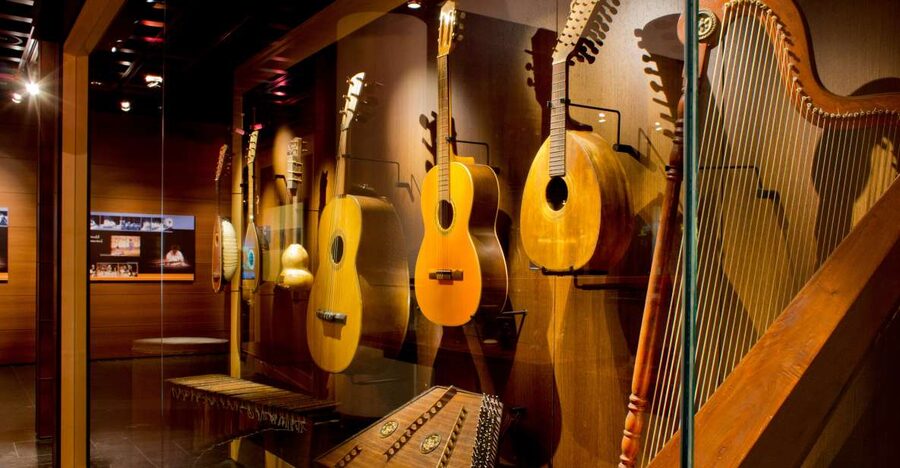
One section covers the history of musical instruments in Europe. Here, you can follow changes in design and use across Western musical traditions. The displays are most useful when you take time to listen, since the shape of an instrument often tells only part of the story.
A separate keyboard collection gives you a closer look at instruments built around keys. This area should appeal to anyone interested in the mechanics of music, as well as to people who enjoy seeing how older designs compare with familiar modern instruments.
The world instruments room broadens the visit beyond European music. You can see traditional instruments from different parts of the globe, including African slit drums. These displays help show that music is not built around one universal set of ideas. Different communities create sound with the materials, skills, and traditions available to them.
The electronic instruments exhibition brings the story into the modern era. It adds a useful change of pace after the older instruments and shows how music-making has moved into newer forms of technology.
Why the audio device makes a difference
The included multimedia device is the museum’s most useful feature. You can listen to almost 300 pieces as you move around the galleries, using headphones connected to the exhibits or the museum’s audio system.
That matters because musical instruments can be difficult to understand when they are silent. A long, curved instrument, a carved drum, or an unfamiliar keyboard may look impressive, but the sound gives you the missing piece. The audio clips help you connect an object’s shape with its purpose.
The audio is available in English, Dutch, and French. You do not need to bring a separate audio guide, and the listening system gives you control over the pace. You can spend extra time with instruments that catch your attention and move quickly past displays that do not.
Still, you should not expect a sound sample for every object. Some instruments have no audio option, which can feel like a missed opportunity when the museum has already made listening such a central part of the visit. If you care most about hearing instruments played, check the available clips as you go and budget your time around the displays with sound.
One practical advantage is that the audio keeps the visit active. Instead of reading wall text for two hours, you can alternate between looking, listening, and moving through the collection. That makes the museum a good choice for people who might otherwise find a traditional museum too quiet or static.
The oldest preserved saxophone and other standout objects
The museum includes memorable objects that give you a reason to seek out specific displays. The oldest preserved saxophone in the world is one of the clearest highlights.
That saxophone is especially interesting because it links a recognizable modern instrument with the earlier stages of its development. You are not only seeing a musical object. You are seeing evidence of how instrument makers experimented with form, materials, and sound.
The museum’s collection also includes historical and modern instruments from around the world. The value is in the range. You can move from European instruments to keyboards, then to traditional instruments from other regions, and finally to electronic music.
I would not approach this as a place where every display will appeal equally to you. The museum works best when you follow your interests. A musician may want to spend extra time with construction details, while a casual visitor may get more from the audio clips and unusual objects.
The exhibition format also means that the museum can suit mixed groups. One person can focus on instruments and technology, while another listens to music samples or studies the building. You do not have to enjoy every category to find enough here for a worthwhile visit.
More Museum Visits in the world:
- Venice: Vivaldi’s Four Seasons Concert & Music Museum Visit
★ 4.8 · 2,065 reviews - Vienna: Classical Concert at Mozarthaus with Museum Entry
★ 4.8 · 371 reviews - Chopin Piano Concert at Chopin Gallery with a Glass of Wine
★ 4.5 · 283 reviews - Venice: Vivaldi Baroque Concert Ticket and Free Music Museum
★ 4.8 · 103 reviews
The concert hall is an optional extra
The museum has a neoclassical concert hall where live concerts take place. If a performance is scheduled during your time in Brussels, it can add a more direct musical experience to the museum visit.
The important detail is that the concert ticket is not included with museum admission. Your entry ticket covers the museum, not the performance. Check the concert details separately before you count on attending.
A concert may suit you if you want more than an exhibition and enjoy hearing music performed in a formal setting. It is also a good reason to return to the museum at a different time, since the live program offers something the audio devices cannot.
Do not feel that you have missed the main experience if you skip the concert. The four floors of displays and nearly 300 audio clips are the core visit. The hall is an optional addition, not part of the basic ticket.
How long to stay and how to plan your visit
Plan on about two hours for a normal visit. That is enough time to see the main collections, use the audio device, and pause at the most interesting objects without rushing.
Music fans can easily stay longer. Four floors give you plenty to examine, and listening to clips takes more time than simply walking past display cases. If you want to hear many of the available pieces, add extra time rather than trying to race through every gallery.
Because the ticket is valid for one day, you have some flexibility within the stated opening and entry arrangements. Check availability for the starting time when booking, especially if you are fitting the museum between other Brussels plans.
I would visit earlier in the day if you want a quieter, more focused pace, but the supplied information does not guarantee crowd levels at any particular hour. The best plan is to allow two hours and avoid scheduling a tight appointment right afterward.
The restaurant is currently closed for renovation. This does not affect the exhibits, but it does mean you should arrange lunch, coffee, or a snack outside the museum. Mont des Arts is a central Brussels location, so it is sensible to combine the visit with other city sights rather than relying on the museum for a full half-day of food and entertainment.
Is the $17 ticket good value?
At $17 per person, the ticket is reasonably priced for a museum visit that includes four floors and an audio system with nearly 300 pieces. The audio is the main value point. You are paying for more than entry into a collection of objects, since the sounds help you understand what you are seeing.
The value is strongest for anyone interested in music, instruments, design, or cultural traditions from different parts of the world. It is also a sensible choice for a rainy day in Brussels, though the supplied information does not promise any particular weather-related arrangement.
For a casual visitor, the price still makes sense if you use the audio device and stay for around two hours. If you only walk through quickly and skip most of the listening clips, the ticket may feel less worthwhile.
The concert is not part of this price, so include a separate concert cost if live music is important to your plan. That separation is clear, but it is worth remembering when comparing the museum with other cultural attractions.
Free cancellation up to 24 hours before the visit and a reserve-now, pay-later option make the booking less rigid. Those policies are useful if your Brussels schedule may change, though you should still check the exact availability and conditions before confirming.
Who will enjoy this museum most?
I would recommend the museum most strongly to:
- People who play an instrument or enjoy learning how instruments are built
- Visitors who prefer interactive audio to long blocks of written information
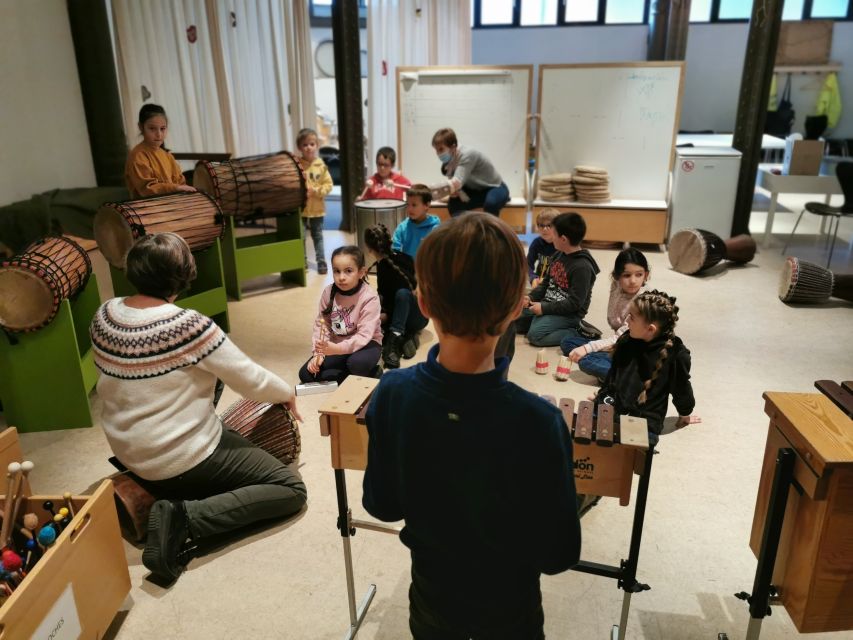
- Families and mixed-age groups who need different ways to stay interested
- Anyone curious about instruments from Africa, Europe, and other parts of the world
- Architecture fans who want to see the Old England building
- Visitors looking for a two-hour indoor stop in central Brussels
You do not need formal musical training. The audio clips make the collection approachable, and you can simply follow the sounds that interest you.
The museum may be less suitable if you want a guided tour with a named expert, since no personal guide is included. It may also disappoint if you expect every displayed instrument to have a recording. The experience is self-directed, so your enjoyment depends partly on how willing you are to choose your own pace.
Small details that can improve the visit
Use the audio device early rather than leaving it until the end. The listening clips are the part most likely to turn a quick museum walk into a meaningful visit.
Keep your QR code accessible on your phone. Go straight to the entrance for scanning instead of first waiting at a ticket desk. This simple step can prevent confusion with other Brussels tickets and city cards.
Leave large bags behind. Oversize luggage is not allowed, and flash photography is prohibited. A small bag and a phone or camera with flash turned off are the safest choices.
If you want food afterward, plan ahead because the museum restaurant is closed for renovation. This is easy to manage, but it is one of those details that can disrupt a tightly timed day if you discover it only when you are hungry.
Finally, look up the concert schedule separately. The neoclassical hall may offer a fine way to finish your visit, but admission to the museum does not include a performance ticket.
Should you book the Musical Instruments Museum?
Book it if you want a museum where listening matters as much as looking. The nearly 300 audio clips, four-floor layout, and broad mix of world instruments make the $17 ticket a solid choice for a two-hour Brussels stop.
I would be especially quick to recommend it to music fans, curious families, and visitors who enjoy museums with a clear interactive element. The Art Nouveau building adds another reason to go.
Skip it if you have little interest in instruments and want a fast sightseeing stop with a guided presentation. You should also keep your expectations realistic: not every object has a sound clip, the restaurant is closed, and concerts cost extra. For the right visitor, though, this is one of Brussels’ more engaging indoor cultural visits.
FAQ
How long is the Musical Instruments Museum ticket valid?
The ticket is valid for one day. Check availability for the available starting times when booking.
Is an audio guide included?
Yes. Your ticket includes a multimedia audio device with nearly 300 musical clips. Audio is available in English, Dutch, and French.
What collections can I see at the museum?
You can see European musical instruments, a keyboard collection, traditional instruments from around the world, and an exhibition on electronic instruments.
Can I see the oldest preserved saxophone in the world?
Yes. The museum displays the oldest preserved saxophone in the world.
Is a concert included with museum admission?
No. The museum’s live concerts take place in its neoclassical hall, but a concert ticket is not included with standard museum entry.
Is the museum wheelchair accessible?
Yes. The Musical Instruments Museum is wheelchair accessible.
Can I bring oversize luggage or use flash photography?
Oversize luggage is not allowed, and flash photography is prohibited. The museum restaurant is also currently closed for renovation.
Just added around the world
- Wrocław: Chopin & Friends piano concerts★ 4.6 · 28 reviews
- Warsaw: Candlelight Concert at Fryderyk Concert Hall★ 4.7 · 110 reviews
- Warsaw: Chopin Concert Ticket With Glass of Champagne★ 4.7 · 59 reviews
- Warsaw: Guided Walking Tour with a Private Chopin Concert★ 5.0 · 13 reviews
- Waitangi: Treaty Grounds Hāngī and Concert Combo Pass★ 4.7 · 67 reviews
- Viva Blackpool: ABBA Bottomless Brunch with Live Music★ 5.0 · 2 reviews
- Vienna: Concert by the Vienna Baroque Orchestra★ 4.6 · 56 reviews
- Vienna: Sunday Brunch Danube Cruise & Live Music★ 4.2 · 42 reviews
Museums, compared.
Venice: Vivaldi’s Four Seasons Concert & Music Museum Visit
Read our review →
Florence Duomo, Baptistery & Opera Museum Audioguided Tour
Read our review →
Vienna: Classical Concert at Mozarthaus with Museum Entry
Read our review →
Chopin Piano Concert at Chopin Gallery with a Glass of Wine
Read our review →
Venice: Vivaldi Baroque Concert Ticket and Free Music Museum
Read our review →
Little Havana Tour Private Cuban Podcaster Art, Museums, Music
Read our review →
Vivaldi’s Four Seasons Concert and Music Museum Visit
Read our review →Browse the lists this tour appears in