
Review · VIENNA
Vienna: Romantic Classics Piano, Violin, and Cello Concert
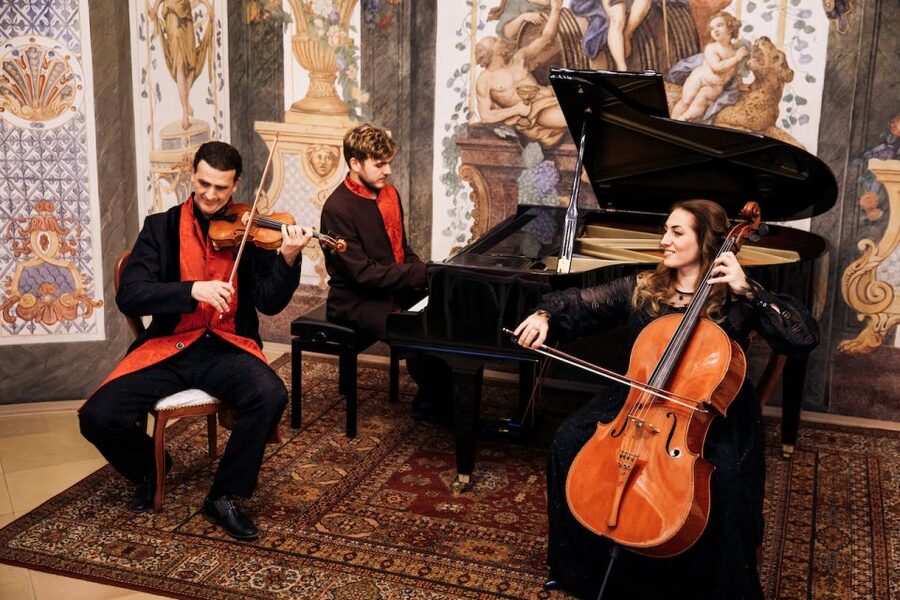
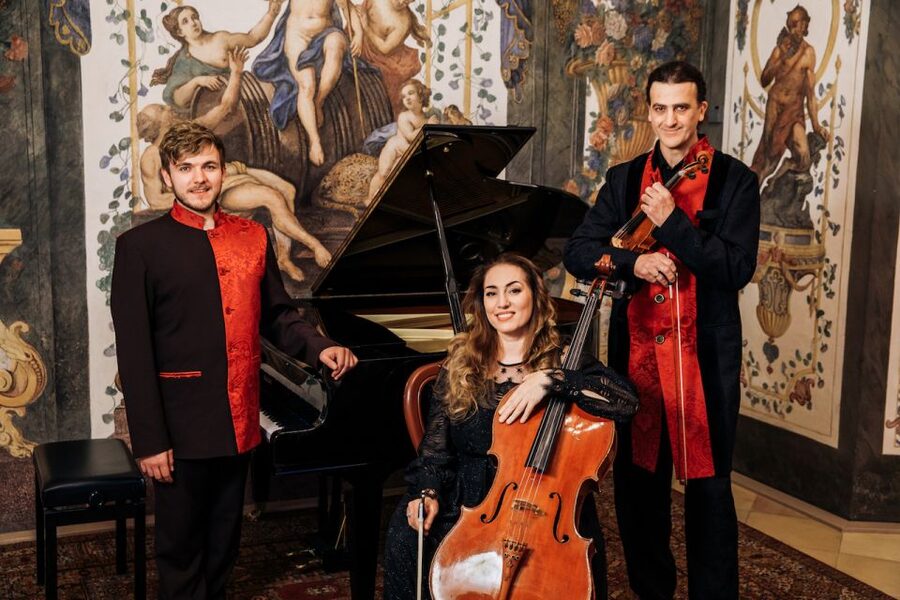
The real draw here is the intimate Sala Terrena, a frescoed room just 150 meters from St. Stephen’s Cathedral. This is not a grand concert hall where musicians disappear into the distance. You sit close to the performers and hear the detail in the strings, piano, and cello.
I like the strong program, which moves from Beethoven’s Moonlight Sonata and Liszt’s Un sospiro to Chopin, Bach, Saint-Saëns, Massenet, and Schubert. I also like the practical choice of seating, from student and back-row tickets to places nearer the performers. The possible snag is that refreshments are not included, and any break-time purchase outside may require cash.
Key points to know before booking
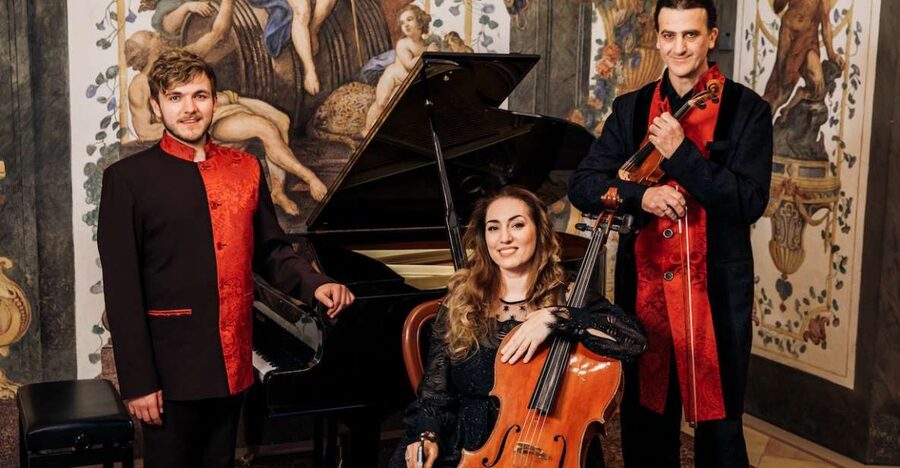
- The Sala Terrena is the star setting: Expect frescoes, close seating, and clear acoustics in a historic room near St. Stephen’s Cathedral.
- The music covers several moods: The 90-minute program moves from gentle lyricism to demanding virtuoso pieces.
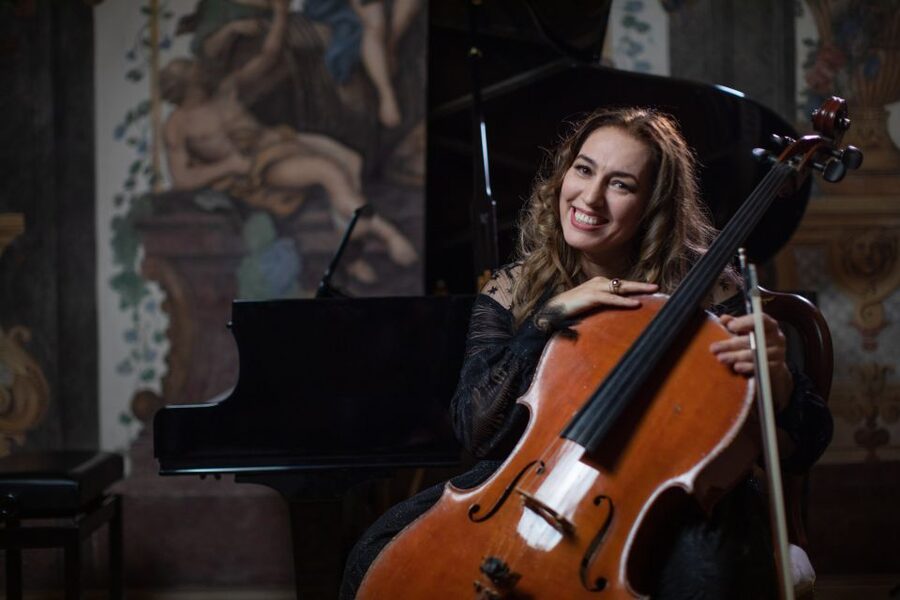
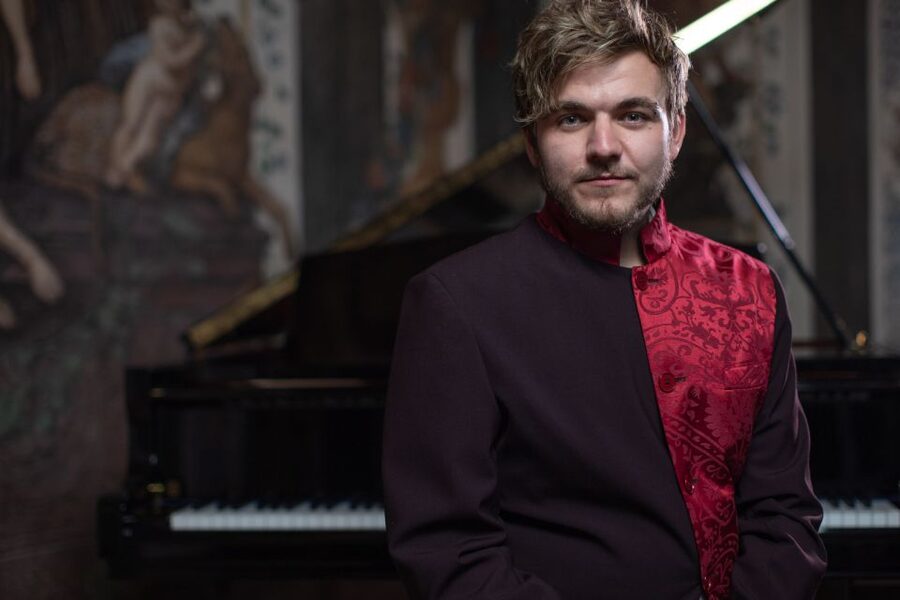
- Three named performers share the evening: Violinist Claudio Bentes, pianist Dushan Sretovic, and cellist Teodora Miteva are featured in the program.
- You can choose your seat level: Student, back-row, and closer-to-the-performers tickets are available.
- Arrive at the Deutschordenskirche gate: Look for the concert poster stand at the entrance, rather than searching for a separate modern concert hall.
- Plan around the lack of included drinks: Cloakroom service is included, but refreshments are not part of the ticket.
Why this small Vienna concert works
Vienna gives you many ways to hear classical music, from major opera performances to enormous concert venues. This concert takes a smaller, more personal route. Its room is part of the experience, and the compact setting lets you watch the musicians work rather than simply hear a distant sound.
The Sala Terrena is decorated with expressive frescoes, giving the evening more visual character than a plain recital room. The venue is also easy to fit into a sightseeing day. From St. Stephen’s Cathedral, you walk about 150 meters to the Deutschordenskirche entrance.
I would think of this as a focused evening activity, not a full theatrical production. You come for the music and atmosphere. There is no claim of a large orchestra, elaborate staging, or a meal. That is useful to know before you book, since the appeal lies in close-up chamber music.
The concert lasts 90 minutes. That is long enough for a substantial program without taking over your whole night. If you have dinner plans, an evening walk, or another Vienna activity arranged afterward, the timing is manageable. Check the selected starting time carefully, since the available times can vary.
More Piano Concerts in Vienna:
- Mozarthaus Concert in Vienna – Piano Trio
★ 4.5 · 43 reviews - Krakow: Chopin Piano Recital at Chopin Concert Hall
★ 4.7 · 2,330 reviews - Warsaw: Live Chopin Piano Concert
★ 4.7 · 370 reviews
Finding the entrance near St. Stephen’s Cathedral
The meeting point is at the gate of Deutschordenskirche. A poster stand for concerts at Mozarthaus helps identify the entrance. Since the venue is so close to St. Stephen’s Cathedral, it is simple to combine this concert with time around the cathedral and central Vienna.
I would arrive 15 minutes early. That gives you time to find the correct gate, check your coat, and settle into the room without turning the first piece into a musical treasure hunt. The entrance is not described as a separate large hall, so do not expect the kind of prominent theater frontage you might find at a major opera house.
The cloakroom is included, which is handy in Vienna’s colder months. Your coat will otherwise take up valuable space in a smaller seating area. The venue is wheelchair accessible, an important practical point for anyone who needs step-free access.
English and German assistance is available. The activity itself is suitable for an international audience, since the main event is instrumental music rather than a spoken performance.
The opening trio by Haydn
The program begins with Joseph Haydn’s Trio all’ungarese, Hob XV:25. Its listed sections include an Andante, a Poco Adagio, and a lively Rondo finale.
This is a smart opening because it introduces the three-instrument format before the program turns to solo works. Listen for the conversation among piano, violin, and cello rather than treating the trio as background music. The final Rondo gives the opening a more animated finish and helps establish the evening’s range.
Haydn also gives you useful context for the rest of the concert. His music has a clear structure and sense of balance, while later composers on the program push further into private feeling and dramatic color. You can hear the evening move from classical order toward the emotional force associated with the Romantic period.
Beethoven’s intimacy and force
Beethoven appears twice in the program, first with the Adagio from the Moonlight Sonata and then with the Allegro con brio from Sonata Op. 2.
The Moonlight Sonata selection is the quieter, inward-looking Beethoven. In a small room, the soft piano writing can feel especially exposed. You will hear why this piece is so closely associated with reflection and longing, though it is worth remembering that the nickname Moonlight Sonata was not Beethoven’s own title.
The Allegro con brio from Op. 2 brings a sharp change of character. Its energy and demanding piano writing provide a useful contrast to the slow sonata movement. Hearing both pieces in one concert lets you compare Beethoven’s restrained side with his more forceful, restless voice.
This pairing is one of the program’s strongest choices. It avoids presenting Beethoven as a single solemn figure. Instead, you get two very different kinds of intensity within the same 90-minute performance.
A few more concerts around Vienna worth a look
- Vienna: Vivaldi’s Four Seasons Concert in Karlskirche
★ 4.7 · 14,951 reviews - Vienna: Classical Concert in the World-Famous Musikverein
★ 4.6 · 6,673 reviews - Vienna: Mozart Concert at the Musikverein – Golden Hall
★ 4.6 · 5,194 reviews - Vienna: Classical Concert in St. Anne’s Church (Annakirche)
★ 4.6 · 3,414 reviews
Mozart, Liszt, and Chopin bring the romance
Mozart’s La tartine de beurre, also known as Das Butterbrot, adds a brief and playful touch. It is a lighter item amid more serious works, giving the program some breathing room. The title refers to buttered bread, so this is not Mozart at his grandest or most dramatic. That change of scale can be welcome.
Liszt’s Un sospiro follows the emotional path suggested by the concert title. It is a demanding piano piece, known for its flowing lines and delicate control. The title means A Sigh, and the piece gives the pianist a chance to shape long musical phrases rather than simply display speed.
Chopin receives two contrasting selections. The Nocturne in C minor, Op. 48 No. 1, offers dark, expressive piano writing. His Étude Op. 10 No. 1 in C major is more overtly virtuosic, with wide-spanning arpeggios that test the pianist’s reach and control.
Pianist Dushan Sretovic is presented as an award-winning performer who regularly appears on international stages, with Chopin as a particular strength. That makes the two Chopin selections more than decorative additions. They are a central test of the pianist’s ability to combine technical command with feeling.
If Chopin is the main reason you are considering this concert, the program gives you both sides of him: the private, singing nocturne and the athletic étude.
Bach and Paganini sharpen the contrast
The solo portion continues with Bach’s Cello Suite in G Major, BWV 1007, specifically the Allegro. This brings the cello into focus and strips the sound back to a single melodic line. The piece is familiar to many classical listeners, but hearing it in a small room can draw attention to phrasing, rhythm, and the natural resonance of the instrument.
Paganini’s Caprice No. 13 shifts the spotlight to the violin. Paganini’s caprices are built around technical challenges, so this selection supplies a clear display of violin skill. It also keeps the program from becoming too uniformly soft or sentimental.
Violinist Claudio Bentes is named as one of the featured performers. The choice of Paganini gives him a chance to show a more athletic side, while the later Massenet selection points toward a smoother, more lyrical sound.
These solo works matter because they break up the trio and piano-centered portions of the program. You are not listening to one texture for 90 minutes. The focus moves from ensemble interplay to the individual voice of the cello, violin, and piano.
Saint-Saëns and Massenet slow the pace
Saint-Saëns’ The Swan is one of the program’s most recognizable lyrical pieces. Its long, floating melody offers a calm pause after Paganini’s sharper technical demands. The work is closely associated with the cello, so it is a natural fit for the featured cellist, Teodora Miteva.
Miteva is described as an outstanding soloist with numerous international competition wins. The program gives her both a gentle showcase in The Swan and a more substantial Bach solo earlier in the evening. That creates a useful comparison between the cello’s singing quality and its more structured, rhythmic side.
Massenet’s Thaïs Meditation adds another famous violin-centered melody. It is graceful and tender, with a line that asks the performer to sustain emotion without overplaying it. After the muscular virtuosity of Paganini, this selection lets the violin sound warm and unhurried.
These pieces are likely to appeal to you if you prefer melody over musical fireworks. They also help the concert keep a romantic tone without making every selection sound alike.
Schubert closes with a thoughtful trio
The final listed work is Schubert’s Trio in E-flat Major, Op. 100, specifically the Andante con moto. This is a substantial closing choice, and its slow movement is one of Schubert’s most admired pieces.
The music carries a wide emotional range. It can sound tender, restless, and almost grave within the same movement. With piano, violin, and cello together again, the concert returns to the ensemble sound introduced by Haydn.
Ending with Schubert makes the program feel rounded. You begin with a classical-era trio, travel through Beethoven, Mozart, Liszt, Chopin, Bach, Paganini, Saint-Saëns, and Massenet, then finish with a deeply expressive Romantic-era trio. The final selection is not simply a quick encore-style goodbye. It gives the evening room to settle.
Seats, sound, and the small-room tradeoff
You can choose among student tickets, back-row tickets, and seats closer to the performers. The best value depends on what you want from the night.
A closer seat makes sense if you enjoy watching bow control, fingerwork, and the communication among the musicians. It can also make the experience feel more personal. A back-row ticket may suit you if you mainly want the music and prefer a little more distance. Student pricing is useful for eligible visitors keeping a close eye on costs.
The venue is relatively small, but that is part of the appeal rather than an automatic weakness. Clear acoustics let you hear individual notes and musical exchanges. The tradeoff is that a small room offers less visual grandeur than a large concert hall, and your view may depend more on the exact seat you select.
The choice between close and back-row seating matters less for sheer sound than it does for sightlines and atmosphere. If watching the performers is important to you, pay the extra amount for a nearer seat when available.
Is $69 a fair price?
At $69 per person, this is not the cheapest way to hear classical music in Vienna. It can still be fair value if you want a central location, a 90-minute program, a historic frescoed room, and several recognized composers in one sitting.
The ticket includes the concert and cloakroom service. It does not include refreshments. A break-time drink may be available for separate purchase outside, but you should be ready to pay cash, and signage for the toilets and refreshment area may not be especially clear.
That detail matters because some concert packages quietly add a drink or make the evening feel like a social event. This one does not. I would eat beforehand or make separate plans rather than expecting a concert-and-refreshment package.
The value improves if you choose this instead of a more expensive formal performance and care about a short, close-up setting. It is less compelling if your top priority is a full orchestra, opera, or a grand production. Those are simply different kinds of Vienna evenings.
Who will enjoy this concert most?
I would recommend it to you if you want classical music without committing an entire night. It also suits first-time concertgoers who recognize the famous melodies but do not want a long lecture or complex format.
Chopin fans have a particularly good reason to book because the program includes both a nocturne and a demanding étude, and Dushan Sretovic is highlighted for his Chopin interpretations. You will also find plenty for fans of Beethoven, with two works that show very different moods.
The concert works well for couples, solo visitors, and anyone looking for a quiet central-Vienna activity. The romantic label is not just a marketing hint: Liszt, Chopin, Schubert, Massenet, and Saint-Saëns all bring expressive, intimate music to the evening.
I would pause before booking if you need included drinks, a highly visible theater entrance, or a large-scale orchestral sound. Also, if you strongly dislike seated events in smaller rooms, choose your ticket category carefully rather than assuming every seat feels the same.
My booking advice
Book this concert if the combination of frescoed surroundings, close seating, and familiar classical works sounds better to you than a grand hall. Arrive 15 minutes early at the Deutschordenskirche gate, look for the Mozarthaus concert poster stand, and plan refreshments separately.
The flexible cancellation policy also helps: you can cancel up to 24 hours before the concert for a full refund, and reserve now while paying later. At $69, I see it as a solid choice for a compact Vienna music experience, especially for Chopin, Beethoven, and chamber-music fans.
FAQ
How long does the concert last?
The concert lasts 90 minutes.
Where is the concert held?
The concert takes place in the Sala Terrena at Deutschordenskirche, about 150 meters from St. Stephen’s Cathedral in Vienna.
Where should I go for the meeting point?
Enter through the Deutschordenskirche gate. You will find a poster stand for concerts at Mozarthaus there.
How early should I arrive?
You should arrive 15 minutes before the concert starts.
Which composers are included?
The program includes Haydn, Beethoven, Mozart, Liszt, Chopin, Bach, Paganini, Saint-Saëns, Massenet, and Schubert.
Can I choose my seat?
Yes. Available ticket categories include student tickets, back-row tickets, and tickets closer to the performers.
Is the venue wheelchair accessible?
Yes, the venue is wheelchair accessible.
Just added around Vienna
- Vienna: Concert by the Vienna Baroque Orchestra★ 4.6 · 56 reviews
- Vienna’s Musical Heart: Private Walking Tour with a Local★ 5.0 · 2 reviews
- Vienna: Strauss Museum – Music&History in Historic 1837 Hall★ 4.7 · 31 reviews
- Vienna Supreme Orchestra at Palais Niederösterreich★ 4.8 · 10 reviews
- Vienna: Sunday Brunch Danube Cruise & Live Music★ 4.2 · 42 reviews
- Vienna Private Walking Tour including State Opera★ 3.2 · 7 reviews
- Vienna: Mozart, Beethoven, & Strauss Private Tour★ 5.0 · 4 reviews
- Vienna: Private Music Tour★ 5.0 · 8 reviews
Vienna Concerts, compared.
Vienna: Vivaldi’s Four Seasons Concert in Karlskirche
Read our review →
Vienna: Mozart Concert at the Musikverein – Golden Hall
Read our review →
Vienna: Classical Concert in St. Anne’s Church (Annakirche)
Read our review →
Vienna: Mozart and Strauss Concert at Schönbrunn
Read our review →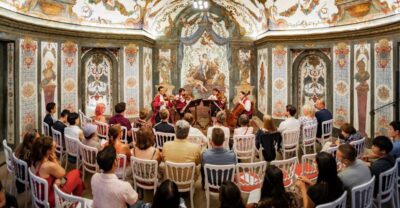
Vienna: Tickets for Mozarthaus Vienna with Audio Guide
Read our review →
Vienna Classical Concert at St. Peter’s Church
Read our review →Vienna: Classical Concert in St. Anne’s Church (Annakirche)
Read our review →Browse the lists this tour appears in