
Review · VIENNA
Vienna: Mozart Private Guided Tour
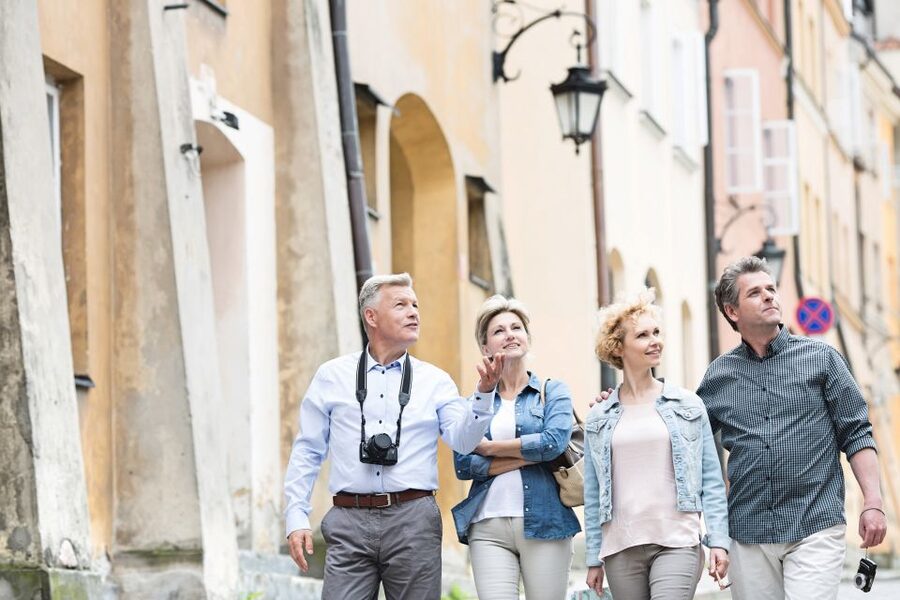
Mozart’s Vienna comes alive best when you connect the music to actual places. This private walk takes you into Mozart’s House, then leads through the Old Town to St. Stephen’s Cathedral, Stephansplatz, the Pest Column, and the Hofburg. I like the clear musical thread, and I like that your guide can shape the pace for your own group.
I also like the choice between a focused two-hour walk and a three-hour version with an evening concert. The main caution is that concert venues and start times vary, and the concert is not part of the two-hour option. At $258 per person, this is a serious spend, so it makes the most sense if Mozart and classical music are central to your Vienna plans.
Key points to know before booking
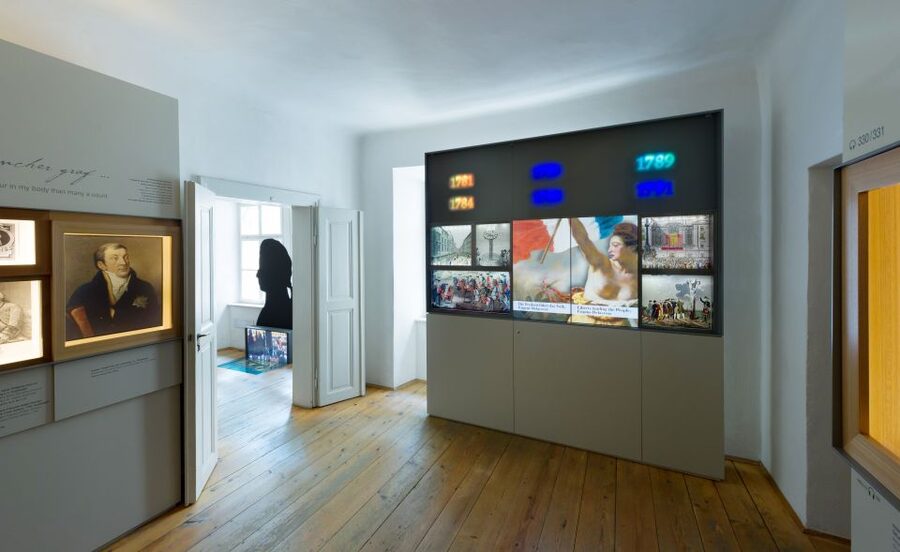
- Mozart’s House is the main indoor stop: Explore a 1,000-square-meter museum covering his life, work, and former living space.
- The route links music with major sights: See St. Stephen’s Cathedral, Stephansplatz, the Pest Column, the Hofburg, the Vienna Opera House, and other music-related places.
- The private format gives you room to ask questions: Guides include Anna, Thomas, and Bibiane among the named guides praised for their storytelling and subject knowledge.
- The concert is available only with the three-hour option: Expect music by Mozart, Beethoven, Strauss, or Schubert in a cathedral, church, opera house, or concert hall.
- The tour begins near Herrengasse station: Meet in front of Raiffeisenlandesbank, about three minutes from the U3 metro stop.
- Timing needs attention: Concerts generally begin between 5:30 pm and 8 pm, with the exact venue and time sent by email.
Following Mozart through Vienna’s Old Town

Vienna calls itself the City of Music for good reason, and this tour gives you a useful introduction without treating music as a dusty museum subject. Your guide explains how composers shaped Vienna and how the city shaped their careers, then connects those ideas to the streets around you.
The walk lasts about two hours. That is enough time for a focused introduction, though not enough for every Mozart address in Vienna. You will spend much of the time in the Old Town, where the grand sights are close together and the route can feel like one continuous story rather than a string of unrelated stops.
The private format matters here. A group guide can deliver facts, but a private guide can pause when you want more detail about a piece of music, Mozart’s working life, or the role of the church and court in Vienna’s musical culture. The available languages include English, German, Russian, Italian, Spanish, French, Polish, Chinese, Portuguese, Japanese, Croatian, and Arabic.
Guides named in the experience include Anna, Thomas, and Bibiane. Anna is described as a historian with a strong command of Vienna’s Old Town and Mozart’s story. Thomas is noted for explaining interesting facts and controversies surrounding Mozart. Bibiane brings more than 20 years of guiding experience, according to the information provided. Your assigned guide may be different, but these details give you a good idea of the tour’s intended style: historical, conversational, and centered on context.
More Classical Concerts in Austria
- Vienna: Vivaldi’s Four Seasons Concert in Karlskirche
★ 4.7 · 14,951 reviews - Vienna: Classical Concert in the World-Famous Musikverein
★ 4.6 · 6,673 reviews - Vienna: Mozart Concert at the Musikverein – Golden Hall
★ 4.6 · 5,194 reviews
Inside Mozart’s House on Domgasse
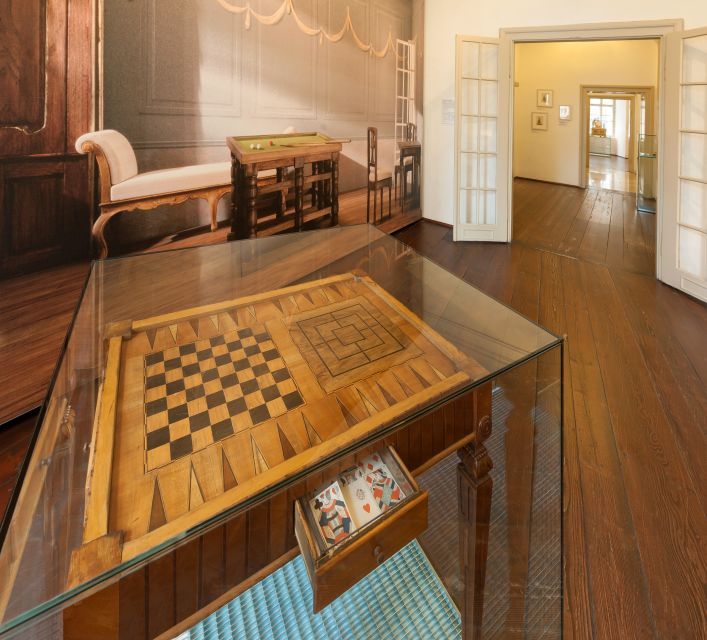
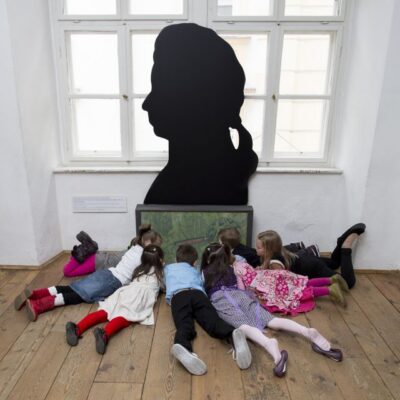
The key indoor stop is Mozart’s House, a museum occupying about 1,000 square meters. It is more than a quick look at a preserved apartment. The displays also cover major works by Mozart and offer a broader picture of his life and music.
This is where the tour gains its strongest sense of place. Mozart can seem like a distant name attached to famous melodies. Inside the house, your guide helps connect the composer to a real address, a real city, and the social world in which he worked.
The museum is especially useful if you know the music but not the person. You can expect material about his life, his work, and the way his career fitted into Vienna’s culture. The tour does not simply drop you at the entrance and leave you to read labels. Entrance is included, and your music-history guide interprets what you are seeing.
I would allow yourself to listen carefully here rather than rush through the rooms. The house is the most substantial stop on the route, and it carries more weight than a photo stop outside a plaque. If your main goal is to see every major Mozart site in Vienna, this tour will not replace a longer self-guided project. If you want one strong museum visit paired with a city walk, it is a sensible choice.
St. Stephen’s Cathedral and Mozart’s wedding
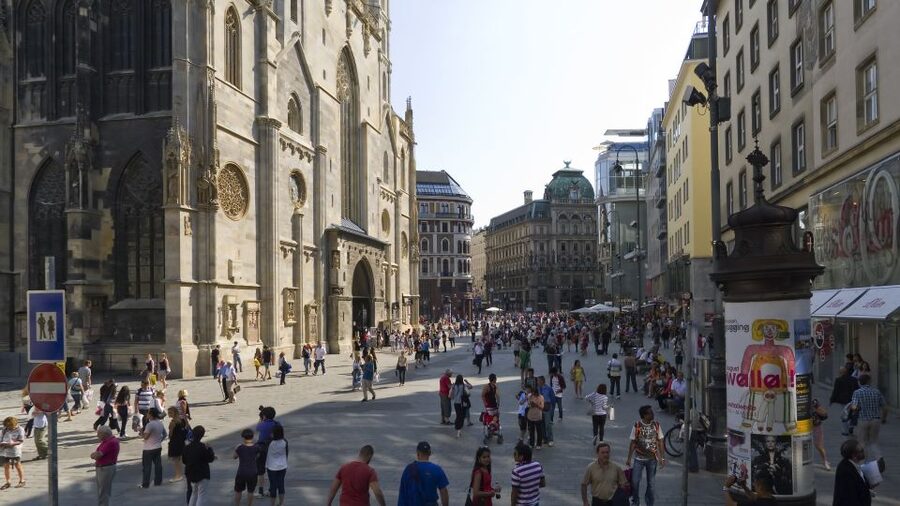
After Mozart’s House, the route moves into the open streets around St. Stephen’s Cathedral. The cathedral is one of Vienna’s essential sights, but on this tour you see it through a musical and personal connection: Mozart was married there.
That detail changes the stop. Instead of simply admiring the cathedral as a grand Gothic building, you are asked to place a major event in Mozart’s life within Vienna’s religious and civic center. The guide also explains how churches and formal venues helped shape the city’s music culture.
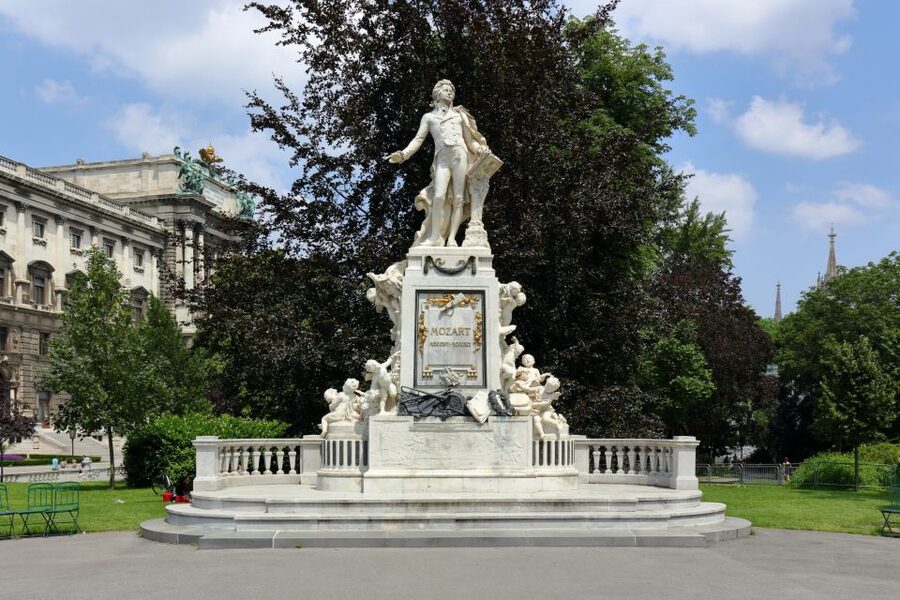
Stephansplatz gives the tour room to breathe. It is a good place to connect the cathedral with the surrounding streets and the city’s wider story. The Pest Column and the Hofburg also appear along the route, giving you a useful introduction to central Vienna beyond Mozart alone.
The Vienna Opera House and other historic music venues are part of the advertised musical trail, though the exact walking sequence may depend on the guide and the pace of your private group. You should think of these locations as part of a guided overview rather than a series of interior visits. The main included museum entrance is Mozart’s House, not a full tour of every music building on the route.
What the private guide adds
A private tour works best when you use it actively. Ask your guide to explain Mozart’s place in Vienna, the controversies around his life, or how classical music affected the city’s culture. Thomas, one of the guides named in the experience, is specifically noted for discussing disputed points and less familiar details about Mozart.
That sort of conversation is the main reason to choose private guiding over a large scheduled group. You are not limited to a fixed script or a broad introductory talk. You can spend more time at a place that catches your interest, within the overall two-hour schedule.
The language choice is another practical advantage. You can book a guide in one of the many listed languages, including English, German, Italian, Spanish, French, and several others. Check the language carefully at booking, since the guide is intended to be fluent in the language selected.
This is also a useful first or second activity in Vienna. As a first look, it helps you understand the Old Town’s major landmarks. As a second-day tour, it lets you revisit familiar places with a narrower focus on Mozart and music.
More Classical Concerts in Vienna
- Vienna: Classical Concert in St. Anne’s Church (Annakirche)
★ 4.6 · 3,414 reviews - Vienna: Mozart and Strauss Concert at Schönbrunn
★ 4.5 · 2,967 reviews - Vienna: Classical Concert at Mozart’s First House
2,423 reviews - Vienna Classical Concert at St. Peter’s Church
★ 4.5 · 2,039 reviews
Adding the evening concert
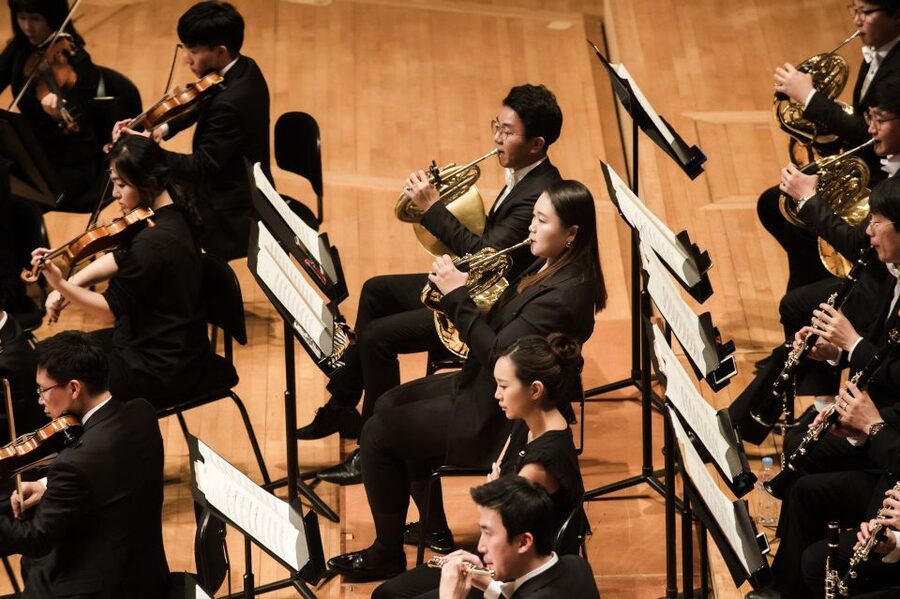
The three-hour option adds an evening classical concert. This is not simply an extra few minutes tacked onto the walking tour. The concert takes place later in the day, after the city walk, and is a separate evening activity.
The venue may be a cathedral, church, opera house, or concert hall. The exact location depends on availability for your group, the date, the time, and the size of the booking. Concerts usually begin between 5:30 pm and 8 pm, and the precise time and address arrive by email attachment.
You may hear works by Mozart, Beethoven, Strauss, or Schubert. That broader program is worth noting. The tour is centered on Mozart, but the concert is not limited to Mozart alone. If you want only Mozart, check the program information on the ticket before making assumptions.
The concert is the part that can turn a good history walk into a complete evening. You first learn about the city’s musical culture, then hear the music in a formal setting. One of the named experiences took place in a charming venue and was described as the highlight of the tour. That makes sense, but keep your expectations practical: the listing does not promise one fixed concert hall, orchestra, or program.
The three-hour package includes concert tickets. The two-hour option does not. With the shorter option, you would need to arrange an evening concert separately if you want one. Do not assume that choosing the walking tour automatically reserves seats for later that night.
Is $258 per person good value?
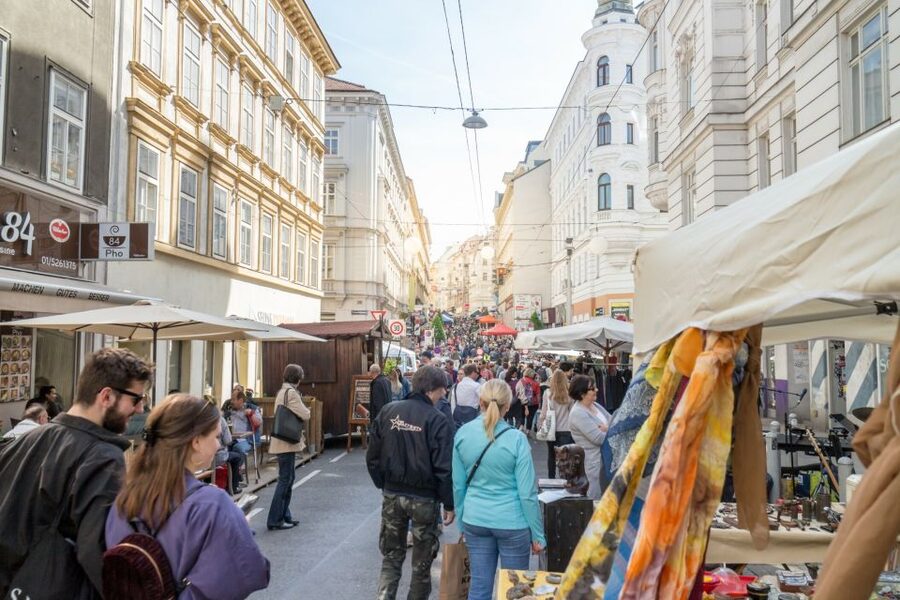
At $258 per person, this is not a budget walk. The value depends on how much you want the private guide and the concert connection.
For the two-hour option, you are paying mainly for a private music-history guide and admission to Mozart’s House. That can be worthwhile for a couple or small group that wants personal attention, a chosen language, and a focused introduction rather than a general city tour. It is harder to justify if you only want to see the exterior of Mozart’s home and a few central landmarks.
The three-hour option is easier to assess if the concert matters to you. It combines the private walk, museum entrance, and evening concert tickets. You avoid arranging the concert on your own, though the venue and program are selected according to availability rather than chosen from one fixed theater.
If your group has several people, compare the total cost with separate museum admission, a regular walking tour, and concert seats. A private tour often becomes more reasonable when the cost is divided among a small group. Solo visitors should think harder about the price, especially if the concert program is less important than the historical walk.
I would also treat the timing as part of the value calculation. A concert beginning at 5:30 pm may require you to organize dinner around it. A later start may fit better after the tour, but you will not know the exact venue and time until the ticket information arrives.
Practical details for a smooth outing
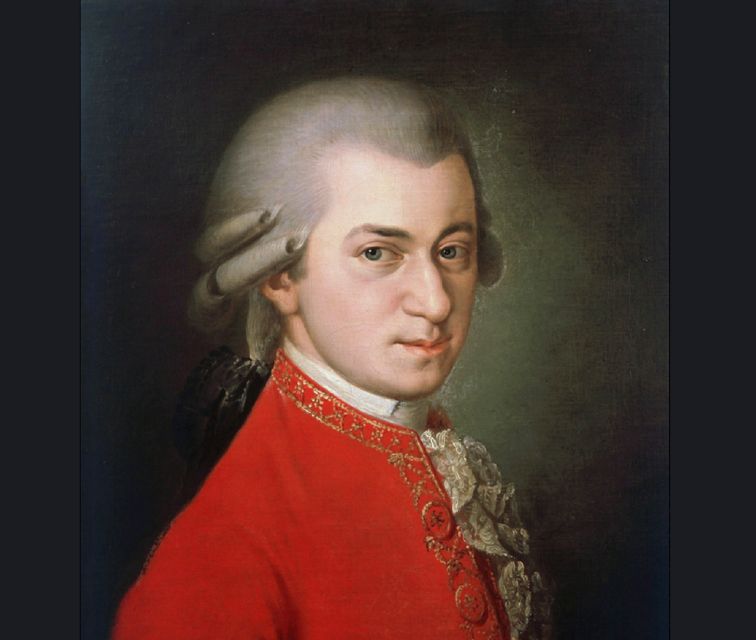
The meeting point is in front of Raiffeisenlandesbank, about three minutes from Herrengasse station on Vienna’s U3 metro line. Use the exact meeting instructions and coordinates provided with your booking, and check your email the day before for updates.
The experience is wheelchair accessible. The route is a walking tour through the Old Town, so you should still consider your comfort with city streets and the length of time on foot. The activity lasts two to three hours, depending on the option selected.
The tour offers free cancellation up to 24 hours before the start time. You can also reserve now and pay later, which helps if your Vienna plans are still changing. Those policies are useful, but the more important practical step is checking the concert email. The evening venue may not be the same from one date to another.
Since the group is private, you can ask for the pace that suits you. You should still arrive ready to begin on time, especially if your tour is connected with an evening concert. A late start on the walking portion could make the concert schedule harder to manage.
Who will enjoy this Mozart tour most?
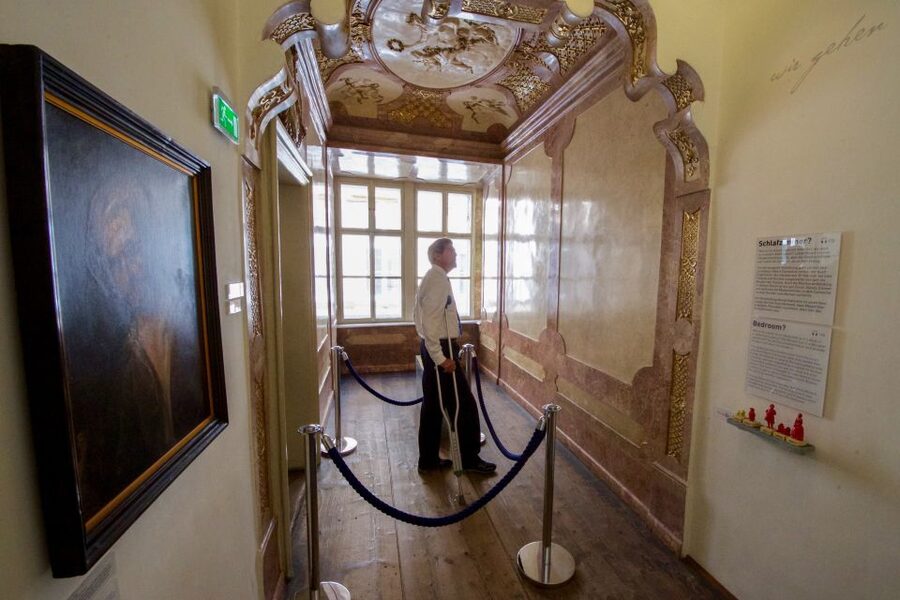
I would recommend this experience to a classical music fan who wants more than a concert ticket. The walk gives you a setting for the music, and the concert gives you a chance to hear it after learning about Mozart and Vienna.
It also suits first-time visitors who want a short introduction to the Old Town with a clear theme. You see major landmarks such as St. Stephen’s Cathedral, Stephansplatz, the Pest Column, and the Hofburg while learning why music mattered so much to the city.
History-minded visitors may appreciate the guide more than the concert itself. Anna, Thomas, and Bibiane are presented as guides who can add historical context, discuss Mozart’s controversies, and explain the places connected with his life.
I would be more cautious if you want a full Mozart pilgrimage, a long museum visit, or a guaranteed performance by a specific orchestra in a specific hall. The tour gives you a well-focused introduction, not an exhaustive study of Mozart or a fixed concert production.
Should you book it?
Book this tour if you want Vienna’s major Old Town sights tied to Mozart’s life, and if a private guide sounds more useful than a standard group walk. The two-hour version is the better choice for a compact historical introduction.
Choose the three-hour option if you want the evening concert handled as part of the experience. Just remember that the venue and start time vary, and the music may include Beethoven, Strauss, or Schubert as well as Mozart.
For a music lover, the combination is appealing: a real Mozart address, the cathedral where he married, the streets of central Vienna, and live classical music later that day. For anyone watching the budget, compare the cost with arranging the museum and concert separately. This tour earns its price through the private attention and the complete music theme, not through a long list of included attractions.
FAQ
How long does the Mozart tour last?
The walking tour lasts two hours. A three-hour option adds an evening classical concert as a separate part of the experience.
Is Mozart’s House included?
Yes. Entrance to Mozart’s House is included, and the museum covers about 1,000 square meters of Mozart’s life, work, and former living space.
Is the concert included in the two-hour option?
No. Concert tickets are included only with the three-hour option. The concert takes place in the evening after the walking tour.
Where does the tour meet?
Meet your guide in front of Raiffeisenlandesbank, about three minutes from Herrengasse metro station on line U3.
Which landmarks are included on the walking route?
The route includes Mozart’s House and sights such as St. Stephen’s Cathedral, Stephansplatz, the Pest Column, the Hofburg, the Vienna Opera House, and other music-related places.
Where does the evening concert take place?
The concert may take place in a cathedral, church, opera house, or concert hall in Vienna. The exact location is sent with your ticket by email.
What time do the concerts begin?
Concerts usually begin between 5:30 pm and 8 pm. Your ticket email provides the exact start time.
Which languages are available for the guide?
Guides are available in English, German, Russian, Italian, Spanish, French, Polish, Chinese, Portuguese, Japanese, Croatian, and Arabic.
Can I cancel the tour?
Yes. You can cancel up to 24 hours in advance for a full refund. Reserve now and pay later is also available.
Just added around Vienna
- Vienna’s Musical Heart: Private Walking Tour with a Local★ 5.0 · 2 reviews
- Vienna: Concert by the Vienna Baroque Orchestra★ 4.6 · 56 reviews
- Vienna: Strauss Museum – Music&History in Historic 1837 Hall★ 4.7 · 31 reviews
- Vienna Supreme Orchestra at Palais Niederösterreich★ 4.8 · 10 reviews
- Vienna: Sunday Brunch Danube Cruise & Live Music★ 4.2 · 42 reviews
- Vienna Private Walking Tour including State Opera★ 3.2 · 7 reviews
- Vienna: Romantic Classics Piano, Violin, and Cello Concert★ 4.7 · 60 reviews
- Vienna: Mozart, Beethoven, & Strauss Private Tour★ 5.0 · 4 reviews
Vienna Concerts, compared.
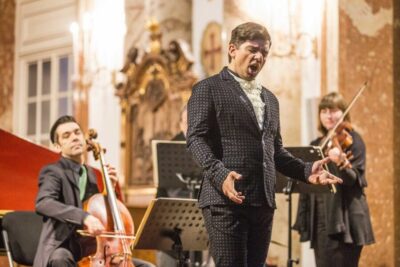
Vienna: Vivaldi’s Four Seasons Concert in Karlskirche
Read our review →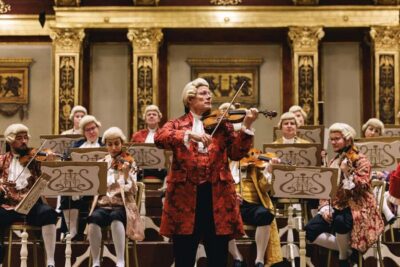
Vienna: Mozart Concert at the Musikverein – Golden Hall
Read our review →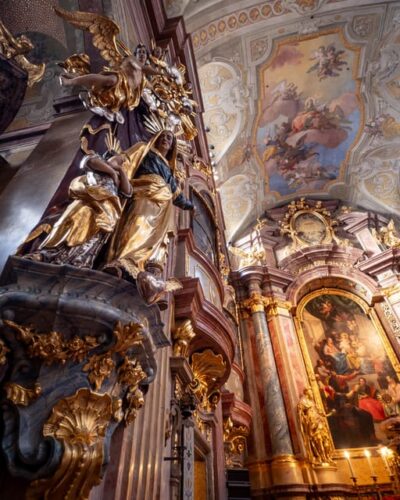
Vienna: Classical Concert in St. Anne’s Church (Annakirche)
Read our review →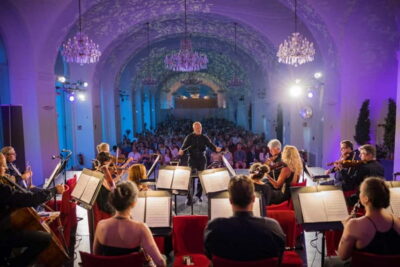
Vienna: Mozart and Strauss Concert at Schönbrunn
Read our review →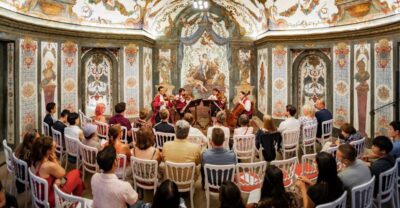
Vienna: Tickets for Mozarthaus Vienna with Audio Guide
Read our review →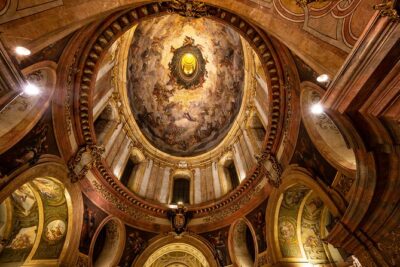
Vienna Classical Concert at St. Peter’s Church
Read our review →Vienna: Classical Concert in St. Anne’s Church (Annakirche)
Read our review →Browse the lists this tour appears in