
Review · VIENNA
Vienna: Johann Strauss – Immersive Audiovisual Experience Ticket
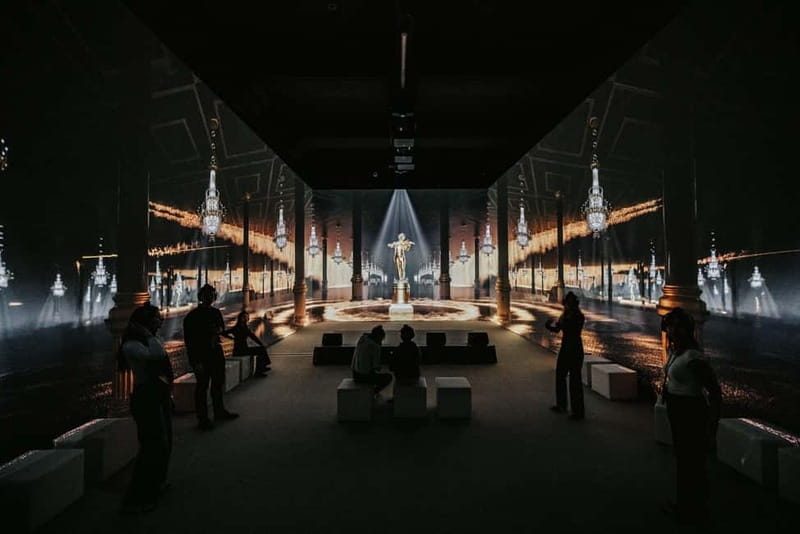
The cleverest part of this Vienna experience is its location-based 3D audio. Your headphones track where you are, so music and narration follow you as you move through rooms filled with projections, animations, and interactive displays. You are not standing in front of one long wall of text. You are moving through a modern portrait of Johann Strauss, the 19th-century composer treated here as Vienna’s first pop star.
I like two things right away: the composing machine lets you create a waltz and take home personalized sheet music, and the mix of sound, images, and movement gives museum-shy visitors a reason to stay engaged. The main consideration is the headphones. All the content is delivered through a large headset, and anyone prone to motion sickness may find the audiovisual effects uncomfortable.
Key points at a glance
- High-precision 3D sound: Your headphones use location technology to adjust the audio as you move.
- A hands-on Strauss experience: Interactive stations explain his life and music without relying only on display cases and labels.
- Create your own waltz: The composing machine lets you produce a personal musical souvenir.
- A personal Johann Strauss photo: Use the photo booth and have the image printed on the spot.
- About 75 minutes indoors: The visit works well as a compact cultural stop in Vienna.
- Good language coverage: Audio is available in Chinese, English, French, German, Italian, Japanese, Korean, and Spanish.
Meeting Johann Strauss as Vienna’s first pop star
The museum’s central idea is simple and effective: Johann Strauss was not merely a composer whose music now fills concert halls. In his own day, he was a public figure with a broad audience, a recognizable name, and music that people wanted to hear and dance to.
That framing helps if you know little about Strauss. You do not need a background in classical music to follow the experience. The displays connect important moments in his life with the melodies that made him famous, giving you enough context to understand why the waltz mattered to Vienna.
I like this approach because it makes the subject less formal. You are not expected to behave as if you have entered a silent archive. The visit uses images, music, animation, and movement to show how Strauss’s work shaped the public culture of Vienna.
The museum also works for people who already know his music. Familiar melodies appear in new settings, and the interactive format gives you a chance to think about the sound itself rather than simply hearing it in the background at a concert or café.
More Classical Concerts in Austria
- Vienna: Vivaldi’s Four Seasons Concert in Karlskirche
★ 4.7 · 14,951 reviews - Vienna: Classical Concert in the World-Famous Musikverein
★ 4.6 · 6,673 reviews - Vienna: Mozart Concert at the Musikverein – Golden Hall
★ 4.6 · 5,194 reviews
The first rooms: a guided route through Strauss’s life
Your visit begins at Johann Strauss Museum, New Dimensions, and stays at that meeting point throughout. A host or greeter is available in German and English, while the audio guide offers eight language choices.
Once you receive the headphones, the route becomes self-guided. That matters because you can move at your own pace instead of waiting for a large group to gather. The audio system is designed to locate the headset in real time, so the narration and sound can respond to your position in the room.
The early sections focus on Strauss’s life and major stages of his career. Expect interactive exhibits rather than a traditional sequence of framed documents. Multimedia stations use animations and recorded material to connect the man, the music, and the period in which he lived.
The benefit is clarity. You can explore a subject in small pieces, then move on when you are ready. The drawback is that the presentation may feel less suited to someone who wants a quiet, object-focused museum with long written explanations.
If you find standard museums slow or hard to concentrate on, this format may help. The mix of movement, music, and short interactive elements keeps changing what you are doing. It is especially useful for families and for visitors who want cultural context without spending half a day in one building.
Moving through the rooms with 3D sound
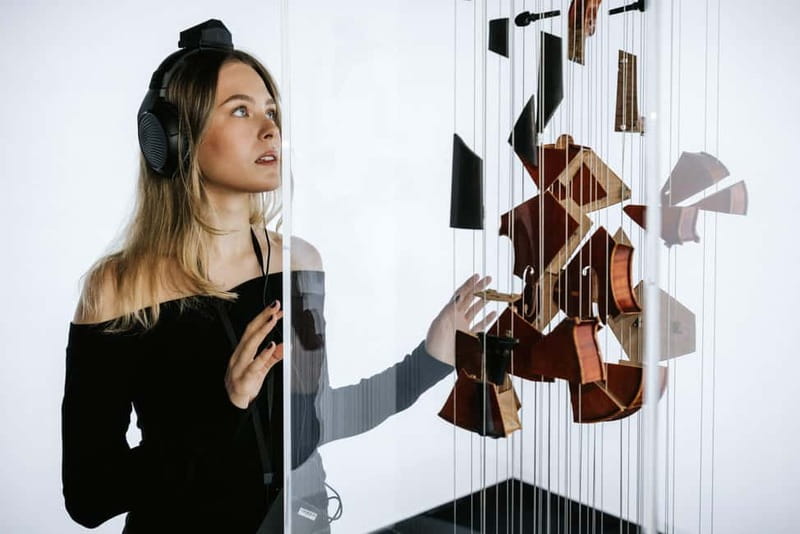
The audio system is the defining feature of the visit. Instead of a basic handset that plays the same track wherever you stand, the museum uses high-precision location technology. Your headset knows where you are and helps create the sense that sound belongs to the space around you.
This gives you more freedom to move. You are not tied to a numbered point on the floor or forced to stand beside one display until a recording ends. You can shift your position, look around, and let the audio guide direct your attention.
The large headphones are also the clearest practical issue. They deliver the full experience, but you need to be comfortable wearing them for much of the 75 minutes. The sound is not an optional extra. It is the main way the museum tells its story.
The visual effects may also affect how comfortable you feel. The experience is not recommended for people with motion sickness. If you are sensitive to projected movement or audiovisual effects, keep that in mind before paying for a ticket.
For most visitors, the headset makes the experience more active and less passive. You are not simply listening to a recording while looking at objects. The sound helps connect each room, and the technology supports the museum’s goal of making Strauss’s music feel present rather than distant.
Interactive displays that bring the music forward
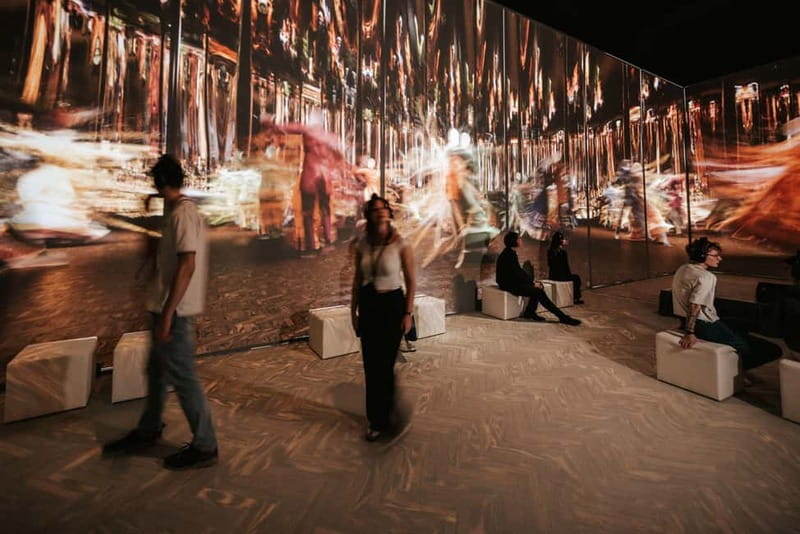
The middle portion of the visit uses interactive displays and multimedia stations to explain Strauss’s work. These sections show how melodies, performances, and public life fit together.
I appreciate that the experience does not require you to recognize every composition. The content is built for both classical-music fans and curious visitors who simply want to understand Vienna’s musical identity. You can listen, watch animations, and interact with the displays without needing specialist knowledge.
The interactive design also gives the visit a social quality. You have something to do with your hands and attention, rather than reading one label after another. That can make the museum a better choice for an afternoon when you want culture but not another conventional gallery.
Do not expect a full concert. This is an exhibition about Strauss, not a seated performance by a live orchestra. The music supports the story and the audiovisual scenes. If your main aim is to hear a complete concert program, you should choose a separate Viennese concert instead.
The museum is strongest when it combines information with atmosphere. It gives you a sense of Strauss’s public image and musical reach, then uses technology to translate those ideas into an experience you can physically move through.
More Classical Concerts in Vienna
- Vienna: Classical Concert in St. Anne’s Church (Annakirche)
★ 4.6 · 3,414 reviews - Vienna: Mozart and Strauss Concert at Schönbrunn
★ 4.5 · 2,967 reviews - Vienna: Classical Concert at Mozart’s First House
2,423 reviews - Vienna Classical Concert at St. Peter’s Church
★ 4.5 · 2,039 reviews
The final room and the most memorable visual scene
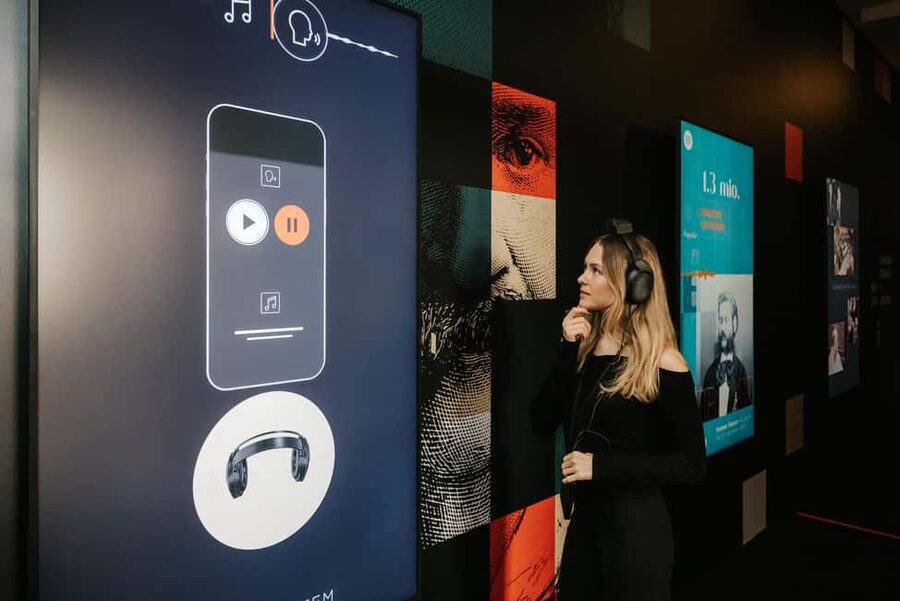
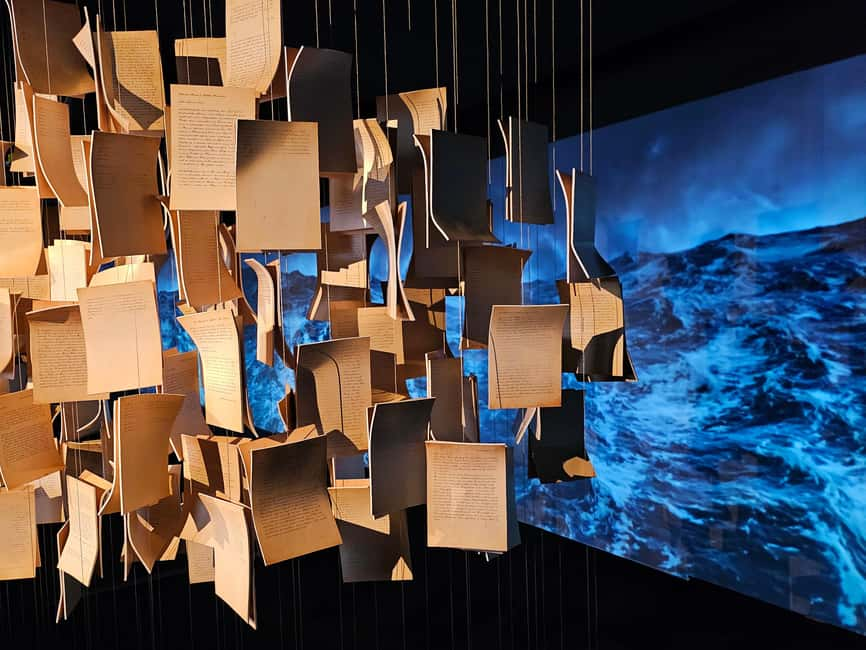
The last room is likely to be the high point for visitors who respond to large audiovisual settings. The museum saves one of its most dramatic scenarios for the end, giving the visit a clear finish rather than letting the final section fade into another display.
You can expect projections, sound, and historical references to come together here. The aim is not simply to show you one more fact about Strauss. It is to place you inside a musical world shaped by his compositions and by Vienna’s fascination with the waltz.
This part may be especially effective for anyone whose attention benefits from strong visual changes. It gives the experience a sense of scale after the more focused interactive stations.
At the same time, the final room is where the format may feel most intense. If you prefer still spaces and low sensory stimulation, you may find the projections and audio tiring. The museum gives you a modern presentation, not a hushed historical interior.
Compose a waltz you can take home
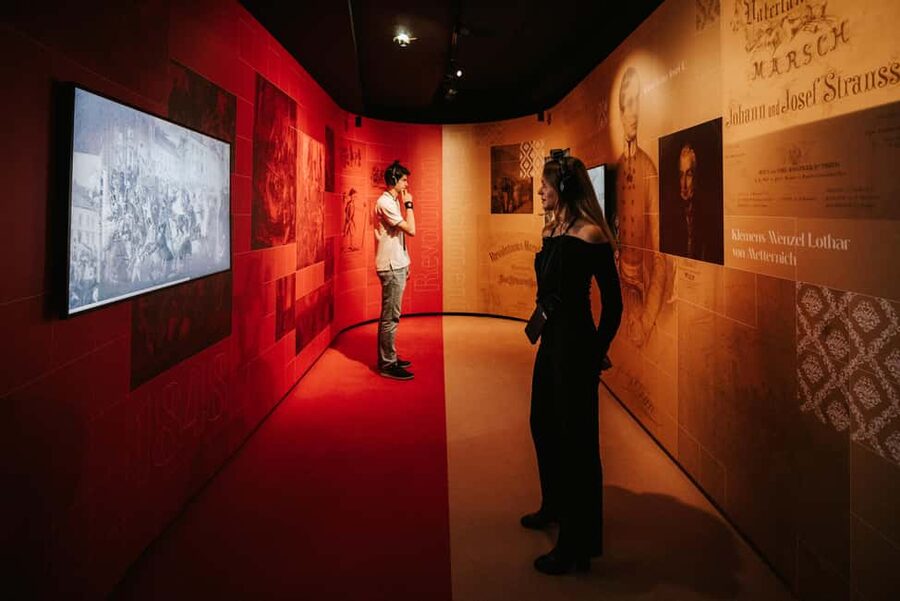
The composing machine is one of the best reasons to choose this museum over a standard biography display. You can create your own waltz and have it produced as personalized sheet music.
That feature turns the visit from something you watch into something you make. You do not need to be a musician to enjoy it. The point is not to produce a masterpiece. It is to leave with a small, personal connection to the musical tradition the museum has been explaining.
The printed sheet music also makes a better souvenir than a generic shop purchase. It records your participation in the experience and gives you something connected directly to Johann Strauss and the waltz.
I would allow a little extra patience for this section if the machine is in use. The supplied information does not give a separate waiting time, so I would not plan the rest of your day too tightly around an exact exit minute. The stated visit length is about 75 minutes, but your pace at the interactive stations can affect the total.
Take a Johann Strauss photo home
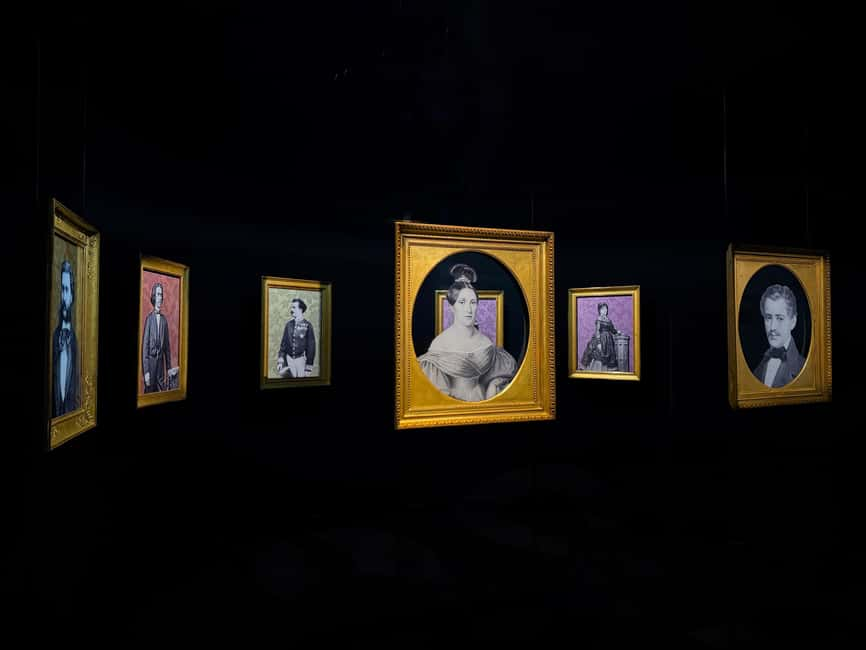
The souvenir area includes a photo booth where you can have a picture of yourself as Johann Strauss printed immediately. It is a playful addition, but it fits the museum’s view of Strauss as a public figure.
This is a good option for families, friends, and anyone who prefers a humorous memento to another postcard. It also gives the visit a personal ending after the more polished audiovisual rooms.
Admission includes access to the souvenir shop and photo booth, but the information provided does not state whether the printed photo has an extra charge. Ask at the museum if that detail matters to your budget.
Is the $28 ticket good value?
At $28 per person, this is not the cheapest short attraction in Vienna. It is also not priced like a simple museum entry. You are paying for an approximately 75-minute production with interactive exhibits, a multilingual audio guide, location-based sound technology, the composing machine, and access to the photo booth and shop.
I see the value most clearly if you enjoy modern exhibitions. The ticket gives you more than background information about Strauss. It provides a planned audiovisual experience with several ways to take part.
The value is less certain if you want a traditional museum with original objects, quiet rooms, and extensive written material. In that case, the technology may feel like the main attraction rather than a tool supporting the subject.
The strong rating of 4.8 from 60 reviews fits the experience’s main strengths: the audio guide, the engaging format, and the sense that you receive a substantial visit for the price. The positive feedback also points to kind, helpful entrance staff, which matters when you are learning how to use the headset and interactive equipment.
There is also a practical booking choice. You can select a timed ticket, use a weekday flex ticket, or choose a flex ticket valid every day. A timed ticket is best if your Vienna schedule is fixed. A flex option may offer better value if you want to fit the museum around meals, concerts, or changing plans.
Timing, languages, and access
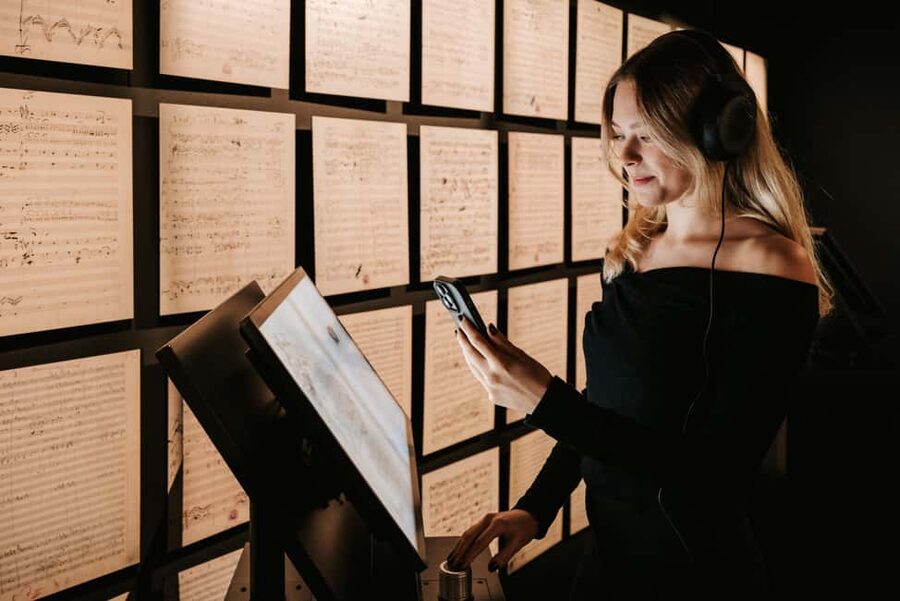
The museum is open Sunday through Thursday from 10:00 a.m. to 6:00 p.m. On Friday and Saturday, it stays open until 7:00 p.m. Check the available starting times before booking because selected times must be followed for timeslot tickets.
The audio guide is included in Chinese, English, French, German, Italian, Japanese, Korean, and Spanish. The host or greeter language is German and English, so you have broad listening choices even if you do not speak either language well.
The experience is wheelchair accessible. The visit ends back at the starting point, which keeps the logistics simple.
You can cancel up to 24 hours in advance for a full refund, and a reserve-now, pay-later option is available. Those terms are useful if your Vienna plans include weather-sensitive activities or a concert schedule that could change.
Who will enjoy Johann Strauss: New Dimensions?
I would recommend this for:
- First-time Vienna visitors who want a clear introduction to one of the city’s best-known composers.
- Families and younger visitors who may lose interest in a conventional museum.
- Classical-music fans who want a visual and interactive look at Strauss.
- Visitors with a short schedule who want a complete indoor activity in about 75 minutes.
- People who enjoy technology-led exhibitions and location-based sound.
- Anyone looking for a personal souvenir, especially the custom waltz sheet music.
I would be more cautious if you dislike headphones, motion effects, or heavily produced exhibitions. The museum does not hide its modern approach. That is its appeal, but also its main limitation.
Should you book it?
Book this experience if you want Johann Strauss presented through music, projections, movement, and hands-on activities rather than through a standard display of objects and text. The composing machine and personalized photo give the visit a playful edge, while the 3D audio system makes the route feel more active than a normal museum tour.
Skip it if you are mainly looking for a live concert, original manuscripts, or a quiet historical collection. At $28, the ticket makes the most sense for visitors who will use the technology and interactive stations fully.
For most people with an open afternoon, it is a well-contained Vienna activity with a clear subject, broad language support, and enough variety to keep the 75 minutes moving. Just be comfortable with the headset, and avoid it if motion sickness is a concern.
FAQ
How long does the Johann Strauss museum experience last?
The experience lasts about 75 minutes.
Where does the activity begin and end?
It begins at Johann Strauss Museum, New Dimensions, and ends back at the same meeting point.
What languages are available for the audio guide?
The audio guide is available in Chinese, English, French, German, Italian, Japanese, Korean, and Spanish.
What languages are spoken by the host or greeter?
The host or greeter speaks German and English.
Is the museum wheelchair accessible?
Yes, the activity is wheelchair accessible.
Can I create my own music during the visit?
Yes. You can use the composing machine to create your own waltz and take it home as personalized sheet music.
Can I have a Johann Strauss photo printed?
Yes. The museum has a photo booth that lets you take a photo as Johann Strauss and have it printed on the spot.
What are the opening hours?
The museum is open from 10:00 a.m. to 6:00 p.m. Sunday through Thursday, and from 10:00 a.m. to 7:00 p.m. Friday and Saturday.
Is cancellation available?
Yes. You can cancel up to 24 hours in advance for a full refund. Reserve-now, pay-later booking is also available.
Just added around Vienna
- Vienna’s Musical Heart: Private Walking Tour with a Local★ 5.0 · 2 reviews
- Vienna: Concert by the Vienna Baroque Orchestra★ 4.6 · 56 reviews
- Vienna: Strauss Museum – Music&History in Historic 1837 Hall★ 4.7 · 31 reviews
- Vienna Supreme Orchestra at Palais Niederösterreich★ 4.8 · 10 reviews
- Vienna: Sunday Brunch Danube Cruise & Live Music★ 4.2 · 42 reviews
- Vienna Private Walking Tour including State Opera★ 3.2 · 7 reviews
- Vienna: Romantic Classics Piano, Violin, and Cello Concert★ 4.7 · 60 reviews
- Vienna: Mozart, Beethoven, & Strauss Private Tour★ 5.0 · 4 reviews
Vienna Concerts, compared.
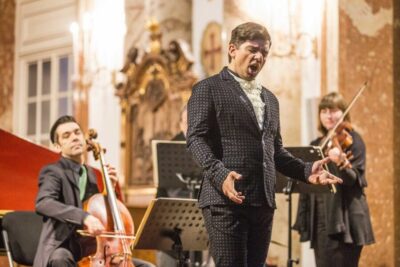
Vienna: Vivaldi’s Four Seasons Concert in Karlskirche
Read our review →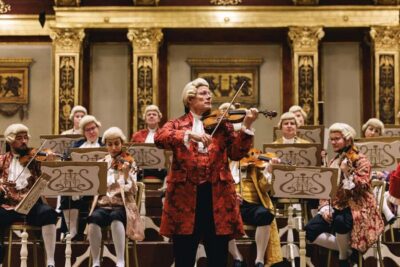
Vienna: Mozart Concert at the Musikverein – Golden Hall
Read our review →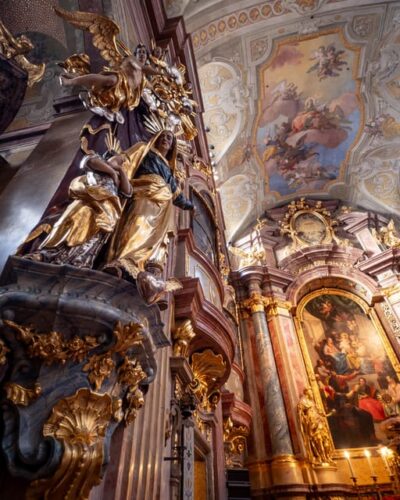
Vienna: Classical Concert in St. Anne’s Church (Annakirche)
Read our review →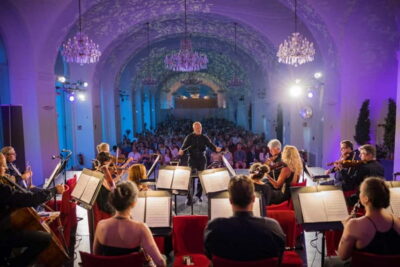
Vienna: Mozart and Strauss Concert at Schönbrunn
Read our review →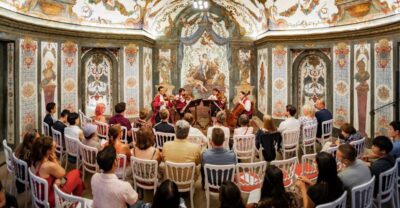
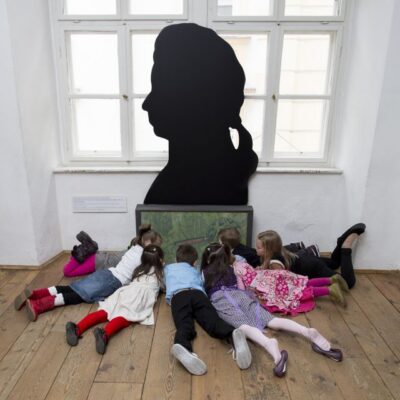
Vienna: Tickets for Mozarthaus Vienna with Audio Guide
Read our review →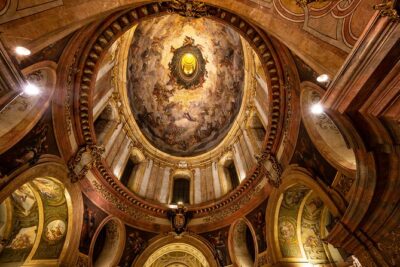
Vienna Classical Concert at St. Peter’s Church
Read our review →Vienna: Classical Concert in St. Anne’s Church (Annakirche)
Read our review →Browse the lists this tour appears in