
Review · VIENNA
Vienna: Vivaldi’s Four Seasons Concert in Karlskirche
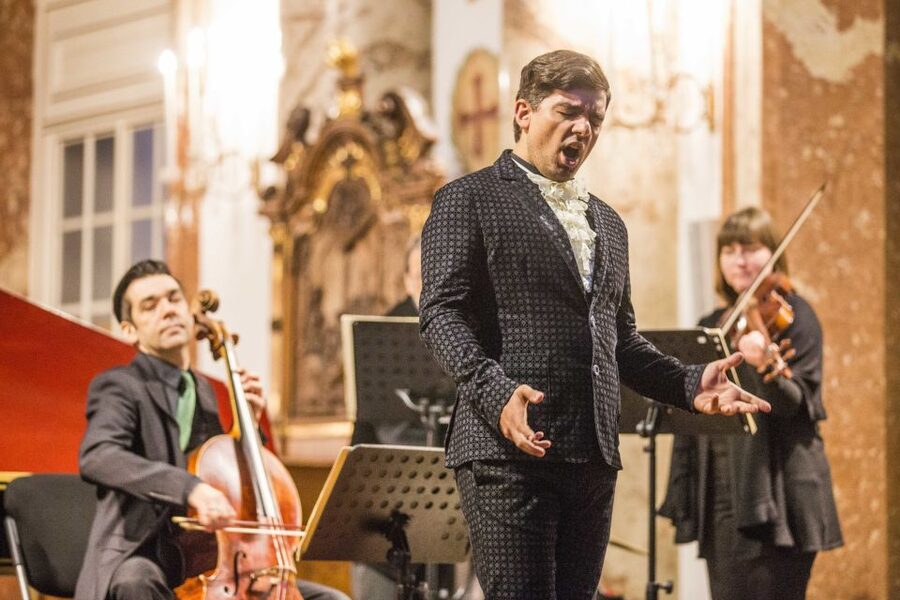
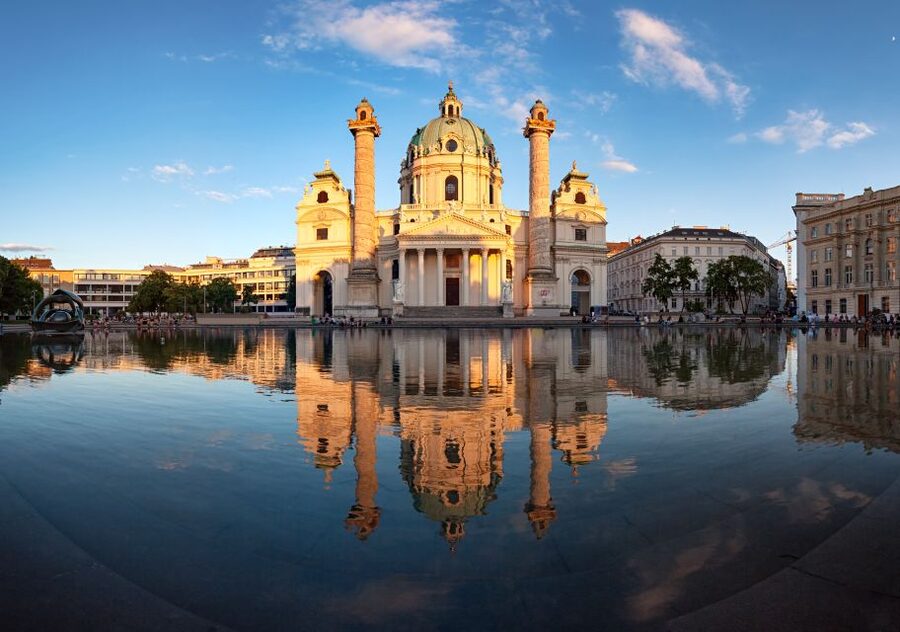
The main attraction here is the match between Vivaldi’s Four Seasons and Karlskirche’s grand interior. Inside this famous Vienna church, the music’s birdsong, storms, hunting calls, and icy winter scenes take on extra force. I like the use of period instruments, which gives Orchestra 1756 a crisp, historical sound, and I like the chance to watch the musicians work at close range rather than simply hearing music from a distant stage. The main drawback is practical: the church can be very cold in winter and hot in summer.
This is a focused concert, not a full evening of opera or a formal Viennese gala. You get 75 minutes of music, usually centered on all four concertos, with one or two changing works by composers such as Mozart, Bach, or Biber. Seat location matters, since the floor is flat and the rear sections can make the players hard to see and the sound less direct.
Key points to know before booking
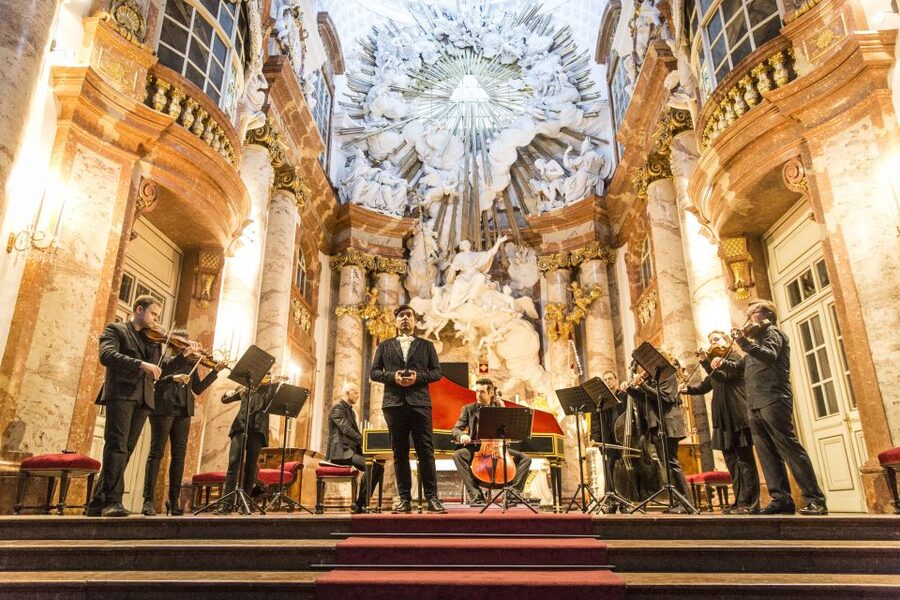
- Karlskirche sets the mood: The concert takes place inside one of Vienna’s most striking churches, with the altar and decorative artwork forming the backdrop.
- Orchestra 1756 uses period instruments: The ensemble’s historical approach gives Vivaldi’s music a lighter, more distinctive character.
- The program lasts 75 minutes: You hear Spring, Summer, Autumn, and Winter, plus one or two additional works that change from week to week.
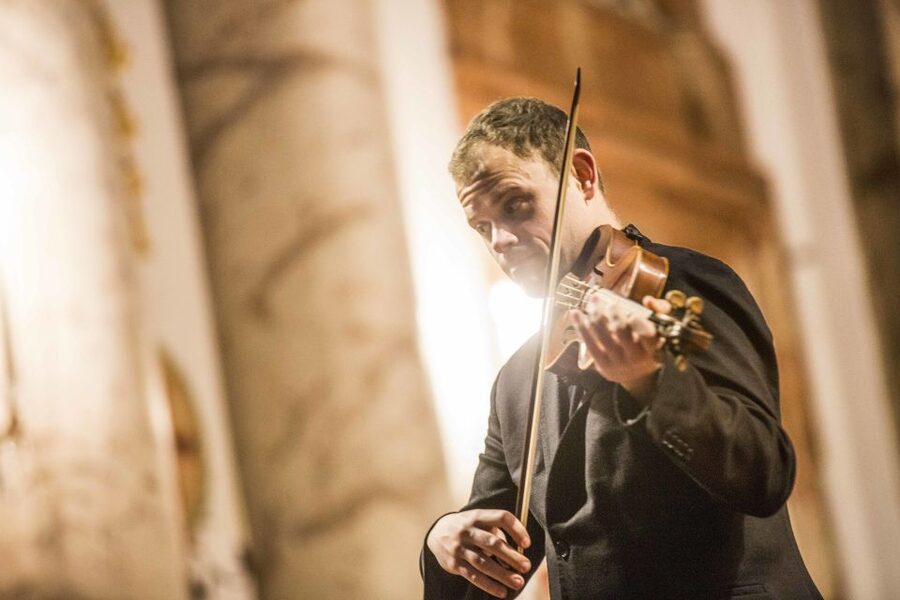
- Front seats offer more than a better view: You can watch the lead violinist and musicians communicate, react, and shape the performance.
- Prepare for the temperature: Winter concerts can be very cold. Blankets are provided, and some front seats have heating underneath.
- Arrive early: Doors open 30 minutes before the performance, and no one is admitted after the concert begins.
Why Vivaldi works so well inside Karlskirche
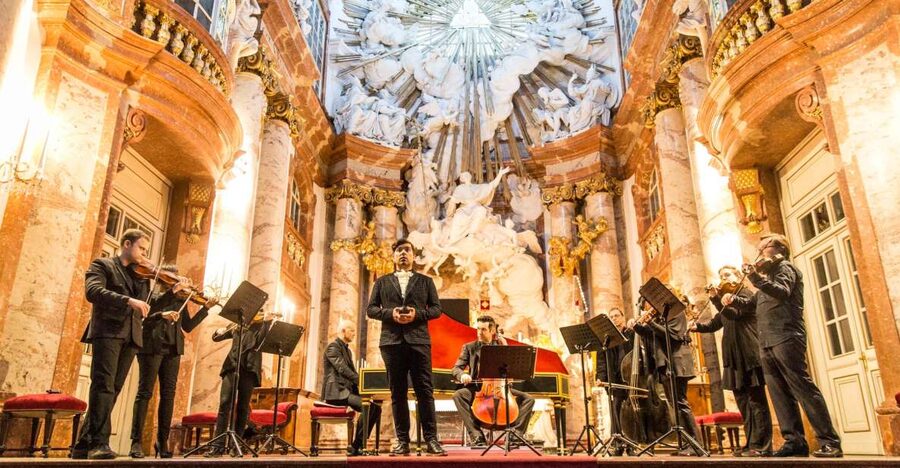
Vivaldi’s Four Seasons is familiar music, but the setting keeps it from feeling like background music. The four violin concertos are built around sonnets describing the seasons, and the orchestra paints each one with quick, recognizable gestures.
Spring brings birdsong, streams, and a storm. Summer moves from heat and stillness toward thunder and lightning. Autumn gives you dancing, drinking, and hunting, while Winter turns to cracking ice, shivering cold, and a warm indoor refuge. In a church with long reverberation, those effects spread through the room rather than staying confined to the musicians.
Karlskirche also changes the way you watch the performance. The musicians sit in front of the church interior, rather than on a modern theater stage. The altar artwork and architecture remain part of your view, so the evening feels connected to the building instead of simply taking place inside it.
That atmosphere is the strongest reason to choose this concert over a standard recital hall performance. You are not only hearing one of the best-known works in classical music. You are hearing it in a sacred space that gives the music a solemn, spacious setting.
More Classical Concerts in Austria
- Vienna: Classical Concert in the World-Famous Musikverein
★ 4.6 · 6,673 reviews - Vienna: Mozart Concert at the Musikverein – Golden Hall
★ 4.6 · 5,194 reviews - Vienna: Classical Concert in St. Anne’s Church (Annakirche)
★ 4.6 · 3,414 reviews
What Orchestra 1756 brings to the performance
Orchestra 1756 is a classical period-instrument ensemble. The core performance is built around strings and basso continuo, with the group presented as a compact ensemble rather than a large modern orchestra.
Period instruments are important here because they change the color and attack of the music. The sound can feel more direct and finely etched, especially in the fast violin passages. The Four Seasons needs a strong solo violin presence, and the lead player is central to the evening. You can expect the principal violinist to guide the musical action while also interacting with the other players.
That visual element matters. From the front rows, you can see musicians exchange glances, respond to one another, and follow the soloist’s energy. Several people found that closeness added as much as the improved view. If you enjoy watching a performance rather than treating it as audio only, paying more for a forward section may be worthwhile.
The program can also include one or two additional works. These may come from W. A. Mozart, J. S. Bach, H. I. F. Biber, or other major composers. The exact additions change from week to week, so you should not book this expecting a fixed program beyond the four Vivaldi concertos.
A 75-minute musical journey through the four seasons
The evening follows a clear structure. You take your seat, settle into the church, and hear Spring, Summer, Autumn, and Winter, with possible extra pieces before, between, or after the main work.
Spring, Op. 8 No. 1 opens the cycle with bright, quick movement. The famous bird calls and gentle pastoral passages are easy to follow, even if you do not often listen to classical music. The contrast between calm scenes and sudden storms gives the first concerto plenty of drama.
Summer, Op. 8 No. 2 is often the most forceful section. The music moves from heat and tension into a violent storm, with fast string writing that lets you hear the period ensemble’s precision. In the church, the echo adds size to these climaxes, though it can also soften detail from distant seats.
Autumn, Op. 8 No. 3 shifts toward celebration and hunting. Its dance-like passages give the program a lighter center, and the compact ensemble can make the rhythms feel lively and clean.
Winter, Op. 8 No. 4 closes the Four Seasons with some of Vivaldi’s most memorable musical images. You hear the cold, the wind, the slipping ice, and the warmth of sitting by a fire. In the colder months, there is an amusing physical connection between the music and the room, since you may genuinely feel winter around you.
At 75 minutes, the program is long enough to feel substantial but short enough for most visitors to manage after a full day of sightseeing. The hard church pews can become uncomfortable, particularly toward the end, but a longer concert in the same seating would likely test your patience.
Choosing the right seat inside the church
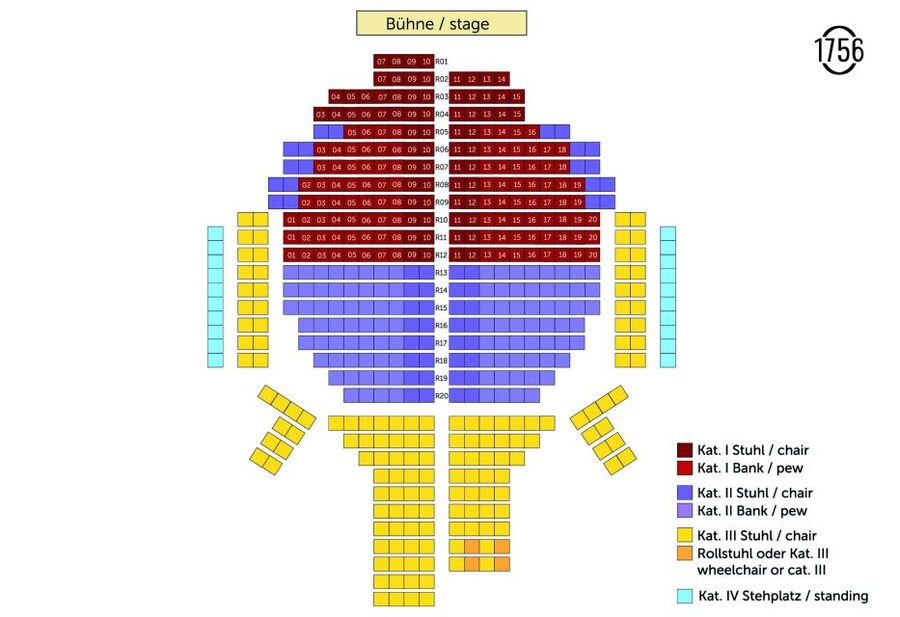
Seat category is one of the most important decisions you make when booking. The seating is not arranged like a modern theater with steeply rising rows. Much of it is on a flat surface, and a tall person in front can block your view.
Category 1 or the front sections are the safest choice if you care about seeing the players. Several people who sat in the first few rows felt the extra cost was justified, especially because they could watch the lead violinist and the interaction among the ensemble.
Middle seating offers a reasonable compromise. You remain close enough to follow the performance visually, while the sound should still feel connected to the whole church. If you book an allocated section rather than a specific seat, arrive promptly. Seating is handled before the performance, and early arrival gives you a better chance within your category.
The rear sections cost less, but you need to accept the trade-off. From far back, the musicians may be difficult to see, and the sound can feel more distant or echo-heavy. The balcony is not always open, and one account from the balcony noted weaker sound, so do not assume that a higher position automatically means a better view.
For the best balance of sound and sight, I would choose a forward or middle category and arrive when doors open. Doors open 30 minutes before the concert.
More Classical Concerts in Vienna
- Vienna: Mozart and Strauss Concert at Schönbrunn
★ 4.5 · 2,967 reviews - Vienna: Classical Concert at Mozart’s First House
2,423 reviews - Vienna Classical Concert at St. Peter’s Church
★ 4.5 · 2,039 reviews - Vienna: Classical Concert in St. Anne’s Church (Annakirche)
★ 4.5 · 1,000 reviews
Cold winters, warm seats, and hard pews
Karlskirche is not an ordinary heated concert hall. In winter, the church can be genuinely cold. You should wear a proper coat and consider gloves or hand warmers, especially for evening performances.
Blankets are placed on the chairs, and some front seats have heating underneath. Those touches help, but the blankets may feel thin if temperatures are low. The most useful approach is to dress for the church rather than hoping the blanket will do all the work.
Summer brings the opposite issue. The venue does not have air conditioning, so the interior can become hot. The 75-minute duration helps, but you should dress with the season in mind.
The pews are another comfort issue. They are functional rather than plush, and 75 minutes is about the right length for them. You may want to use the blanket for warmth in winter, but it also provides a little padding.
Arrival, rules, and the shape of the evening
The meeting point can vary by the option you book, so check your confirmation carefully. Transfers are not included, and neither are food, drinks, or cloakroom service.
You need to arrive before the music starts. No late entry is permitted, and leaving during the performance does not allow you to return. That rule protects the concentration of the musicians, but it means you should use the facilities and settle any coat or bag issues before taking your seat.
Large bags and luggage are not allowed. Food, drinks, smoking, vaping, alcohol, and drugs are also prohibited. Cameras are not permitted during the performance, although you can take pictures before and after. If you want a photograph of the church interior, do it before the musicians begin.
Children under six are not admitted, and unaccompanied minors are not permitted. The experience is not suitable for wheelchair users. These limits are worth checking before you buy, particularly if this is part of a family visit.
What makes the price good value
At about $40 per person, this is reasonably priced for a live classical concert in a major historic church. You are paying for the performance and entrance, not for transport, refreshments, or a wider guided tour.
The value depends heavily on what you want. If you are mainly interested in hearing Vivaldi in a good acoustic setting, even a rear category can provide an affordable evening activity. If you want to watch the performers closely, the cheaper sections may feel less satisfying, and the better value may be a higher seat category.
The concert also works well as a last-night activity. It gives you a clear 75-minute program without taking an entire evening, and the building provides a memorable farewell to Vienna. During the Christmas market season, the area outside Karlskirche can add another pleasant stop before or after the music, though food and drinks are not part of the ticket.
Free cancellation is available up to 24 hours before the start time, and you can reserve now and pay later. That flexibility helps if your Vienna schedule is still changing.
Who should book this concert
I would recommend it first to music lovers, architecture fans, and anyone who wants a classic Vienna evening without the expense of a major opera production. You do not need specialist knowledge of Vivaldi. The Four Seasons is descriptive and accessible, and the familiar themes make it easy to follow.
It also suits people who are unsure about classical music. The changing pace, storms, dancing, and vivid seasonal scenes give you something concrete to listen for. A compact ensemble and close seating can feel more immediate than a large orchestra in a formal hall.
You should think twice if you need step-free access, dislike firm seating, or are likely to arrive at the last minute. The flat seating can make rear views frustrating, and the church temperature may be uncomfortable if you are not dressed for it.
Should you book it?
Book this concert if you want Vivaldi performed on period instruments in an impressive church, and if you value atmosphere as much as the music itself. I would spend a little more for a front or middle section when possible, arrive 30 minutes early, and dress warmly in winter.
Skip it if your priority is a modern concert hall, guaranteed close-up views from every seat, or a full evening of changing classical works. For most people looking for a well-priced, memorable Vienna concert, though, Karlskirche and the Four Seasons make a strong pairing.
FAQ
How long is the Karlskirche Vivaldi concert?
The concert lasts 75 minutes.
What music is performed?
The main program is Vivaldi’s Four Seasons: Spring, Summer, Autumn, and Winter. One or two additional works may also be included, changing from week to week.
Which composers may appear in the additional program?
Additional works may come from W. A. Mozart, J. S. Bach, H. I. F. Biber, and other major composers.
Who performs the concert?
The performance is by Orchestra 1756, a classical period-instrument ensemble.
Is the church cold?
The church can be cold in winter. Blankets are provided, and some front seats have heating underneath. In summer, the church can be hot because it does not have air conditioning.
When should I arrive?
Doors open 30 minutes before the concert starts. Arrive early, especially if you want a better seat within your booked category.
Can I enter after the concert begins?
No. Late entry is not permitted.
Can I take photographs?
Cameras and photography are not allowed during the performance. You can take pictures before and after the concert.
Is the concert suitable for children and wheelchair users?
Children under six are not admitted, and the experience is not suitable for wheelchair users. Unaccompanied minors are not permitted.
Just added around Vienna
- Vienna’s Musical Heart: Private Walking Tour with a Local★ 5.0 · 2 reviews
- Vienna: Concert by the Vienna Baroque Orchestra★ 4.6 · 56 reviews
- Vienna: Strauss Museum – Music&History in Historic 1837 Hall★ 4.7 · 31 reviews
- Vienna Supreme Orchestra at Palais Niederösterreich★ 4.8 · 10 reviews
- Vienna: Sunday Brunch Danube Cruise & Live Music★ 4.2 · 42 reviews
- Vienna Private Walking Tour including State Opera★ 3.2 · 7 reviews
- Vienna: Romantic Classics Piano, Violin, and Cello Concert★ 4.7 · 60 reviews
- Vienna: Private Music Tour★ 5.0 · 8 reviews
Vienna Concerts, compared.
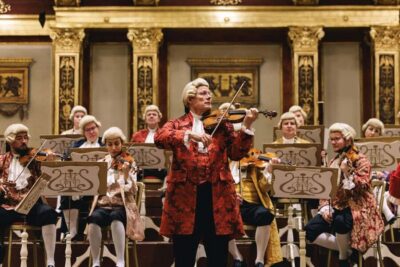
Vienna: Mozart Concert at the Musikverein – Golden Hall
Read our review →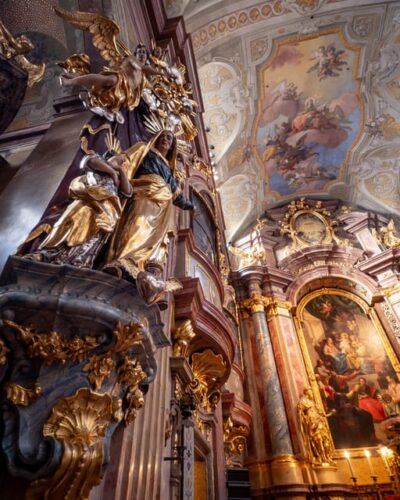
Vienna: Classical Concert in St. Anne’s Church (Annakirche)
Read our review →
Vienna: Mozart and Strauss Concert at Schönbrunn
Read our review →
Vienna: Tickets for Mozarthaus Vienna with Audio Guide
Read our review →
Vienna Classical Concert at St. Peter’s Church
Read our review →Vienna: Classical Concert in St. Anne’s Church (Annakirche)
Read our review →
Exclusive Evening at Schönbrunn Palace: After-Hours Audiotour, Dinner, Concert
Read our review →Browse the lists this tour appears in