
Review · PARIS
Opera Garnier Mysteries Private Guided Tour with Skip-the-Line Entrance
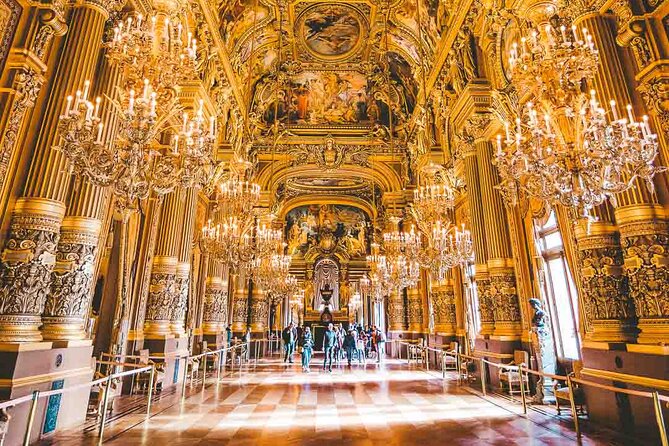
Paris’ Palais Garnier is not merely an opera house. It is a lavish 19th-century palace where staircases, foyers, painted ceilings, sculpture, and gold ornament compete for your attention. This private 90-minute tour helps you read the building instead of simply walking through a series of beautiful rooms.
I like the one-party format, which lets you ask questions and set the pace. I also like the pre-booked entrance, especially when the public line is long. Guides Nick and Alex receive especially warm praise for their clear explanations, humor, patience, and ability to tailor the visit to interests such as ballet, art, or the Phantom of the Opera.
The main caution is important: the auditorium may close without notice for rehearsals, filming, technical work, or other artistic reasons. Since the red-and-gold theater is the main reason many people book, you should accept that risk before paying the premium private-tour price.
Key points to know before booking
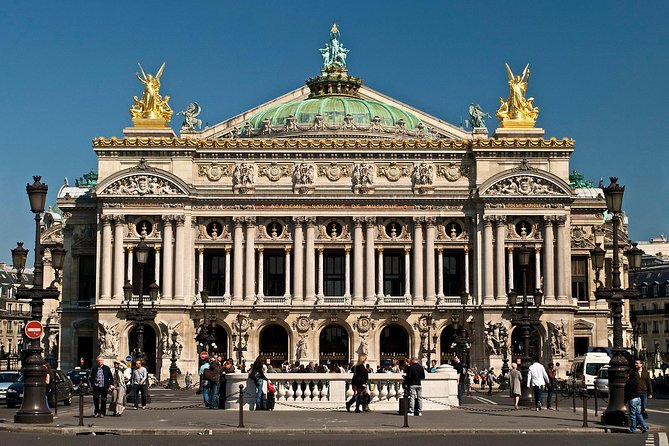
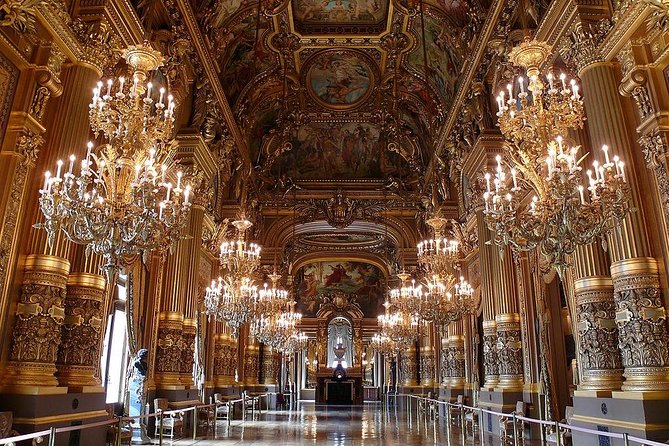
- The Grand Foyer is the visual star: Its gilded decoration and grand scale can rival the most ornate rooms at Versailles.
- Nick is a frequently praised guide: He explains the building with humor, answers questions carefully, and has even helped visitors with photography and added context outside the opera house.
- Skip-the-line means faster public entry: It does not mean a private back-door entrance or access to staff-only areas.
- The auditorium is not guaranteed: A rehearsal, television shoot, or technical issue can close it on the day of your visit.
- The tour is truly private: Only your booking party takes part, with no larger group tagging along.
- The price buys attention, not extra access: At $232.22 per person, the value depends on how much you want a personal guide and how much you dislike waiting.
Why Palais Garnier deserves your time
The Palais Garnier was created by architect Charles Garnier in the 1860s, during a period when Parisian public buildings were designed to impress before a performance even began. Here, the route to your seat was part of the social event. The building’s stairways and foyers were places to see and be seen.
That idea explains why a visit can feel different from touring a plain theater. The performance space matters, but so do the halls around it. The building was made for ceremony, movement, and display.
Without guidance, you can certainly admire the gold, marble, chandeliers, and painted surfaces. The trouble is that you may not understand what you are looking at or why one room leads into another. A private guide gives you someone to point out the symbols, design choices, and stories that are easy to miss while taking photographs.
I would not call this a backstage tour. The advertised route covers public rooms, not the artists’ entrance, work areas, dance rehearsal spaces, or underground foundations. If you want restricted access, this is the wrong product. If you want the public interiors explained in detail, it makes more sense.
More Opera Performances in France
- Paris: Opera Garnier and Seine River Cruise Tickets
★ 4.5 · 957 reviews - Admission ticket Arsène Lupine and the secret of the Opera
★ 4.0 · 242 reviews - Paris Dinner Show Opera Bel Canto
★ 4.5 · 48 reviews
Starting at the Opéra and entering without the wait
The meeting point is the Opéra Garnier at 75009 Paris, and the tour ends there after the visit. You arrange your own transport to the opera house, but the location is near public transportation, making it easy to add before or after other central Paris sights.
You can choose a morning or afternoon start. That flexibility helps if you have a museum reservation, a meal planned, or only a short window in your Paris schedule. The tour lasts about 1 hour and 30 minutes, so it fits neatly into a half-day plan without taking over the day.
Your entry ticket is pre-booked. The practical benefit is simple: you avoid spending part of your limited Paris time waiting in the general admission line. Do not confuse this with a private entrance. The tour uses skip-the-line access, not a secret door reserved for your group.
The private format matters most at this point. You are not trying to hear a guide over a crowd or waiting for a dozen strangers to finish taking pictures. You can ask why a room was designed a certain way, request more information about ballet, or slow down for photographs.
The Subscribers’ Rotunda and the first glimpse of the palace
The Subscribers’ Rotunda introduces the building’s grand public character. It is one of the first places where the opera house feels less like a theater and more like a ceremonial palace.
Your guide can use the room to explain how different sections of the building served different audiences and social roles. That context makes the later rooms easier to understand. Instead of seeing a collection of decorated spaces, you begin to follow the building’s intended journey.
This is also a useful moment to tell your guide what interests you. If you care about architecture, ask for construction and design details. If you are more interested in opera, ballet, Parisian society, or the Phantom of the Opera connection, say so early.
The Bassin de la Pythie and the Grand Staircase
The Bassin de la Pythie is one of the tour’s memorable architectural stops. The name refers to the Pythia, the priestess associated with the oracle at Delphi, and the area contributes to the theatrical feeling of the entrance route.
Then comes the Grand Staircase, one of the most recognizable parts of the Palais Garnier. It was designed as a place of arrival and display, not just a way to reach the upper level. Look at how the stairs, balconies, columns, sculpture, and light work together to create a formal procession.
This is where a guide can be particularly useful. You might take in the sweeping view but miss how the space controls your movement and attention. Nick is praised for explaining these architectural and ornamental details in a way that makes the building easier to read.
The staircase also has practical importance for the visit. There are elevators available in the building, and one guide accommodated an older visitor by using one. That is encouraging for anyone concerned about mobility, though you should still discuss your needs with the provider before booking.
More Opera Performances in Paris
- Area ,Opera, Jewellery,Fashion,Palais Royal walking tour
★ 5.0 · 47 reviews - Private Opera Garnier Theater 2-Hour Tour in Paris
★ 5.0 · 45 reviews - Paris Opera Garnier Private Tour
★ 5.0 · 42 reviews - Opera Garnier with private guide
★ 4.5 · 21 reviews
The Avant-Foyer and Grand Foyer
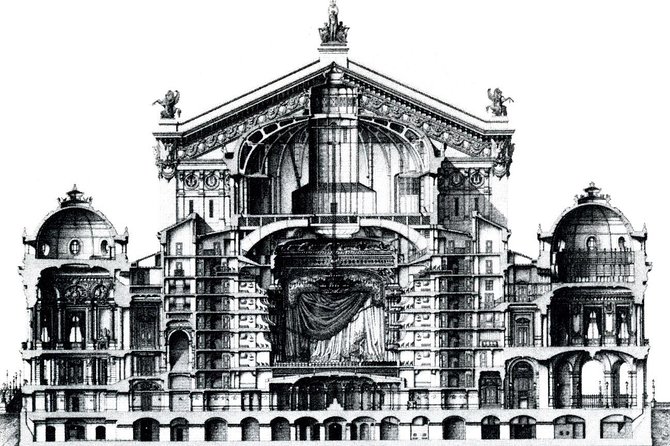
The Avant-Foyer leads toward the Grand Foyer, and the change in atmosphere is striking. The Avant-Foyer sets up the grander room with ornament, color, and a strong sense of ceremony.
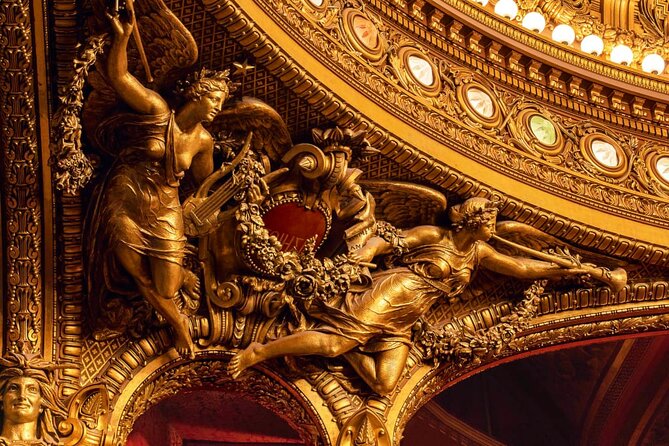
The Grand Foyer is likely to be the emotional high point for many people. Its gilded surfaces, mirrors, paintings, columns, and decorative ceiling create the sort of room that makes a quick visit feel worthwhile. One visitor compared its opulence favorably with Versailles, which is a useful comparison if you have seen the palace outside Paris.
Do not rush this room. Look upward, then along the walls and across the floor. The best part of a private visit is having time to ask about a particular painting, decorative motif, or architectural feature rather than moving along with a large group.
This is also a good place for photographs. Several comments praise Nick as a helpful photographer, so it is reasonable to ask your guide for a picture if conditions allow. The guide’s willingness to pause and help with photographs adds a small but useful touch to a personal tour.
The Ice Rotunda, Moon Room, and Sun Room
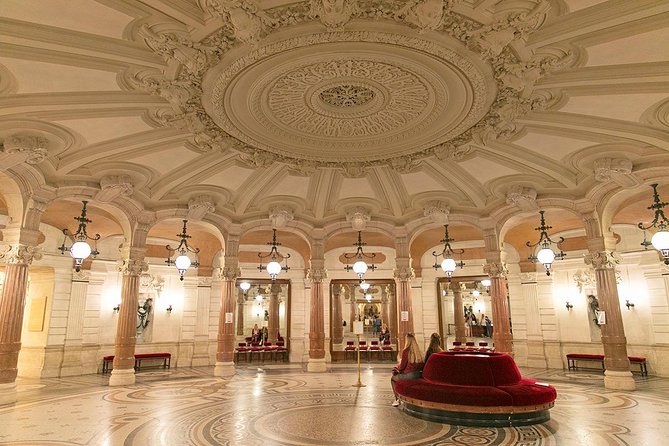
The Ice Rotunda, Moon Room, and Sun Room add variety to the route. Their names alone hint at the building’s fondness for themes, allegory, and visual storytelling.
These rooms are easy to skim if you are visiting independently. A guide can explain how the names connect to the decoration and how the spaces fit into the overall movement through the opera house. The rooms also give you a break from the huge scale of the Grand Staircase and Grand Foyer.
I would pay attention to transitions here. The Palais Garnier is not impressive only because each room is ornate. Its designers created a sequence, moving you from one mood and scale to another. The route feels planned like a performance, with the building itself providing the staging.
The library and auditorium
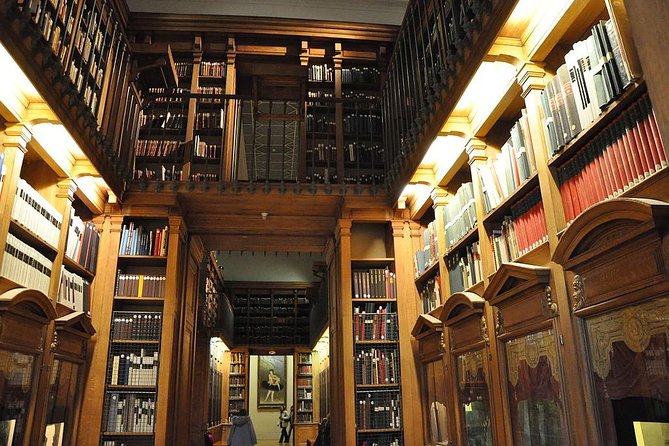
The library offers a quieter contrast to the public ceremonial rooms. It helps show that the Palais Garnier is also a place connected to preservation, study, and the working life of opera, not just a decorative monument.
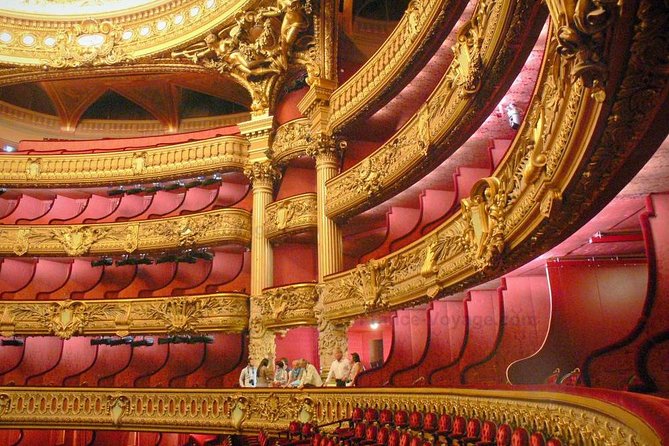
The auditorium is the most important uncertainty in the experience. When open, it gives you the chance to see the central performance space and understand how the surrounding rooms lead toward it. For many people, this is the moment that completes the visit.
But the auditorium can close for technical or artistic reasons, sometimes without a public schedule. A rehearsal was taking place during one visit, while a television production blocked access during another. These closures are outside the guide’s control.
That limitation is stated before booking, but it still matters emotionally. If you are paying $232.22 per person mainly to see the auditorium, you may feel disappointed even if the rest of the building is magnificent. If the auditorium is closed, the guide can still explain the accessible rooms, but no explanation replaces seeing the theater itself.
What the guide adds to the visit
The strongest part of this experience is the guide relationship. Nick appears repeatedly in the feedback and is praised for humor, patience, clear English, art knowledge, and a strong command of Parisian and opera history. He has also tailored a visit to a young dancer’s interest in ballet.
That kind of adjustment is the real benefit of a private tour. You can ask about the building’s connection to Gaston Leroux’s Phantom of the Opera, focus on ballet, or spend more time on art and architecture. One visitor who had taken the tour twice still considered it worth recommending, which suggests that the guide’s storytelling can shape the experience as much as the rooms do.
Alex is also praised for explaining the building in detail and making the visit feel polished and educational. The guides are described as official experts and can conduct the tour in English, French, or German.
The guide may contact you by text before the visit to clarify where to meet. That small step can prevent confusion at a busy Paris landmark. Still, check your booking message carefully and arrive with enough time to find the opera house entrance.
Is $232.22 per person a fair price?
This is an expensive way to visit a building you can also enter on your own. The price includes admission, pre-booked entry, and a private guide for your party. It does not include transport, food, or drinks.
For two people, the cost is substantial. You are paying for personal attention, not a special room or guaranteed backstage access. If you are comfortable reading signs and exploring at your own pace, a self-guided visit may offer better value.
The calculation changes for a family or small group. Since one booking covers your travel party and group discounts are available, the per-person cost may become easier to justify as the group grows. You also avoid the less visible cost of a long wait and the frustration of missing details.
I would book it if the Palais Garnier is a major priority and you want its design explained rather than simply photographed. I would skip it if your budget is tight, if you mainly want a quick look inside, or if you expect private backstage access.
The high rating of 4.8 from 49 reviews and 94 percent recommendation suggest a strong overall experience, but the lower scores point to the one issue you cannot ignore: auditorium access.
Who will enjoy this private visit most?
This tour suits couples, families, and small groups who want a flexible pace and plenty of questions. It is especially useful for anyone interested in architecture, opera, ballet, Parisian cultural life, or the Phantom of the Opera.
It can also work well for visitors with a tight schedule. At 90 minutes, it gives you a focused look without requiring a full morning or afternoon. The morning and afternoon choices make it easier to place around other bookings.
I would recommend it to first-time visitors who want help understanding the building’s visual language. It is less suited to visitors seeking a working backstage tour, a guaranteed auditorium visit, or a bargain admission ticket.
The experience is non-refundable and cannot be changed after booking. Because of that firm policy, confirm your date, party size, and expectations about auditorium access before paying.
Should you book the Opera Garnier Mysteries tour?
Book this tour if you want a personal guide, quick entry, and a clear explanation of the Palais Garnier’s grand public rooms. Nick and Alex bring strong subject knowledge, humor, and flexibility, and the private setting lets you focus on what interests you.
Do not book it expecting backstage access or a guaranteed view of the auditorium. At this price, the tour is best for someone who values interpretation and personal attention more than simply getting inside.
My practical advice is to ask yourself one question: if the auditorium were closed, would the Grand Staircase, Grand Foyer, rotundas, library, and other decorated rooms still make the visit worthwhile? If your answer is yes, this is a strong choice. If your answer is no, choose a plan with less financial risk.
FAQ
Where does the tour begin and end?
The tour begins at Opéra Garnier, 75009 Paris, France, and ends back at the meeting point.
How long does the tour last?
The tour lasts approximately 1 hour and 30 minutes.
Is the tour private?
Yes. Only your travel party participates, and one booking covers one group.
Is admission included?
Yes. Entry fees are included, and the entrance tickets are pre-booked.
Can I see the auditorium?
The auditorium is included in the planned route when it is open. It may be closed for technical or artistic reasons, including rehearsals or filming, and these closures can occur without notice.
Which languages are available?
The official expert guide is fluent in English, German, and French.
More Skip the Line in Paris
- Rojo Tango Show: Skip the Line Ticket including Private Transfer
★ 4.5 · 40 reviews - Chopin Tour in Warsaw with Skip-the-line Museum & Concert
★ 4.9 · 18 reviews - Skip the Line: Sichuan Opera Chengdu Ticket
★ 4.0 · 8 reviews - Skip-the-line Lobkowicz Palace Private Tour & Concert
★ 3.2 · 3 reviews
Just added around Paris
- Area ,Opera, Jewellery,Fashion,Palais Royal walking tour★ 5.0 · 47 reviews
- Create unique jewelry from top Parisian designer Bijoux Blues★ 4.0 · 2 reviews
- Private Opera Garnier Theater 2-Hour Tour in Paris★ 5.0 · 45 reviews
- Sunset Picnic with View of Eiffel Tower and Live Music★ 5.0 · 15 reviews
- Paris Opera Garnier Private Tour★ 5.0 · 42 reviews
- Harlem in Paris : the Birth of Jazz in France (Small Group Walking Tour)★ 5.0 · 37 reviews
- Opera Garnier with private guide★ 4.5 · 21 reviews
- Paris Seine River Dinner Cruise by Maxim’s with Champagne & Music★ 4.0 · 131 reviews
Paris Concerts, compared.

Paris: 3-Course-Dinner Cruise on the Seine with live music
Read our review →
Bateaux Mouches Dinner Cruise on the Seine River in Paris
Read our review →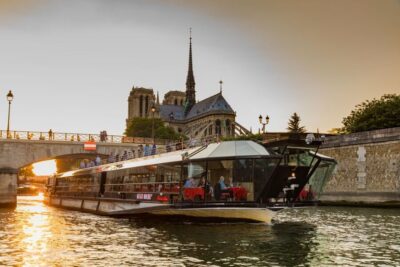
Paris: 4-Course Dinner Cruise on Seine River with Live Music
Read our review →
Paris: Gourmet Dinner Cruise on Seine River with Live Music
Read our review →
Paris: Opera Garnier and Seine River Cruise Tickets
Read our review →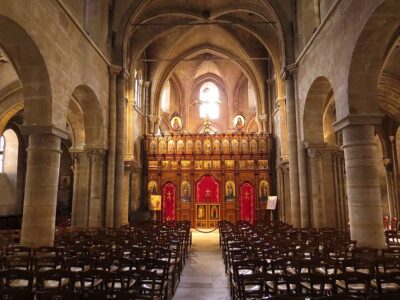
Paris: Classical Music Concert in Saint-Julien-le-Pauvre
Read our review →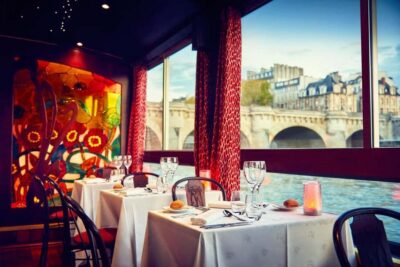
Paris: Seine River Cruise with 3-Course Dinner & Live Music
Read our review →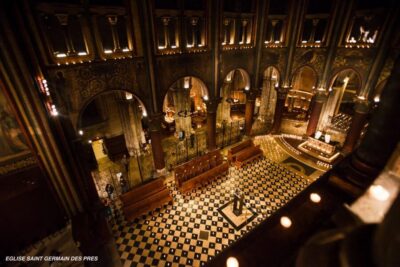
Paris: Classical Music Concert Tickets in Parisian Churches
Read our review →Browse the lists this tour appears in