
Review · AUSTRALIA
Katherine: Authentic Outback Show and Live Music
Young horses learn the basics of working life while cattle dogs show their own skills inside a shaded arena near Katherine. Tom Curtin’s live music and stories give the demonstrations a human edge, linking each lesson to daily life on a Northern Territory station.
I like the mix of real working techniques and gentle training, rather than a staged animal act. I also like the chance to meet the horses, dogs, buffalo, cattle, and goats after the show. The main drawback is practical: metal bars around parts of the viewing area can make photography awkward.
Key points to know before you go
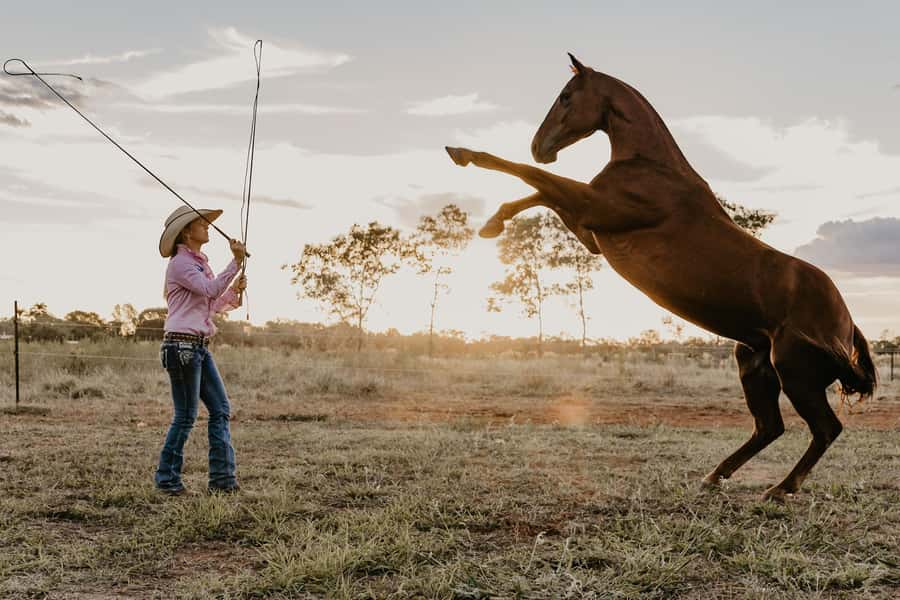
- Horse starting is the centrepiece: Watch young horses begin their training and learn how trust shapes the work.
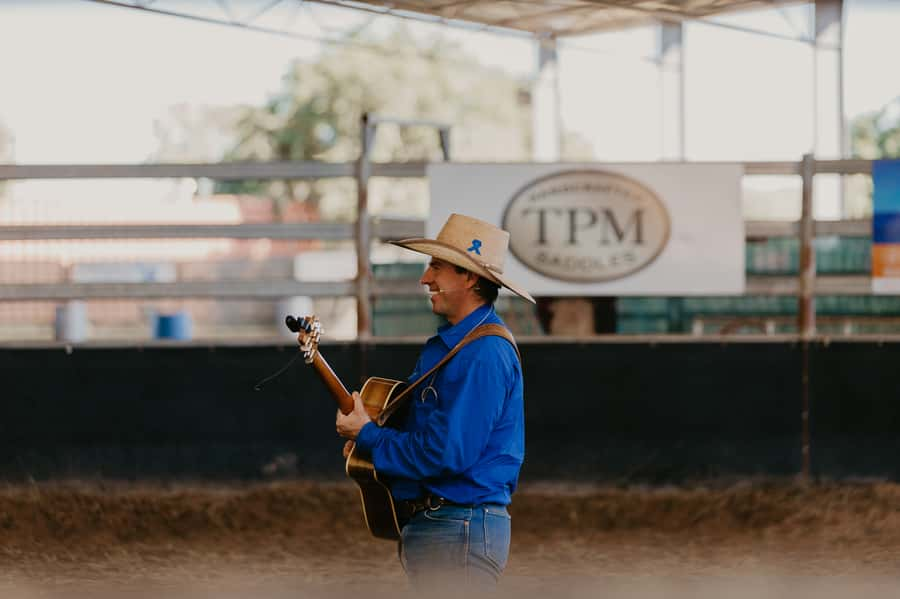
- Tom Curtin performs live: The owner shares original, award-winning songs alongside stories from life on the land.
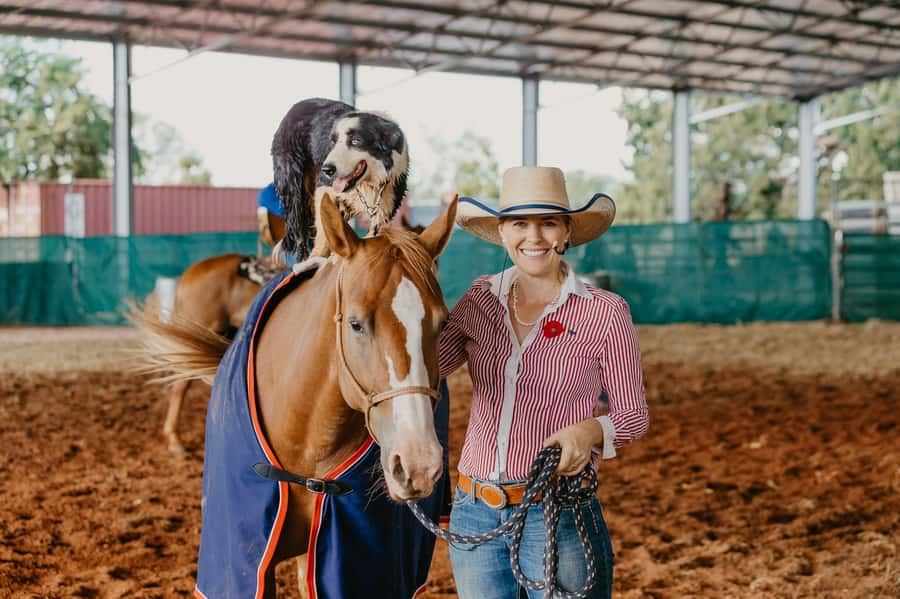
- Working dogs get their own turn: See cattle dogs and horses work together in liberty demonstrations.
- Animal contact comes after the show: You can pat and feed selected station animals once the formal presentation ends.
- The location is easy to reach: Uralla is only 6 kilometres southeast of Katherine, about a six-minute drive from town.
- The $59 price covers two hours: Food, drinks, and hotel transfers are not included, so plan your visit around your own transport and meals.
What the Katherine Outback Experience really offers
This is not a quick animal encounter tagged onto a sightseeing stop. It is a small performance about how people, horses, dogs, and cattle work together on a Northern Territory property.
The show combines demonstrations, music, and personal stories. You are not simply watching animals perform a set of tricks. The team explains how young horses and working dogs are trained, why patience matters, and how trust becomes a useful working tool.
That distinction matters. Horse starting can look dramatic from the outside, but the value here comes from seeing the process behind it. You get a clearer idea of the time, restraint, and judgment required before an animal can work safely around people and livestock.
The setting is an indoor arena with shaded seating, a welcome feature in Katherine’s heat. You stay under cover for the main presentation, with a view toward the horses and dogs as they are introduced to different tasks.
A few more concerts around Australia worth a look
- Sydney Harbour: 3-Hour Lunch Cruise with Live Music
★ 4.3 · 221 reviews - Mooloolaba Sunset Cruise with Live Music
★ 5.0 · 78 reviews - Mooloolaba Sunset Cruise with Live Music
★ 4.8 · 67 reviews
Arriving six minutes from Katherine
The property is at 115 Collins Road, Uralla, about 6 kilometres southeast of Katherine. From the Katherine town centre, the drive takes roughly six minutes, so this is an easy addition to a stay in town.
That short transfer is one of the experience’s strongest practical points. You do not need to set aside a full day or commit to a long road trip once you are in Katherine. It also works well as a stop before or after other local activities.
From Darwin, the trip is about three hours. That makes the show possible as part of a longer day from the Top End, though you should think carefully about the total time on the road. The two-hour presentation is the main event, not a brief roadside break.
There is no hotel pickup or drop-off. You need to arrange your own way to the property, and food and drinks are not included. Those omissions keep the listed price focused on the show itself, but they matter if you are building a tightly timed day.
The arena presentation and its shaded seating
The main show takes place in an indoor arena, with seating under shade. This gives you a more comfortable place to watch the demonstrations than an exposed outdoor paddock would provide.
The seating also helps make the presentation suitable for families. Children can see the animals at work, while adults get the explanation behind each stage of training. The team talks through the psychology of handling horses and dogs, with trust and calm communication at the centre.
The view is generally designed for watching rather than taking perfect photographs. Metal bars in parts of the viewing area can get in the way of phone and camera shots. If you care about photos, keep your expectations modest and focus on being present for the demonstrations.
That is a fair trade for a working arena rather than a polished theatre. The barriers are part of keeping people and animals safely separated, especially during horse starting. Still, photographers may find them frustrating.
Horse starting, explained in plain terms
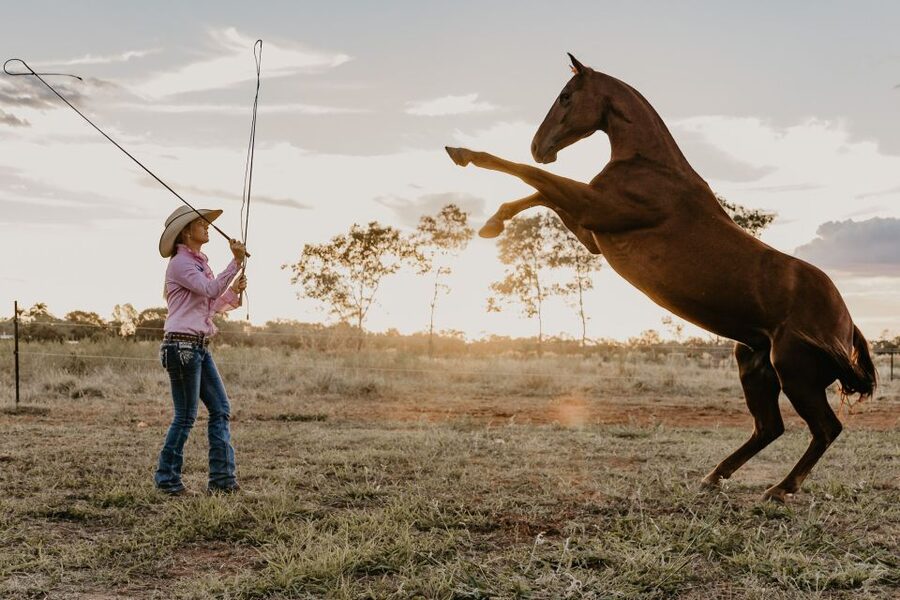
Horse starting is the most distinctive part of the experience. You watch young horses being introduced to the early stages of a working life, rather than seeing only animals that are already trained and polished.
The team explains the thinking behind the process as it happens. You learn how a relationship based on trust helps a horse understand what is being asked, and how the handler’s approach can shape the animal’s response.
For you, this makes the demonstration more than a display of control. It shows that working with horses is built from small steps. Calm handling, clear signals, and patience are not decorative ideas here. They are practical parts of getting a horse ready for useful work.
The show does not present training as instant magic. That is important. You are seeing a snapshot of a longer process, but the presentation gives you a better sense of what happens before a horse can confidently work around people, dogs, and cattle.
This part may appeal most to anyone with an interest in horses, farming, animal behaviour, or rural life. It can also connect with family memories. One account of the experience recalled growing up around a relative who shod police horses and built wagons, which shows how the show can bring back older hands-on traditions for some people.
Same city, a different sound:
- Sydney Opera House Official Guided Walking Tour
★ 4.5 · 3,770 reviews - Sydney: Sunrise Kayak, Opera House & Under Harbour Bridge
★ 5.0 · 869 reviews - Sydney: Great Opera Hits Ticket at the Sydney Opera House
676 reviews - Sydney Opera House Backstage Guided Tour with Breakfast
★ 5.0 · 329 reviews
Working dogs and horses in the same arena
The working dog demonstrations add a different pace to the presentation. Cattle dogs are shown doing the kind of controlled work that makes them valuable on a station, including demonstrations involving both dogs and horses.
The liberty work is especially useful for understanding the relationship between handler and animal. The animals respond without a display built around force or flashy tricks. You see communication, timing, and control working together.
For children, the dogs can be the instant favourite. For adults, the interesting part is seeing how the dogs fit into a wider farming system. Horses and dogs have different jobs, but both must respond to direction and remain safe around livestock and people.
The team explains the ideas behind the training, which keeps the dog work from becoming a simple cute-animal interlude. You get a sense of why a reliable working dog can save time and help manage cattle on a large property.
As with the horse starting, this is a demonstration rather than a full working day. You are seeing selected skills in a controlled setting. Even so, it gives you a useful window into a part of station life that is difficult to understand from a roadside view.
Tom Curtin’s songs and stories
Tom Curtin, the owner, brings live music into the show. His original songs include chart-topping and award-winning work, and the music is tied to his experiences of life on the land.
This is a good change of pace between animal demonstrations. Instead of a nonstop sequence of training exercises, the presentation gives you time to hear the personal side of Outback work.
The songs help explain why the show feels like more than a standard farm attraction. Farming here is presented as a way of life, with long workdays, close animal relationships, and a strong connection to place. Curtin’s performance gives those themes a voice.
You do not need to know his music before arriving. The important point is that the live performance is part of the core experience, not background sound while you wait for the animals. If you prefer a strictly hands-on farm visit, the musical sections may feel less essential. If you enjoy stories and live performance, they add real character.
The presenters also share stories from their own working lives. These personal accounts help put the demonstrations in context and give you a better feel for the people behind the property.
Meeting the animals after the formal show
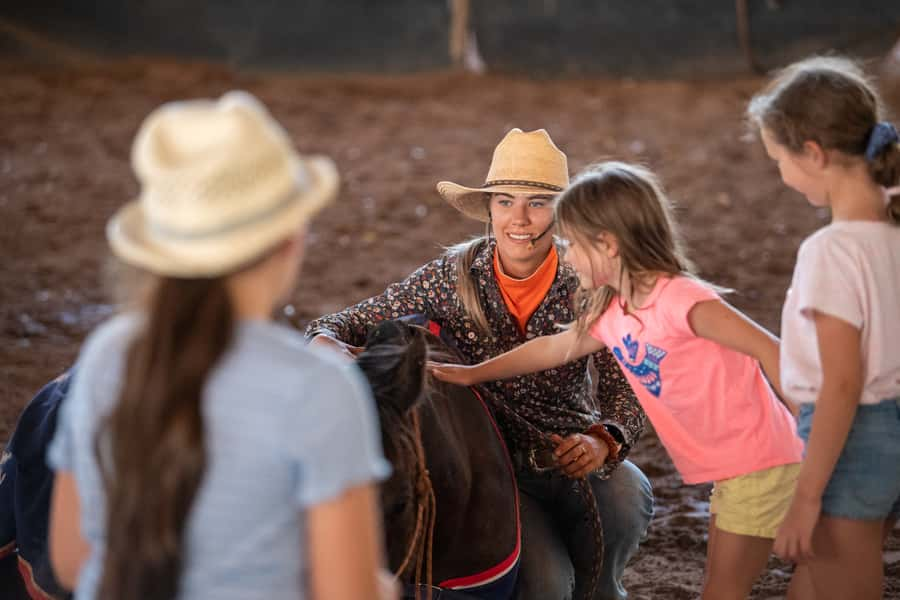
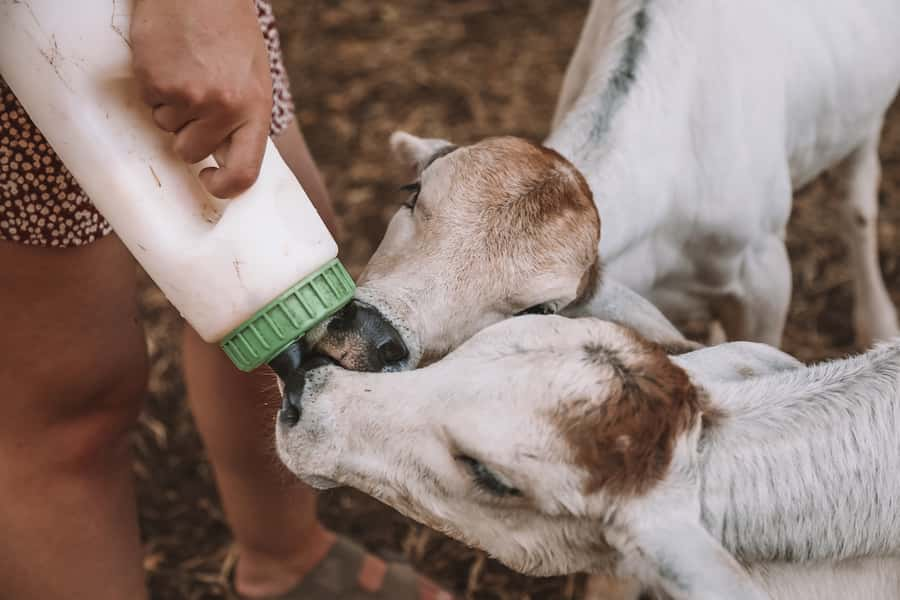
Once the presentation ends, you have time to meet and feed some of the station animals. The animals listed for contact include horses, dogs, buffalo, cattle, and goats.
This second part is valuable because it slows the experience down. During the show, you watch animals at work from your seat. Afterward, you can spend time near them and get a closer look at the different animals that belong to station life.
Animal contact is often the part younger children remember most. You can explain the difference between the working demonstrations and the quieter time afterward, helping children see that animals have different roles and temperaments.
The feeding and patting are still subject to the team’s direction. The supplied details do not promise that every animal will be available at every moment, so you should follow instructions and avoid treating the visit as an open petting zoo.
That distinction is worth keeping in mind. The property is a working station setting, and the animals are part of that operation. The chance to say hello is a benefit of the show, not the whole purpose of the visit.
How much value you get for $59
At $59 per person, the price is reasonable if you value a guided two-hour presentation with several parts: horse starting, working dog demonstrations, live music, storytelling, and animal contact afterward.
You are paying for more than a seat at a short performance. The show combines entertainment with an explanation of rural work, and the live music gives it a personal style that a basic farm demonstration may not have.
The value is strongest for families and visitors who want an activity with variety. You get movement from the animals, quieter storytelling, music, and a chance to interact with the station animals. That range helps the two hours pass without feeling like one long lecture.
The value is less clear if your main goal is a full working farm tour. The experience focuses on a staged presentation in an arena, not a broad property tour or a full day following station workers. Food and drinks also cost extra, and transport is your responsibility.
Still, the location helps. Since it is only a few minutes from Katherine, you are not spending a large part of your day reaching the venue. For a family-friendly cultural stop close to town, $59 covers a fairly full program.
Who will enjoy this most
I would recommend this experience to families, horse lovers, people interested in cattle stations, and anyone looking for a practical introduction to Outback farming culture.
It should also suit visitors who prefer a guided activity with a clear structure. The team explains what you are seeing, so you do not need prior knowledge of horse training or working dogs to follow along.
Music fans may enjoy it for a different reason. Tom Curtin’s songs give the experience a personal and local voice, and the stories connect the performance to real working life rather than treating the setting as a backdrop.
The show may be less suitable if you want a quiet wildlife encounter, a long self-guided visit, or close-up photography without obstructions. The arena bars can interfere with photos, and the main presentation is built around watching from assigned seating.
Wheelchair access is available, which makes the venue a practical option for visitors who need an accessible activity. English is the tour language, and the live guide presents the experience in English.
Timing, booking, and simple planning tips
The activity lasts two hours, but starting times vary. Check the available time before booking so you can fit the visit around your Katherine plans or the three-hour drive from Darwin.
You can reserve now and pay later, which is useful if your Northern Territory schedule may change. Cancellation is free up to 24 hours before the activity for a full refund.
Plan food separately because meals and drinks are not included. You should also allow enough time for the drive to 115 Collins Road, even though the property is close to central Katherine.
If animal contact is important to you, do not rush away when the main presentation ends. The chance to pat and feed the animals is part of the experience, and the informal time with the Outback crew gives you an opportunity to ask questions and see the animals at a slower pace.
Should you book the Katherine Outback Experience?
Book it if you want a well-rounded look at station life, with real horse training, working dogs, personal stories, and live music in one two-hour visit.
The strongest reasons to go are the gentle, trust-based approach to animal training and the variety of the presentation. The show has received a 4.9 rating from 11 reviews, with particular praise for the presenters, music, family appeal, and the chance to see training as it happens.
Skip it if you are looking for a full-day property tour, included meals, or perfect animal photographs. The bars may frustrate photographers, and you need your own transport.
For most people staying in Katherine, the short drive and broad mix of activities make this a sensible booking. It gives you an accessible introduction to the working Outback without requiring a long excursion or specialist knowledge.
FAQ
Where is the Katherine Outback Experience located?
It is at 115 Collins Road, Uralla, 6 kilometres southeast of Katherine. The property is about a six-minute drive from the Katherine town centre.
How long does the experience last?
The experience lasts two hours. Starting times vary, so check availability when you book.
What does the $59 price include?
The price includes horse starting, working dog and horse liberty demonstrations, live music from Tom Curtin, and the presentation’s storytelling. Animal contact takes place after the show.
Are food and drinks included?
No. Food and drinks are not included in the $59 price.
Is hotel pickup available?
No. Hotel pickup and drop-off are not included, so you need to arrange your own transport to the property.
Is the experience suitable for wheelchair users?
Yes. The activity is wheelchair accessible.
Can I cancel if my plans change?
Yes. You can cancel up to 24 hours in advance for a full refund. You can also reserve now and pay later.
Just added around Australia
- Opera Tickets: Turandot at Sydney Opera House★ 4.0 · 4 reviews
- Sydney Shore Excursion: Sydney Opera House Walking Tour★ 4.5 · 160 reviews
- Sydney LED Lit Kayak Tour of the Opera House and Bridge★ 5.0 · 3 reviews
- Sydney Opera House VIP Experience: Guided Tour, Dinner & Drinks★ 4.5 · 61 reviews
- Sydney Private Full-Day Tour: Opera House, Bondi Beach & Secrets★ 5.0 · 10 reviews
- Professional Photoshoot at Opera House★ 3.5 · 10 reviews
- Sydney Opera House Architectural Tour★ 5.0 · 73 reviews
- Sydney City Tour | Bondi, Opera House, Bridge & Highlights★ 5.0 · 2 reviews
Australia Concerts, compared.
Sydney Opera House Official Guided Walking Tour
Read our review →
Sydney: Sunrise Kayak, Opera House & Under Harbour Bridge
Read our review →
Sydney Opera House Backstage Guided Tour with Breakfast
Read our review →

Sydney Harbour: 3-Hour Lunch Cruise with Live Music
Read our review →
Opera Performance Tickets at the Sydney Opera House
Read our review →
Sydney Shore Excursion: Sydney Opera House Walking Tour
Read our review →Browse the lists this tour appears in