
Review · FLORENCE
Florence: Italian Opera
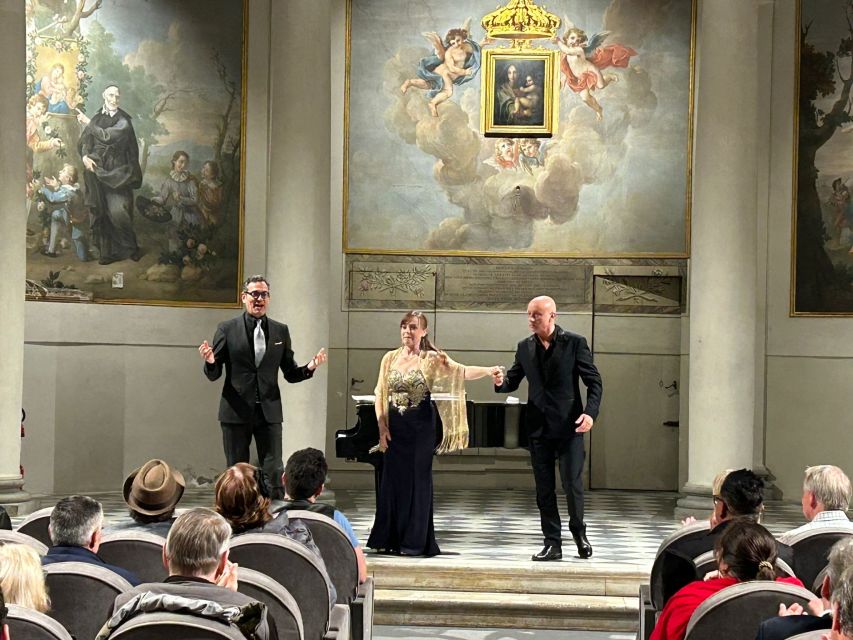
Florence has an easy way to make opera feel less formal: place famous arias in a beautiful old hall, add a pianist and two strong singers, and let the music do the work. This evening features soprano Alessia Battini, baritone David Ciarrocchi, and pianist Gianni Cigna in a program packed with familiar pieces.
I like the short, approachable format, which gives you a taste of several major composers without asking you to sit through a full four-hour opera. I also like the setting near Ponte Vecchio, where good acoustics and old-world surroundings add real atmosphere. The main consideration is that this is a concert of arias and duets, not a fully staged opera with scenery, costumes, and a large orchestra.
Key points to know before booking
- Famous music in one evening: Hear selections from Puccini, Verdi, Mozart, and Rossini, including O mio babbino caro, La ci darem la mano, and Largo al factotum.
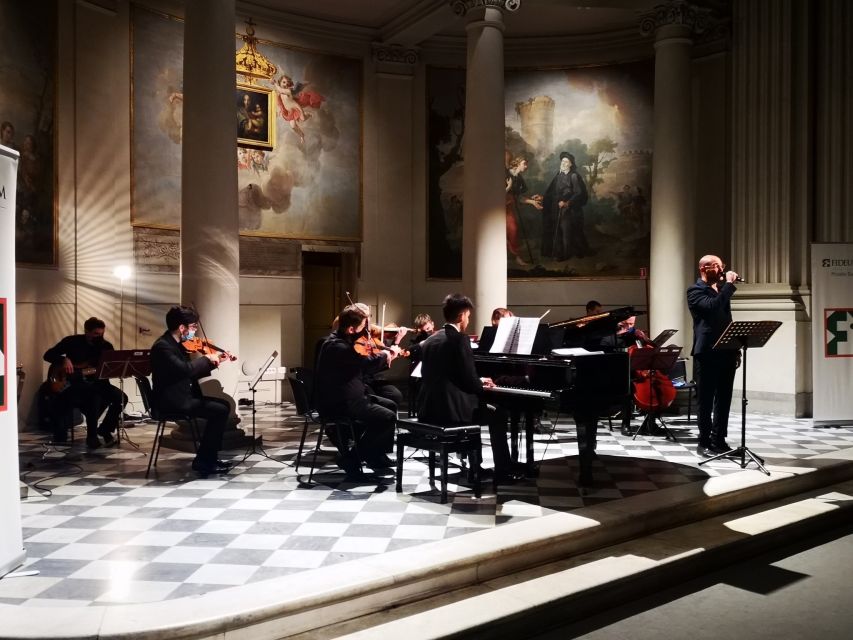
- Three featured performers: Soprano Alessia Battini, baritone David Ciarrocchi, and pianist Gianni Cigna carry the program without an orchestra.
- Historic Florence setting: The Auditorium of Santo Stefano is close to Ponte Vecchio and is known for its unusual architecture and good acoustics.
- A strong first opera experience: The familiar melodies and compact program make this a sensible introduction to opera.
- Choose your seat carefully: Three seating categories are available. A central or higher category may be worth considering if you want the clearest view and sound.
- Good value at $41: The ticket includes the concert and a printed program, but food, drinks, and transportation are extra.
What kind of opera evening is this?
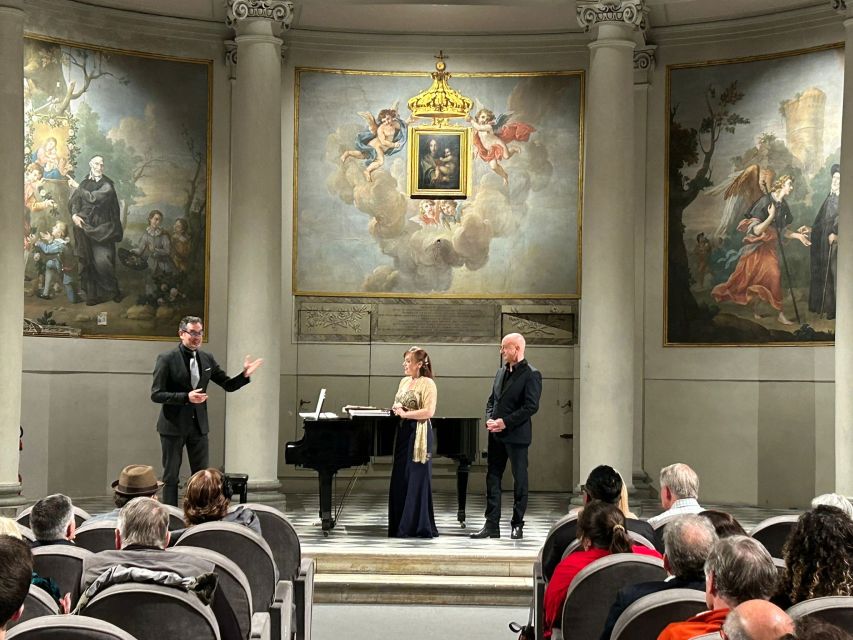
This is an opera recital, built around well-known arias, duets, and a piano interlude. You will not watch a complete story unfold from beginning to end. Instead, you will hear the emotional high points of several operas, performed by two singers with piano accompaniment.
That distinction matters. If you want a full production of La Traviata or The Barber of Seville, with an orchestra, costumes, staging, and a large cast, this is not that experience. If you want to hear the best-known music from those operas in a single Florence evening, the format works well.
The program lasts one day on the booking calendar, but the actual activity is an evening performance. Starting times depend on availability, so check the exact time and meeting point when you choose your option. The meeting location may vary between the Zeffirelli Concert Hall and the Auditorium of Santo Stefano.
The concert is also friendly to people who are new to opera. You already know some of the tunes, even if you do not know every opera. The program moves from comedy to drama, romance to bravura singing, so the evening does not feel like a single long stretch of solemn music.
More Opera Performances in Florence
- Florence: Santa Monaca Church Italian Opera Concert Ticket
★ 4.7 · 2,692 reviews - Florence Duomo, Baptistery & Opera Museum Audioguided Tour
★ 4.2 · 607 reviews - Italian Opera Concert Ticket in Florence’s Santa Monaca Church
★ 4.5 · 602 reviews
Entering the Santo Stefano Auditorium near Ponte Vecchio
One possible venue is the Auditorium of Santo Stefano, in the heart of Florence beside the famous Ponte Vecchio. Its past includes Romanesque beginnings, later Gothic and Baroque changes, serious damage during World War II, the 1966 flood, and the 1993 Georgofili bombing. Restoration in the late 1990s returned the building to use.
You do not need to be an architecture expert to appreciate the place. The shifting styles give the room an unusual character, and the old interior provides a strong contrast to the clean sound of the piano and voices. The building itself helps make this feel like a Florence evening rather than a concert that could happen in any city.
Acoustics are one of the main reasons to choose this experience. Opera singers need no microphone when the room is right, and the space lets you hear the difference between a powerful upper register, a warm baritone, and the lighter lines of a duet.
The auditorium is also near one of Florence’s busiest sightseeing areas. That makes it easy to combine with a walk across Ponte Vecchio or an evening near the Arno. At the same time, you should pay attention to the exact venue printed on your confirmation. The booking information identifies both the Zeffirelli Concert Hall and the Auditorium of Santo Stefano, and the meeting point can change by option.
The Zeffirelli Concert Hall provides the other possible setting. The supplied details do not identify which seating category belongs to which venue, so confirm that point before booking if the location matters to you.
The first half: Rossini, Puccini, and Verdi
The evening opens with Gioachino Rossini’s Largo al factotum from The Barber of Seville. This is one of opera’s great comic showpieces, written for a fast-moving baritone part. It gives David Ciarrocchi an immediate chance to show vocal energy, clear diction, and comic force.
Next comes Puccini’s Tre sbirri una carrozza from Tosca. The mood turns darker and more urgent. This helps prevent the program from becoming a string of unrelated pretty melodies. You get a quick sense of the range of Italian opera, from Rossini’s wit to Puccini’s tension.
A piano solo intermezzo follows. This is a small but useful change of pace. It gives the singers a break and lets Gianni Cigna take the spotlight as a pianist and vocal coach. If you prefer nonstop singing, this may feel like a pause in the action. If you appreciate the piano’s role in opera, it shows that the accompanist is doing much more than quietly following the voices.
Puccini’s Quando me’n vo from La Bohème brings a more glamorous mood. The aria, often called Musetta’s waltz, is playful, flirtatious, and instantly recognizable. Alessia Battini has the chance to shape a character through vocal color rather than through a full stage production.
The first half closes with Verdi’s È strano… Sempre libera from La Traviata. This is one of the evening’s major vocal tests. The music moves from reflective phrases into brilliant, demanding passages, giving you a clear example of why Verdi remains central to the opera repertory.
Mozart’s Cinque, dieci, venti from The Marriage of Figaro completes the first section. The duet has a lighter, more conversational style than the Verdi and Puccini selections. It also lets you hear how a soprano and baritone work together, rather than simply taking turns in solo arias.
There is an intermission after this group of pieces. Food and drinks are not included, though the venue information mentions a beautiful garden and a tea room where you may be able to relax or purchase a drink. Treat those as optional extras, not part of the ticket.
The second half: Mozart, Verdi, Puccini, and Rossini
The second half begins with Puccini’s O mio babbino caro from Gianni Schicchi. This is perhaps the safest choice for anyone who says they do not know opera. Its melody is direct, tender, and easy to remember, and it works well in a concert setting even without the comic staging of the original opera.
Verdi’s È sogno o realtà from Falstaff follows. Here the mood turns playful and theatrical again. Verdi’s late comedy asks for timing and personality, not only a large sound, and the selection adds variety after the more lyrical Puccini aria.
Mozart’s La ci darem la mano from Don Giovanni is the evening’s central romantic duet. The exchange between the two voices shows how opera can tell a story through musical conversation. You may not know every plot detail, but the changing balance between the soprano and baritone is easy to follow.
The program ends with Rossini’s Dunque io son from The Barber of Seville. This is a lively closing number, with quick exchanges and comic energy. It brings the evening back to the spirited style of the opening and gives both singers a final chance to show their range.
The selection is smart for a general audience. You get drama, romance, comedy, and vocal fireworks in roughly equal measure. The drawback is that the program can feel like a sampler. Some people will wish for longer excerpts or more context about each opera. A printed program is included, but the experience does not promise extended explanations between pieces.
More Opera Performances in Italy
- Florence: Opera Concert Entrance Ticket
★ 4.8 · 377 reviews - Florence: Pizza Dinner and Opera Arias Concert
★ 4.3 · 238 reviews - Florence: Opera del Duomo & Baptistery E-Ticket & Audio Tour
★ 3.5 · 52 reviews - Florence Baptistery & Opera Museum Audioguided tour with guide
★ 3.5 · 41 reviews
Meet the singers and pianist
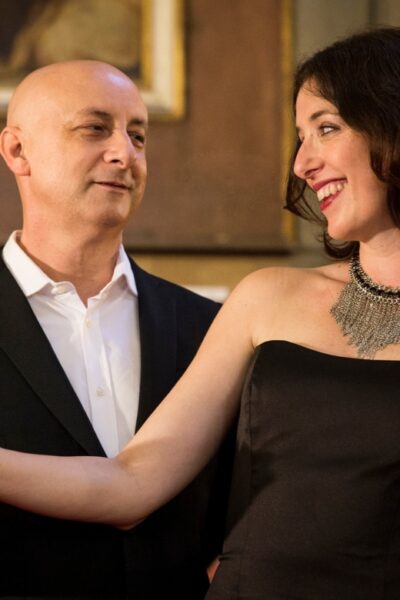
Alessia Battini is the soprano for the evening. Her description emphasizes both vocal power and emotional expression, which are important in a program that moves from comic Mozart and Rossini to the more intense world of Puccini and Verdi.
David Ciarrocchi performs the baritone parts. He has appeared in major opera productions and is a frequent artist at the Teatro del Maggio Musicale Fiorentino. His repertory includes important Mozart and Verdi roles, making him a natural fit for The Marriage of Figaro, Don Giovanni, Falstaff, and The Barber of Seville.
Gianni Cigna plays the piano and serves as a vocal coach. That background matters in a small opera concert. A skilled accompanist keeps the singers supported, follows their phrasing, and helps create the dramatic shape that an orchestra would provide in a full production.
The balance between the three performers is one of the strongest parts of the format. With no chorus or orchestra to dominate the room, you can focus on the singers’ voices and the piano’s quick response.
Why the acoustics matter more than the scenery
A concert like this depends heavily on the room. The singers must project naturally, and you need to hear both the words and the changes in tone. The Santo Stefano venue is described as having exceptional acoustics, and the old church setting adds a sense of occasion without requiring a large production.
This also explains why seat selection matters. Three categories are offered. The supplied information does not provide a detailed seating chart, so I would check the exact layout before paying extra. A higher category may give you a more central view, but the venue appears intimate enough that the middle category could be a sensible compromise.
One useful point comes from the seating experience described for the venue: the room may not feel packed with chairs. That can make even a standard ticket pleasant, though the best seats remain the safer choice if you care about a direct view of the performers.
The concert is wheelchair accessible, which makes it easier for more people to consider. Still, because the meeting point can vary, confirm the precise venue and access arrangements for your selected option before arriving.
Is $41 a fair price?
At $41 per person, the experience sits in a reasonable range for an evening concert in central Florence. Your ticket includes admission and a printed program. It does not include a hotel transfer, food, or drinks.
The value is strongest if you want an easy cultural evening without committing to a full opera production. You hear music by four major composers, performed by two singers and a specialist pianist, in a historic setting. A first-time opera visitor can get a clear taste of the art form for less than the cost and time of many full productions.
The value is less convincing if you mainly want spectacle. There is no orchestra listed, no full staging, and no complete opera narrative. You are paying for the voices, the music, the venue, and the convenience of a carefully selected program.
The printed program adds a small practical benefit. It helps you identify the pieces and follow the order of the evening. Since the program contains several excerpts, having the names in front of you is useful, especially if you are discovering opera for the first time.
Who will enjoy this most?
I would recommend this to anyone who wants a first contact with opera but feels unsure about buying tickets to a full production. The familiar music lowers the barrier, and the compact format gives you a clear sense of the art without requiring much preparation.
It also suits couples looking for an evening activity near Ponte Vecchio, families with older children who can sit through a concert, and classical music fans who want a selection of famous arias rather than one complete work.
You may want to choose something else if you need English explanations, a full orchestra, or a staged story. The available details identify the performers and pieces, but they do not promise a spoken introduction, translation, or projected subtitles.
Opera newcomers should listen for the contrast between the composers. Rossini often brings speed and comic sparkle. Mozart gives the duets a conversational quality. Verdi asks for strong dramatic weight, while Puccini leans toward long, emotional melodies.
Practical planning for your Florence evening
Plan your sightseeing so you are not rushing from the Uffizi, a long dinner, or a distant part of the city immediately before the performance. The venue is central, but the exact meeting point depends on your chosen option.
Check the start time carefully. The activity is sold as a one-day experience, but the available performance times can change. The name of the venue on your confirmation matters more than the general Florence location.
Allow time to find the entrance. Historic buildings can have less obvious doorways than modern theaters, and the two possible locations are not interchangeable. Bring your booking details and confirm whether your ticket is for the Zeffirelli Concert Hall or Santo Stefano Auditorium.
You can reserve now and pay later, which helps if your Florence schedule is still taking shape. Free cancellation is available up to 24 hours before the performance for a full refund. Those terms are useful, but check the exact conditions attached to your selected booking option.
Should you book the Italian Opera evening?
Book it if you want famous opera music in a manageable format, especially if this is your first opera. The historic setting, central location, three accomplished performers, and mix of Puccini, Verdi, Mozart, and Rossini give you plenty for the $41 price.
Choose a middle or higher seating category if the view matters to you, but do not assume the lowest category will be poor. The room may be intimate, and the precise layout varies.
Skip it if your priority is a full staged opera with orchestra, costumes, and a complete plot. For everyone else, this is a practical and enjoyable way to add live Italian music to a Florence itinerary without making the evening feel like homework.
FAQ
Where does the opera concert take place?
The performance takes place at either the Zeffirelli Concert Hall or the Auditorium of Santo Stefano, depending on the option booked. The meeting point may vary, so check your selected option carefully.
Which composers are included in the program?
The program includes works by Giuseppe Verdi, Giacomo Puccini, Wolfgang Amadeus Mozart, and Gioachino Rossini.
Which songs and arias will be performed?
The program includes Largo al factotum, Tre sbirri una carrozza, Quando me’n vo, È strano… Sempre libera, Cinque, dieci, venti, O mio babbino caro, È sogno o realtà, La ci darem la mano, and Dunque io son. A piano solo intermezzo is also included.
Who performs during the concert?
The listed performers are soprano Alessia Battini, baritone David Ciarrocchi, and pianist Gianni Cigna.
Is food or a drink included?
No. Food and drinks are not included in the ticket. The venue information mentions a garden and tea room where you may be able to relax or purchase a drink.
Is the concert wheelchair accessible?
Yes, the activity is listed as wheelchair accessible. Confirm the exact venue and access details for your selected option because the meeting point may vary.
Can I cancel the booking?
You can cancel up to 24 hours in advance for a full refund. The activity also offers a reserve-now, pay-later option.
Just added around Florence
- Tuscany: Cooking, Dinner & Live Opera in the countryside★ 4.8 · 13 reviews
- Symphony of Wine A Premium 8 Wines Tasting Experience in Florence★ 5.0 · 13 reviews
- Florence Baptistery & Opera Museum Audioguided tour with guide★ 3.5 · 41 reviews
- Great Italian Opera in Florence★ 5.0 · 5 reviews
- Live Opera Concert and Wine Tasting in Florence★ 5.0 · 2 reviews
- Pizza Dinner and Italian Opera Arias Concert in Florence★ 3.5 · 21 reviews
- Italian Opera in Santa Monaca Church with Dinner★ 3.5 · 33 reviews
- Duomo Museum & Baptistry: Cathedral Complex & Bell Tower★ 4.5 · 42 reviews
Florence Concerts, compared.
Florence: Santa Monaca Church Italian Opera Concert Ticket
Read our review →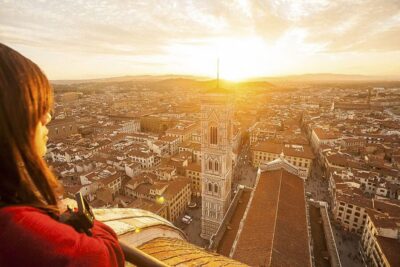
Florence Duomo, Baptistery & Opera Museum Audioguided Tour
Read our review →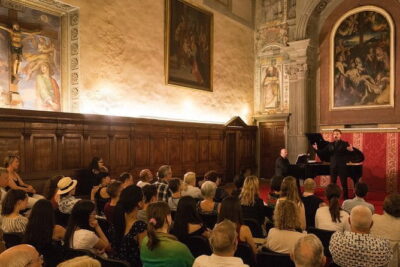
Italian Opera Concert Ticket in Florence’s Santa Monaca Church
Read our review →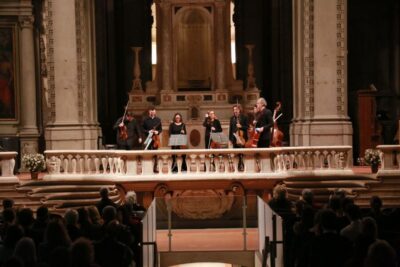
Heart of Florence: Dinner and Three Tenors Concert Ticket
Read our review →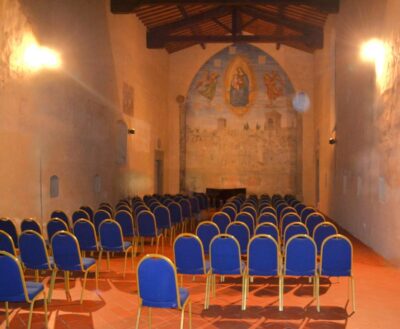
Dinner and Concert with “Three Tenors”: A Real Italian Experience
Read our review →
Browse the lists this tour appears in