
Review · ROME
Rome: The Four Seasons by Vivaldi
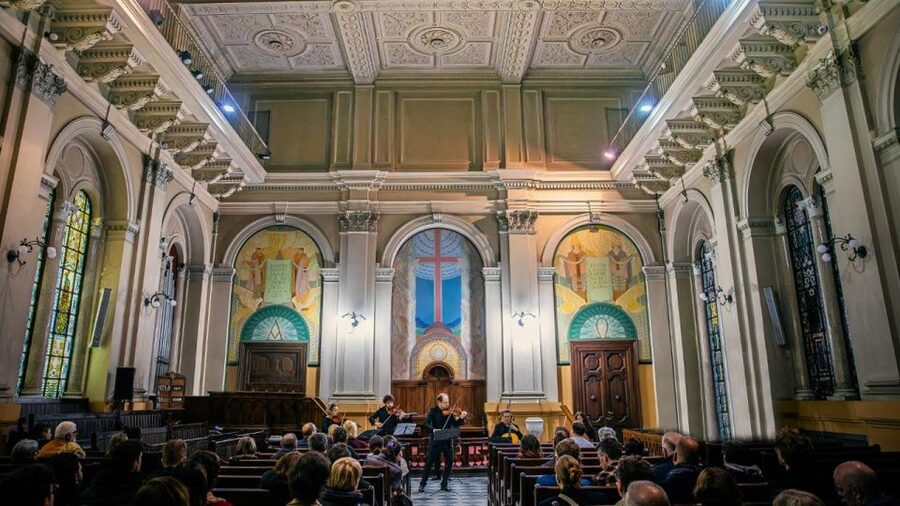
Rome has plenty of grand sights, but some of its best evenings happen in small rooms. This concert puts Vivaldi’s Four Seasons in the hands of violinist and conductor Elvin Dhimitri, with a string quintet and harpsichord. The music moves from birdsong and pastoral dances to summer storms, autumn hunts, and winter cold.
I like two things right away: the intimate scale, which lets you watch the musicians closely, and the chance to hear Italian Baroque music in an unusual central Rome setting. Sala Dante at Palazzo Poli can even offer a view toward Trevi Fountain. The main consideration is that the venue may vary, and the unnumbered seating means your position depends on when you arrive.
Key points to know before booking
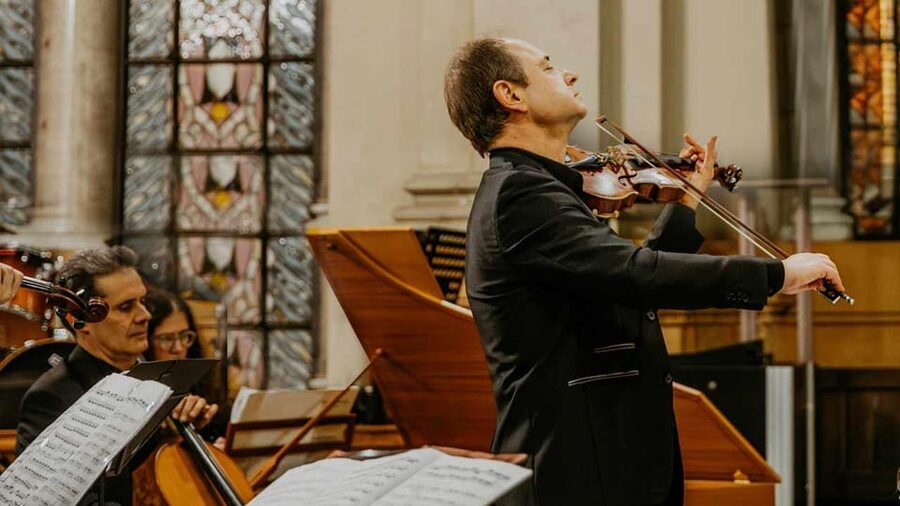
- Elvin Dhimitri leads from the first violin, combining the roles of soloist and conductor.
- The full Four Seasons is included, with Spring, Summer, Autumn, and Winter performed in sequence.
- Three Rome venues may be used: Chiesa Evangelica Metodista, Sala Dante of Palazzo Poli, or Horti Sallustiani.
- Seats are unnumbered, so seating is first come, first served.
- The advertised length is 80 minutes, though some past performances have felt closer to an hour.
- The central location works well for an evening plan, especially around Trevi Fountain and Rome’s nearby restaurants and rooftop bars.
Why Vivaldi sounds so alive in Rome
Vivaldi did not write The Four Seasons as vague background music. He built each concerto around clear scenes and moods. You hear birds calling in Spring, heat and tension rising in Summer, dancing and hunting in Autumn, and rain, wind, and chattering teeth in Winter.
That direct storytelling makes this a friendly introduction to classical music. You do not need to know Baroque music, read music, or sit through a long symphony to follow the action. The solo violin often seems to argue with or lead the surrounding strings, while the harpsichord supplies the crisp, busy foundation typical of the period.
The program also places the famous concertos beside other Baroque works, including Concerto per archi RV 127 and RV 151, plus Concerto XI No. 4 in A Major. These pieces give you a little more context before or around the main event, though the Four Seasons is clearly the evening’s centerpiece.
Baroque artists were fascinated by nature, movement, drama, and the relationship between people and the wider world. Vivaldi’s music shares that interest with the sculpture and architecture you see across Rome. You may hear a summer storm in the music, then step outside into a city full of Bernini fountains and theatrical churches. That connection is one reason this performance feels suited to Rome rather than simply portable from one concert hall to another.
More Classical Concerts in Italy
- Vivaldi’s Four Seasons meets Bach’s Masterpieces
★ 4.5 · 99 reviews - Rome: “Chopin & Italian Friends” Piano Concert
★ 4.2 · 98 reviews - The Four Seasons by Antonio Vivaldi – Sala Dante Roma
★ 4.5 · 60 reviews
Elvin Dhimitri and the small ensemble
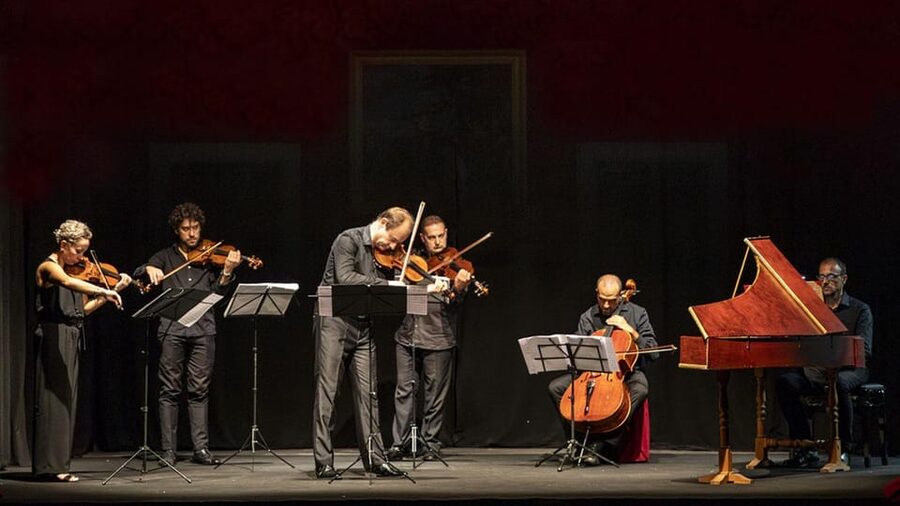
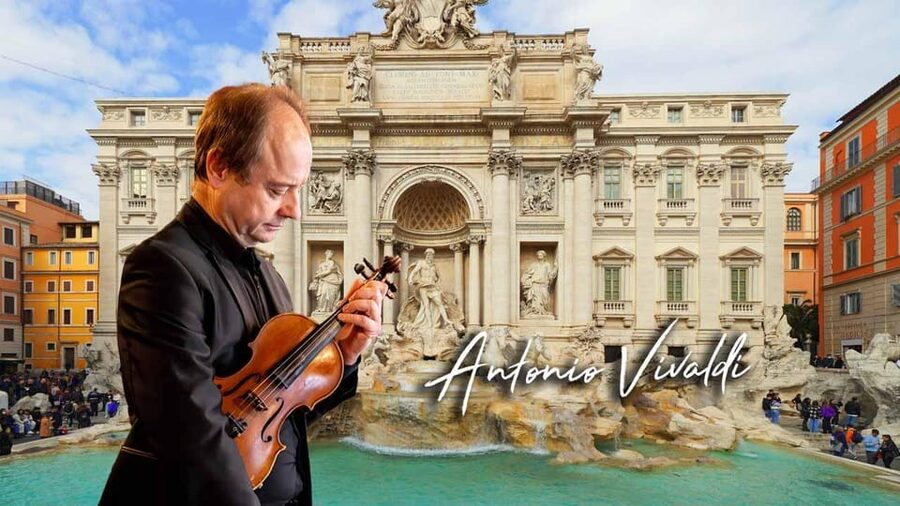
Elvin Dhimitri is listed as first violin, soloist, and conductor. His background includes work with the Rome Philharmonic Orchestra and the Rome and Lazio Symphony Orchestra, as well as orchestras in Trapani, Naples, Parma, and elsewhere in Italy.
The format is a string quintet with harpsichord. That is much smaller than a full orchestra, and the difference matters. You can follow the individual instruments more easily. The music feels less like a large public spectacle and more like a close chamber performance, with the first violin taking the lead.
Dhimitri’s role is especially important in The Four Seasons. The solo violin carries many of the recognizable images, from the nimble bird calls in Spring to the nervous motion of the storm in Summer. The performer’s energy shapes the whole evening, and the intimate venues put that work in plain view.
Several details make this format appealing. The violinist may perform much of the demanding solo material from memory, and the harpsichord adds a bright, old-fashioned sound that a modern piano would not provide. If you have heard The Four Seasons only through recordings, the live exchange between solo violin and strings gives the music a different edge.
Chiesa Evangelica Metodista on Via XX Settembre
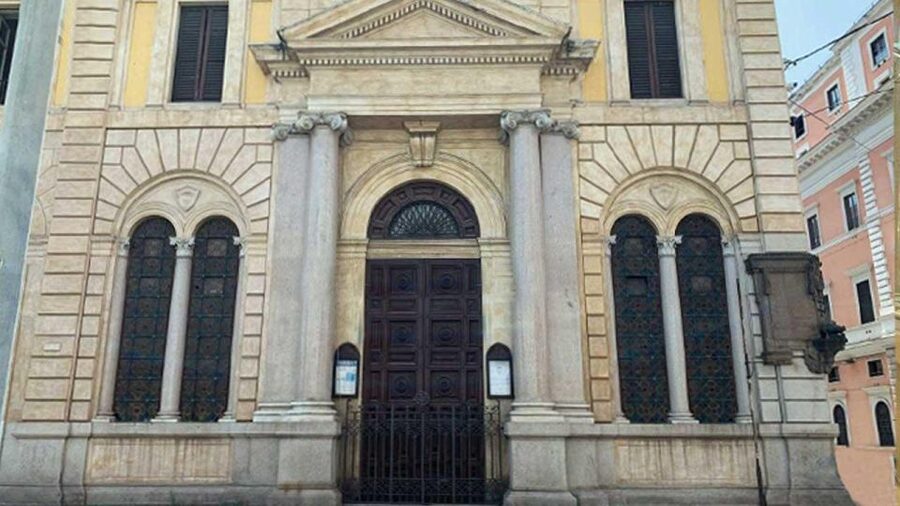
The listed meeting point is Chiesa Evangelica Metodista at Via XX Settembre 122 c. This is the setting most often associated with the performance details, and it gives the concert an old church atmosphere rather than the polished feel of a modern theater.
Church acoustics can suit strings beautifully. The sound has room to carry, and the music gains a sense of ceremony without needing elaborate staging. Past performances in the church have been praised for their strong sound and intimate mood.
There are practical limits. Seating is not numbered, and church chairs may not be arranged with perfect sightlines. One person reported that staggered rows would have made it easier to see the musicians, while another noted that the central seats purchased online did not always translate into ideal visibility. If seeing the players matters to you, arrive with enough time to choose carefully.
Temperature may also affect your comfort. Some performances have felt chilly inside, while summer concerts have been described as hot, with limited air movement. Rome’s weather can change quickly, but the church itself may not feel the same from one season to the next. A light layer is sensible in cooler months, and in warm weather you should be prepared for a less controlled indoor temperature.
Sala Dante at Palazzo Poli and the Trevi Fountain view
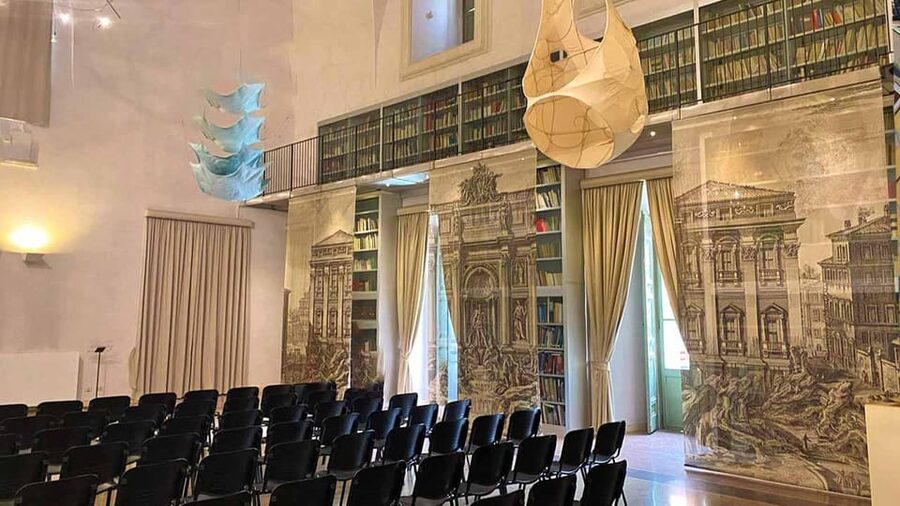
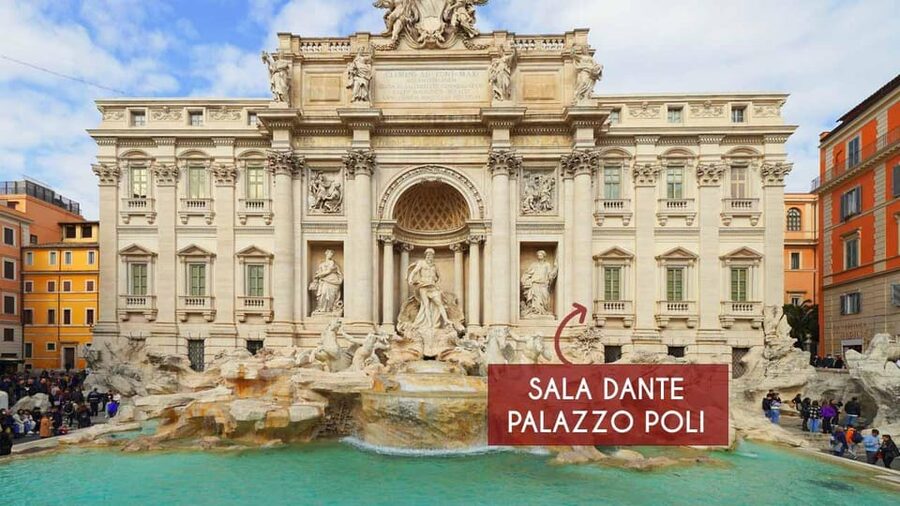
Another possible location is Sala Dante in Palazzo Poli on Via Poli 54, directly beside the Trevi Fountain area. This is the most distinctive setting in the program because the room can provide a view toward one of Rome’s most famous fountains.
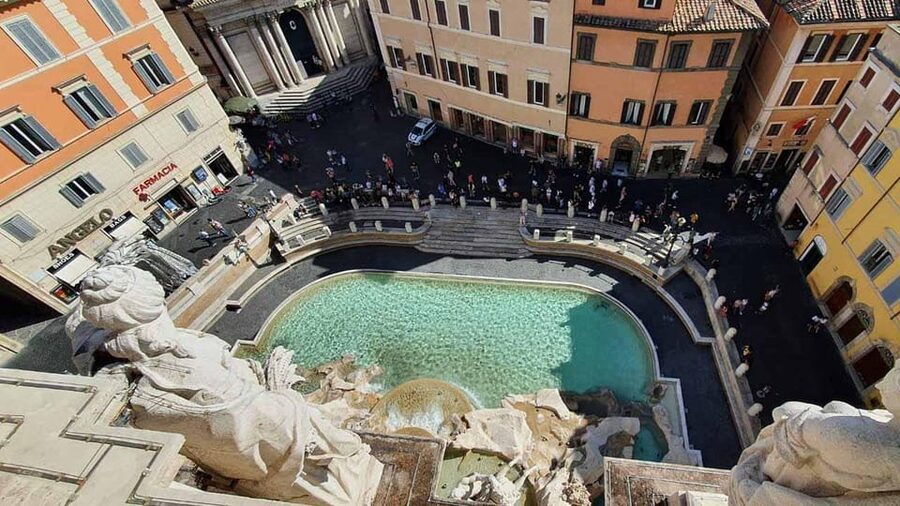
That view changes the mood of the evening. You are not only listening to Vivaldi in central Rome, but also looking out toward a Baroque landmark that fits the music’s dramatic spirit. A view of Trevi Fountain is not guaranteed in every seat, and the performance itself should remain your main reason for booking, but the location gives this option an extra appeal.
The Palazzo Poli setting also makes the concert easy to pair with an evening in the city center. You can visit the fountain before the music, then walk to a nearby bar or restaurant afterward. Past visitors have also found rooftop bars within a short stroll.
The drawback is that venue details matter. A church can feel more atmospheric for some people, while a palace room beside Trevi Fountain offers the stronger sightseeing connection. If you are booking mainly for the church setting, confirm the current venue and check for any update before you go. A venue change can affect the very atmosphere you wanted.
More Classical Concerts in Rome
- Rome: Chopin Piano Concert by Candle Glow
★ 4.6 · 42 reviews - Rome’s Vineyard Symphony: Countryside Winetasting Experience
★ 5.0 · 19 reviews - Musical masterpieces: The best of the Baroque concert
★ 5.0 · 17 reviews - Capuchins Crypt: Christmas Baroque Concert
★ 4.8 · 15 reviews
Horti Sallustiani and the double concert option
The third listed site is Horti Sallustiani at Piazza Sallustio 21. On some dates, two performances are offered, at 7:00 pm and 9:00 pm. This gives you more choice when fitting the concert around dinner or a day of sightseeing.
The earlier performance can work well if you want to keep the rest of the night open. The later performance may suit you better if you plan to eat first or spend the afternoon at Rome’s major sights. The exact starting time depends on availability, so check the date carefully when booking.
Because the venue can change, do not rely only on a remembered address from an earlier Rome visit. Use the meeting point and current instructions for your chosen date. The experience provider is Opera e Lirica srl, but the physical setting is not always identical.
What the 80-minute program feels like
The advertised duration is 80 minutes. That is long enough to hear all four seasonal concertos without committing your entire evening to formal music. It is also short enough for many families and first-time concertgoers.
The program begins with additional Baroque pieces before moving into the four concertos. Spring opens with its familiar energy, then Summer brings sharper contrasts. The slow movement can feel tense and still, while the fast sections suggest a storm gathering and breaking.
Autumn shifts the mood toward celebration and movement. You hear the peasant dance and song, the sleepy calm of drunken revelers, and the quick energy of the hunt. Winter closes the cycle with cold, rain, wind, and a more dramatic final movement.
The sequence gives you a natural story across the evening. You do not need spoken explanations to understand the broad idea. The recurring changes between fast and slow sections provide enough contrast to keep the program moving.
Some past attendees found the actual playing time closer to one hour than an hour and a half. Since the stated duration is 80 minutes, I would allow the full 80 minutes in your schedule, but I would not build a tightly timed connection immediately afterward.
Sound, lighting, and comfort
The best feature of these venues is often the sound. Strings can gain warmth and reach in a church, and the smaller room keeps the musicians from feeling distant. A concertgoer can hear the ensemble without the scale becoming overwhelming.
Still, acoustics vary by room and seat. One past assessment found the church sound less clear than expected, while many others found it excellent. That difference is believable in a historic space. The same reverberation that makes the strings glow can also soften fast passages or blur detail from certain positions.
Lighting is another small but real part of the mood. Some performances have been described as atmospheric but could have benefited from softer or dimmer lighting. Others found the setting beautiful as it was. You are buying a live music event in a working or historic-style venue, not a fully staged opera production with elaborate lighting design.
Comfort can also vary. Reports include both chilly interiors and hot summer conditions. One warm-weather account mentioned that a fan would have helped, and another noted that the hall eventually felt short on fresh air. These are not reasons to reject the concert, but they are useful reminders to dress sensibly and avoid expecting climate-controlled theater conditions.
Is $35 a good value?
At $35 per person, this is a reasonable Rome evening activity, especially if you already enjoy classical music or want something beyond another meal and monument visit. You get a full program of Baroque works, the complete Four Seasons, a professional first violinist, a string quintet, and harpsichord.
The value is strongest when the setting matters to you. A performance in a central church or a room near Trevi Fountain gives the ticket more than just listening time. You can make it part of a wider evening without paying for a separate sightseeing package.
The value is less clear if you expect a grand orchestra, assigned premium seating, or a lavish stage production. This is a compact ensemble in a smaller venue. You are paying for close contact with the music and the setting, not for the scale of an opera house.
Families may find the length helpful. One family with children aged four and eight found the roughly one-hour format manageable, and the familiar melodies can hold a young listener’s attention better than a long formal concert. Very young children may still struggle with sitting quietly, but the shorter format is a practical advantage.
Who should book this Rome concert?
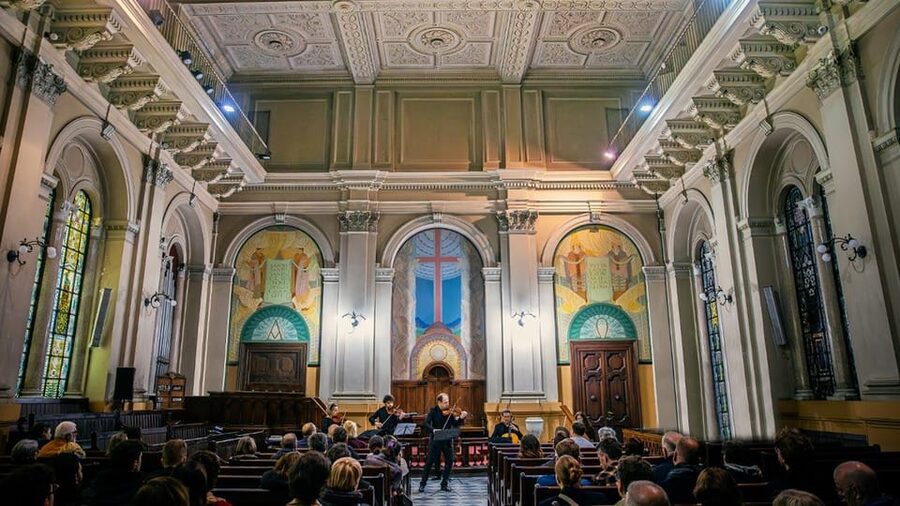
I would recommend it to you if you want a cultural evening that does not require a full night at the opera. It suits first-time classical listeners, couples, families with older children, and anyone who already knows The Four Seasons and wants to hear it live.
It is also a good match if you are staying near central Rome. The church is on Via XX Settembre, while Palazzo Poli is near Trevi Fountain, and Horti Sallustiani is at Piazza Sallustio. Check the address for your date before setting out, since the venue is part of the experience.
I would be more cautious if you need guaranteed sightlines, fixed seating, or dependable temperature control. You should also confirm the venue if the church atmosphere or Trevi Fountain view is your main reason for booking.
Booking is flexible: cancellation is allowed up to 24 hours in advance for a full refund, and you can reserve now and pay later. The activity is listed as wheelchair accessible. Seats are unnumbered, so arrive prepared for first come, first served seating.
Should you book The Four Seasons by Vivaldi in Rome?
Yes, if you want a focused, affordable concert with a strong sense of place. The music is familiar, the program is manageable, and Elvin Dhimitri’s first violin gives the performance a clear center.
I would book it as an evening add-on to Rome sightseeing, not as a substitute for a full opera production. Check the venue, allow the full 80 minutes, and arrive early if your view of the musicians matters. For $35, this is a solid choice for an intimate Baroque concert, with the understanding that room comfort and seating may vary.
FAQ
How much does the concert cost?
The ticket price is $35 per person.
How long is the performance?
The advertised duration is 80 minutes. Some past performances have felt closer to one hour, so allow the full 80 minutes when planning your evening.
Where does the concert take place?
The listed venues are Chiesa Evangelica Metodista at Via XX Settembre 122 c, Sala Dante of Palazzo Poli at Via Poli 54, and Horti Sallustiani at Piazza Sallustio 21.
Which venue is the meeting point?
The stated meeting point is Chiesa Evangelica Metodista at Via XX Settembre 122 c in Rome. Check the current instructions for your date because performances may take place at other listed venues.
Is the complete Four Seasons performed?
Yes. The program includes Spring, Summer, Autumn, and Winter, along with additional Baroque concertos.
Who performs the concert?
Elvin Dhimitri is the first violin, soloist, and conductor. The ensemble includes the Opera e Lirica string quintet and harpsichord.
Are seats assigned?
No. Seats are unnumbered and allocated on a first come, first served basis.
Is the concert wheelchair accessible?
Yes, the activity is listed as wheelchair accessible.
Can I cancel my booking?
Yes. You can cancel up to 24 hours in advance for a full refund. A reserve now and pay later option is also available.
Just added around Rome
- The Three Tenors Concert in St. Paul’s Within the Walls★ 4.5 · 49 reviews
- Rome: OPERA’S GREATEST HITS (Concert + Aperitif)★ 5.0 · 28 reviews
- Rooftop Bar Opera Show: The Great Beauty of Rome★ 5.0 · 92 reviews
- Freddie Mercury Opera Show in Rome★ 4.0 · 37 reviews
- Rome: Rooftop Gourmet Dinner & Opera Performance★ 5.0 · 4 reviews
- Opera Serenades in Palazzo Doria Pamphilj, Rome★ 5.0 · 27 reviews
- Rome: Chopin & Italian Friends Piano Concert★ 4.5 · 11 reviews
- Opera Concert Ticket in Rome with Dinner★ 4.0 · 52 reviews
Rome Concerts, compared.
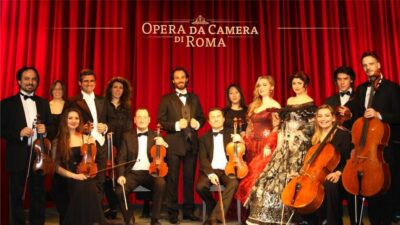
Rome: “The Most Beautiful Opera Arias” Concert
Read our review →
Rome: Opera Concert at Palazzo Poli – Fontana di Trevi
Read our review →
Rome: The Three Tenors at St. Paul’s Church Concert Ticket
Read our review →
Rome: Italian Opera Night Concert by Candle Glow
Read our review →
The Great Opera Arias Concert at Palazzo Poli – Trevi Fountain
Read our review →
Rome: Italian Opera Concert and Traditional Dinner
Read our review →
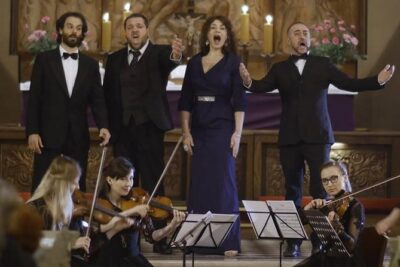
Concert Ticket – The Most Beautiful Opera Arias by Opera da Camera di Roma
Read our review →Browse the lists this tour appears in