
Review · BEIJING
Beijing Culture Event: Tea Ceremony, Music Show, Calligraphy
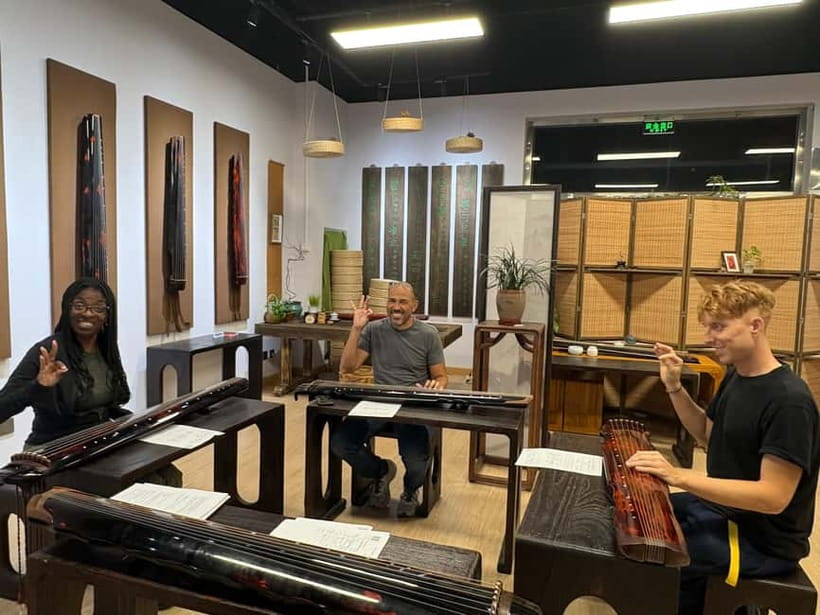
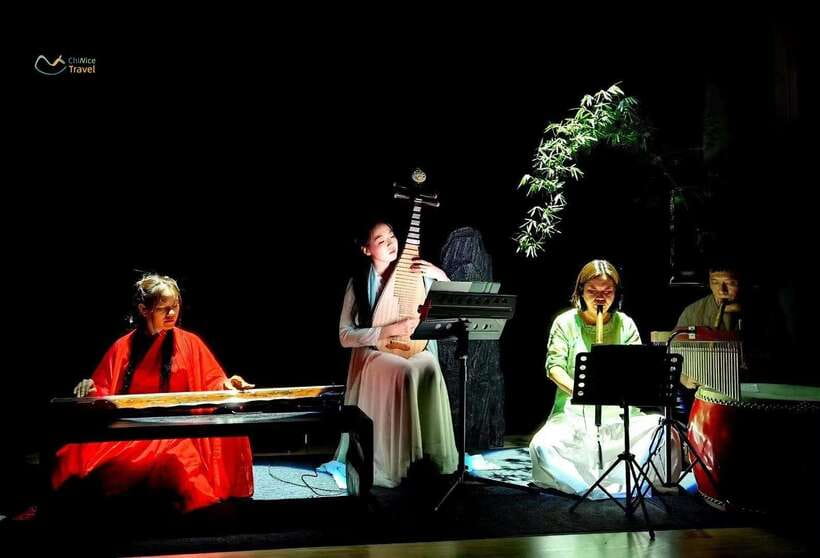
The most unusual part of this Beijing experience is its mix of tea, Guqin music, calligraphy, and ritual in one small session. You are not simply watching a stage show. You brew tea, pluck the strings of an ancient instrument, write with brush and ink, and dress in Hanfu.
I like the careful teaching and the small group of no more than eight. I also like the personal welcome: Sylvia met one family at the metro entrance and helped them find the art center. The main drawback is the fixed meeting point near Hua Gong Station, which takes planning if you are staying in central Beijing.
Key points at a glance
- Six cultural activities in 2.5 hours: Tea brewing, Guqin performance, Guqin practice, calligraphy, Hanfu ritual, and guided cultural interpretation.
- A rare Guqin lesson: A master with 40 years of experience performs and helps you play a simple melody.
- Hands-on tea training: You use porcelain tea ware and follow the traditional Six-Step Tea Art method.
- Personal help at the metro: Sylvia has met participants at Hua Gong Station’s C exit and guided them to the center.
- Good for families: The activities work across ages, with one family ranging from 11 to 40 enjoying the session together.
- A practical price: At $79 per person, the fee includes instruction, tea, Hanfu rental, photos, souvenirs, and admission.
Why this Beijing cultural session feels different
Many cultural activities in Beijing are built around looking. You visit a historic building, watch a performance, then move on. This one asks you to use your hands.
You handle a porcelain tea set, listen to a Guqin played by a specialist, try the instrument yourself, and write Chinese characters with a brush. The format gives you several ways into Chinese culture, so it works well if one member of your group is drawn to music while another prefers art or food.
The event takes place at a private Guqin Art Center and a high-end Tea Culture Base. These are not ordinary public sightseeing stops, and the experience is designed around instruction rather than quick photographs. The setting is a major reason to book it, though the activity provider describes access as exclusive and does not give a public street address in the supplied details. You will want to follow the meeting instructions closely.
The teaching is offered in Chinese and English. A bilingual cultural guide with academic training in history and sociology explains the objects, gestures, sounds, and symbols. That matters here. Tea ceremony and calligraphy can look lovely without explanation, but the meaning behind the actions is what gives the session weight.
A few more concerts around Beijing worth a look
- Vienna: Vivaldi’s Four Seasons Concert in Karlskirche
★ 4.7 · 14,951 reviews - Budapest Danube Cruise and Dinner Options, Live Music and Dance
★ 4.5 · 7,428 reviews - Paris: 3-Course-Dinner Cruise on the Seine with live music
★ 4.7 · 7,248 reviews
Meeting at Hua Gong Station
The group meets at Hua Gong Station, Exit C, on Line 7. The activity ends at the same meeting point, and the ride takes about 30 minutes from the Temple of Heaven area.
Arrive 10 minutes early. You need time to find the correct exit, meet the guide, and prepare for the Hanfu session. One family staying at the Kerry Hotel found the train journey manageable after sorting out its tickets, but Sylvia’s help at the station entrance made the final part much easier.
That detail is useful if you are new to Beijing’s metro. Give yourself extra time, especially if you need to buy or load a ticket. The activity does not include transport, so you handle the metro ride both ways.
The meeting point also makes this a poor choice for squeezing between two central Beijing sights with no spare time. Plan it as a dedicated half-day outing, even though the actual program lasts two and a half hours.
Tea ceremony with porcelain and the Six-Step method
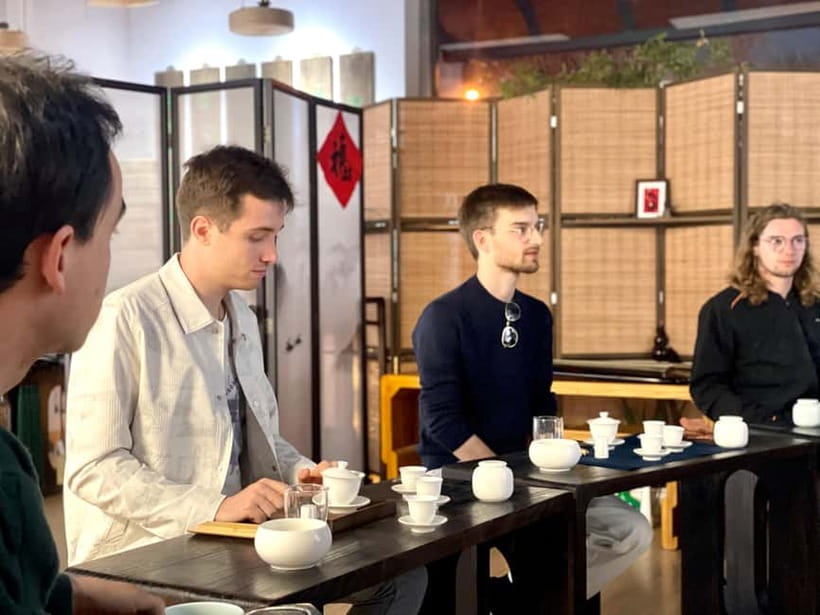
The tea portion begins with a professional tea master demonstrating the traditional Six-Step Tea Art process. You then take part rather than simply watching.
The session covers red, green, and floral teas. You learn to pay attention to aroma, color, and taste, including the way each tea lingers differently. The porcelain ware is part of the lesson, since the shape, handling, and order of the objects all help create the ceremony.
I like this section because it gives you a clear task. You are not expected to know the rules in advance. The master leads you through the sequence, and the guide explains why the motions matter.
Tea is also a good opening activity for a mixed group. Children can focus on pouring and tasting, while adults may enjoy the slower pace and small differences between the teas. The supplied details do not specify which particular teas will be served on your date, so treat the listed varieties as the planned range rather than a guarantee of every cup.
Tea and water are included. Meals and other drinks are not, so eat before or after the session if you need more than a tasting.
Hearing the Guqin played by a master
The Guqin is a seven-string Chinese zither associated with scholars, ceremony, and refined learning. The program presents it as an instrument with about 3,000 years of cultural importance, and a national-level heritage master performs for the group.
This is the listening portion of the event. The performance gives you a chance to hear the instrument properly before you try it yourself. Its sound is quieter and more restrained than the loud stage music many people expect from a cultural show. You are listening for the rhythm, tone, and connection between musical phrasing and Chinese literary culture.
The instructor has 40 years of experience, according to the activity details. That does not turn you into a musician in one afternoon, but it does mean your short lesson follows a serious demonstration rather than a novelty performance.
The Guqin is sometimes described as a national treasure, and it has been used in formal settings, including welcoming foreign dignitaries. The experience gives you context for why the instrument is treated with such care.
Same city, a different sound:
- Beijing: Traditional Cultural Show Peking Opera Tickets
★ 4.4 · 66 reviews - Liyuan Theatre Beijing Opera Show Tickets
★ 4.4 · 60 reviews - Beijing LiYuan Theatre VIP Seats Opera Show with Private Transfer Service
★ 5.0 · 43 reviews - Liyuan Theatre Peking Opera Ticket
★ 5.0 · 26 reviews
Your first Guqin lesson
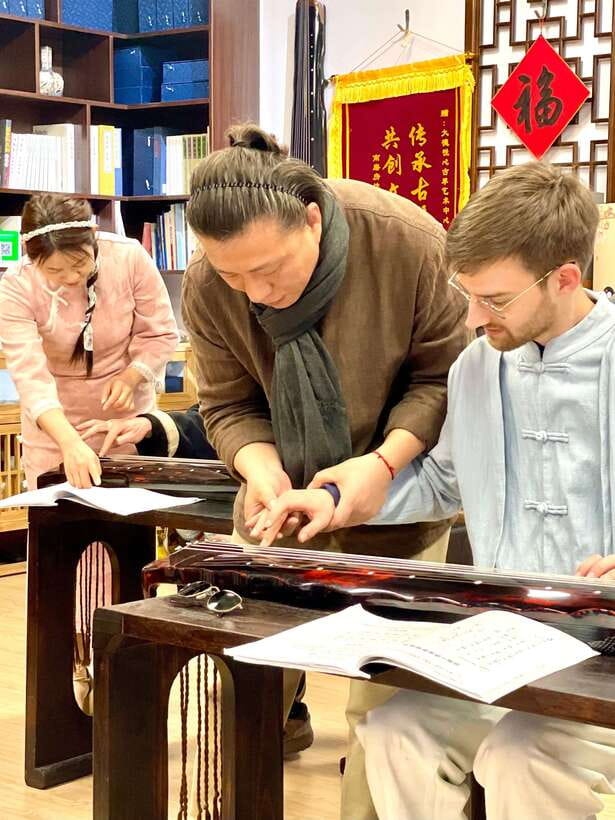
After the performance, you get to handle the instrument and learn a simple melody with guidance from one of the Guqin masters.
This is likely to be the most memorable part for people who enjoy participation. The instrument has an unfamiliar shape and technique, so do not expect a polished performance from yourself. The point is to feel the spacing of the strings, the controlled movement of the fingers, and the calm rhythm of the music.
The small group helps here. With a maximum of eight participants, the teacher can give more direct attention than you would receive in a large demonstration. The activity is described as wheelchair accessible, though you should confirm any specific seating or instrument-access needs when booking.
The class is also a useful test of the session’s tone. If you want a fast, high-energy entertainment show, this may feel slow. If you enjoy trying something unfamiliar at a measured pace, the lesson is a strong reason to choose it.
Calligraphy from pictographs to personal characters
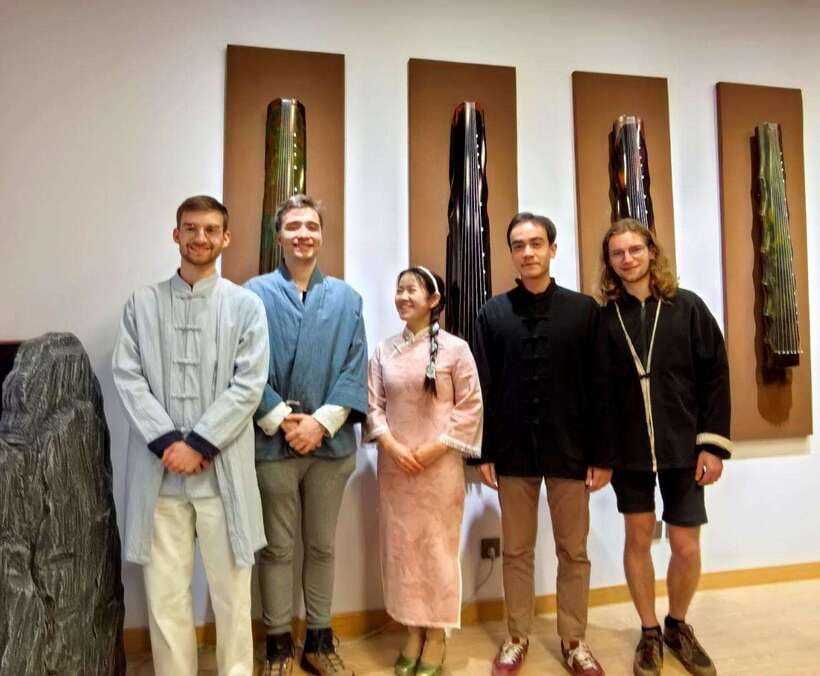
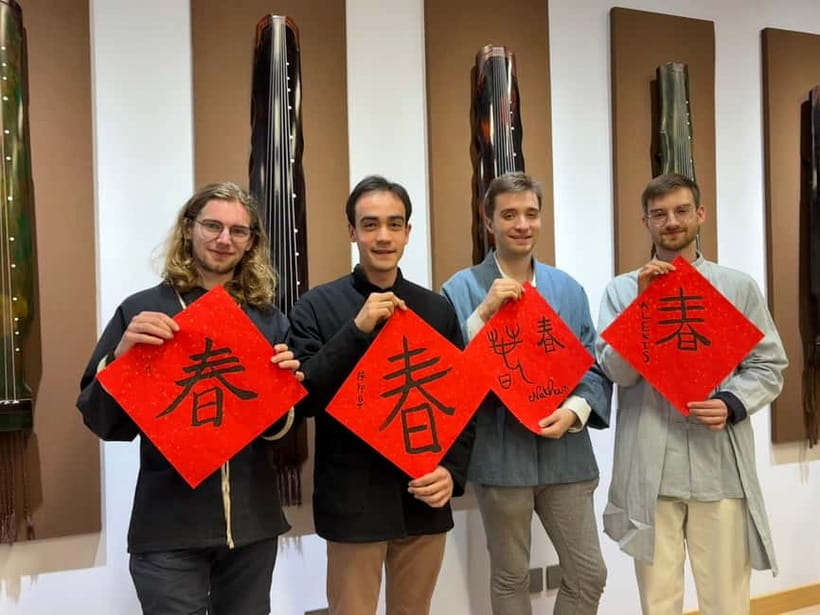
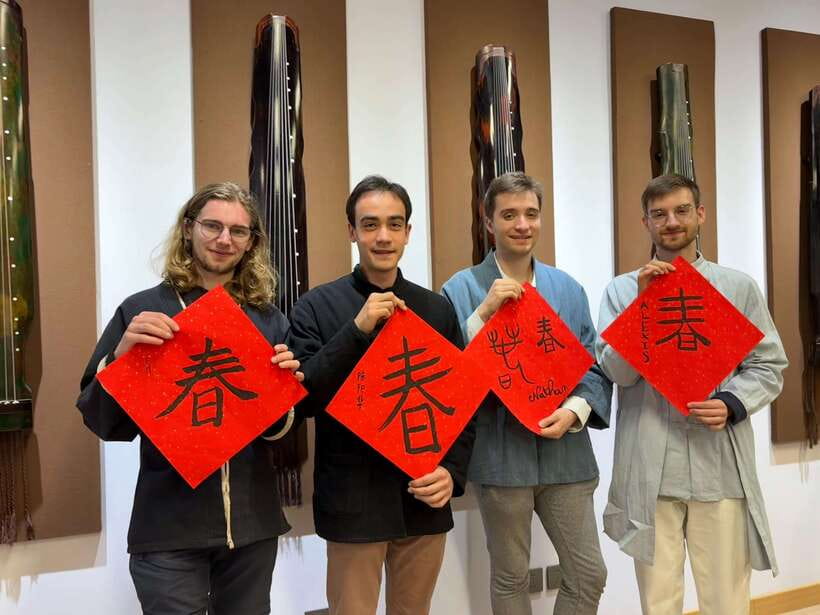
The calligraphy lesson follows an introduction to the development of Chinese writing. You see how early pictographs changed into the five major traditional styles, then use brush and ink to create your own symbol or name.
This is not a full calligraphy course. It is a guided introduction that lets you understand the basic relationship between character shape, meaning, and brush movement. The activity details say you can write a meaningful symbol, and one participant enjoyed learning to write a name and the word for blessing.
That personal result gives the lesson a practical souvenir. Your brushwork may not be perfect, but the character has meaning, and you can keep the memory in a way that a standard photograph cannot match.
Calligraphy also balances the music section. The Guqin asks you to listen and feel rhythm, while brushwork asks you to slow your hand and control each stroke. Both activities show why traditional Chinese arts place value on patience and form.
Hanfu, ceremony, and photographs
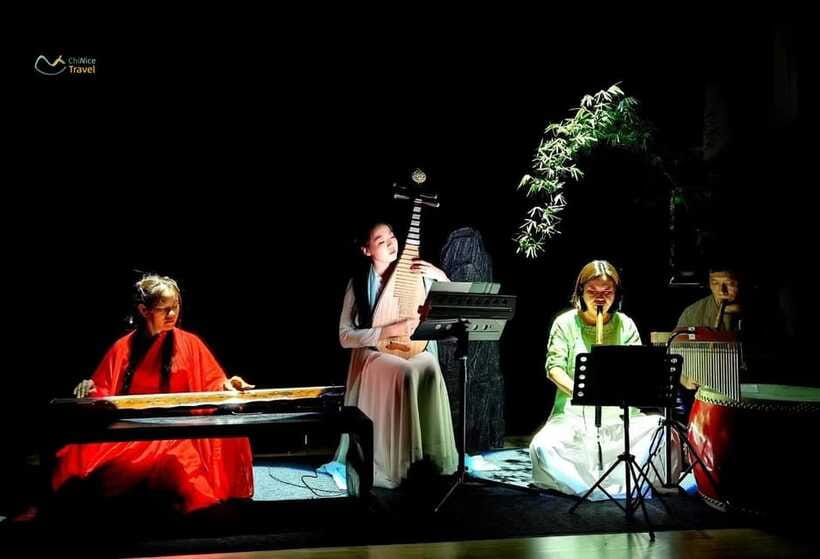
The experience includes Hanfu rental, a traditional outfit associated with Chinese dress customs. You should wear comfortable clothes underneath, since you will need to change and take part in a formal presentation.
The session includes a teacher-honoring ceremony. You are not only dressing up for a photograph. The ritual introduces the respectful relationship between student and teacher, which connects the tea, music, and calligraphy lessons.
A photo shoot is included, and you should bring your own camera if you want additional pictures. The supplied information does not promise a professional photographer or a set number of edited images, so think of the included photo opportunity as part of the experience rather than a formal portrait package.
Allow time for the clothing session. If your group has children, comfortable clothes will make changing easier. The Hanfu portion is also one of the more visual parts of the afternoon, so it may appeal to anyone who wants a distinctive Beijing photograph without visiting a major palace or monument.
The guide’s role in making the details clear
The bilingual guide does more than translate instructions. You receive explanations of the symbolism, historical setting, and philosophy connected with each activity.
That support is especially useful for English-speaking visitors. A tea movement or calligraphy stroke can seem decorative when you do not know its purpose. The guide gives you a way to connect the action with the wider culture.
Sylvia’s assistance at the metro is another practical plus. She also asked one family about allergies ahead of time so the organizers could respond to its needs. You should still share any dietary or health concerns when you book, since meals are not included and the available information does not promise special food arrangements for every booking.
The event is listed with Chinese and English instruction. Ask questions during the session. The small group format gives you a better chance to clarify a character, repeat a Guqin movement, or understand a tea step before moving on.
What the $79 price includes
At $79 per person, the price is not simply paying for a 2.5-hour show. It covers several separate elements:
- Admission to the performance and cultural venue
- Tea and water
- Tea ceremony instruction
- Guqin performance and hands-on class
- Calligraphy practice
- Hanfu rental
- Photo shooting
- A professional guide and tutor
- Original souvenirs
The value is strongest if you would otherwise book several separate cultural activities. You receive a performance, teaching, costume use, and materials in one visit, with a group capped at eight.
The price is less attractive if you only want to watch music or drink tea. Much of the fee pays for the teachers, private venue access, equipment, costume, and personal instruction. To get good value, take part in every section rather than treating it as a show.
Transportation, meals, extra drinks, and personal purchases are not included. Budget for your metro fare and allow time for food before or after.
Who should book this experience
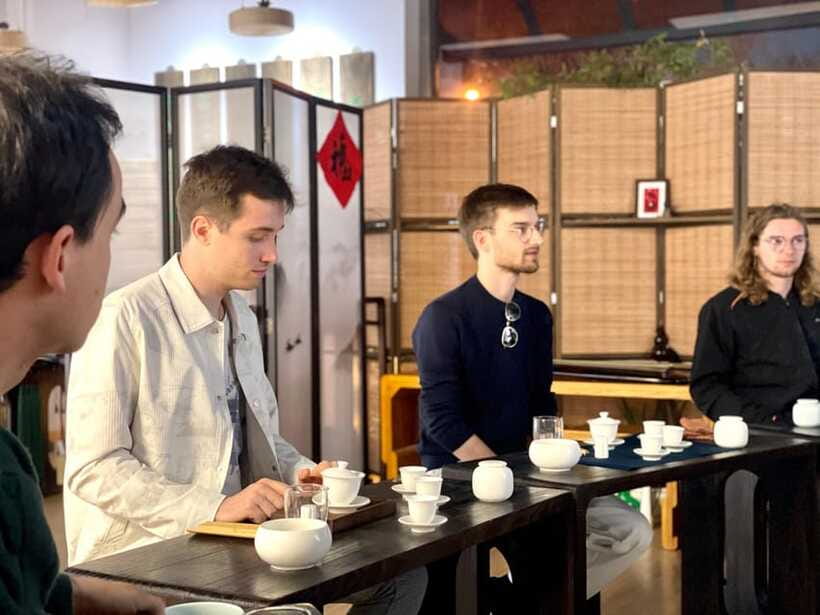
I would recommend it most strongly to first-time Beijing visitors who want culture beyond the major imperial sights. It is also a good fit for families and mixed-age groups because the program changes pace often.
The family format is particularly convincing here. An 11-year-old can enjoy the costume, writing, and instrument practice, while adults may focus more on tea, symbolism, and music. The session is personal without requiring previous knowledge.
It also suits people who prefer a small class to a large stage performance. You have a better chance to ask questions, receive help, and leave with something you made.
I would be more cautious if you dislike quiet activities, formal rituals, or changing clothes. The Guqin and tea sections are controlled and unhurried. You should also think twice if your Beijing schedule is packed, since the metro journey and meeting arrangements require more time than the listed 2.5 hours.
Free cancellation is available up to 24 hours before the start time, and you can reserve now and pay later. Check the available starting times before planning the rest of your day.
Should you book the Beijing tea and Guqin experience?
Book it if you want to do more than take photographs of Chinese culture. The strongest parts are the Guqin performance and lesson, the guided tea brewing, and the chance to write a meaningful character while dressed in Hanfu.
The experience is not a substitute for a full concert, a formal calligraphy course, or a long tea apprenticeship. It is a compact introduction that joins six activities into one focused visit.
For $79, the combination is fair, especially for families and small groups who will use the lessons, costume, photographs, and souvenir. Arrive early at Hua Gong Station, wear comfortable clothing, and set aside enough time for the metro. If those details work for you, this is a thoughtful way to spend an afternoon in Beijing.
FAQ
How long does the experience last?
The activity lasts 2.5 hours. Check the available dates for the starting times.
Where is the meeting point?
Meet at Hua Gong Station, Exit C, on Line 7. The activity ends at the same meeting point.
How far is the meeting point from the Temple of Heaven?
The meeting point is about 30 minutes from the Temple of Heaven by metro.
What languages are available?
Instruction is available in Chinese and English.
How many people are in the group?
The experience is a small-group activity limited to eight participants.
Is transportation included?
No. Transportation to and from Hua Gong Station is not included.
What does the $79 price include?
The price includes tea and water, show admission, Hanfu rental, photographs, a Guqin class, a professional guide and tutor, and original souvenirs.
Are meals included?
No. Meals and drinks beyond the included tea and water are not included.
Is the activity wheelchair accessible?
Yes, the activity is listed as wheelchair accessible.
What should I wear?
Wear comfortable clothes, especially for the Hanfu dressing session. Arrive 10 minutes early so you have time to prepare.
Just added around Beijing
- Beijing Liyuan Theater Peking Opera Ticket Booking★ 4.5 · 7 reviews
- Peking Opera at Liyuan Theater Tickets★ 5.0 · 4 reviews
- Liyuan Theatre Peking Opera Ticket★ 5.0 · 3 reviews
- Private Tour: Shichahai, Nanluoguxiang and Peking Opera&dinner★ 4.5 · 2 reviews
- Mutianyu Great Wall Tickets with Chairlift and Toboggan★ 5.0 · 24 reviews
- Beijing Opera Ticket★ 5.0 · 3 reviews
- Liyuan Theater Beijing Opera Show Tickets★ 5.0 · 3 reviews
- Beijing: Night Tour Of Peking Opera Show / Transfer★ 4.3 · 5 reviews
Beijing Concerts, compared.
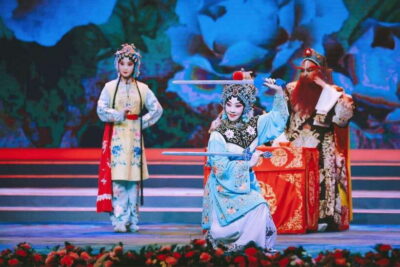
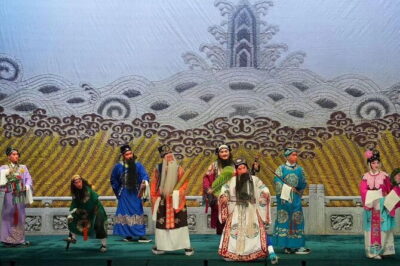
Beijing: Traditional Cultural Show Peking Opera Tickets
Read our review →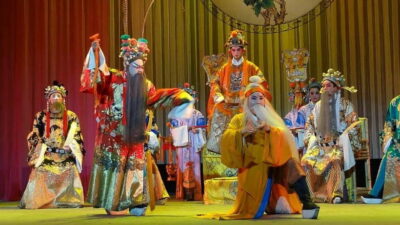
Beijing LiYuan Theatre VIP Seats Opera Show with Private Transfer Service
Read our review →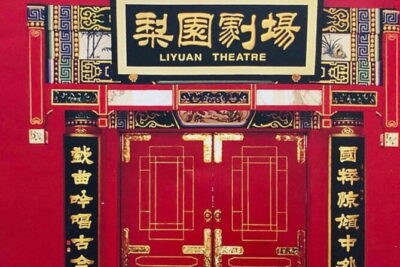
Mutianyu Great Wall Tickets with Chairlift and Toboggan
Read our review →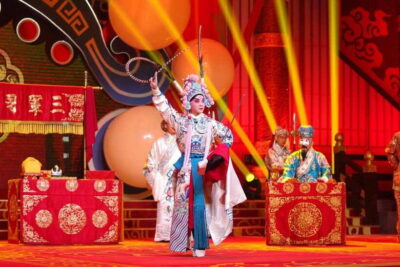
Beijing: Must-See Peking Opera at Liyuan Theatre Ticket
Read our review →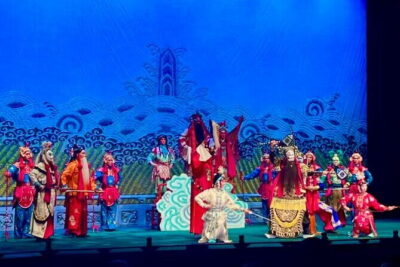
Beijing Liyuan Theater Peking Opera Ticket Booking
Read our review →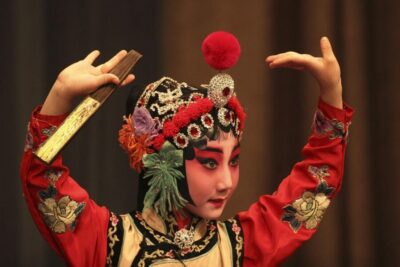
Beijing: Night Tour Of Peking Opera Show / Transfer
Read our review →Browse the lists this tour appears in