

Review · NEW YORK CITY
New York: Louis Armstrong Private Walking Tour with Concert
New York’s jazz story comes alive on foot, from Jazz at Lincoln Center and Carnegie Hall to the Hudson Theatre, where Louis Armstrong appeared in Hot Chocolates in 1929. The route links famous stages with stories about Armstrong’s music, friendships, daily life in Queens, and the city that helped shape his career.
I like the clear choice between a focused two-hour walk and a three-hour version with an evening concert. I also like the route’s mix of landmarks, including the 1912 Concert of Negro Music, James Reese Europe, Times Square, and Birdland. The main caution is guide consistency. One past guest found the guide warm and well informed about New York, but said he had to read the jazz material.
Key points to know
- Louis Armstrong in Manhattan: Follow his connections to Carnegie Hall, the Hudson Theatre, Broadway, and Birdland.
- Two tour lengths: Choose the two-hour walking route, or add an evening jazz concert with the three-hour option.
- Private format: Your group gets a licensed guide in English, German, French, Italian, or Spanish.
- Concert details vary: The performance is separate from the walking tour, and the venue and program depend on availability.
- Central starting point: Meet outside Jazz at Lincoln Center at 10 Columbus Circle, then finish back at the meeting point.
- Value depends on your choice: At $193 per person, the experience makes more sense for jazz fans who want personal guiding and a concert.
Starting at Jazz at Lincoln Center
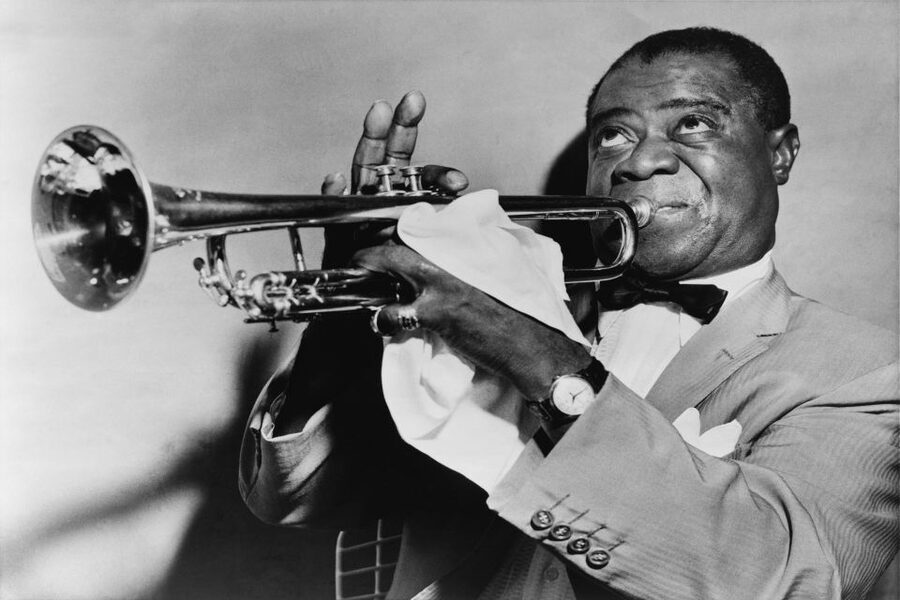
The tour begins outside Jazz at Lincoln Center at 10 Columbus Circle. You do not enter the building at the meeting point, so allow time to find the guide on the pavement outside rather than heading into the venue.
This is a fitting place to begin. Jazz at Lincoln Center is known for major performances and strong acoustics, and it gives the tour an immediate link to New York’s working jazz scene. Your guide sets the wider context here, explaining why New York became known as the Jazz Capital of America and how Armstrong fits into that story.
The private format matters at this early stage. You can ask about Armstrong’s trumpet style, his career, or the difference between a famous concert hall and a jazz club without waiting for a large group to move on. The operator aims to provide one guide for up to 25 people. Groups of 26 to 50 receive two guides, though the experience is still sold as a private group activity.
No individual guide is named in the information provided. The guide is licensed and can speak English, German, French, Italian, or Spanish. Guide quality may vary, so I would ask questions early and use the walk as a conversation rather than simply listening to a prepared speech.
More Walking Tours in New York City:
- West Harlem: Gospel Church Service and Sunday Walking Tour
★ 4.3 · 411 reviews - Hamilton Musical Themed Guided Walking Tour
★ 5.0 · 338 reviews - Half-Day Harlem Gospel Experience Walking Tour
★ 4.5 · 283 reviews
Walking Seventh Avenue toward Carnegie Hall
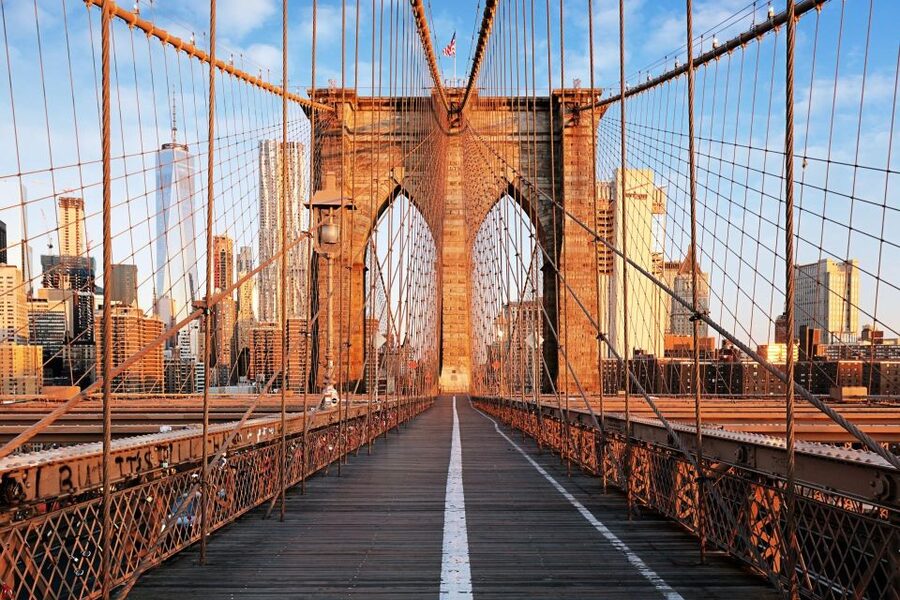
From Columbus Circle, the route follows Seventh Avenue toward Carnegie Hall. This part of the walk gives you a useful sense of how close several major New York performance spaces are to one another.
Carnegie Hall is more than a grand building on the route. It connects Armstrong to the wider story of Black music and the changing place of jazz on New York stages. Your guide tells the story of the 1912 Concert of Negro Music, presented by James Reese Europe and his Clef Club Orchestra.
That event is one of the tour’s most useful pieces of context. It points to a period when Black musicians and composers were working to gain recognition in formal concert settings, not just clubs and dance halls. You get more than a list of Armstrong’s performances. You see the musical world that came before him and helped prepare New York audiences for jazz.
The route is urban and central, with ordinary city noise, traffic, and crowds around you. This is not a quiet museum visit. Bring comfortable shoes and expect to stop outside buildings rather than enter every venue.
Carnegie Hall and the concert story
Carnegie Hall gives the guide a chance to explain how musicians built reputations in New York. Armstrong’s story is especially well suited to this setting because his career crossed many lines: popular entertainment, theater, recording, touring, and major concert appearances.
The guide also covers details about Armstrong’s personal life. You can expect stories about his daily life in Queens, the creation of his best-known songs, and his friendships with other jazz figures. These details should help turn a famous name into a person with routines, working relationships, and a place in the city.
The experience works best if you already know a little about Armstrong. You do not need to be a jazz expert, but a basic familiarity with his music will make the stops more meaningful. If you know only the name Louis Armstrong, the guide’s anecdotes can provide a useful introduction.
There is one practical concern. A past booking received praise for a very nice guide who knew a lot about New York, but the guide reportedly had to read the jazz material. That means you should keep expectations measured. You may receive a strong city walk with Armstrong added as the theme, rather than a specialist lecture from a working jazz historian.
Times Square and Broadway’s jazz connections

The walk continues through Times Square and past Broadway theaters, including the Winter Garden Theatre. This section shifts the mood from concert halls to popular entertainment.
Times Square can be noisy and crowded, but it helps show how New York’s theaters, clubs, and commercial stages overlap. Armstrong’s career was not confined to one kind of room. He worked across the worlds of music and theater, and the route uses Broadway to explain that wider reach.
The Winter Garden Theatre is one of the route’s recognizable stops. Your guide connects the theater district to jazz culture and Armstrong’s career rather than treating it as a simple photo stop. Listen for the explanation of how performers moved between concert stages, theater productions, recordings, and nightlife.
You will see the exteriors of major buildings, not receive a backstage tour. That distinction matters. If you want interior access, this is not the right experience. If you like city walks that use streets and buildings as a history lesson, the Broadway portion adds useful variety.
A few more concerts around New York City worth a look
- VIP Jazz Dinner Cruise with Private Tour and Open Bar Option
★ 4.5 · 838 reviews - Sydney Half Day Private Tour: See Sydney Opera House and Bondi
★ 5.0 · 123 reviews - Little Havana Tour Private Cuban Podcaster Art, Museums, Music
★ 4.5 · 93 reviews - Warsaw Chopin Airport Private Transfer
★ 4.5 · 75 reviews
The Hudson Theatre and Hot Chocolates
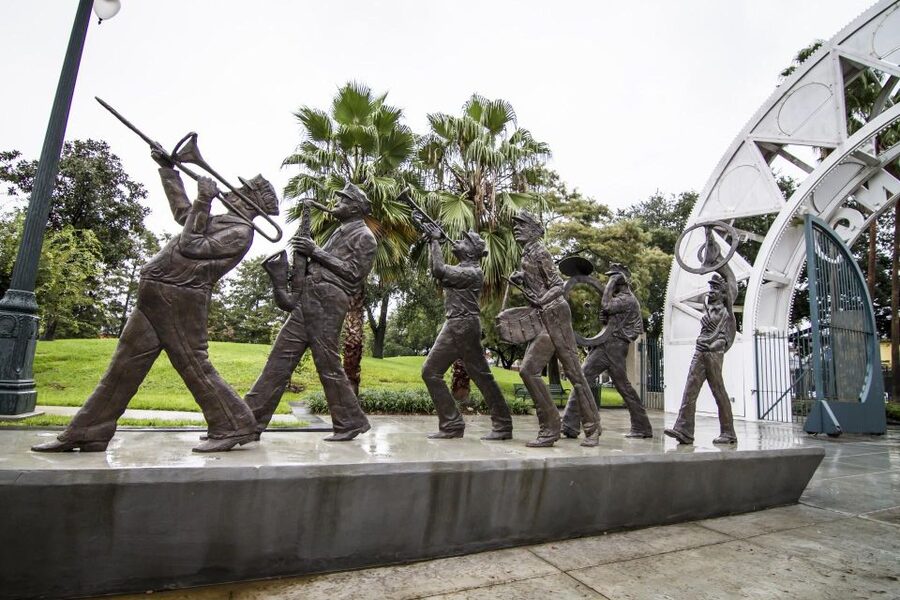
The tour concludes with an exterior view of the historic Hudson Theatre. Armstrong performed there in Hot Chocolates in 1929, an important connection between his music and New York theater.
This stop gives the walk a clear ending. You can place Armstrong in a specific production and year, rather than hearing only broad claims about his fame. It also reinforces one of the tour’s main ideas: his career moved easily between jazz performance and popular theater.
Because the visit is exterior only, you will not spend much time inside the theater. The value comes from the guide’s explanation and the location itself. Take a moment to picture the theater as part of Armstrong’s working life, then continue to the final stop at Birdland Jazz Club.
Finishing at Birdland Jazz Club

Birdland is the endpoint for the walking portion. The club is a useful final stop because it brings the story back to a venue associated with New York’s continuing jazz culture.
The tour does not promise a performance at Birdland during the walk. It ends back at the meeting point according to the activity details, while the concert included in the three-hour option is a separate attraction. Read your confirmation carefully so you know if Birdland is simply the walking route’s endpoint or the location of your later concert.
This is also a good place to ask your guide for practical advice about the evening. The exact concert venue and program are not fixed in advance. The ticket information, including the time and location, is sent by email.
Choosing the two-hour walking tour
The two-hour option is the better fit if your priority is city context. You visit or view the main landmarks along the route, hear Armstrong stories, and learn about the development of jazz in New York without committing your evening to a concert selected later.
It also works well for a tight schedule. The walk begins at Columbus Circle and finishes at the meeting point, so you are not left at an unfamiliar neighborhood at the end. Keep in mind that the exact number of attractions depends on the option you choose.
The drawback is that the two-hour ticket does not include the evening jazz concert. If you want live music, you must arrange your own show and pay separately. The walking tour may give you a strong introduction, but the sound of a live band is what turns a history lesson into a full night out.
At $193 per person, the two-hour option is expensive for a walking tour alone. The private guide, language choice, and focused subject add value, but the price will feel high if you mainly want a quick look at Carnegie Hall and Times Square.
Adding the three-hour concert option
The three-hour option includes an evening jazz concert at one of New York’s premier venues. Concerts typically begin between 5:30 and 8 p.m., and the venue and program change according to availability.
This option makes the most sense for someone who wants the walking tour to lead into live music. You spend the first part of the experience learning where Armstrong’s career fit into New York, then attend a performance by established musicians and rising artists.
There is an important separation between the two parts. Your guide does not accompany you to the concert. The concert ticket is attached to your email with the exact time and location, so check that message the day before and plan your own route from the walking tour’s endpoint.
The flexible venue can be a plus or a weakness. You may receive a good match for the available evening program, but you cannot choose a specific club, artist, or set from the tour description. If you have your heart set on Birdland or another named venue, book a concert independently instead.
At $193 per person, the three-hour option has a stronger value case than the walk alone because admission is included. Still, the ticket’s value depends on the venue and program assigned. Check the concert details before deciding how much the package is worth to you.
What the guide adds, and where to keep expectations realistic
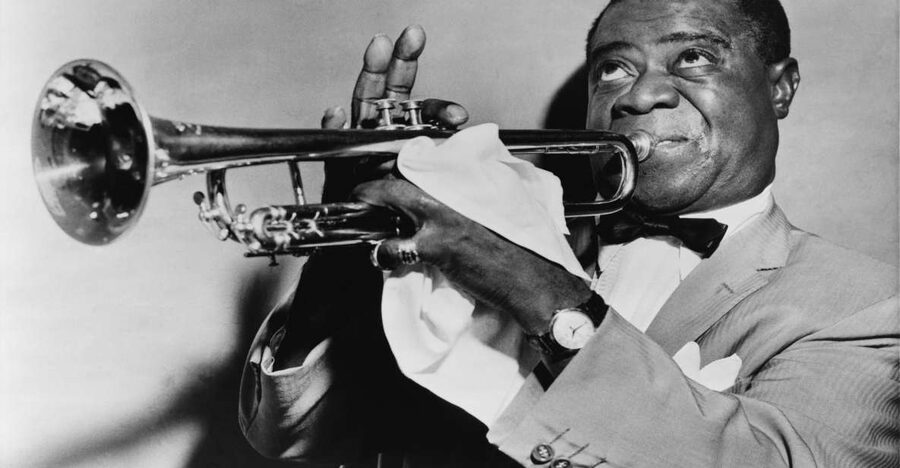
The main benefit of a private guide is the chance to connect separate places into one story. Carnegie Hall, Broadway, the Hudson Theatre, and Birdland can otherwise feel like unrelated stops. A good guide explains how they fit into Armstrong’s career and New York’s jazz culture.
The tour also offers more personal material than a standard city sightseeing walk. You hear about Armstrong’s life in Queens, his songs, and his friendships with other jazz musicians. Those details give the route a human scale.
Still, the supplied information does not name a guide with a specialist jazz background. One past experience praised the guide’s city knowledge but noted that the jazz material had to be read. I would treat this as a sign to value the tour for its private access and city setting, while keeping expectations below those for a conservatory-level music lecture.
You can improve the experience by preparing two or three questions. Ask how Armstrong’s work in theater affected his public image, which New York venues mattered most to him, or how the 1912 concert helped open doors for Black musicians. A prepared question often turns a standard explanation into a better exchange.
Practical details that affect your day
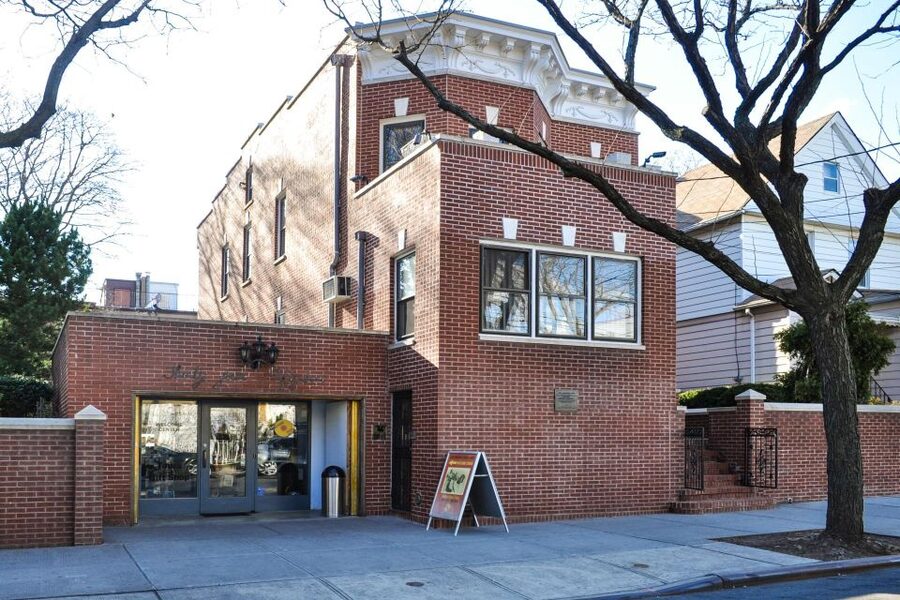
The activity lasts two to three hours, with starting times shown when you check availability. The three-hour version includes the concert, but the concert may begin later than the walking portion. Confirm the schedule before making dinner or theater plans.
Wear shoes suited to city streets. The route runs through Columbus Circle, Seventh Avenue, Times Square, and the theater district, with stops outside venues. You should expect walking, street noise, and city crowds.
The meeting point is in front of Jazz at Lincoln Center, at 10 Columbus Circle. Do not enter the venue to look for the guide. The activity ends back at the meeting point, according to the stated tour details.
Free cancellation is available up to 24 hours before the tour for a full refund. You can also reserve now and pay later, which helps if your New York schedule is still shifting. Check your email the day before because Rosotravel may send important meeting or concert information.
Guests with disabilities can contact the operator in advance for assistance. This is worth doing before booking, since the route is a walking activity and the concert venue can change.
Who will get the most from this Armstrong walk
I would recommend this experience most strongly to jazz fans who want a private introduction to New York places linked with Armstrong. It is also a good choice for first-time New York visitors who enjoy history through streets and buildings rather than a formal museum display.
The three-hour version suits couples or small groups who want a guided walk followed by live music. The language choices make it useful for international visitors, especially if you prefer to discuss music and history in German, French, Italian, or Spanish.
It is less suitable if you need a guaranteed jazz club, a named performer, or a detailed specialist lecture. It is also poor value if you are only interested in taking photos at Carnegie Hall and Times Square. You can see those exteriors without paying for a private tour.
Should you book it?
Book the three-hour option if you want a guided Armstrong-themed walk plus an evening concert and are comfortable with the venue and program being assigned later. That package gives the $193 price its best chance of feeling worthwhile.
Choose the two-hour version only if the personal guide and jazz-focused city route matter more to you than live music. Before paying, check the start time, ask about the concert details once they arrive, and keep your expectations realistic about the guide’s level of jazz expertise.
For a serious Armstrong fan, the route offers a useful connection between the musician, New York theaters, concert halls, and clubs. For a casual sightseer, the cost is harder to justify. Your decision should rest on one question: do you want a private story about jazz places, or do you mainly want a concert ticket?
FAQ
Where does the Louis Armstrong walking tour begin?
Meet your guide in front of Jazz at Lincoln Center at 10 Columbus Circle, New York, NY 10023. The meeting point is outside, so do not enter the venue.
How long does the activity last?
You can choose a two-hour or three-hour option. Check availability for the specific starting times.
Does the two-hour option include a jazz concert?
No. The two-hour option does not include concert admission. The three-hour option includes tickets for an evening jazz concert.
Is the concert at Birdland Jazz Club?
The walking route ends at Birdland Jazz Club, but the concert included with the three-hour option is a separate attraction. The venue and program vary according to availability.
Will the guide accompany me to the concert?
No. Your guide leads the walking tour but does not accompany you to the concert. The exact concert time and location are sent with your ticket by email.
What languages are available for the guide?
Guides are available in English, German, French, Italian, and Spanish.
Can I cancel the tour and receive a refund?
Yes. You can cancel up to 24 hours in advance for a full refund. The activity also offers a reserve now and pay later option.
Just added around New York City
- Harlem Sunday Gospel Experience★ 4.0 · 46 reviews
- Six The Musical on Broadway Ticket★ 4.0 · 55 reviews
- Harlem & The Rise Of Gospel Music Walking Tour★ 5.0 · 56 reviews
- Sunday Walking Tour and Gospel in West Harlem★ 4.0 · 14 reviews
- New York Harbor Wine and Jazz Sail aboard Clipper City★ 4.5 · 21 reviews
- New York: Harlem tour and Gospel service★ 4.5 · 30 reviews
- New York City Live Jazz Sail★ 5.0 · 14 reviews
- Operation Mincemeat: A New Musical on Broadway Ticket★ 4.5 · 7 reviews
New York City Concerts, compared.
NYC: Harlem Hallelujah! Gospel Wednesday Concert
Read our review →
New York City: Harlem Gospel Live Music Concert
Read our review →

NYC: Holiday Yacht Cruise with Jazz, Cocoa & Carols
Read our review →
Harlem: Central Harlem Sunday Gospel with Locals
Read our review →Browse the lists this tour appears in