
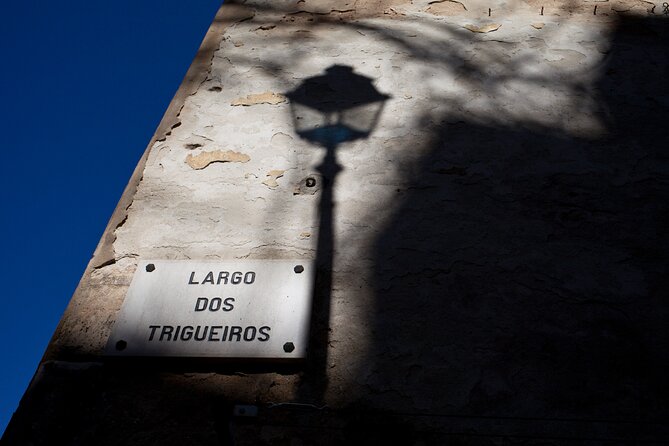
Review · LISBON
Fado: A Story of Thugs, Harlots and Poets – Private Walking Tour
Mouraria is where this tour makes fado feel like more than a style of music. You follow steep old streets, a former mosque site, a tiny lane known as the cradle of fado, and the home ground of singer Fernando Maurício. The focus is on the people and neighborhoods behind the songs, including the less polished side suggested by the title, Fado: A Story of Thugs, Harlots and Poets.
I like the private format, since Luis can shape the walk around your questions and interest in music. I also like the use of recorded fado samples, which gives the history a sound instead of leaving you with names and dates alone. The main drawback is the terrain: Mouraria means stairs and slopes, and poor weather can cancel the walk.
Key points to know before booking

- Mouraria is the subject, not a quick backdrop: The route stays close to the streets and sites tied to fado’s development.
- Luis brings music into the walk: Recorded examples help connect old singers, lyrics, and places.
- The route includes steep ground: Escadinhas da Saúde and other old streets require comfortable shoes and a steady pace.
- You visit places linked to Fernando Maurício: His story gives a personal face to Mouraria’s fado tradition.
- The tour is private and lasts about 2 to 3 hours: Only your group takes part, with a local guide and professional photographer guide.
- The price is about $31.31 per person: That is strong value for a private, specialist walk, especially for two or more people using the group format.
Why Mouraria gives fado a human voice
Lisbon has many ways to introduce you to fado. Some focus on a performance in a restaurant. This one begins before the music reaches a stage, in Mouraria, a neighborhood where streets, chapels, singers, and local legends are part of the story.
That setting matters. Fado can seem distant if you only hear it in a formal concert. Here, the route connects the music to everyday places. You see where people lived, where processions pass, and where the neighborhood’s identity faced pressure from political change and urban redevelopment.
The title points to a broad social story. This is not a tidy account of famous performers alone. It includes the rougher reputation of Mouraria and the working-class culture that helped keep fado alive. The tone is likely to suit you if you want context, personalities, and local character rather than a simple introduction to the basic rules of the music.
Luis is the guide named in the experience details. The strongest praise centers on his passion, clear explanations, and ability to connect the neighborhood with traditional singers. That combination matters on a walk like this. The places themselves are modest, so the quality of the storytelling carries much of the experience.
More Fado Shows in Lisbon
- Lisbon: Live Fado Show with Port Wine at Lisboa em Fado
★ 4.7 · 5,097 reviews - Lisbon: Fado Show and Wine inside Medieval Walls
★ 4.8 · 3,819 reviews - Lisbon: Fado Show and Portuguese Dinner
★ 4.5 · 1,531 reviews
Escadinhas da Saúde and the shape of Mouraria
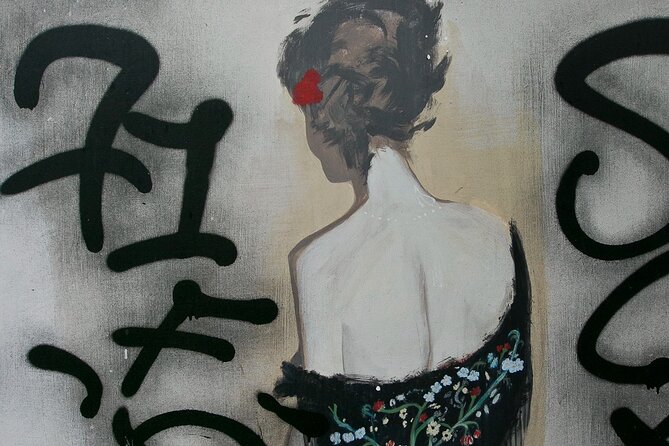
The first stop, Escadinhas da Saúde, introduces the physical character of the quarter. You encounter a large medieval wall, a steep 19th-century staircase, and a newer lift. Together, they show how Mouraria has changed while remaining a place of sharp climbs and tight passageways.
You have about 20 minutes here, and admission costs nothing. The stop is useful because it gives you a quick sense of the route before the fado story becomes more specific. The stairs also make the practical side clear: wear shoes with good grip, and expect a walking surface that feels very different from Lisbon’s broad central squares.
The newer lift is a small but telling detail. It provides a modern answer to an old problem, while the staircase keeps the shape of the earlier neighborhood visible. I like this opening because it is not just a photo stop. It explains Mouraria through its walls and movement.
The route begins at R. da Mouraria 16. Check the address carefully before setting out, since the walk starts in the neighborhood rather than at a major monument with an obvious entrance. Public transportation is nearby, and the tour ends at Centro Comercial Martim Moniz on Rua da Palma.
Nossa Senhora do Socorro and the layers beneath the streets
The next stop is Igreja de Nossa Senhora do Socorro, visited for about 15 minutes. The site is linked to a large mosque that was later converted into a Jesuit center. It is described as the heart of the neighborhood, with Vila Andrade next door and its own connection to fado.
This is where the tour broadens beyond music. You get a glimpse of how religious and civic uses change over time, leaving older layers beneath the present-day streets. Luis can use the site to explain how Mouraria developed as a place with several identities rather than a single fixed story.
Do not expect a long church visit or a museum-style display. Admission is free, and the stop is short. Its value comes from the explanation around it, especially if you want to understand why the neighborhood matters before reaching the more direct fado sites.
Rua do Capelão, the cradle of fado
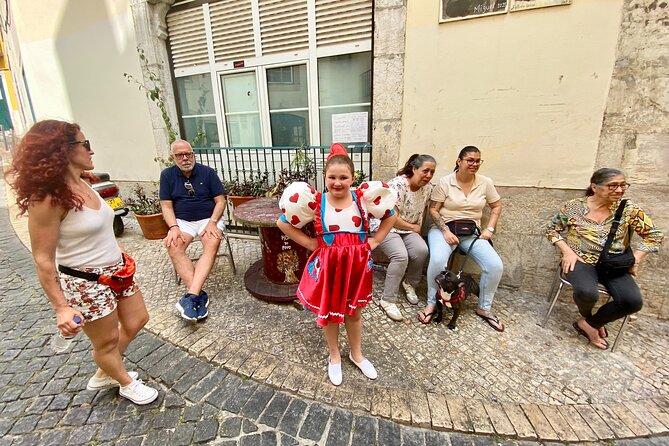
The 20-minute stop at the Monumento Mouraria Berço do Fado takes you to Rua do Capelão. This tiny street is presented as the cradle of fado and is filled with stories and legends tied to Lisbon’s song.
This is likely the emotional center of the walk. A narrow street can do more for your sense of place than a large exhibit, particularly when the guide explains how old singers and songs connect to it. Recorded music is used during the walk, a smart choice here. Hearing a sample while standing in a place associated with fado helps you connect sound and setting.
The word legends is important. You should enjoy the stories, but keep in mind that neighborhood memory and documented fact do not always have the same edges. That does not make the tales less valuable. It simply means the tour is about cultural memory as well as a strict timeline.
For music lovers, this stop is the clearest reason to book. You are not just asking when fado began. You are asking why this small part of Lisbon became so important to the form, and why old singers still matter to local identity.
Same city, a different sound:
- Lisbon: Alfama Tour and Live Fado with Traditional Dinner
★ 4.4 · 970 reviews - Lisbon: Tapas & Drinks with Fado Live Performance
★ 4.6 · 749 reviews - Fado in Chiado – Live Show in Lisbon on Stage for over 15 Years
★ 4.5 · 638 reviews - Lisbon: Live Fado Show in Historic Alfama with Port Wine
★ 4.8 · 572 reviews
Fernando Maurício’s streets and a different kind of star
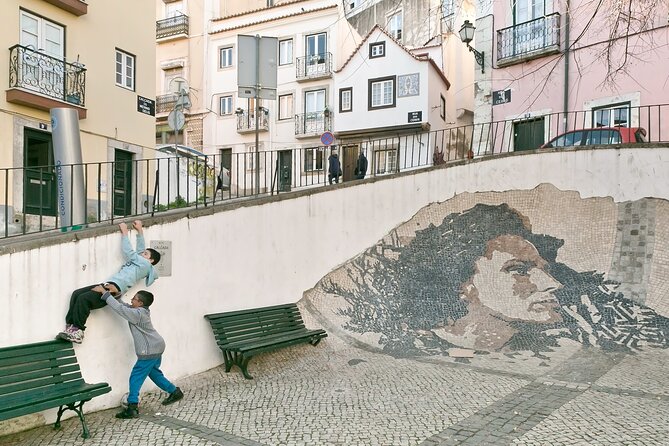
The Casa Fernando Maurício stop lasts around 15 minutes and focuses on the streets where Fernando Maurício was born, lived, and died. He is described as a fado star who did not want to be a star, as well as a legend of fado and Mouraria.
That detail gives the tour a welcome personal scale. Instead of treating fado as an abstract national symbol, you meet one singer through the places associated with his life. The story also raises an appealing contrast between fame and local belonging. Some performers become public figures. Others remain closely tied to the streets and people that shaped them.
If you already know Fernando Maurício, this stop may add a useful sense of place. If his name is new to you, Luis can provide an entry point into the older generation of fado singers. The stop is brief, so anyone seeking a full biography should not expect one. Think of it as a focused portrait within the larger Mouraria story.
The local photography element may also be most useful here and along Rua do Capelão. The experience includes a professional local photographer guide, but the supplied details do not promise a set number of photographs or edited images. Treat that inclusion as part of the guide service rather than assuming a formal photo package.
The chapel and Mouraria’s fight to remain itself

The final listed stop is Capela de Nossa Senhora da Saúde, with about 20 minutes allotted. This small church sits at the center of one of Lisbon’s popular processions and also represents the survival of fado and popular culture during the Estado Novo dictatorship.
This section gives the walk its political weight. The story is not only about old songs. It is also about a neighborhood resisting an official push to remove Mouraria in the name of progress. That link between urban change, political control, and popular culture adds substance to the tour.
The chapel is a fitting final stop because it brings music, religion, and community into the same frame. You may find the setting less dramatic than Lisbon’s grand churches, but the point is its local role. The experience asks you to pay attention to small places where a neighborhood’s memory is kept alive.
This is also where the route’s title makes more sense. The story includes outsiders, singers, popular traditions, and people living outside respectable social boundaries. The guide’s task is to show how those figures shaped the culture without turning Mouraria into a cartoon of poverty or danger.
How the private format changes the experience

Only your group takes part, which makes this different from a large city walking tour. You can ask why one singer matters, pause over a lyric, or ask for another recording without waiting for a group of strangers to catch up.
The tour is offered in English. It lasts about two to three hours, depending on pace and questions. That range is useful: a music-focused group that wants to talk may take longer, while a group mainly interested in seeing the sites may move faster.
The private format also affects value. At $31.31 per person, the cost is modest for a specialist walk, especially if you are traveling with a small group and the per-person price remains favorable. You are paying for a local guide, a private group, and a professional local photographer guide, not for entry to paid attractions or a meal.
There is no food, drink, alcoholic beverage, bicycle, air-conditioned vehicle, or snack included. That is not a weakness for this particular subject. The walk is built around streets and stories, not a tasting stop. Still, bring your own water, since the route includes slopes and stairs and no refreshments are supplied.
Who will get the most from this walk
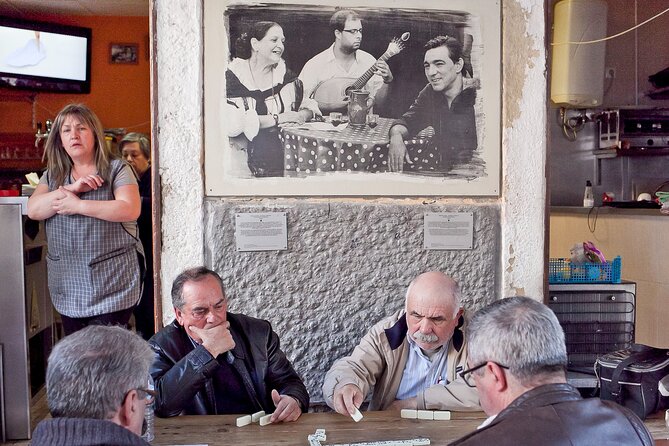
I would choose this tour if you listen to fado, plan to attend a fado show, or want to understand why the music carries such emotional weight in Portugal. The recorded samples are especially useful if you learn best through sound rather than explanation alone.
It also suits you if you have already seen Lisbon’s main sights and want a more local neighborhood focus. The route does not depend on grand monuments. It asks you to notice stairways, small churches, narrow streets, and the traces of singers.
You need not be a fado expert. In fact, beginners may get the most from the walk because the route supplies a clear starting point. The guide can explain the progression of the art form from the 20th into the 21st century, while the stops provide names and places to remember.
I would think twice if you dislike hills, stairs, or outdoor walks in uncertain weather. The tour requires good weather, and poor conditions can lead to a new date or a full refund. Service animals are allowed, public transportation is nearby, and most people can participate, but the supplied information does not promise a fully step-free route.
Timing, meeting point, and the practical details
Meet at R. da Mouraria 16, 1100-584 Lisboa. The walk ends at Centro Comercial Martim Moniz, R. da Palma, 1150-199 Lisboa, so you do not return to the starting point.
That end point is useful for planning the rest of your day, but allow time to orient yourself after the tour. The route takes place in Mouraria and covers several stops, so do not treat it as a quick transfer between two attractions.
Confirmation arrives when you book. You can cancel for a full refund up to 24 hours before the start time. Changes made less than 24 hours before the start are not accepted, and late cancellations are not refunded. Since the experience needs good weather, a weather cancellation brings the choice of another date or a full refund.
The tour is often booked well ahead, with an average booking lead time of 102 days. That suggests you should reserve early if your Lisbon dates are fixed, especially because the private format limits the number of groups that can be accepted.
Should you book the Mouraria fado walk?
Book it if you want the story behind the music, not just an evening performance. The route links Mouraria’s physical streets with fado singers, local legends, religious sites, and the pressure of political change. Luis adds the human voice, while recorded music keeps the walk from becoming a dry history lesson.
Skip it if you want a concert, a meal, or a broad survey of Lisbon’s main landmarks. This is a focused neighborhood walk with stairs, modest sites, and a strong interest in fado culture.
For music lovers, first-time visitors seeking context, and small private groups, the $31.31 price offers good value. Wear sturdy shoes, bring water, and leave room in your schedule for questions. That is when the walk is likely to give you its best reward: a clearer sense of why Mouraria remains central to Lisbon’s song.
FAQ
Where does the fado walking tour begin?
The tour begins at R. da Mouraria 16, 1100-584 Lisboa, Portugal.
Where does the tour end?
The walk ends at Centro Comercial Martim Moniz, R. da Palma, 1150-199 Lisboa, Portugal.
How long does the tour last?
The experience lasts approximately 2 to 3 hours.
Is the tour private?
Yes. Only your group participates in the private tour or activity.
What language is offered?
The tour is offered in English.
What is included in the price?
The price includes a private guide, a local guide, and a professional local photographer guide.
Are food and drinks included?
No. Alcoholic beverages, snacks, soda, and other food or drink offers are not included.
Can I cancel for a full refund?
Yes. You can cancel at least 24 hours before the start time for a full refund. Cancellations made less than 24 hours before the start time are not refunded.
What happens if bad weather cancels the tour?
If poor weather causes a cancellation, you are offered a different date or a full refund.
More Walking Tours in Lisbon
- Lisbon Fado Experience: Walking Tour, Dinner and Live Music Show
★ 4.5 · 336 reviews - Fado: Musical Walking Tour with Food & Live Show
★ 5.0 · 121 reviews - Lisbon Fado History Cultural Walking Tour
★ 5.0 · 118 reviews - Multicultural Lisbon Walk: Food Tastings, Stories & Live Music
★ 5.0 · 113 reviews
Just added around Lisbon
- Lisbon by Night Tour: Fado Show and Dinner with Pick-up★ 4.0 · 132 reviews
- Lisbon Food Tour with 3 Stops and Fado Show Performance★ 5.0 · 56 reviews
- Lisbon Capital of Fado – Private Tour with Dinner★ 5.0 · 2 reviews
- Private Tour: Lisbon Sunset Walking Tour with Fado Show and Dinner★ 5.0 · 30 reviews
- Lisbon: Rooftop Wine Tasting with Live Traditional Fado★ 3.5 · 3 reviews
- Guided Fado Night in Lisbon★ 5.0 · 2 reviews
- Authentic Alfama Experience: Fado Music and Cultural Walking Tour★ 4.5 · 48 reviews
- Portuguese Fado Live Music Show in Lisbon★ 3.0 · 11 reviews
Lisbon Concerts, compared.
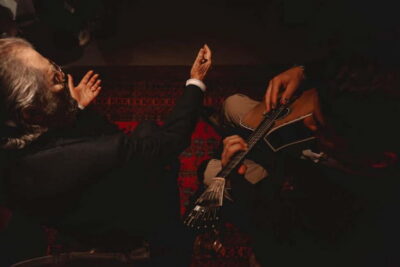
Lisbon: Live Fado Show with Port Wine at Lisboa em Fado
Read our review →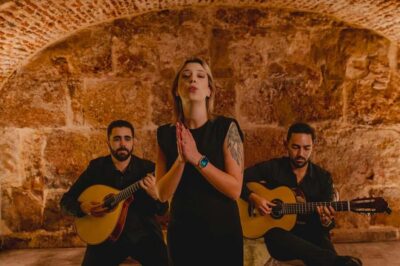
Lisbon: Fado Show and Wine inside Medieval Walls
Read our review →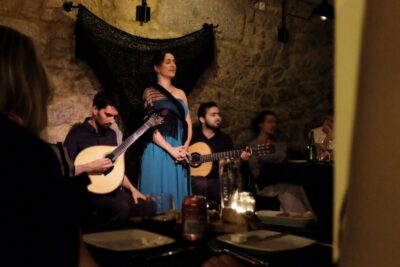
Lisbon: Alfama Tour and Live Fado with Traditional Dinner
Read our review →
Lisbon: Tapas & Drinks with Fado Live Performance
Read our review →
Fado in Chiado – Live Show in Lisbon on Stage for over 15 Years
Read our review →
Lisbon: Live Fado Show in Historic Alfama with Port Wine
Read our review →
Lisbon: Fado Night with Dinner in a Typical Fado House
Read our review →Browse the lists this tour appears in