
Review · NEW YORK CITY
Soul of Harlem: Strivers Row, Apollo Theatre, Gospel History
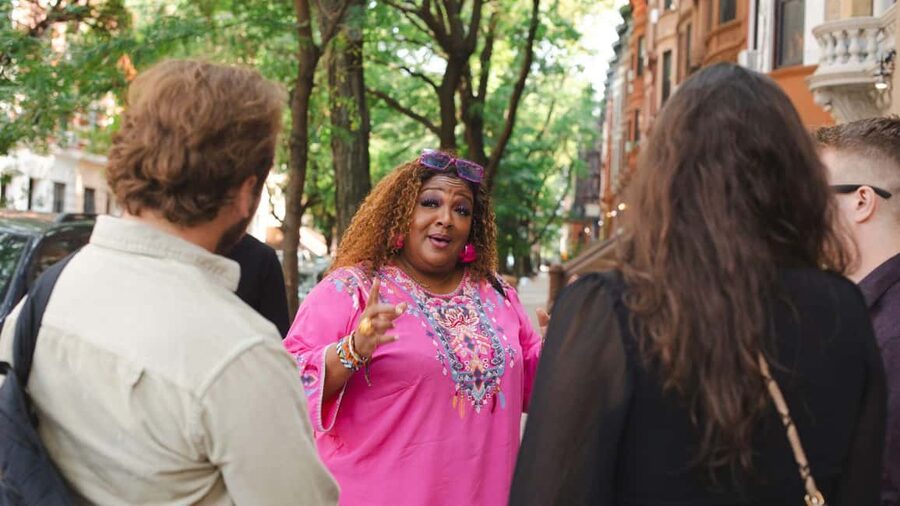
Harlem’s story comes alive through music, politics, religion, and a few wonderfully odd footnotes, including the tale of Fidel Castro being thrown out of a midtown hotel for keeping chickens in his room. This two-hour walk follows the streets tied to Ella Fitzgerald, Duke Ellington, the Harlem Renaissance, and the Apollo Theatre.
I like the focused route, which lets you spend real time in one neighborhood instead of racing between distant sights. I also like the chance to add Sunday gospel, an experience that gives Harlem’s church life a living voice rather than treating it as a museum subject.
The main limitation is access. You should expect a street-level tour with exterior views and photo stops, not a backstage visit inside the Apollo Theatre. The pace is useful for a short New York visit, but you will only get a concentrated look at Harlem.
Key points to know before you book
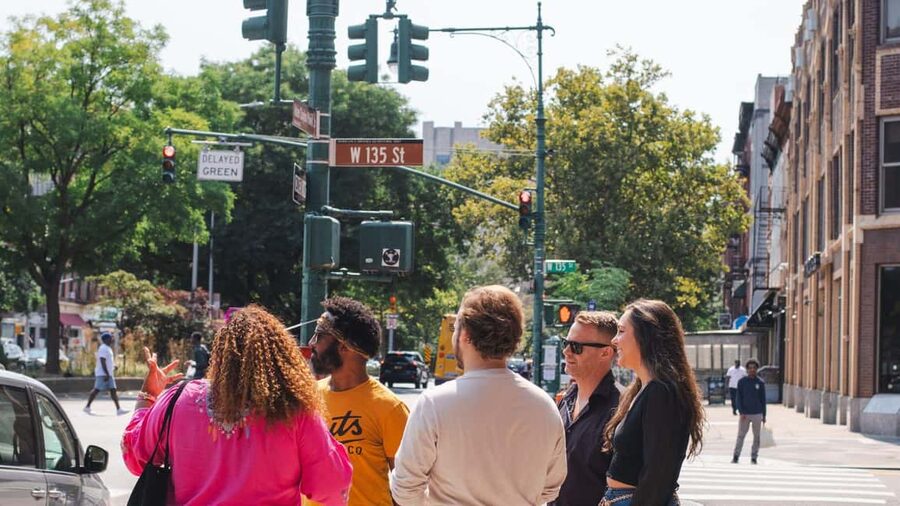
- Ella Fitzgerald and Duke Ellington’s Harlem: Follow the streets linked with musicians who helped shape American popular music.
- A local guide makes the difference: Guides such as Altovise and Ron bring personal stories, community ties, and plenty of room for questions.
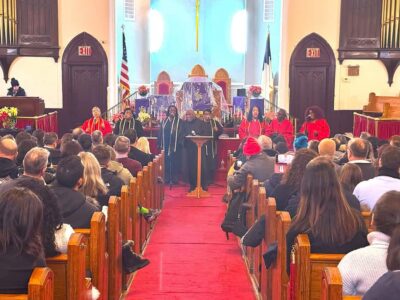
- Sunday gospel is an optional highlight: Sunday bookings include skip-the-line access to a gospel experience at a local church.
- Strivers’ Row offers a quieter side of Harlem: See elegant historic homes and learn how the neighborhood changed over time.
- The Apollo is mainly an exterior stop: You can photograph the famous theatre, but interior access is not promised.
- Two hours keeps the route manageable: The tour works well before lunch, dinner, or another New York attraction.
Harlem in two hours, with music at the center

This is not a broad bus tour of upper Manhattan. It is a walking tour that concentrates on a few blocks and connects them through stories.
That focus is a strength. Harlem has passed through major ethnic, cultural, and economic changes over roughly four centuries. In two hours, you will not cover every chapter, but you can see how homes, churches, theatres, research centers, and neighborhood businesses fit together.
Music gives the route its clearest thread. Ella Fitzgerald, Duke Ellington, and other Harlem Renaissance figures helped move Harlem’s sound onto the national and international stage. The tour also connects that artistic past with the neighborhood you see today, rather than presenting Harlem as a frozen scene from the 1920s.
Your guide matters here. Altovise has been praised for her humor, energy, community connections, and ability to answer questions. Ron is noted for using plenty of supporting material and making the walk lively. Other guides bring their own local perspective, and that personal connection can make the difference between simply spotting a building and understanding why it matters.
More Gospel Concerts in New York City
- NYC: Harlem Hallelujah! Gospel Wednesday Concert
★ 4.7 · 1,638 reviews - New York City: Harlem Gospel Live Music Concert
★ 4.7 · 1,479 reviews - Harlem Sunday Morning Gospel Tour
★ 4.0 · 995 reviews
Starting near the Apollo Theatre or Malcolm X Boulevard
The meeting point depends on the option you book. The listed starting choices include 515 Malcolm X Boulevard and the Apollo Theatre.
Check your confirmation carefully before setting out. New York addresses can look close on a map but still require extra subway or walking time, and a late arrival can be awkward on a short walking tour.
The route is in Harlem, so comfortable shoes are a sensible choice. Two hours on foot is not an extreme workout, but you will be moving between several stops and listening while standing outside.
The tour is wheelchair accessible, an important practical point for anyone who needs a route that does not depend on stairs. Still, the exact meeting point and street conditions are worth checking in advance if you have specific mobility needs.
Abyssinian Baptist Church and Harlem’s spiritual life
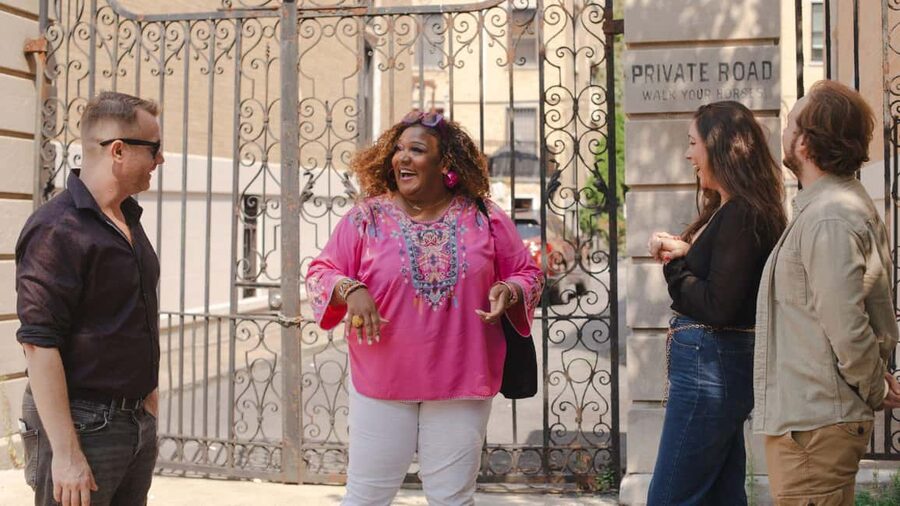
Abyssinian Baptist Church is one of the major stops, with time for a photo and a visit. It gives the tour a chance to explain how churches have served Harlem as places of worship, community life, leadership, and public identity.
The church stop also helps balance the music-heavy parts of the walk. Harlem’s cultural story is not only about clubs and performers. Religious institutions have played a major role in shaping the neighborhood and supporting its residents through changing times.
Do not confuse this listed visit with the Sunday gospel option. Gospel access is described as a Sunday-only addition at a local church. The exact church and service details depend on the booking, so check the terms attached to your chosen date.
A Sunday booking may be the best fit if you want more than an architectural look. You get the street history during the walk, then a chance to hear a living worship tradition. The schedule may feel tighter than a normal weekday tour, so arrive ready to follow the guide’s timing and church etiquette.
The Schomburg Center and the work of preserving Black culture
The Schomburg Center for Research in Black Culture is another photo stop and visit. Its place on the route makes sense: this is where Harlem’s story connects with books, documents, research, and the work of preserving Black history.
For you, the value is less about spending hours inside an institution and more about seeing that Harlem’s past is actively studied and recorded. The tour’s stories about musicians, political figures, churches, and neighborhood change gain more weight when paired with a center devoted to Black cultural research.
Because the total tour lasts only two hours, think of this as an introduction rather than a full museum visit. If the Schomburg Center interests you most, you may want to plan a separate return visit. The walking tour can help you decide what deserves more of your time.
Same city, a different sound:
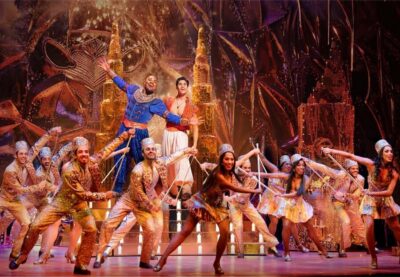
- NYC: Aladdin the Musical on Broadway
★ 4.8 · 1,800 reviews - NYC: MJ the Musical on Broadway
1,510 reviews - NYC: Moulin Rouge! the Musical on Broadway
1,329 reviews - New York City: Gourmet Dinner Cruise with Live Music
★ 4.2 · 1,074 reviews
Bill’s Place and the neighborhood’s entertainment story
Bill’s Place is included as a photo stop in Harlem. Along with the Apollo Theatre, it points toward the neighborhood’s entertainment history and the small venues that helped performers find an audience.
This is also where the tour’s anecdotal side can shine. The route includes colorful stories connected with famous figures, including the unusual tale of Fidel Castro staying in Harlem after being removed from a midtown hotel because of chickens in his room.
Stories like this make the walk memorable, but the value is not only in the odd detail. They show Harlem as a place where international politics, celebrity, music, and everyday neighborhood life have crossed paths.
Do keep expectations realistic. A photo stop means you should not assume a long indoor visit or a performance. The guide’s explanation is the main experience at this point.
Strivers’ Row, elegant homes and changing fortunes
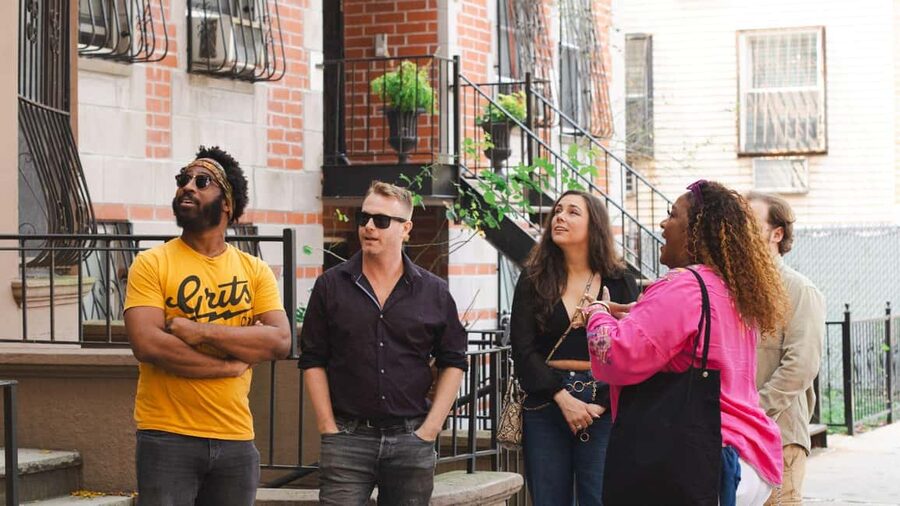
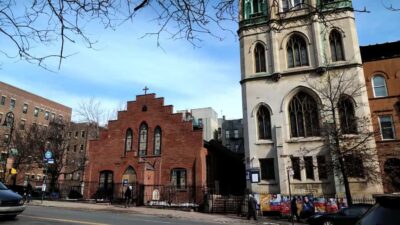
Strivers’ Row offers a change of mood. Instead of focusing only on music venues and public institutions, the tour pauses at a residential area known for its attractive historic homes.
The name itself opens a conversation about aspiration, class, race, and the people who built lives in Harlem. The homes help you see that neighborhood history is also written in doorways, façades, and streets where families lived, worked, and planned for the future.
This stop is especially useful for anyone who wants a fuller picture of Harlem. You are not just following famous names. You are looking at the physical setting where residents created a community through several periods of change.
Again, this is a photo stop rather than a promise of entry into private homes. The guide’s stories provide the context, so listen closely and ask questions if you want to understand how Strivers’ Row fits into Harlem’s wider story.
The Apollo Theatre, a famous façade with limits
The Apollo Theatre is the natural closing point for a walk built around Harlem music. Its name carries enormous weight, and seeing it in person connects the neighborhood’s musical past with the stage that helped launch and support major performers.
The Apollo is best approached with the right expectation. You will get a photo stop and an explanation from the guide, but interior access is not included in the information provided for this experience. Renovation or operating conditions may also affect what you can see.
I would not book this tour mainly because you hope to peek inside the theatre. Book it for the surrounding history and for the way the guide connects the Apollo to Harlem’s wider musical world. If an interior visit is essential, check separately for a theatre tour or performance.
The walk can end at the Apollo Theatre or Memorial Baptist Church, depending on the option and route. That gives you useful flexibility for continuing your day, but confirm the exact drop-off point before planning a tight connection.
Why the guide can shape the whole experience
A short neighborhood tour relies heavily on the person leading it. Harlem has many layers, and a guide reading a list of dates will not give you the same experience as someone who can explain how the past relates to current community life.
The strongest guide reports here point to three useful qualities: clear knowledge of Harlem’s history, an entertaining delivery, and real local relationships. Altovise is described as funny, engaging, and closely connected to the community. Ron is noted for bringing documentation and making landmark information lively.
One particularly useful feature is the attention to questions and follow-up suggestions. A guide may point you toward places to eat after the walk or mention local resources connected with a stop. That turns the tour into a starting point for a longer Harlem visit.
Guides may vary, so you cannot assume you will receive the same person on every date. Still, the format gives the leader room to personalize the walk, especially if the group asks about food, music, churches, politics, or present-day Harlem.
Is $49 a fair price for two hours?
At $49 per person, this is not the cheapest way to see a few Harlem landmarks. You can walk past the Apollo Theatre and take photographs without paying for a guide.
The value comes from the interpretation. You are paying for a concentrated route, a live English-speaking guide, historical connections, and the chance to ask questions as you go. The Sunday gospel addition makes the price more appealing if that experience is included in your selected booking and is important to you.
The price is less convincing if you want a long indoor museum visit, a theatre tour, or a broad survey of all Harlem. The experience is short and mainly outdoors, so think of it as a guided introduction rather than a full-day cultural program.
For a first visit to New York, I see the best value in using this tour as an anchor. Take the walk, note the places that interest you, and continue exploring Harlem on your own afterward. The guide can help you understand what you are seeing, while your own extra time lets you move at a slower pace.
Who will enjoy this Harlem walk most?
I would recommend it to first-time visitors who want Harlem explained by a local guide instead of reduced to a few famous names. It also suits music fans, history students, visitors interested in Black cultural institutions, and anyone who prefers walking to riding past sights behind glass.
The Sunday version is a strong choice if gospel is high on your New York list. It gives the day a more immediate connection to Harlem’s church life, though you should make sure you select the Sunday option rather than assuming every departure includes it.
This tour may be less suitable if you dislike standing outdoors, need long pauses at each site, or want guaranteed interior access. It also may feel too brief for someone already familiar with Harlem and looking for a very specialized subject.
The accessible format makes it possible for a wider range of visitors to join, but the exact meeting location still varies. Read the booking details closely, allow time to reach the correct starting point, and wear shoes you can comfortably use for two hours.
Practical details that matter
The experience lasts two hours and is conducted in English. You can cancel up to 24 hours ahead for a full refund, and the reserve-now, pay-later option lets you keep your plans flexible.
There are two listed starting location choices and two possible ending points. That makes the route easier to fit into a New York day, but it also means you should not rely on a single assumed address.
The tour has a rating of 4.6 from 87 ratings, with especially strong praise for guide enthusiasm, local connections, humor, and clear explanations. I would treat that as a sign that the human side of the tour is central to its value, not as a guarantee that every departure will feel identical.
Should you book the Soul of Harlem walk?
Book it if you want a lively, focused introduction to Harlem and care more about stories and local context than checking off indoor attractions. The route brings together music, churches, research, residential architecture, and the Apollo Theatre in a manageable two-hour format.
Choose a Sunday departure if gospel is a priority, and confirm that the church experience is included with your selected option. Do not book this expecting backstage Apollo access or extended time inside every stop.
For $49, I think the tour earns its price when you have limited time and want a guide who can connect Harlem’s past with its present. It is a good first chapter, not the whole book. If the walk sparks your interest, leave room afterward for your own Harlem wandering.
FAQ
How long does the Soul of Harlem tour last?
The walking tour lasts two hours.
Where does the tour begin?
The listed starting options are 515 Malcolm X Boulevard and the Apollo Theatre. The exact meeting point depends on the option you book.
Where does the tour end?
The listed drop-off options are Memorial Baptist Church and the Apollo Theatre. Your exact ending point depends on the selected option.
Is gospel included on every tour?
No. The gospel experience is available on Sundays only, with skip-the-line access to a local church.
Is the tour conducted in English?
Yes. The live tour guide speaks English, and English is the listed tour language.
Is the tour wheelchair accessible?
Yes, the activity is listed as wheelchair accessible.
Can I cancel my booking?
Yes. You can cancel up to 24 hours in advance for a full refund. You can also reserve now and pay later.
More Heritage Tours in New York City
- Porto: An Intimate Fado Show in a Historical Tavern
★ 4.8 · 2,055 reviews - Vienna Mozart Concert in Historical Costumes at the Musikverein
★ 4.5 · 888 reviews - Tenerife: History The Evolution of Music Show Entry Ticket
★ 4.8 · 620 reviews - Lisbon: Live Fado Show in Historic Alfama with Port Wine
★ 4.8 · 572 reviews
Just added around New York City
- Harlem Sunday Gospel Experience★ 4.0 · 46 reviews
- Six The Musical on Broadway Ticket★ 4.0 · 55 reviews
- Harlem & The Rise Of Gospel Music Walking Tour★ 5.0 · 56 reviews
- Sunday Walking Tour and Gospel in West Harlem★ 4.0 · 14 reviews
- New York Harbor Wine and Jazz Sail aboard Clipper City★ 4.5 · 21 reviews
- New York: Harlem tour and Gospel service★ 4.5 · 30 reviews
- New York City Live Jazz Sail★ 5.0 · 14 reviews
- Operation Mincemeat: A New Musical on Broadway Ticket★ 4.5 · 7 reviews
New York City Concerts, compared.
NYC: Harlem Hallelujah! Gospel Wednesday Concert
Read our review →
New York City: Harlem Gospel Live Music Concert
Read our review →

NYC: Holiday Yacht Cruise with Jazz, Cocoa & Carols
Read our review →
Harlem: Central Harlem Sunday Gospel with Locals
Read our review →Browse the lists this tour appears in